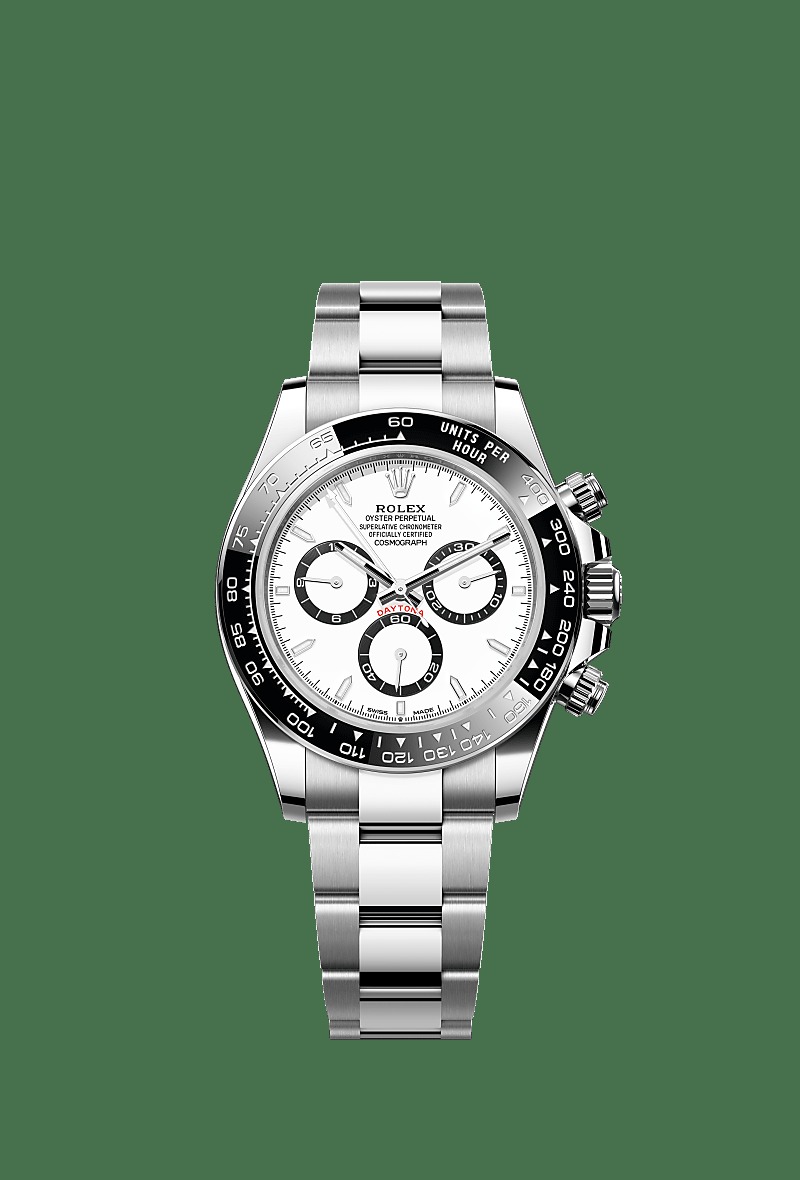

Walk into a Rolex boutique with $16,900 ready to spend and ask for the steel Cosmograph Daytona on the brand's own website at exactly that price, and the most likely outcome is a conversation. The watch will not come out of a case, because in most stores there is no watch in the case to sell you. What you will be offered instead is a place on the list — and that is where the polite fiction starts, because the list is not a line, it is not kept by Rolex, and your name going into it buys you no position, no date, and no promise. It buys you consideration. There is a difference, and the difference is the entire luxury watch business right now.
Rolex has said this part out loud, once, in the plainest language the company ever uses. In September 2021, after Yahoo Finance asked about the shortage, Rolex answered: "The scarcity of our products is not a strategy on our part. Our current production cannot meet the existing demand in an exhaustive way, at least not without reducing the quality of our watches — something we refuse to do." Then it said the sentence that explains every boutique visit since: its watches "are available exclusively from official retailers, who independently manage the allocation of watches to customers." Independently. Manage. Allocation. Geneva builds the watches and ships them to the stores; after that, who gets one is the store's decision, made by the store's people, by rules the store does not publish. Rolex keeps no central list, runs no queue you can check, and publishes no waiting times at all, for any model, anywhere.
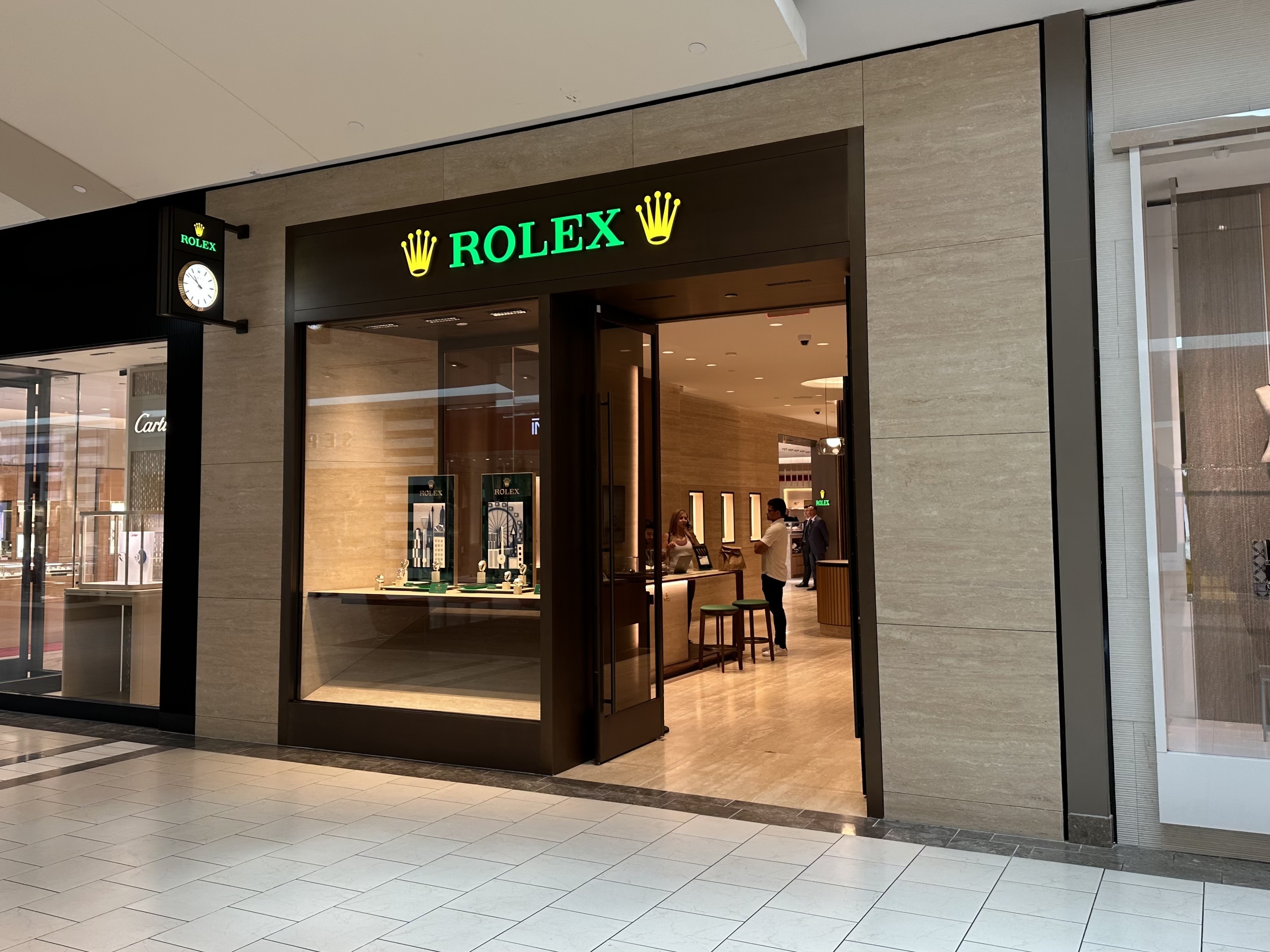
So the waiting list you join is a book that lives in one shop. Dealer-side explanations use the honest words for it: an interest list, an allocation list. A salesperson notes that you want a particular reference, and when that store's delivery arrives, somebody in that store decides which name gets the call. A request recorded in one city creates no place in line in another — the lists are not connected, because they are not really lists in the way a deli counter has a list. Some dealers keep a real database. Some keep it in a salesperson's memory and a notebook. Some have stopped pretending to keep one at all. And the order people signed up in is, by every account from inside the trade, close to the last thing that decides who is called. What decides it is the relationship with that store: what you have bought there before, whether the staff know you, and whether they believe the watch will stay on your wrist instead of appearing on a resale site by Friday.
None of that is written down as policy, and that is worth sitting with for a second. Rolex has published no rule that says a prior purchase earns you anything, and dealers will tell you the same — purchase history guarantees nothing. It just happens to be the currency every serious account of the system describes, because a store with a handful of steel Daytonas in a delivery and a book full of names is not running a raffle. It is taking care of its own. You can call that unfair, and plenty of walked-out customers do, but understand what it actually is: the boutique is a business with a handful of the most wanted objects in retail, and it spends them the way any business spends a scarce favour — on the people who keep the business alive the other eleven months of the year.
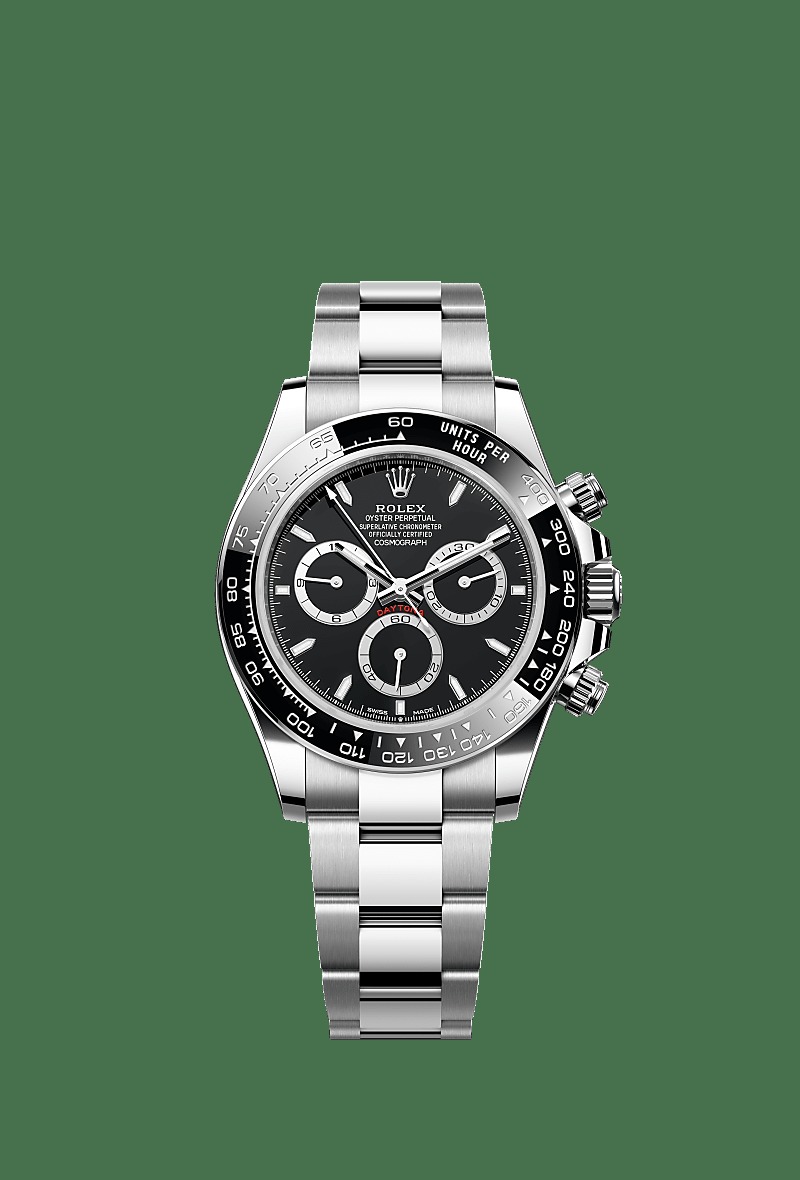
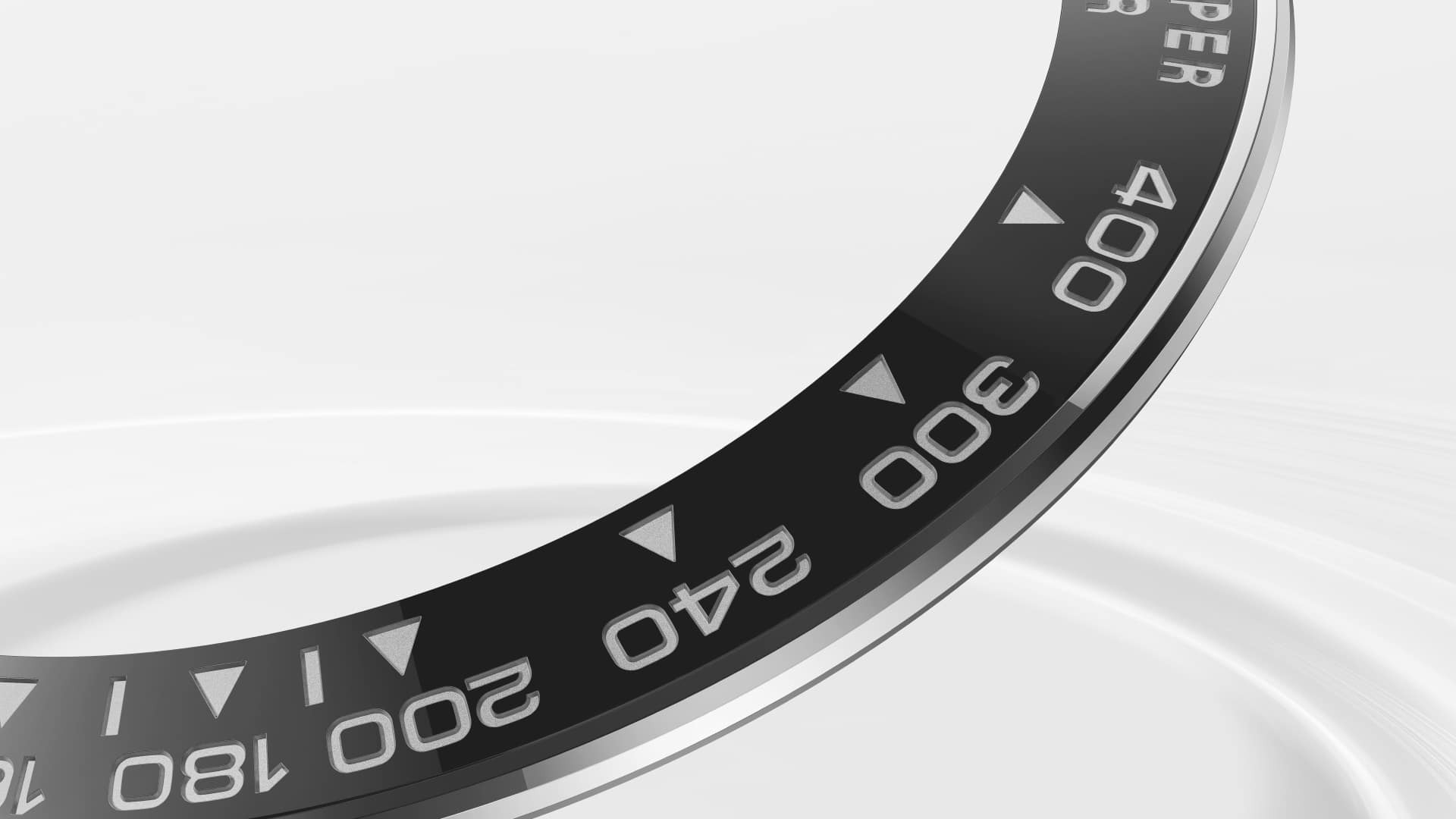
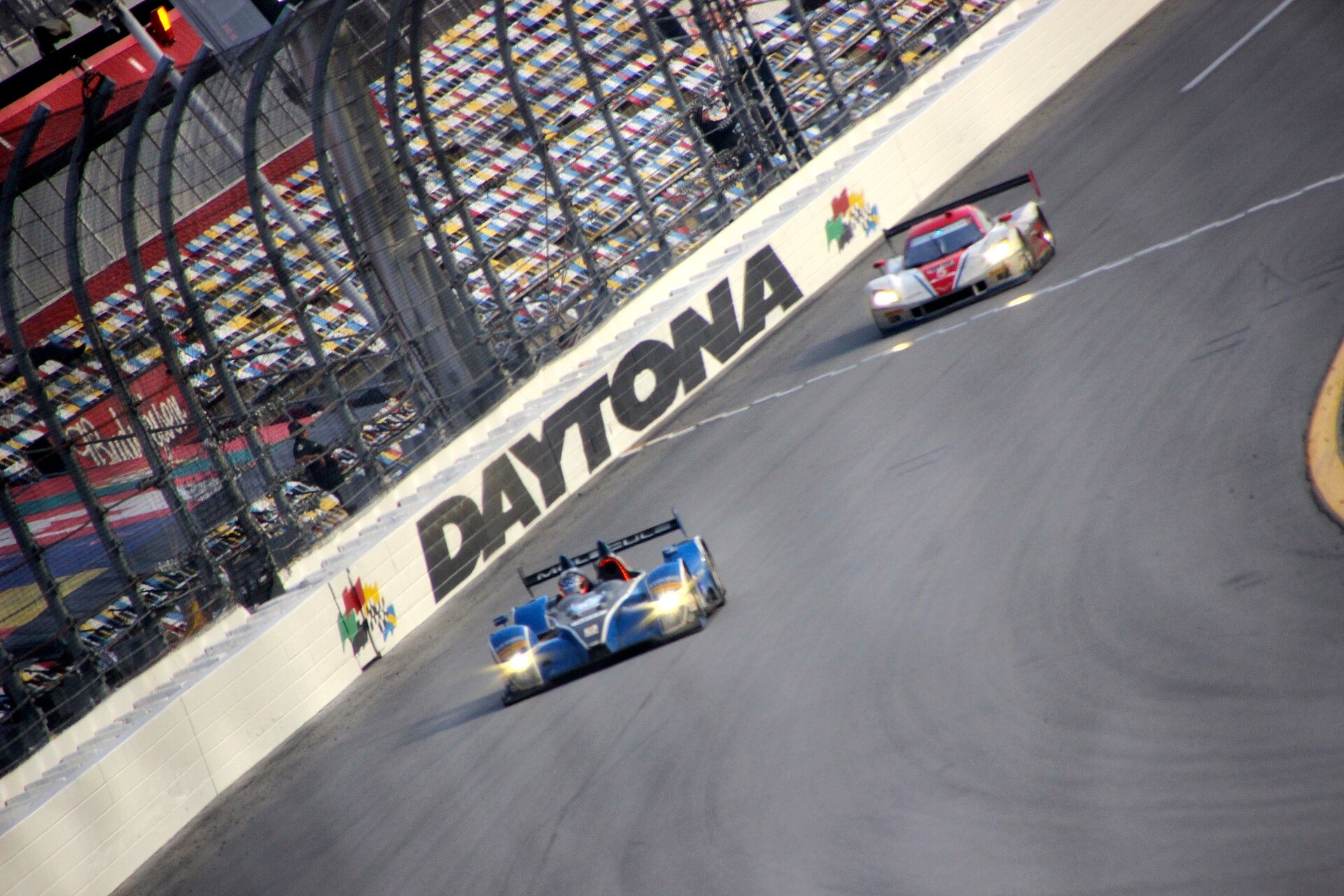
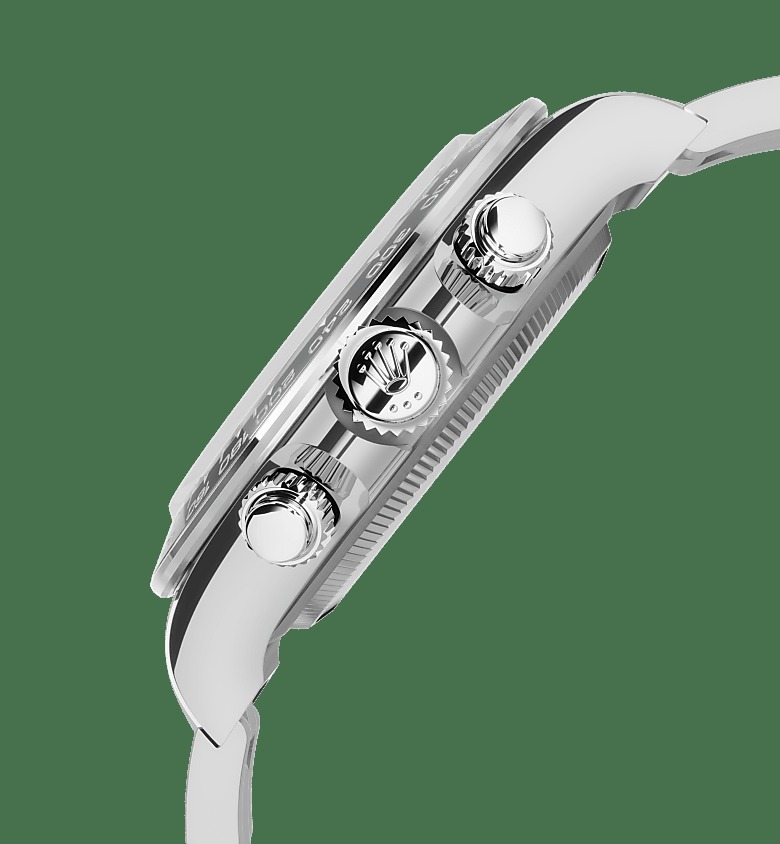
The watch at the sharp end of all this deserves its own respect before we go back to the money, because nobody is waiting five years for an ugly object. The Cosmograph Daytona was born in 1963 as a tool for racing drivers, its tachymeter scale lifted off the dial and engraved around the bezel so a driver could read average speed at a glance. The current steel model is a 40mm case in Oystersteel, Rolex's own corrosion-resistant steel from the 904L family, the kind of alloy the chemical and aerospace industries use when failure is not an option. Its black bezel is a single piece of Cerachrom ceramic, virtually scratchproof and immune to fading, the numerals sunk with a thin layer of platinum. Inside is the calibre 4131, built in-house, good for about 72 hours of power reserve and held to Rolex's Superlative Chronometer standard of minus two to plus two seconds a day. It is, by any honest measure, a beautifully made machine — which is precisely why the gate around it matters. A mediocre watch would have no queue of people pretending not to be a queue.
Now the receipt, because the gate has a price and the price is printed every day by people who will sell you the watch this week. The previous-generation steel Daytona, reference 116500LN — made from 2016 until the current model replaced it in 2023, last sold at retail for roughly fifteen thousand dollars — trades today in a listed band of about $25,000 to $32,000 for a complete set, with box and papers, across the market's price guides. One of the biggest pre-owned dealers in the country, working from its own completed sales rather than asking prices, puts its typical sold range wider still, $23,000 to $38,000 over the past year, with the white "Panda" dial selling for a median near $32,000 against about $26,600 for the black. Asking prices in the open market this fall have clustered around a $30,000 median. Hold those three numbers side by side — listed, sold, asked, three different facts that lazy coverage melts into one — and they all land in the same place: mid-$20,000s to low-$30,000s, roughly double what the watch cost at the counter, for a watch that is not even the current model. The current one, at $16,900 list, carries a tracked market value in the low $30,000s. That gap, in every case, is not a price for steel and ceramic. It is a price for skipping the book.
How long is the wait if you refuse to pay it? Nobody can tell you, and the not-telling is structural, not rude. Because there is no queue, there is no standard wait — collector and dealer reporting puts a steel Daytona at five to eight years for a buyer the store does not know, with waits past ten years reported, and describes the reference as effectively closed to new clients at many boutiques. Yet the same reporting is full of people who waited a fraction of that for the watch a store could actually move, and people who waited three years and never got called at all. Two buyers can register the same week and live completely different stories, because they were never standing in the same line. They were standing in two different relationships, one per store, and relationships do not come with an estimated time of arrival.
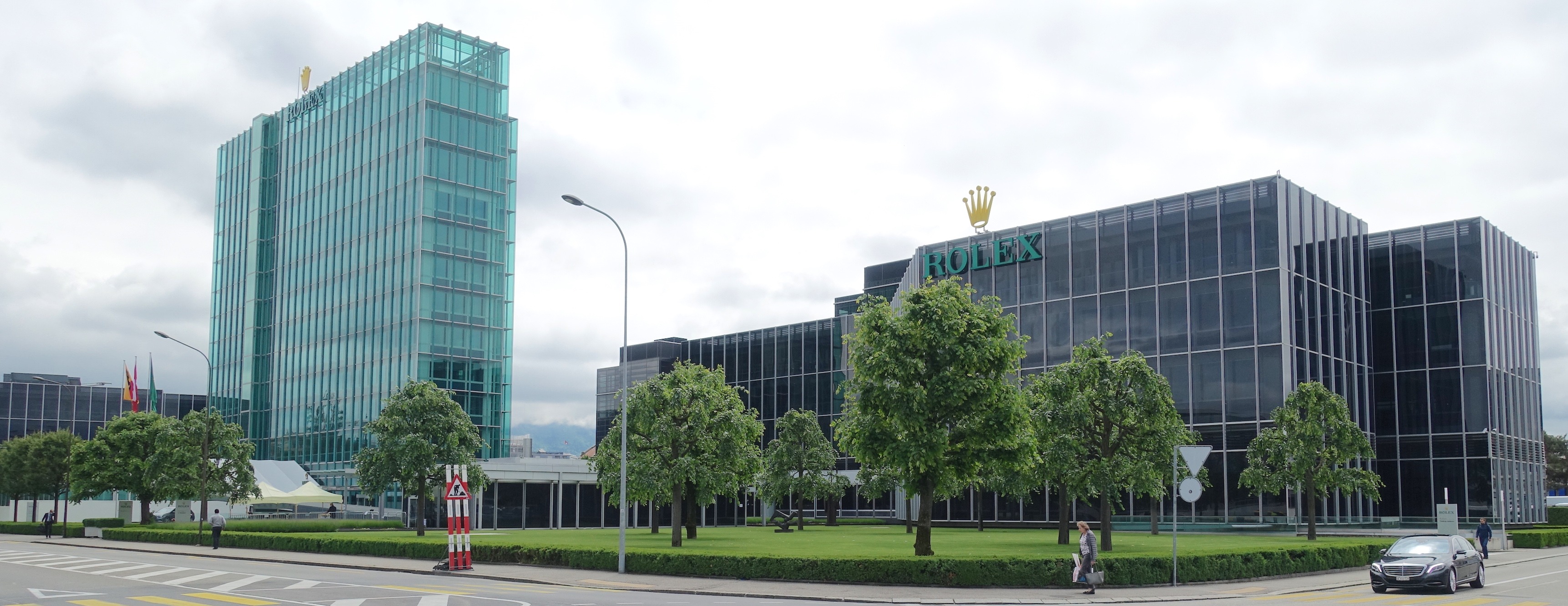
Underneath the whole arrangement sits a supply number Rolex will not confirm. The brand publishes no production figures and no accounts, so the industry leans on the annual Morgan Stanley and LuxeConsult estimates, which put Rolex at about 1.15 million watches in 2025 — roughly two percent fewer than the year before, the second straight annual decline — while its sales rose to around CHF 11 billion, about a third of the entire Swiss watch industry by value. Read that the way a skeptic should: these are analysts' estimates, Rolex declined to comment on them, and the brand's own position remains the 2021 one, that production is limited by the time hand-assembly to its standard requires across its four Swiss sites. What is not in dispute is the shape of it. A million-plus watches a year sounds like abundance until you remember they are spread across the whole catalogue and the whole planet, and the steel sports models everyone actually asks for are a slice of that number arriving a few at a time at each store, into books with hundreds of names in them.
There are honest doors around the gate, and the piece owes you all three with their prices of admission stated plainly. The first is patience with no promise: register your interest at a store you will actually keep visiting, buy what you genuinely want from that store over time, and understand you are building standing, not serving a sentence that ends on a known date. The second is the secondary market — roughly double retail, this week, no relationship required, with the discipline that the price depends on dial, condition and a complete set, and that anything far below the band is a question, not a bargain. The third is Rolex's own Certified Pre-Owned programme, run through participating official retailers since the end of 2022: a watch at least two years old, sent back through Rolex's own workshops, taken apart and authenticated component by component, and sold with a special seal, a guarantee card that says Certified Pre-Owned, and a fresh two-year international guarantee. It is the brand itself selling you certainty — at a price each retailer sets, which rarely undercuts the open market. Even the official shortcut charges for the years it saves you.
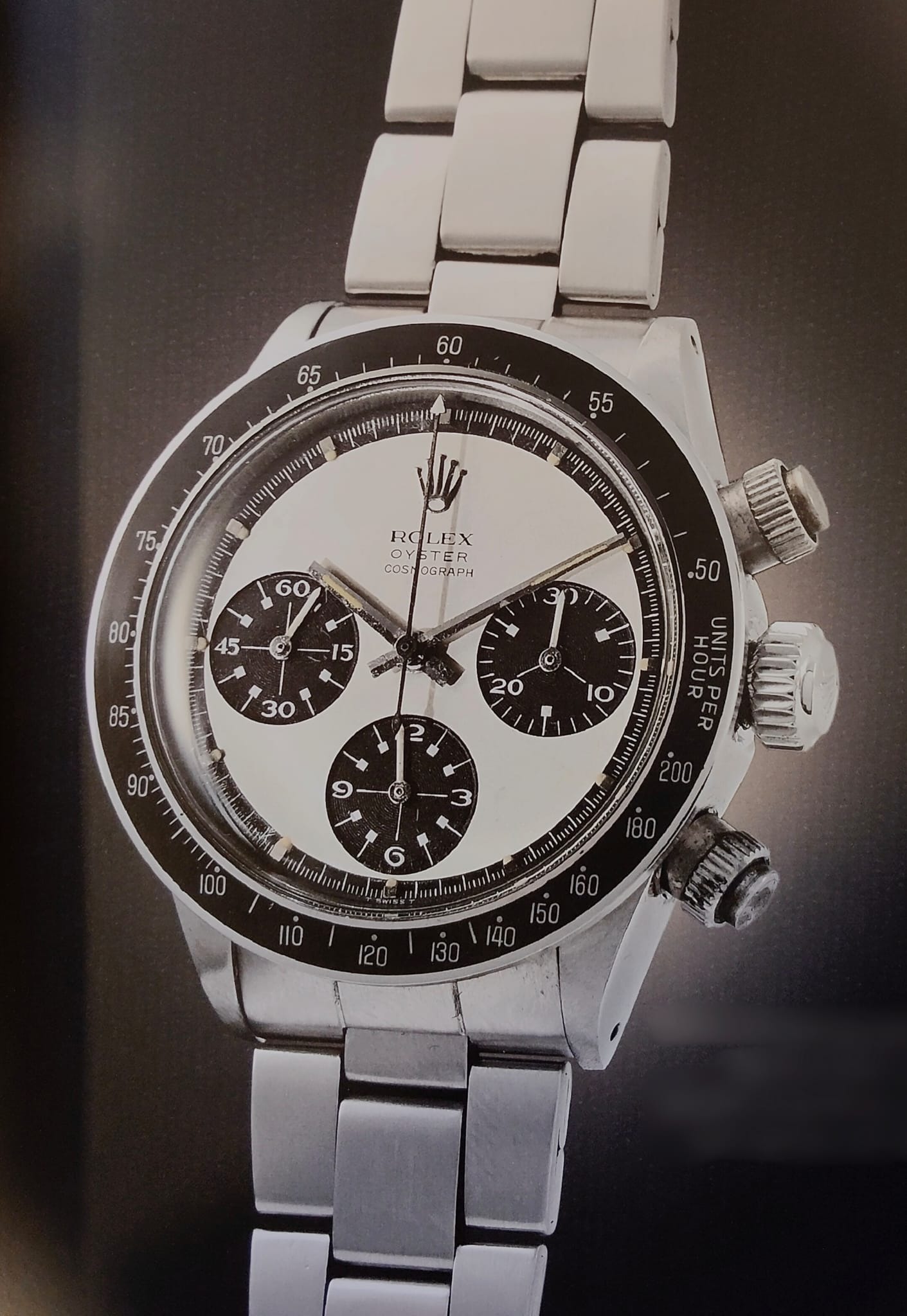
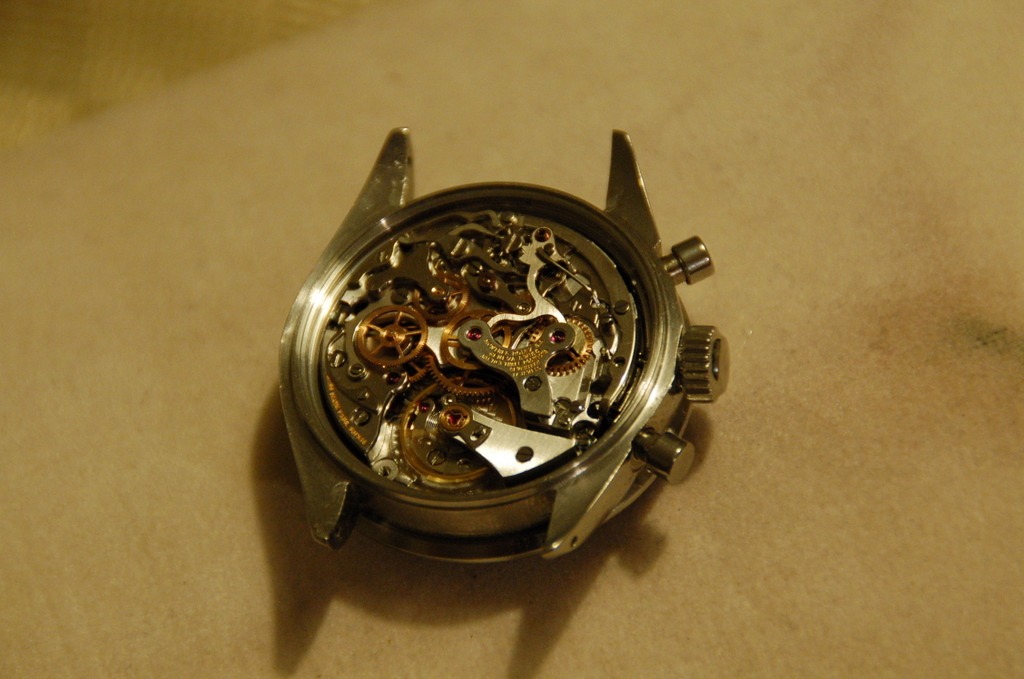
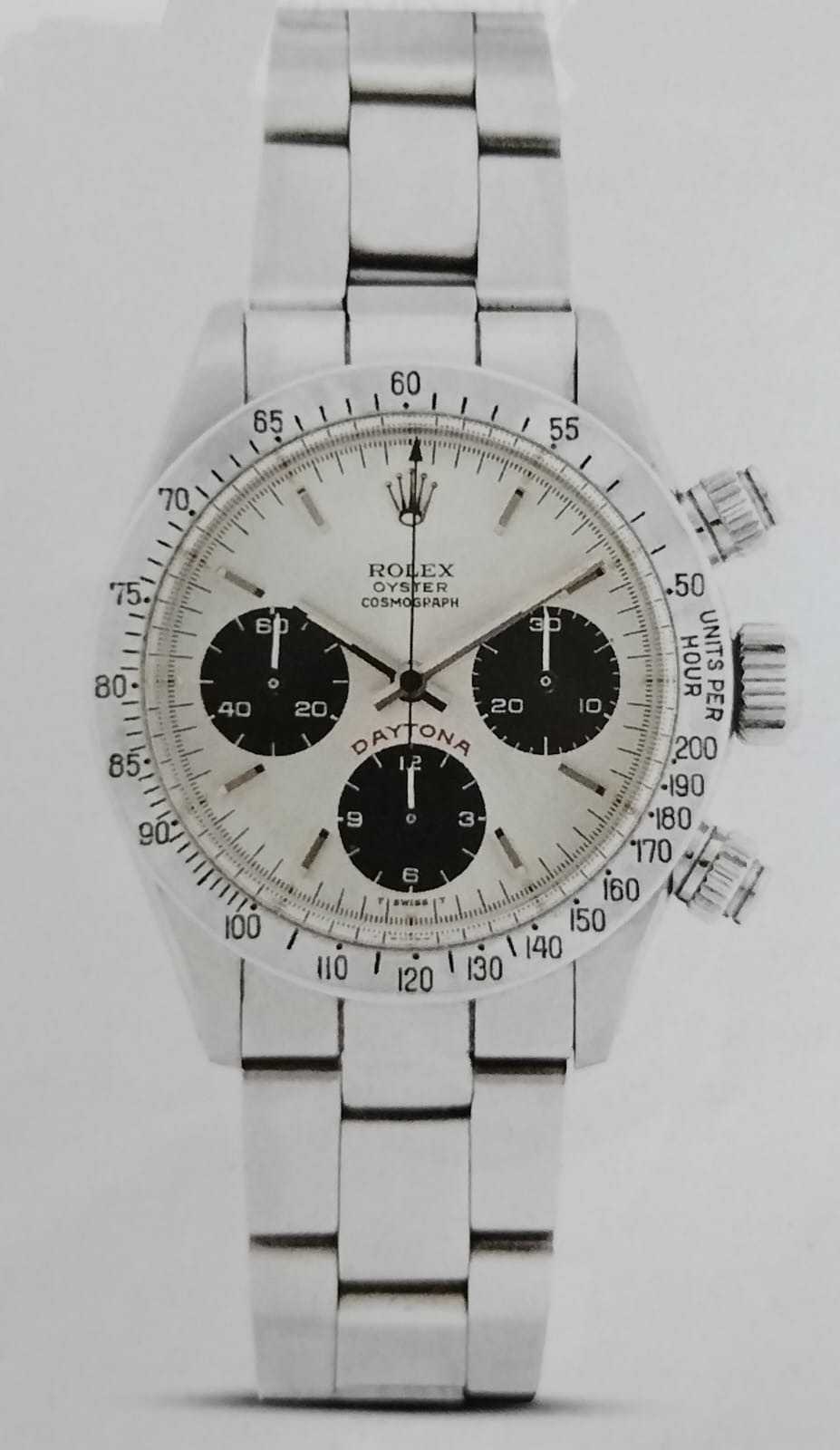
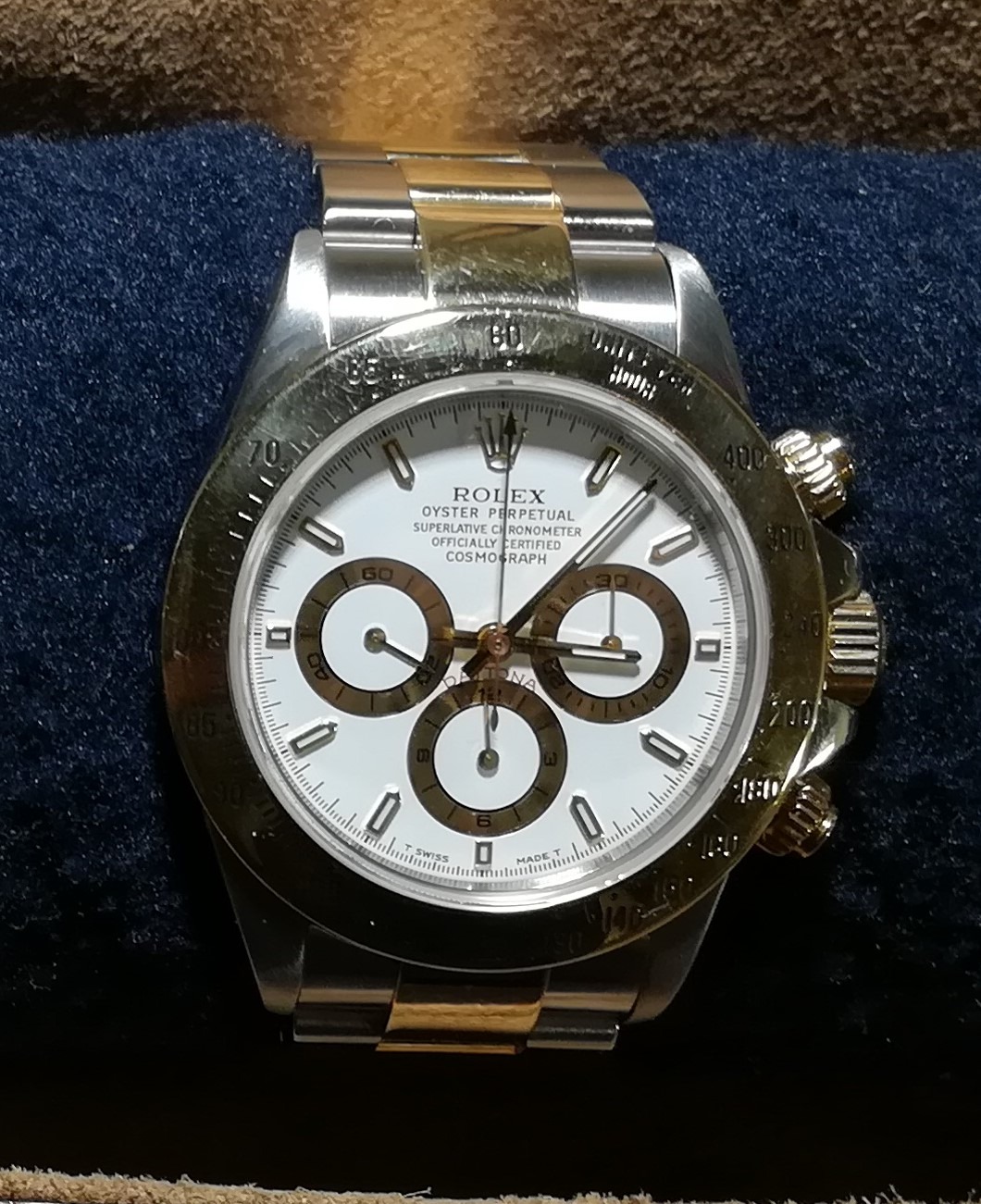
It was not always like this, and the older watches in this story are the proof. For most of the Daytona's life it was the slow seller in the Rolex catalogue, a watch dealers discounted and collectors walked past; the generations before the ceramic era — the hand-wound cars-era pieces, the automatic Zenith-calibre watches of the nineties — became valuable only in hindsight. What changed was not the watch, which improved by evolution rather than revolution. What changed was the world's appetite arriving all at once, against a supply that moves at the pace of Swiss hand-finishing, and a distribution system that hands the choosing to the stores. Scarcity did the rest, and then the market built a second store — the grey one, with real inventory and unreal prices — for everyone the first store would not choose.
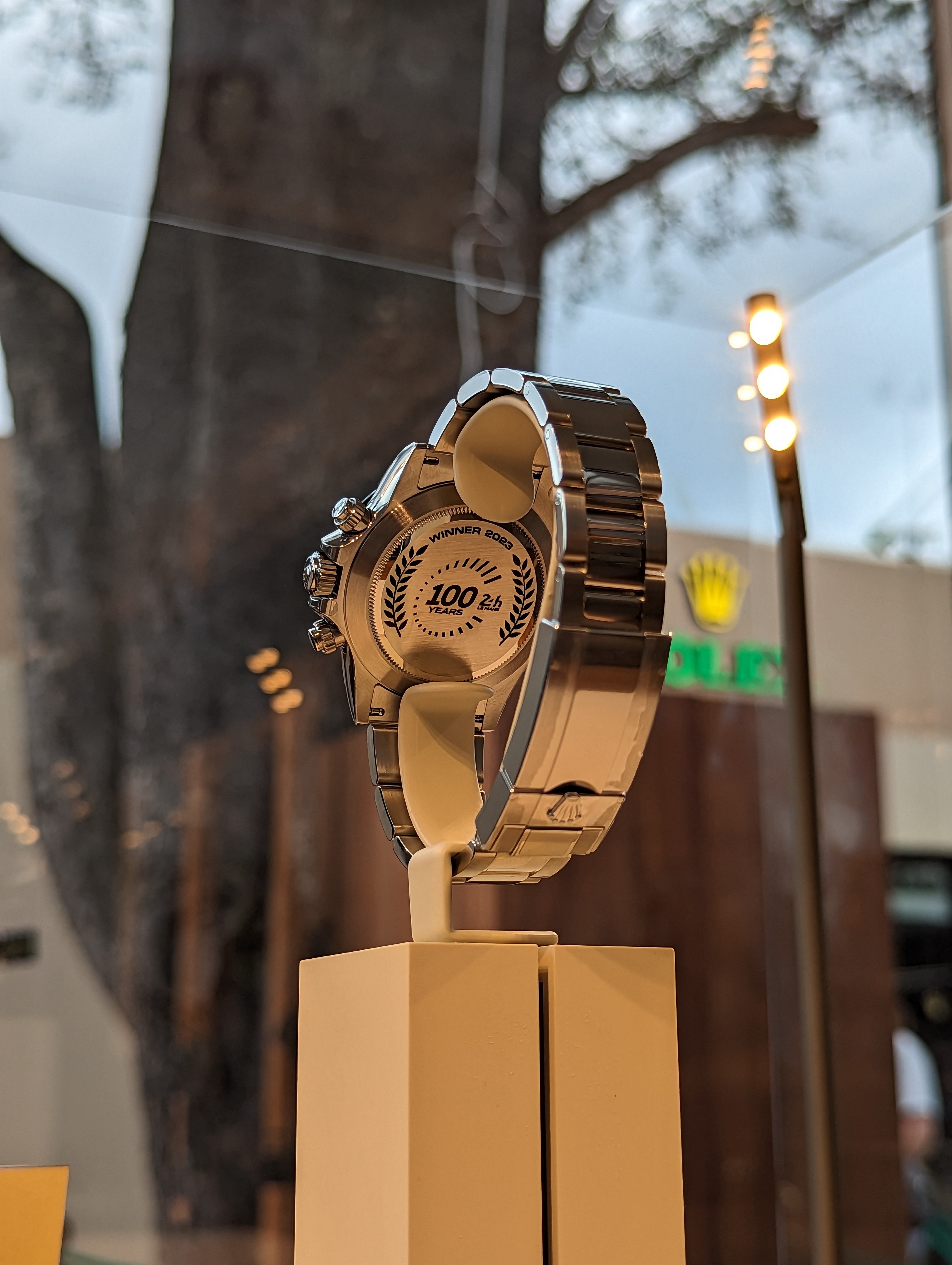
So go in clear-eyed. When a boutique offers to put you on the list, what it is offering is real but small: your interest, written down, in that store, weighed against everyone else that store knows when the next delivery lands. There is no line to advance in, no number to check, no Geneva office holding your place — and any seller, anywhere, who describes it as one is selling you the fiction because the fiction is comforting. The wait for a steel Daytona is not a wait at all. It is a gate, and the price of the gate is either years of being known, or about fifteen thousand dollars over list to the people who already have the watch. Rolex built the machine. The stores hold the keys. The market, as always, is just honest about what a key costs.
Sources · 10 sources
- Rolex — statement to Yahoo Finance on the product shortage, September 2021 (scarcity "not a strategy"; production and quality; retailers "independently manage the allocation of watches to customers"), carried in full by Time+Tide and The Centurion
- Rolex.com — Cosmograph Daytona product pages, refs. 126500LN (m126500ln-0001 and m126500ln-0002): US list price $16,900, Oystersteel, Cerachrom bezel and calibre materials, fetched November 5, 2026
- Rolex Newsroom — the Rolex Certified Pre-Owned programme (authentication, two-year guarantee, eligibility), updated May 2025
- WatchRanker — "Rolex Waitlists Explained: Timing, Allocation and What to Expect" (dealer-level interest lists; no Rolex-wide queue; no published wait times), 2026
- Bezel — "The Rolex Waiting List, Explained" (one list per dealer; store-level records; Certified Pre-Owned as the official alternative path), 2026
- Bob's Watches — "How Much Is a Rolex Daytona?" (the dealer's own completed-sales data: 116500LN typical sold range $23,000–$38,000; white-dial median near $32,000 vs black near $26,600), 2026
- AuctionMapper — Rolex Daytona Price Guide 2026 (116500LN guide range $25,000–$32,000; 126500LN $28,000–$38,000); WatchGuys — 116500LN market review (listed range $25,000–$32,000, last retail $15,100), 2026
- WatchCentro — secondary-market ask reports, October 2026 (116500LN median ask $30,200–$31,500 across listing windows)
- Morgan Stanley × LuxeConsult — "Swiss Watcher," ninth edition, February 2026 (Rolex production estimated at ~1.15 million units in 2025, sales ~CHF 11 billion), via Hodinkee's report analysis; analyst estimates — Rolex publishes no figures and declined to comment
- Grailr and Crown Watch Group — 2026 waiting-list reporting (steel Daytona estimates of five to eight-plus years for buyers without an established dealer relationship, presented as reported estimates; Rolex publishes no wait times)