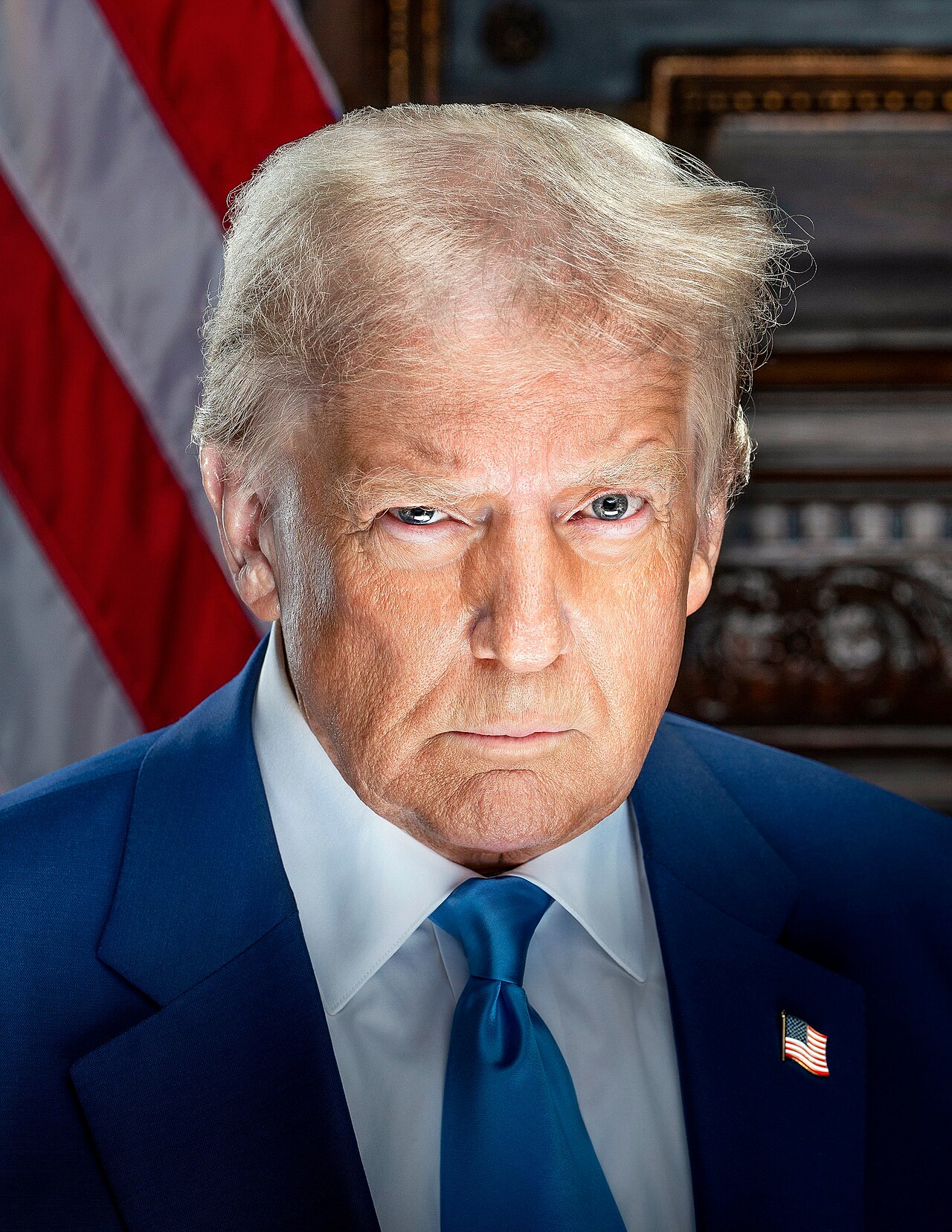
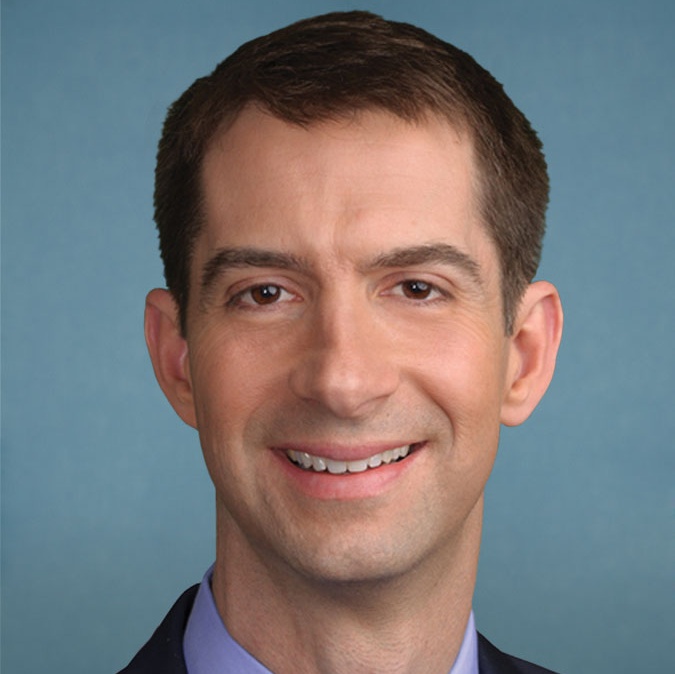
WASHINGTON, OCTOBER 4, 2026 — President Donald Trump took his campaign for permanent daylight saving time to a personal extreme on Saturday, publishing on Truth Social what he identified as Sen. Tom Cotton's personal cell phone number and urging the people of Arkansas to call the fellow Republican and pressure him into dropping his hold on the Sunshine Protection Act.
"Everybody in Arkansas, Tom Cotton, a friend of mine, is holding up a very important Bill. It's called, 'The Sunshine Protection Act' or, 'We Don't Want to Change Our Clocks Twice a Year Act,'" Trump wrote. "For some reason, Tom is stopping the Bill and, in the Senate, it's very easy to do, it only takes one!" he added. "It should pass overwhelmingly, in a Bipartisan fashion. So, everyone in Arkansas, a State I love, and won 3 times, the last by 34 points, tell Tom to, GET IT DONE!"
The post was a full pressure campaign in a single message. It included a letter from PGA Tour CEO Brian Rolapp backing the bill, and Trump's argument, as he wrote in the post, that "65% PLUS want more sun in the afternoon, Daylight Saving Time (The way it is now!), but 100% don't want to change their Clocks twice a year. They want to, as they say, 'LOCK THE CLOCK!' Who doesn't?" — and the kicker: "Call Tom on his cellphone at" a number with an Arkansas 479 area code, "and let him know."
Trump added his familiar flourishes: "Nobody wants to spend their precious time running all over the place, turning Clocks back twice a year and, having sunshine in the afternoon is better than early in the morning!" And a cost argument aimed at the practical, as Trump wrote: "It's very expensive for our Nation where you have high and dangerous steeples to reach, like on churches and municipal buildings. Almost everybody wants 'The Sunshine Protection Act' to pass, except for Tom Cotton." He closed with the House vote — 308 to 117 — and a demand: "HAVE THE SENATE VOTE, NOW!"
The broadside followed a Friday rant in which Trump had already singled Cotton out by name as the obstacle, the New York Post reported. Cotton, for his part, was unmoved — and unimpressed.
"No one likes changing the clock, me included, but Congress has enacted permanent Daylight Savings Time multiple times before and repealed it each time once Americans experienced absurdly late sunrises in the winter," the Arkansas senator wrote on X Saturday afternoon. "Arkansans don't want their kids going to school in the pitch dark, and I'll always put Arkansas first."
As for the number itself: the Associated Press called it Saturday and got no answer — the voicemail box was reported full — and the number does not match any publicly listed contact on Cotton's official Senate website, according to additional reporting on the post.
A familiar tactic
Trump has done this before. During the heated 2016 Republican presidential primary, he read aloud the personal cell phone number of then-rival Sen. Lindsey Graham of South Carolina at a campaign rally in 2015 — a moment that became one of the signature stunts of that campaign. The Cotton post, eleven years later, follows the same playbook: turn a policy dispute into a public pressure campaign, with the phone number as the weapon.
Cotton is a distinctive target: the Arkansas Republican chairs the Senate Intelligence Committee, is one of the chamber's most prominent hawks, and is up for reelection on Nov. 3 — one month away. He has also been among the most vocal opponents of permanent daylight saving time in either party, and the AP notes he is not the only Republican opposed to the switch.
Where the bill stands
The Sunshine Protection Act would end the twice-yearly clock change and lock the United States into daylight saving time year-round. It cleared the House in July by an overwhelming bipartisan vote of 308–117. But it has gone nowhere in the Senate, where it would need 60 votes to break a filibuster — and where, as Trump himself noted, a single senator can gum up the works.
There is also a calendar problem: the Senate is in recess and will not resume legislative business until after the November midterms, the Washington Times reported — meaning no vote was looming regardless of Cotton's hold.
Cotton's objection is substantive, not procedural. He argues that permanent daylight saving time would plunge winter mornings into darkness for millions of Americans — children waiting for school buses, farmers starting their days, early-shift workers commuting before dawn. "If permanent daylight saving time becomes the law of the land, it will again make winter a dark and dismal time for millions of Americans," he said last year. Other Republicans share the concern: Sen. Mike Rounds of South Dakota has warned it would stay dark past 9:30 a.m. in parts of his state — "You'd be sending kids to school in the dark," he told the AP.
America tried this before — and repealed it
Cotton's history lesson checks out. During the 1970s energy crisis, President Richard Nixon signed year-round daylight saving time into law as an energy-saving measure. It took effect on Jan. 6, 1974 — and the backlash was swift. Within weeks, children were walking to school and waiting at bus stops in complete darkness; in Florida, eight children were killed in predawn accidents in the first weeks of the experiment, and a University of Chicago survey found public support for year-round DST collapsing from 79 percent in December to 42 percent by February, according to HISTORY.com.
"I had to get up for school and it was like it was midnight," recalled Kevin Birth, a Queens College anthropology professor who lived through it as an elementary school student in Syracuse, N.Y. "It was just pitch black and it remained pitch black into the school day." Congress repealed the experiment in the fall of 1974 — President Gerald Ford signed the repeal on Oct. 5, 1974 — before its two-year trial had even run its course. It also failed to deliver the energy savings it promised, NPR later reported.
The numbers explain the fear. Under permanent daylight saving time, winter sunrise would come at about 8:20 a.m. in New York City, around 9:05 a.m. in Detroit, and as late as 9:42 a.m. in parts of North Dakota. Supporters of the change — including, now, the president — counter that Americans overwhelmingly prefer evening daylight, that it reduces crime and boosts retail and recreation, and that nobody likes the clock switch itself. The PGA Tour's Rolapp, in the letter Trump attached, argued tournaments need afternoon daylight to finish.
This is not the bill's first trip through Washington, either. A version of the Sunshine Protection Act passed the Senate by unanimous consent in 2022 under Sen. Marco Rubio — then died in the House. This time the chambers have reversed roles.
For now, the standoff is personal as much as legislative. Trump wrote to close the post: "Thank you for your attention to this matter. President DONALD J. TRUMP." Cotton's answer, in effect: call all you want. "I'll always put Arkansas first." The news desk will track whether the Senate takes up the bill when it returns after the midterms — and whether the phones in Arkansas keep ringing. (See also our coverage of Trump's $90 checks for seniors.)