TUESDAY, OCTOBER 6, 2026 — The United States has quietly pulled its entire bomber force out of Britain’s RAF Fairford after American officials warned of a reported threat of a possible Iranian drone attack against the base, the Pentagon confirmed over the weekend — one week after British police said they had foiled a suspected terror plot against the same installation.
The moveA quiet scramble over the weekend
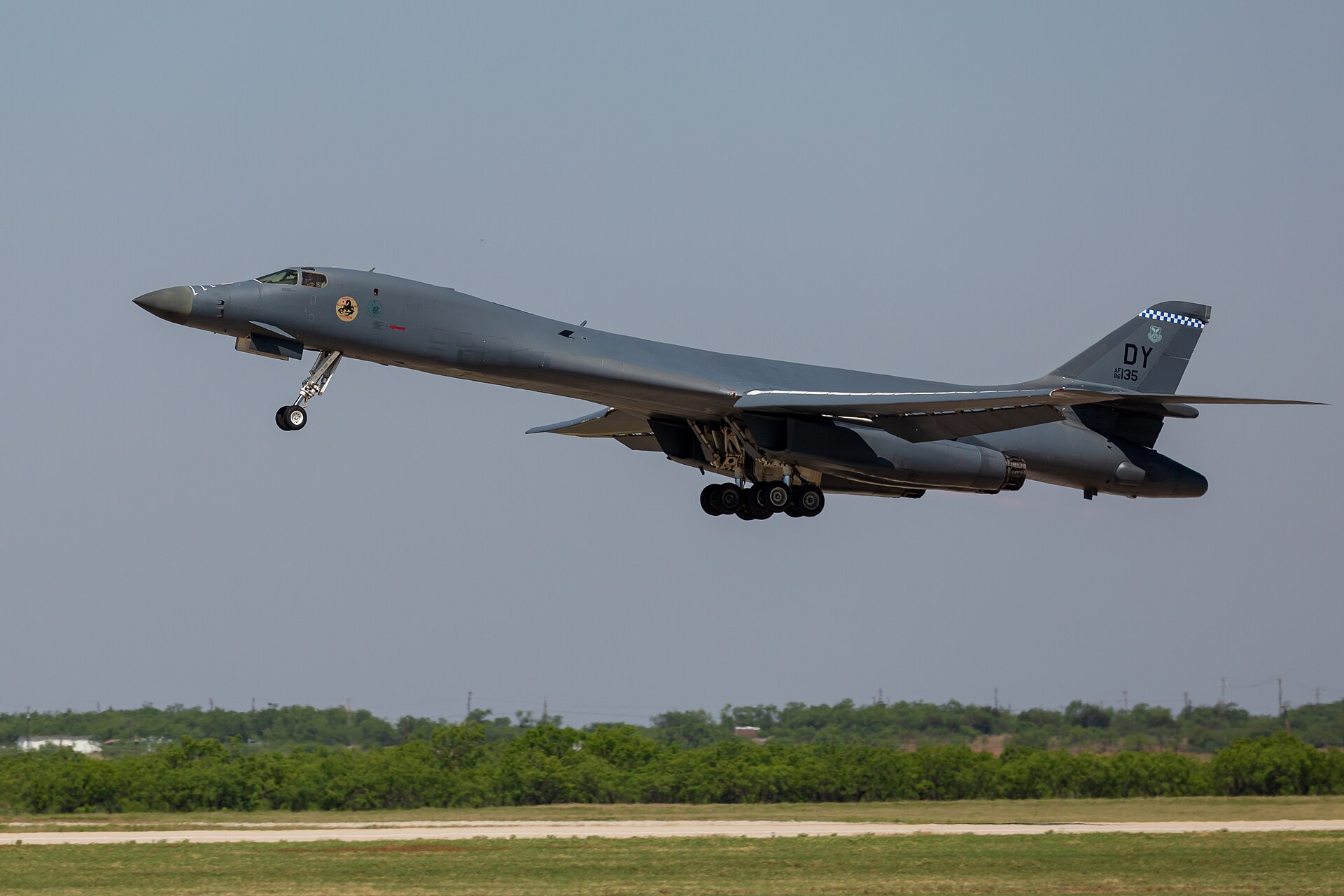
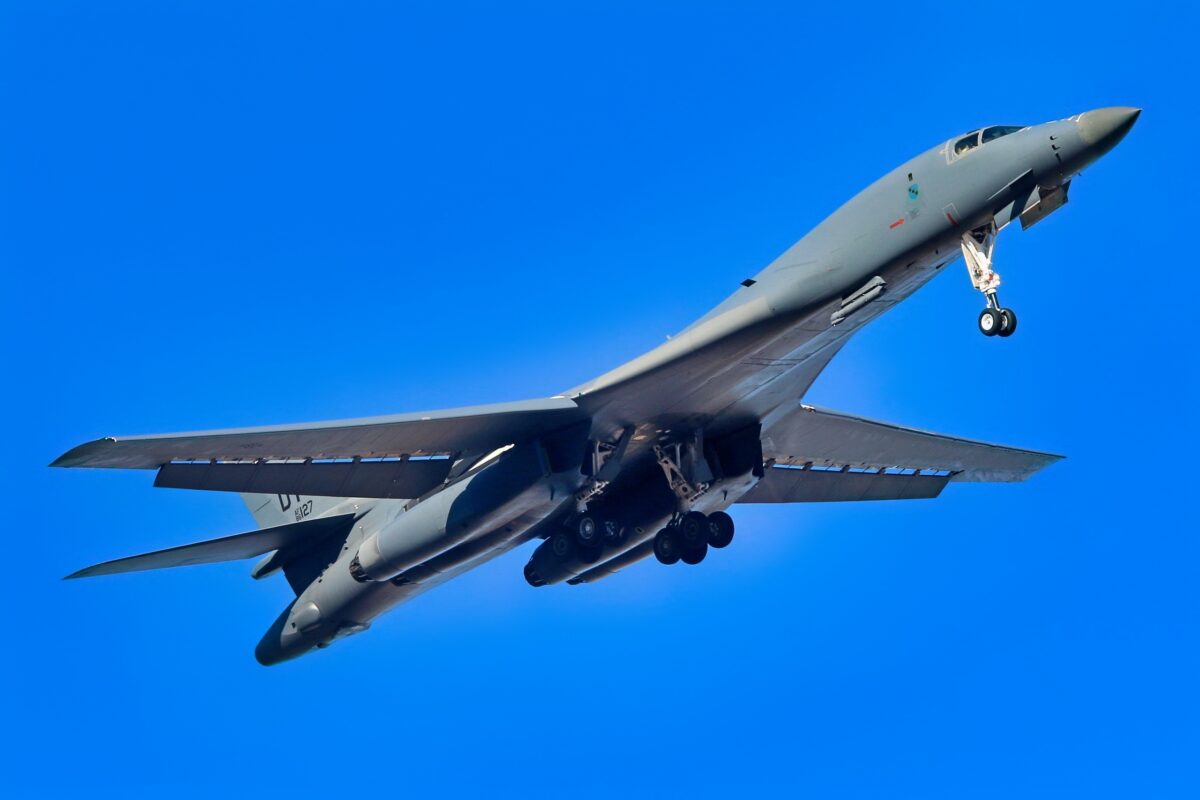
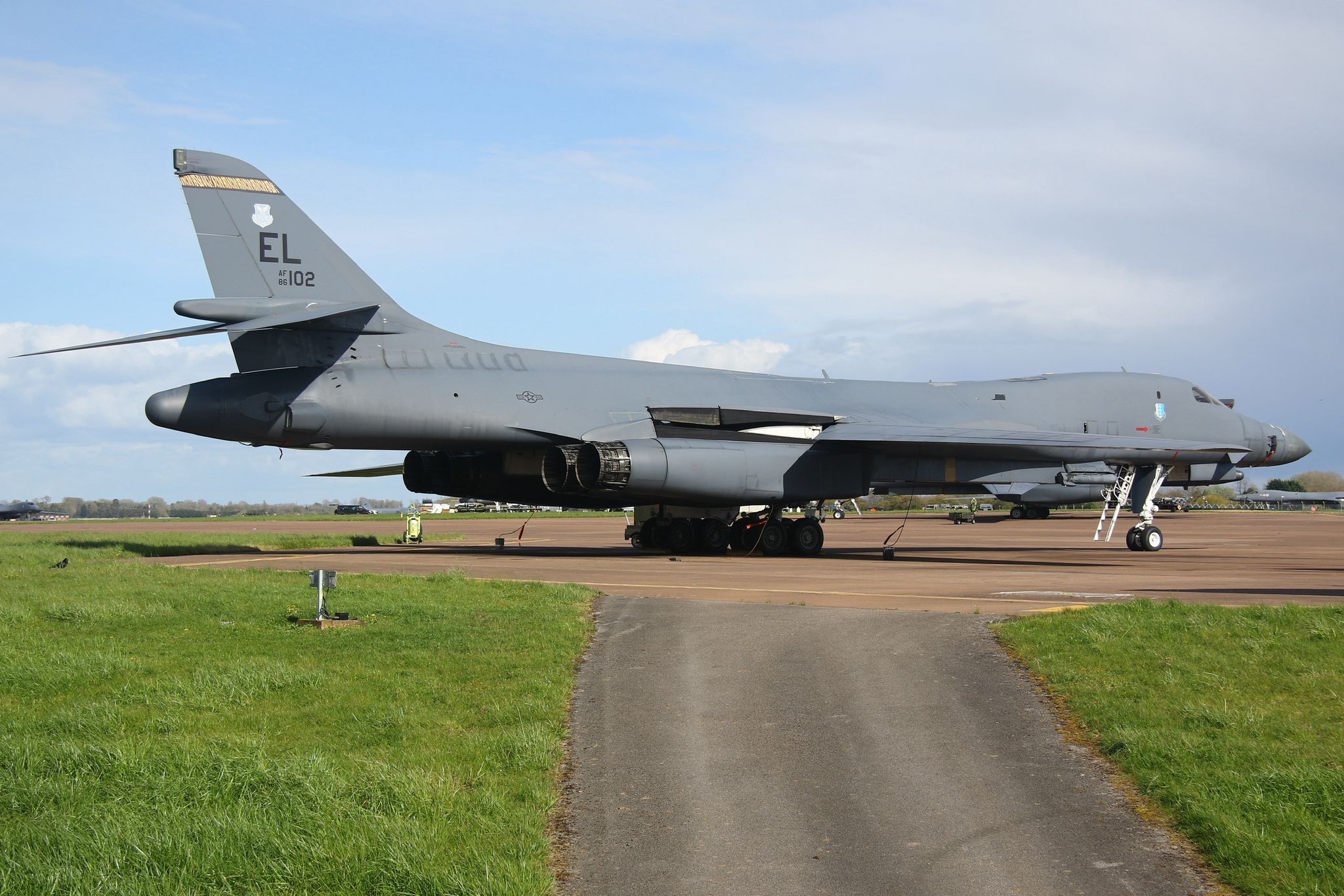
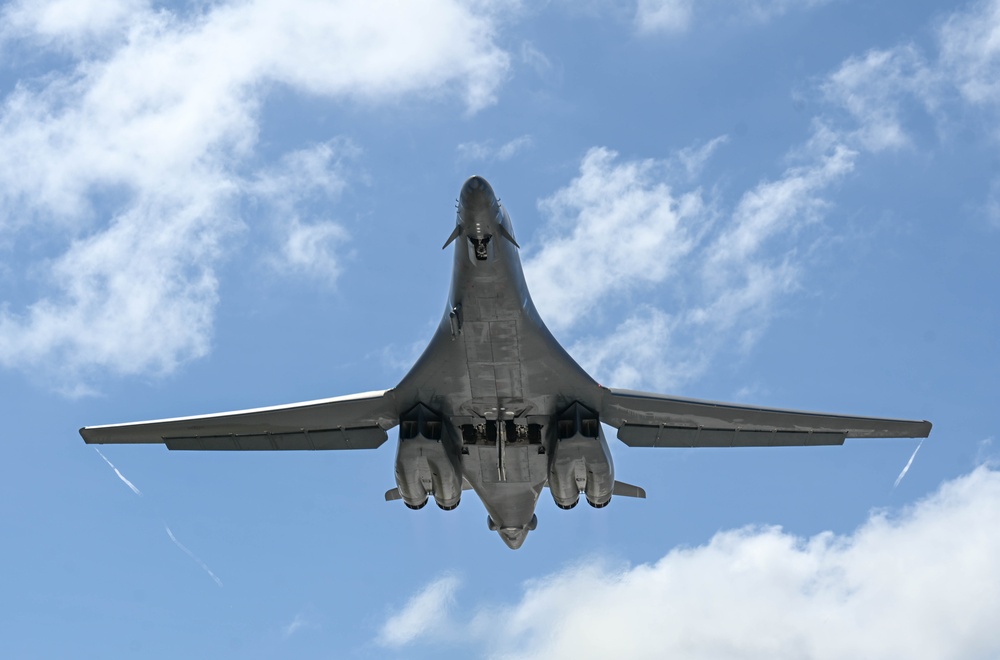
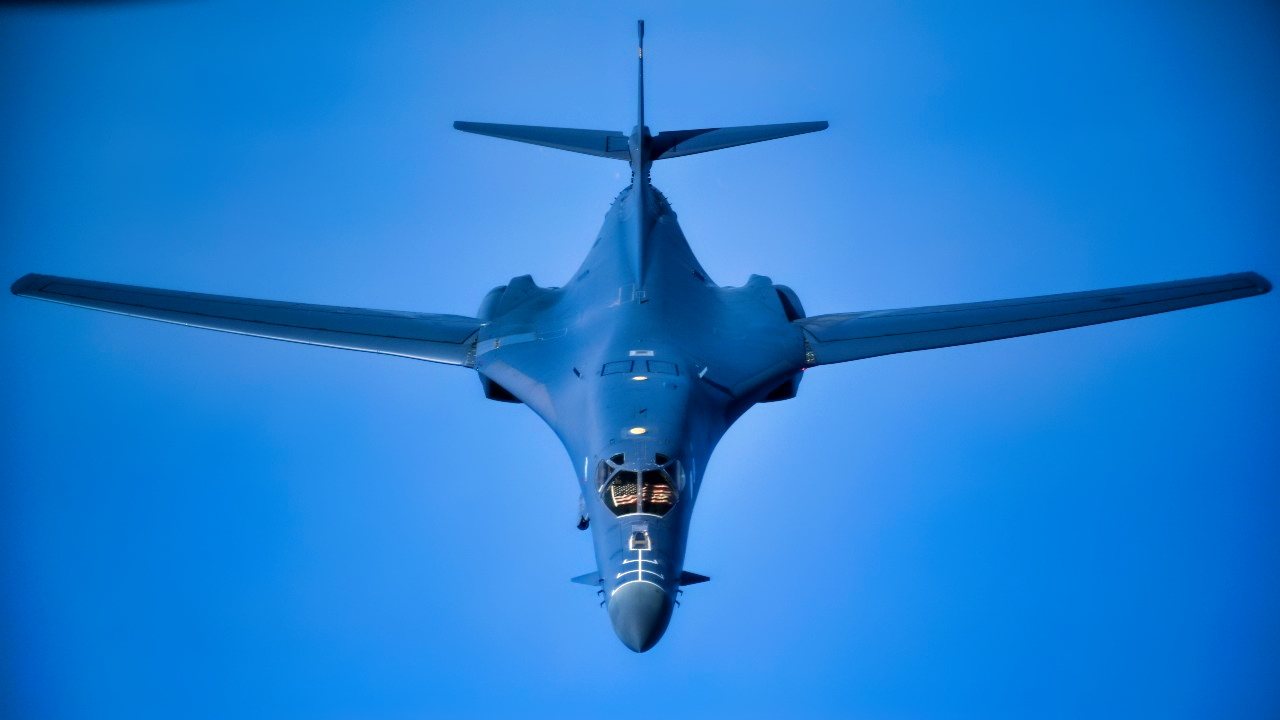
The U.S. bomber detachment at RAF Fairford — a dozen B-1B Lancer bombers that had been stationed at the Gloucestershire base amid the ongoing hostilities with Iran — departed over the course of a day on October 4, according to local aircraft spotters and reporting by Air & Space Forces Magazine. The Pentagon and U.S. European Command later confirmed the move only after the operation was complete, citing operational security. “All U.S. bombers that were deployed to RAF Fairford have redeployed to their home stations in the United States,” the two commands said in statements to the magazine. We covered the initial pullout on October 4 as the bombers were seen leaving the base; what has emerged since is why they left.
The threatWhat Washington is saying
According to two U.S. officials speaking anonymously to NBC, Sky News’ U.S. partner network, the withdrawal was driven partly by a reported threat of a possible Iranian drone attack against the base. The officials could not say whether the threat was imminent, but a third official said it made sense to move the bombers out of an abundance of caution — since the U.S. can deploy the aircraft from anywhere. The Pentagon confirmed Sunday that the bombers removed included B-1s, B-2s and B-52s, Sky News reported.
President Trump confirmed the security rationale himself, speaking to reporters outside the White House. Asked whether there was a “specific threat” behind the removal, he answered: “Yeah I think we can say that. They didn’t fly out by accident. There were some threats. And rather than tempting the enemy, we’ll capture the enemy and beat the enemy. But why should we leave them there? So we moved them around a little bit. Not very far.” He added of the threats: “We actually know the people who made the threat.”
The plotThe arrests that came first
The redeployment came just over a week after British authorities said they had foiled a suspected terror attack against the base. In the early hours of September 27, police arrested five U.K. nationals in their mid-20s driving white vans near RAF Fairford on suspicion of explosives offences and terrorism, USA Today reported. The men were later released on bail after police discovered petrol but no explosives in the vehicles. Then on October 1, a U.K.-Iranian dual national was arrested in London on suspicion of preparing terrorist acts — he too was released on bail. Police have insisted that all six men remain under investigation.
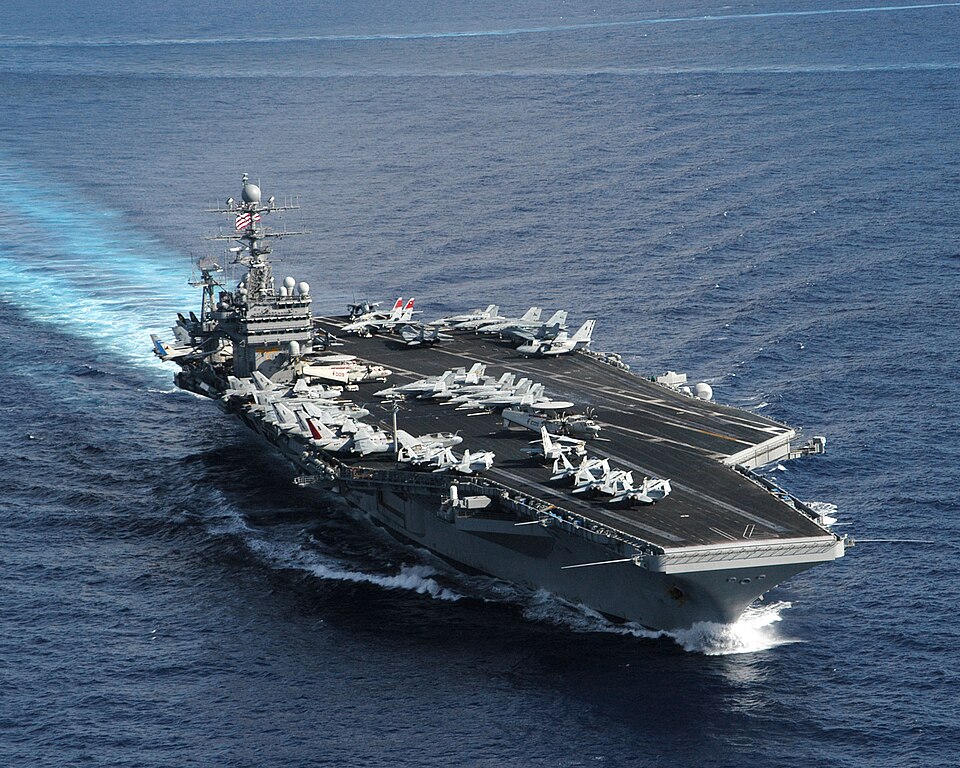
On September 30, British Prime Minister Andy Burnham said there were “strong indications” that Iran played a part in the incident. Trump had already weighed in on the bail decisions on September 28: “I’m surprised that they released them,” he said. “I wouldn’t have done that.” The episode is unfolding as the U.S. continues to build up its military presence in the Middle East, including the deployment of a third carrier to the region.
The baseWhy Fairford matters
RAF Fairford, in southwestern England, is the U.S. Air Force’s forward bomber operating location in Europe — and the facility has been used extensively to strike Iran since the war began in February, USA Today reported. The shorter flight distance from England sharply reduces both the time and the cost of striking targets in Iran compared with flying from the continental United States. The open-source Military Air Tracking Alliance recorded 29 separate bombers that deployed to RAF Fairford at different points during the conflict.
The Pentagon, for its part, is projecting confidence that the withdrawal changes little operationally. The U.S. military emphasized that its bombers could still strike targets across the globe from home stations — something B-1B, B-2 and B-52 bombers all did during the height of operations against Iran this spring. “The Airmen that operate America’s bomber force, including B-1s, B-2s, and B-52s, remain ready to deliver precision global strike capabilities — including through operations that launch and recover from the continental United States — anywhere, anytime,” the statement said.
The falloutWhat happens next
A full bomber withdrawal from an allied base is an extraordinary sight even in wartime — and officials stressed the move was made out of caution, not in response to an attack that had already happened. What is not yet clear is whether the reported threat has been neutralized, or whether the bombers will eventually rotate back into Fairford. The two officials who spoke to NBC could not say whether the threat was imminent, and the Pentagon has said only that its bomber force remains ready to strike from its home stations.
The investigation on the British side, meanwhile, is not over. Police have said all six suspects arrested in September and October remain under investigation even after their release on bail, and British counter-terrorism police have described the inquiry as complex, with detectives examining possible foreign-state involvement. Prime Minister Burnham’s September 30 remark — that there were “strong indications” Iran played a part in the base plot — remains the sharpest public statement from either government linking Tehran to the threat.
For now, the message from Washington is that nothing has changed about American strike capability: the bombers are gone from Gloucestershire, but the Air Force says they can still reach any target on earth from the continental United States. More world coverage is updated through the day as the story develops.
Sources
- Air & Space Forces Magazine wrote “All US B-1 Bombers Leave RAF Fairford in Hasty Departure” — Pentagon/EUCOM confirmation of the October 4 redeployment, the 12-bomber detachment, bomber-force statement, Military Air Tracking Alliance 29-bomber count
- Sky News wrote “‘Reported threat of possible Iranian drone attack’ led US to remove bombers from RAF Fairford” — NBC-sourced officials on the drone threat, Trump’s White House remarks, Pentagon confirmation of B-1/B-2/B-52 removal
- USA Today wrote “US removes B-1 bombers from UK base amid security concerns” — Pentagon official’s October 4 account, September 27 arrests, Burnham’s “strong indications” remark, the base’s Iran-strike role
- The New York Times wrote “U.S. Bombers Leave Britain After Iranian Threats” — original October 4 reporting on the withdrawal after credible threats