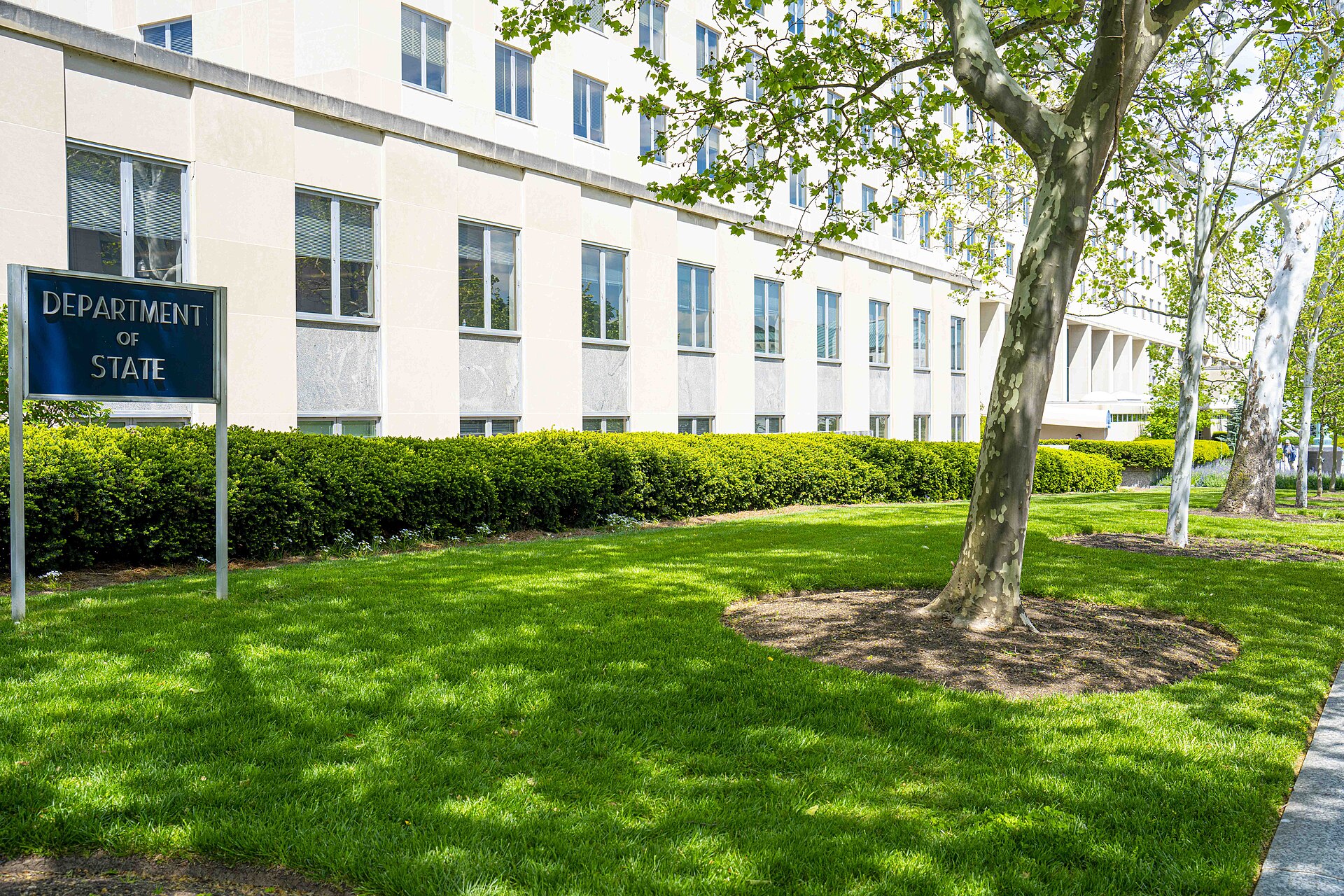

When every American embassy in a region says the same thing, in the same words, on the same morning, it is meant to be noticed. On Monday, U.S. embassies across the Middle East issued identical red-alert security warnings advising American citizens to exercise extreme vigilance — a coordinated alert spanning 12 countries: Israel, Saudi Arabia, Iraq, Lebanon, Jordan, Qatar, Bahrain, Kuwait, Oman, the United Arab Emirates, Yemen and Iran.
Identical wording is the tell. Embassies write their own alerts all the time for local conditions — a protest here, a storm there. A single text, pushed out across a dozen capitals at once, comes from Washington, and it is written for the whole map, not for one street in one city. Euronews reported the wave of alerts, and the State Department's own TravelGov account amplified the warning publicly on Monday, October 19, 2026.
The stated reasons are twofold, and neither is hypothetical. The alerts stem from risks pertaining to the Iran war and the escalating Houthi situation. "Iran and groups supportive of Iran may target other U.S. interests overseas or at locations associated with the U.S and Americans throughout the world, including U.S. businesses and other institutions," the alert warned. That sentence is deliberately broad: not just embassies and bases, but businesses and institutions — the places Americans in the region actually spend their days.
The Houthi half of the warning is equally specific. Iranian-supported Houthis, the alert notes, have engaged in hostilities against Saudi Arabia, including attacks on civilian airports and other critical infrastructure, resulting in civilian casualties and severe travel disruptions. And it adds the line travelers should underline: those hostilities "have the potential to escalate rapidly beyond that immediate area." In plain English, a fight currently hitting one country's airports is not guaranteed to stay in that country.
Which brings us to the practical part, because this alert is unusually practical for a security warning. Americans currently in the Middle East, it says, should exercise heightened vigilance due to the complex security environment, be aware of potential flight cancellations, airspace closures and travel disruptions, monitor information about airport and airline operations, and develop contingency plans in advance. Contingency plans, in advance — the State Department is telling people, in writing, to have a Plan B before they need one.
That advice lands differently depending on where you are standing. For a tourist connecting through a Gulf hub, it means checking whether your flight still exists before you check out of the hotel. For the large American workforce across the region — energy, defense, education, medicine, aviation — it means the commute itself is part of the risk picture now. And for airlines, a dozen-country alert is the kind of thing that quietly reshapes schedules, routings and insurance calculations within days.
A note of proportion, because alerts like this deserve one. A coordinated warning is a precaution instrument, not a prediction. The State Department issues it when the cost of being surprised is high, not when an attack is known to be scheduled. The alert does not say Americans must leave any of the 12 countries, and it does not announce evacuations. What it says — read it again — is vigilance, awareness of disruption, and contingency plans. That is the government buying down surprise, publicly.
The State Department did not immediately respond to the Daily Caller News Foundation's request for comment, which is itself fairly standard on a fast-moving alert day; the alert is the comment. Americans traveling to or from the Middle East were directed to the latest country-specific alerts for detail beyond the regional text.
If you missed this while it moved this morning, here is the version that fits in your pocket: twelve countries, one warning, two named drivers — Iran and the Houthis — and one instruction that matters more than the rest. Do not just watch the news. Watch your flight, know your alternatives, and have the plan before the board at the airport tells you to improvise one.
It is also worth saying what an alert like this is built on, because readers deserve the mechanics. Embassy security offices feed local reporting upward; regional officers look for patterns that cross borders; and when the pattern is a threat stream aimed at Americans generally — rather than at one post, one convoy or one event — the response is a regional text rather than a dozen local ones. That is why the country list runs from Israel to Iran and from Oman to Iraq: the warning follows the footprint of Americans in the region and the reach of the groups named in it, not the borders of any single conflict. Travelers with near-term itineraries should read their specific country's alert in full, because the regional text is the floor, not the ceiling, of the guidance.
Keep reading on Previously: More news · Sports.
Sources · 1 source
- Daily Caller — U.S. Issues Rare Security Warning For Citizens In 12 Middle Eastern Countries, Monday, October 19, 2026, citing Euronews and the TravelGov alert text