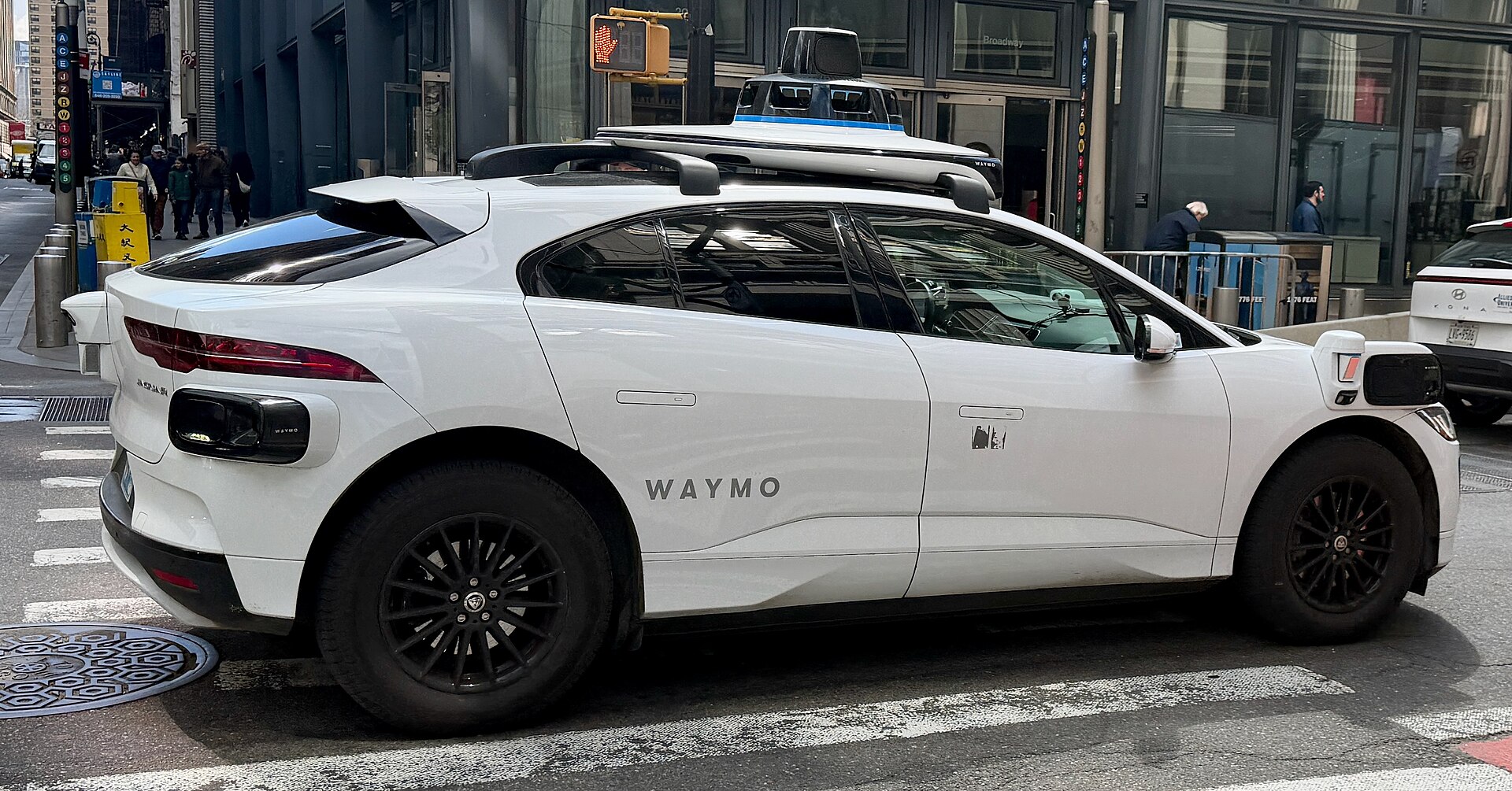

The most exclusive thing about a Waymo ride in San Antonio, San Diego and Tampa used to be getting permission to take one. That ended this month. Waymo opened its fully driverless service to everyone in the three cities on Oct. 14, 2026, dropping the invitation and waitlist system that had gated access since each city launched earlier in the year, according to Unite.AI. Anyone with the app can now hail a car with nobody in the driver's seat — no application, no waiting for your name to come up, no early-access club. Tomorrow's Tech Future, summarizing Waymo's announcement, put it the same way: no waitlist, no invitation, just an app and a ride, in three cities at once.
That may sound like a small administrative change. It is not. A waitlist is how a robotaxi company controls demand while it learns a city's streets; dropping it is the company saying, out loud, that it is ready for the general public — tourists, grandparents, first-timers, everybody. Waymo said it has carried hundreds of thousands of riders across the three cities since each opened earlier in 2026, according to Unite.AI, with trips to beaches, a hockey game, the River Walk and the grocery store along the way. TechCrunch, in its Oct. 18 mobility roundup, also noted that Waymo had opened its robotaxi service to everyone, with no more waitlists, in San Antonio, San Diego and Tampa — one more sign this was not a soft launch but a genuine opening of the doors.
San Antonio gets the airport, too
San Antonio drew the biggest single prize in the announcement: pickups and drop-offs at San Antonio International Airport, open to all riders. Airport runs are the most valuable trips in ride-hailing — long, predictable, and taken by people who really cannot afford for the car not to show up — so handing them to a driverless fleet is a statement of confidence, not a gimmick. Jesus Saenz, San Antonio's director of airports, called it "a significant milestone for Waymo, our city and travelers," according to News 4 San Antonio, in remarks Tomorrow's Tech Future cited.
The San Antonio service area runs roughly from the King William neighborhood to Wurzbach Parkway, including downtown, the River Walk, the Alamo and North Star Mall, according to CultureMap. That is a real city's worth of ground: the historic core, the tourist spine and a major mall, all inside the zone. CultureMap, citing the fare-tracking site RideWise, put San Antonio fares at about a $3 base plus $2.25 a mile, with an average trip costing around $20. In other words, priced like a ride, not like a novelty — which is precisely the point. A technology demo charges whatever it wants. A transportation service has to compete on the fare.
"They get their independence back"
The quote from Tampa is the one that stays with you. Scott Young, board chair of Lighthouse for the Blind & Low Vision in Tampa, said of riders who cannot drive themselves: "With Waymo, they get their independence back," according to Tomorrow's Tech Future's account of the announcement. That framing matters, because it moves the robotaxi conversation out of the tech pages and into daily life. For a rider who does not drive, a car that comes when called, needs no small talk and no negotiating, and goes exactly where it is told is not a gadget story. It is a grocery run, a doctor's appointment, a hockey game — the ordinary trips Waymo said its hundreds of thousands of riders in the three cities have already been taking.
Unite.AI reported that Waymo spent months validating the Waymo Driver's performance on local streets before opening up, working with local first responders so they could learn how to interact with the technology, and partnering with community groups to understand local needs. Unite.AI also cited the company's safety record, with Waymo saying its driver had been involved in 94% fewer serious-injury-or-worse crashes compared with human drivers. Those are the company's own figures, and riders will judge them against their own experience now that anyone can book a seat — but they explain why cities keep saying yes.
The scale behind the opening
Zoom out and the three-city opening is one move in a much larger land grab. TechCrunch reported that Waymo's Sept. 1 launch wave brought the company to 14 U.S. cities, with a fleet of more than 4,000 vehicles — Jaguar I-PACE SUVs plus the new Ojai minivan — delivering more than 500,000 paid rides a week, and a target of one million paid rides a week by the end of 2026. Read those numbers next to San Antonio's $20 average trip and a picture forms: this is a company trying to turn driverless rides from a curiosity in a handful of neighborhoods into ordinary infrastructure, city by city, airport by airport.
There is a rhythm to how Waymo does this, and October followed it exactly: open a city to invited riders, carry hundreds of thousands of them while the system learns, then drop the gate and let everyone in. Unite.AI described that steady widening in each of the three cities before the Oct. 14 announcement made access universal. TechCrunch's coverage of the same opening treated it as one item in a week of rapid expansion across the industry — which is maybe the surest sign of where things stand. When a driverless car opening to the entire public in three cities at once becomes a roundup item rather than a front-page event, the future has started acting like the present.
For riders in San Antonio, San Diego and Tampa, the practical news is simple. Download the app, check that your trip falls inside the service area, and ride — including, in San Antonio, straight to or from the airport. The waitlist era in these three cities is over. What replaces it is the far more interesting test: not whether a robotaxi can impress a hand-picked early rider, but whether it can hold up as everybody's ride, on everybody's worst travel day, at everybody's price. Waymo just volunteered to find out in public.
Sources · 3 sources
- Unite.AI — Waymo Opens Fully Autonomous Rides to Everyone in Three Cities
- Tomorrow's Tech Future — Waymo Opens to Everyone in 3 Cities, Airport Included
- TechCrunch — TechCrunch Mobility: Rivian’s next act