
Baseball has spent a decade teaching itself one lesson: hit the ball hard, at the right angle, and the rest takes care of itself. Exit velocity became the sport’s favorite number, barrel rate its favorite shorthand, and front offices built entire lineups around both. Then the 2026 season played out, the Milwaukee Brewers and Tampa Bay Rays met in the World Series — and the two teams that reached the last week of October ranked 20th and 29th in baseball in barrel rate.
That is not a footnote. That is the season arguing with its own scouting report, and a new analysis published Friday by Karl Carswell at Damage Hitter, built on Baseball Savant and FanGraphs data, puts the numbers on the table where everyone can see them.
The numbers that don’t fit the era
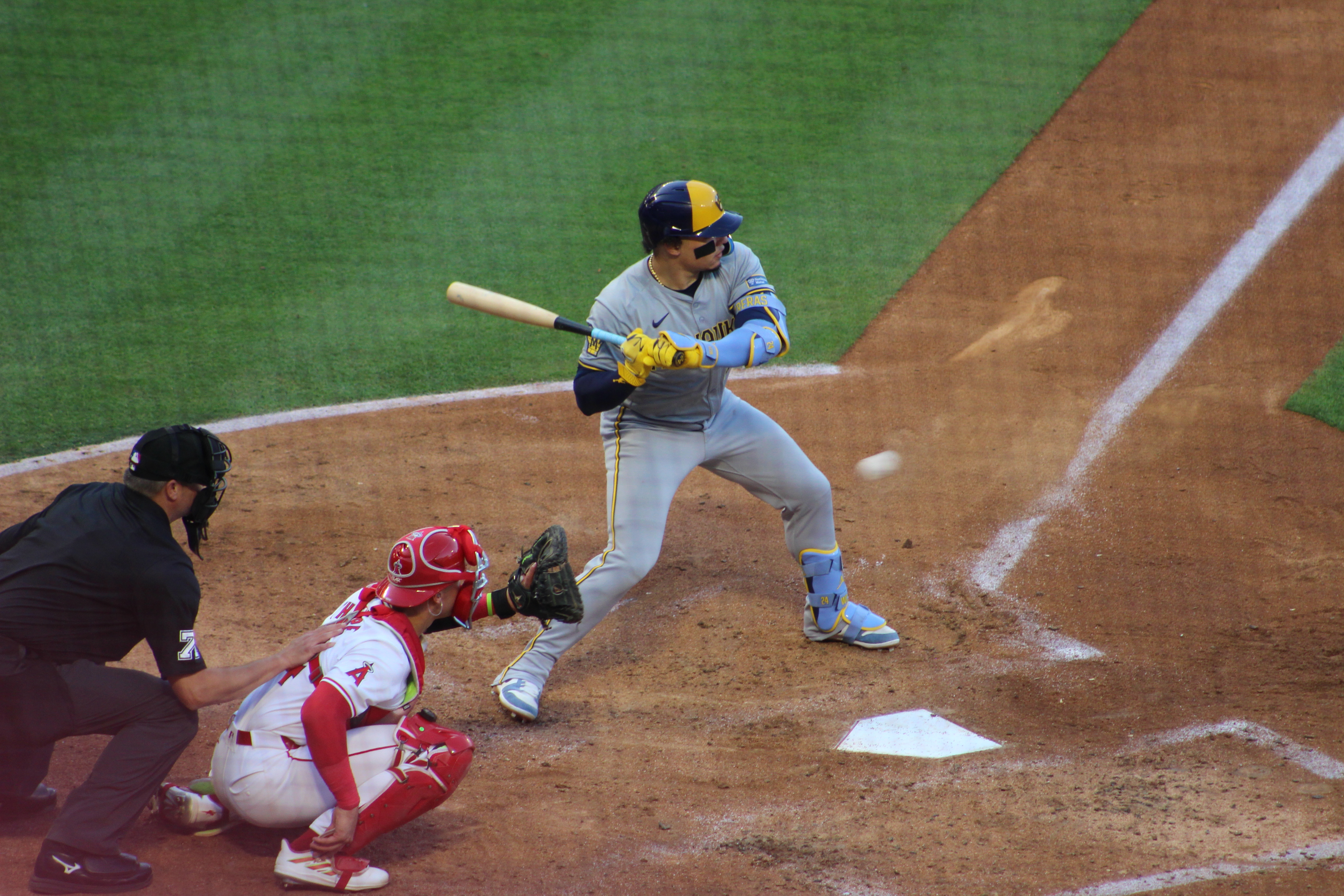
Here is the 2026 regular season, as Carswell tabulated it. The Brewers posted a hard-hit rate of 40.3 percent — seventh in baseball, respectable enough — but a barrel rate of just 7.4 percent, 20th of 30 teams and below the major-league average of 7.7 percent. The Rays were more extreme still: a 34.6 percent hard-hit rate and a 5.7 percent barrel rate, both ranked 29th, ahead of exactly one team in the sport. The league averages sat at 38.6 percent hard-hit and 7.7 percent barrels. By the measurements the modern game trusts most, Tampa Bay’s offense should not have worked at all.
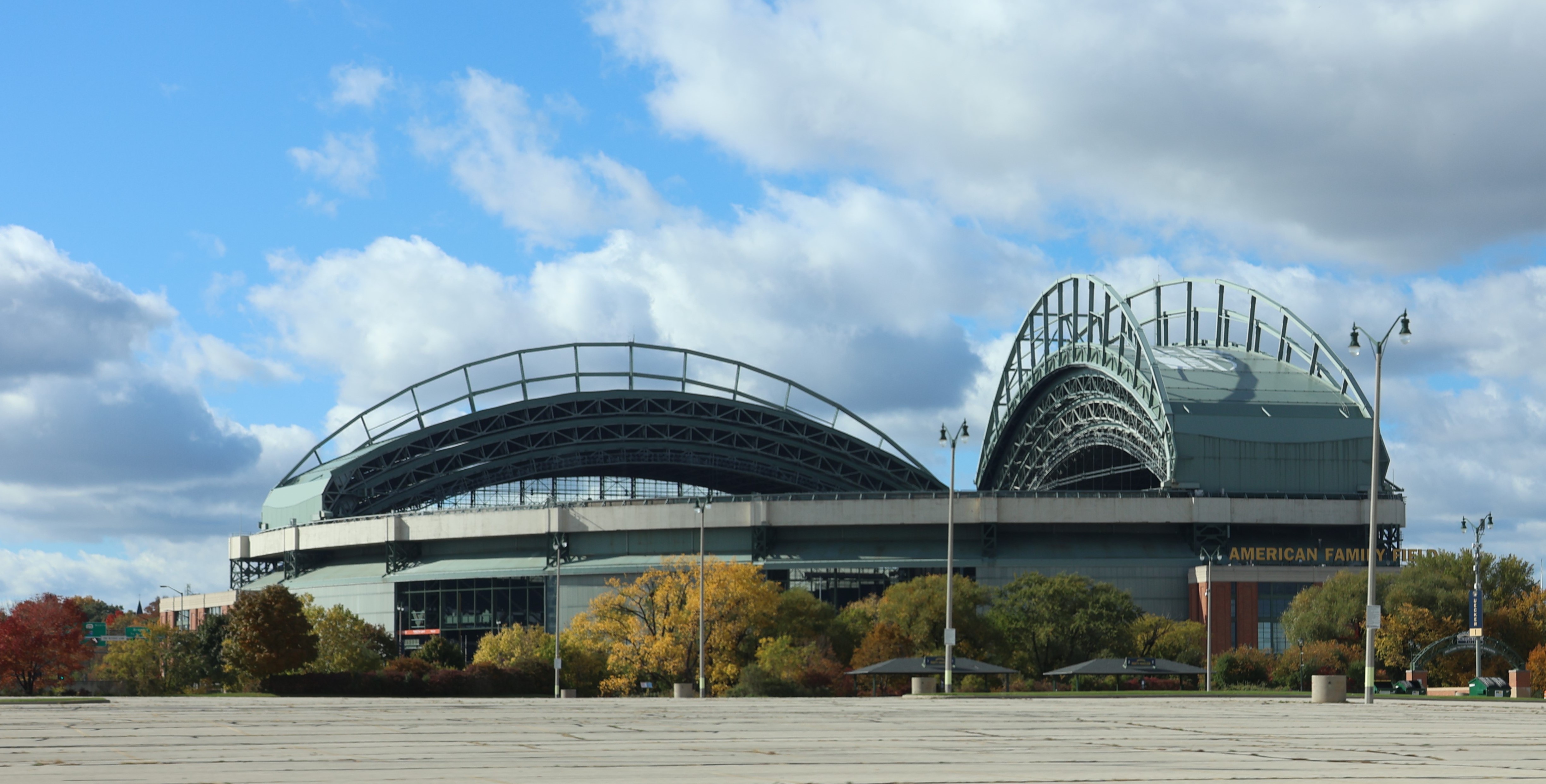
And yet both teams built top-six offenses, won 103 and 98 games respectively, and played each other for the championship. Milwaukee finished it in five, winning Game 5 by 4–1 at Tropicana Field on October 28 for the first title in franchise history, with catcher William Contreras named World Series MVP after batting .381. Sports Illustrated’s postseason review reached the same conclusion from the eye test: Milwaukee’s first title, SI wrote, was won through an uncommon commitment to selfless baseball, and the Brewers neither played nor were built like the typical modern champion.
What they did instead
Carswell’s point — and it is the right one — is that there is more to hitting than bat speed and exit velocity. A barrel is one kind of damage. It is not the only kind. Line drives that find grass, at-bats that run a starter’s pitch count into the bullpen by the fifth, contact that moves a runner instead of striking out behind him: none of it glows on a Savant leaderboard, and all of it showed up, night after night, in the two lineups that outlasted the league.
Think about how the World Series itself played. Milwaukee’s wins were not home-run contests. The Brewers took Game 1 by 3–2, came back from four runs down to steal Game 2 by 5–4, and closed the series with another early lead protected to a 4–1 finish. Tampa Bay’s only win needed twelve innings and a pinch-hit walk-off single. That is what these offenses were: relentless rather than explosive, built to put the ball in play, pressure a defense, and take the extra base when it was offered. The Rays ranked near the bottom of baseball at hitting the ball hard and still dragged the American League’s pennant race across six games of an ALCS. At some point the anomaly stops being an anomaly and starts being a method.
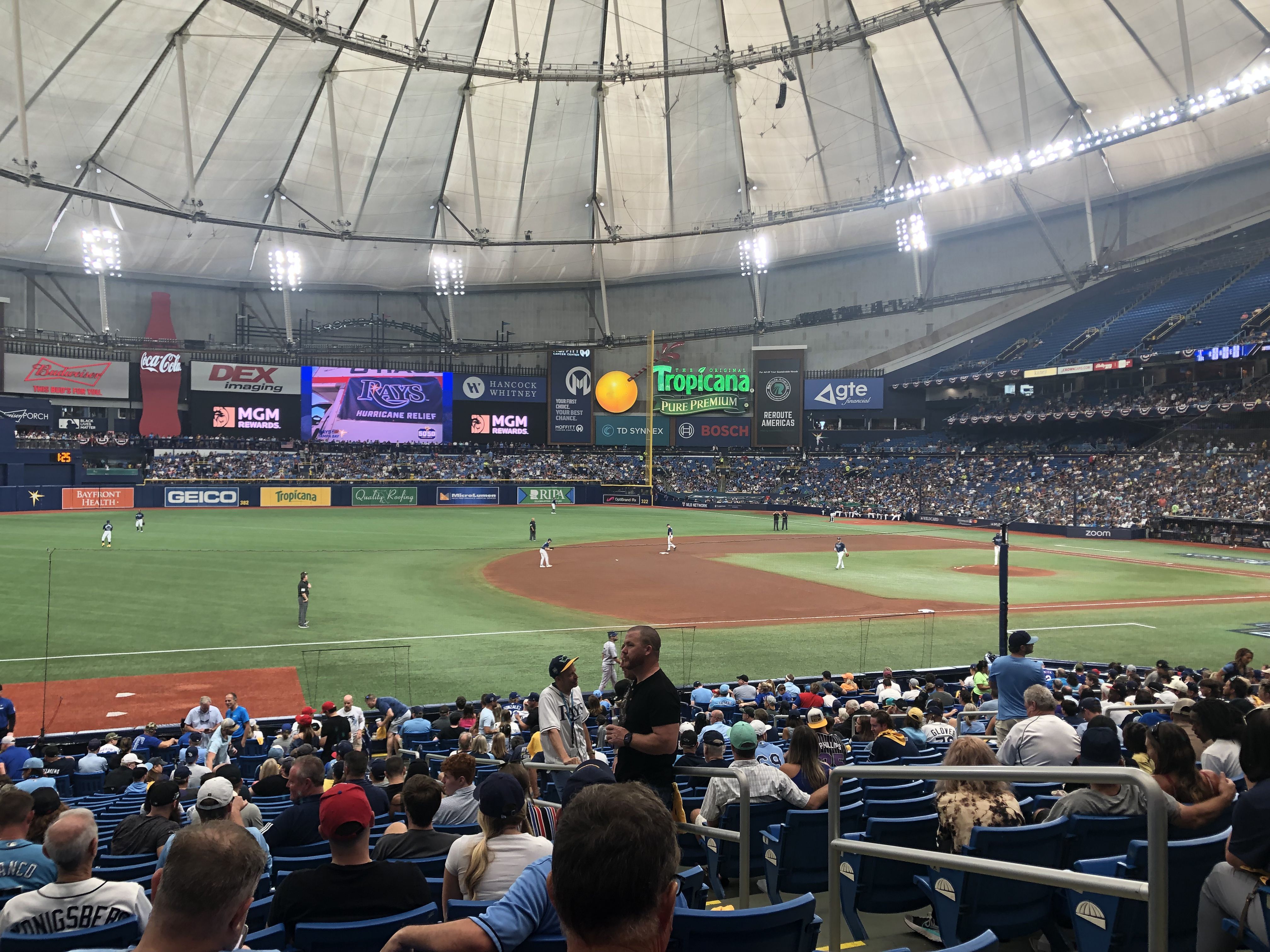
This is not an argument that power is dead. The teams that hit the ball hardest will keep winning plenty, and nobody in Milwaukee is turning down a 40-home-run bat this winter out of principle. It is an argument about pricing. Every offseason, the market pays its premium for the loudest measurable skills — the exit velocities and barrel rates that photograph well in a front-office presentation. The 2026 season just produced a five-game World Series between the two rosters that got the least of that skill and the most out of everything else.
There is a front-office lesson in there, and a fan’s lesson too. The fan’s version is simpler: the two most watchable offenses in baseball this year were the ones that kept the line moving. The Brewers are champions, the Rays are pennant winners, and the spreadsheet that said neither lineup should work is sitting in a drawer somewhere, waiting for somebody to ask it a better question.
📺 Milwaukee waits no more: the Brewers’ first title · Friday’s roundup: Imanaga, the option wave and awards week · MLB Stats Hub · Sports home
Sources · 5 sources
- Damage Hitter — Karl Carswell, “More to Hitting Than Bat Speed & Exit Velocity” — 2026 team hard-hit and barrel rates for Milwaukee and Tampa Bay, from Baseball Savant and FanGraphs (Nov. 6, 2026)
- Wikipedia — 2026 World Series — Brewers defeated the Rays 4–1; Game 5 finished 4–1 on Oct. 28 at Tropicana Field; William Contreras named World Series MVP after batting .381; Milwaukee 103–59, Tampa Bay 98–64
- Sports Illustrated — MLB coverage — Milwaukee’s first title won through an uncommon commitment to selfless baseball; the Brewers were not built like the typical modern champion (Nov. 2026)
- Polymarket Trader / championship record — 2026 World Series game-by-game record — Games 1–5 scores and dates, settled Oct. 29, 2026
- NBC Sports — Milwaukee Brewers win first World Series title — an 11–2 postseason run to the franchise’s first championship (Nov. 2026)