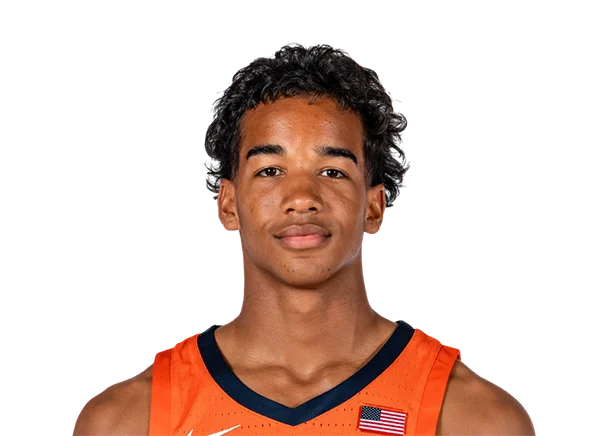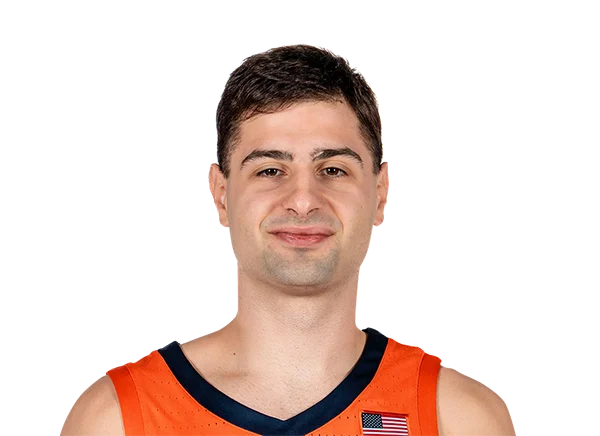
The 2026 season was the one Illinois had been waiting 21 years for. Brad Underwood's Illini cut through March and reached the Final Four in Indianapolis — the program's first since the 2005 title-game run — before falling to UConn in the national semifinal. It was the capstone of Underwood's ninth season in Champaign and the program's sixth straight NCAA Tournament, with tournament wins in five of those postseasons. Keaton Wagler's 17.9 points per game led the way, and when the season ended, Underwood's message to the locker room was simple: come back, and let's do it again. Almost all of them did.
That return is what makes the 2026-27 season one of the most anticipated in program history. Illinois enters the year ranked No. 3 in RotoWire's preseason rankings with 57.3 percent of its minutes back — the third-most returning production in the Big Ten and 23rd nationally, per barttorvik.com. The tenth season of the Underwood era is not a rebuild; it's a reload, and with this much continuity, the Illini are positioned to win the Big Ten and make a genuine run at a national championship.
The frontcourt is the most intimidating in college basketball. Tomislav Ivisic, the 7-foot-1 senior center, returns after averaging 10.2 points per game as the Final Four starter, and his brother Zvonimir Ivisic — 7-foot-2, a senior, 6.4 points per game off the bench — gives Illinois a sibling duo no other program can match for sheer size. Both Croatians anchor a rotation that can switch, shoot, and pound the glass, and their development is the bedrock of everything the Illini do on both ends.
David Mirkovic may be the best sophomore in the Big Ten. The forward started 35 of Illinois' 36 games last season as a freshman and finished as the team's third-leading scorer at 13.6 points per game, and he was the first name on the list when Big Ten Media Days invitations went out — he and Andrej Stojakovic will represent the Illini in Rosemont on October 8. Stojakovic, the 6-foot-7 senior wing who came to Champaign via Stanford and Cal, averaged 13.5 points per game last season and gives Illinois a driving threat on the wing that few teams can replicate.
The season's great new piece is also its most important. Stefan Vaaks, a 6-foot-7 point forward who transferred from Providence after averaging 15.8 points per game and earning Big East All-Freshman honors, is the only portal addition Underwood signed — and he may be the most valuable. Vaaks is a lethal three-point shooter and the natural replacement for Keaton Wagler's scoring and playmaking, and the Estonian League champion is expected to slot straight into the starting lineup from day one.
Then there's the freshman class — six deep, headlined by five-star guard Quentin Coleman, the No. 13 player in the country. Coleman is one of the top pure shot-makers in the 2026 class and has a real chance to start immediately, possibly even at the point. Four-star guard Lucas Morillo (No. 52) brings more scoring punch, and four-star forward Zavier Zens, forward Landon Davis, guard Ethan Brown, and guard Lincoln Williams round out a group that gives Underwood the deepest roster of his tenure.
What left is real. Wagler took his scoring to the NBA Draft, Kylan Boswell graduated after giving Illinois its defensive identity on the perimeter, and Ben Humrichous exhausted his eligibility. Several other backcourt pieces entered the portal. That's 36 points of production gone — most of it creation off the dribble — which is exactly why Vaaks and Coleman carry so much weight this season.
Underwood's biggest challenge isn't talent — it's minutes. Senior forward Jake Davis earned a starting role late last season through rebounding, defensive grit, and high-IQ spacing, and he'll fight to keep it. Redshirt sophomore big man Jason Jakstys is back from an injury-plagued year, and sophomore guard Blake Fagbemi needs developmental minutes. Balancing the veterans' chemistry against the newcomers' ceilings is the season's defining coaching puzzle.
All of this sits on one of the richest foundations in the sport. The 2005 team — Deron Williams, Dee Brown, and Luther Head's 37-2 masterpiece under Bruce Weber — played for the national championship and remains the program's modern soul. The 1989 Flyin' Illini, Lou Henson's high-flying Final Four team with Nick Anderson and Kendall Gill, made the program a national obsession. Henson's two decades (1975-96) built the golden age; Bill Self's three seasons bridged to Weber's brilliance; and the 2024 Elite Eight run announced the Underwood era's arrival on the national stage.
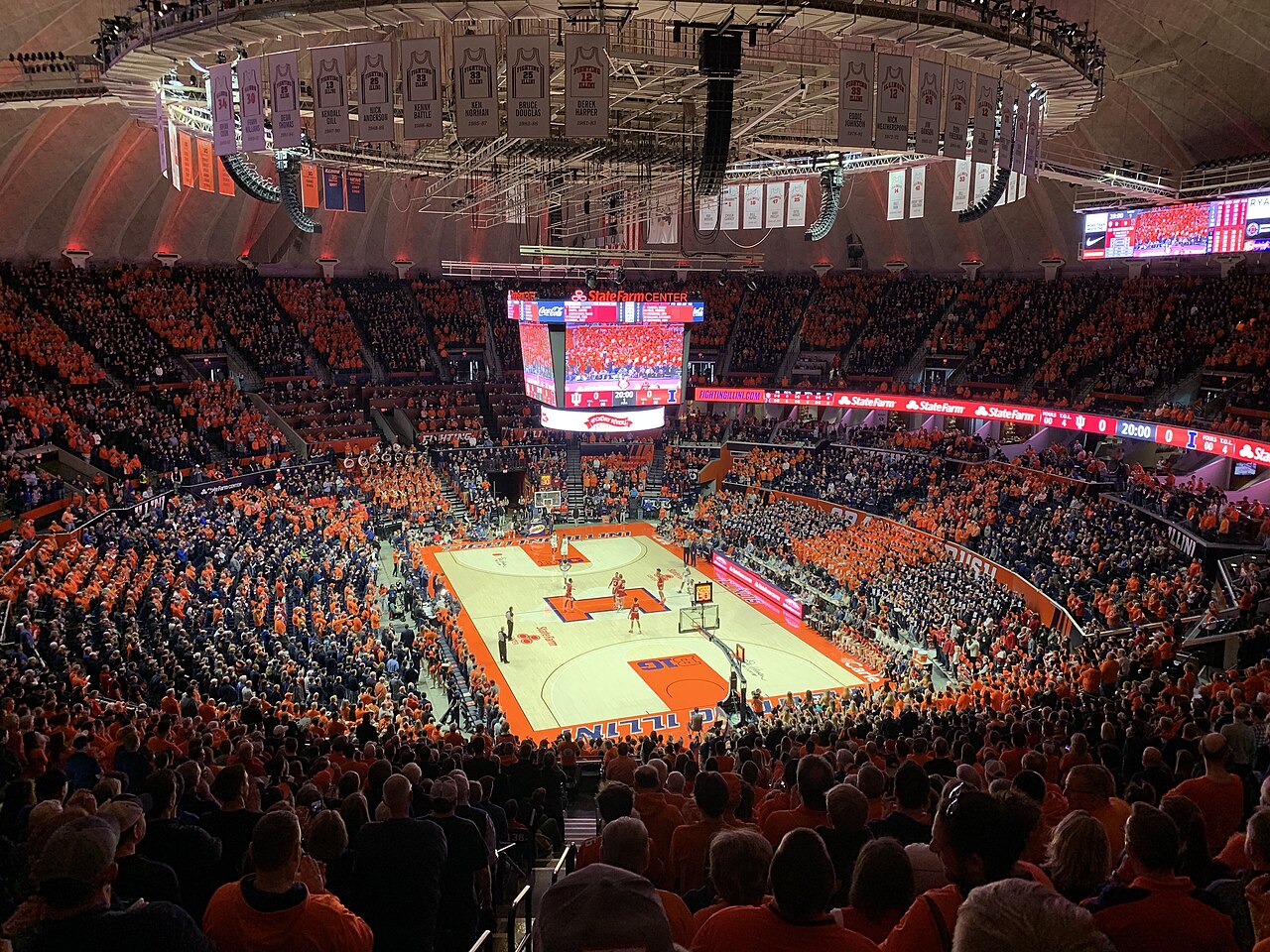
The State Farm Center is where it all happens — 15,500 seats in Champaign, home to the Orange Krush, the student section that makes Illinois one of the toughest trips in the Big Ten. When the Illini are rolling, the building is deafening, and last March's run reminded everyone what it sounds like at full volume.
The Big Ten wars define every season: Indiana is the rivalry, and Michigan, Purdue, and Michigan State are the annual gauntlet. Illinois opens the media cycle at Big Ten Media Days on October 8, hosts its local media day the following Friday, and then begins the chase for another Big Ten title — one regular-season crown and two conference tournament championships are already on the Underwood résumé. The Chicago recruiting base remains the program's lifeblood.
What defines Illinois right now is the reload: a Final Four core that chose to come back, the Ivisic twins' size, Mirkovic's sophomore leap, and Underwood's international pipeline turning Champaign into a destination for the world's best young talent. The 2005 magic is the standard; the Orange Krush is the noise. The mission this season is simple — the program's first national championship in the modern era.