Nobody in college basketball authored a more dramatic turnaround last season than Tulsa. The Golden Hurricane went from 13 wins to 30, from the bottom of the American Conference to the NIT championship game — a 30-8 campaign that ranks as the second-winningest season in program history. The ride ended in overtime heartbreak, a 92-86 loss to Auburn in the NIT final at Gainbridge Fieldhouse in Indianapolis, after Tulsa rallied from a 21-point first-half deficit to force the extra period. Senior David Green scored 25 points, 15 of them in overtime; Tylen Riley added 20. The loss stung. The season changed everything.
The architect is Eric Konkol, entering his fifth season in Tulsa. Hired in March 2022 from Louisiana Tech — where he went 153-75 in seven years with six 20-win seasons — Konkol inherited a teardown. His first team went 5-25. Then 16-15. Then 13-20, a step back that tested everyone's patience. Then, in year four, the explosion: a record-breaking three-point shooting team that played with what Konkol calls "Attitude, Commitment, Class" — a Jim Larrañaga-inspired framework of energy, dedication, and professionalism. The 30-win season announced Konkol's program as a force, not a project.
There was history in the NIT run beyond the wins. Tulsa owns two NIT championships — 1981 and 2001 — and the 2026 final was a bid for a third. The semifinal rallies and the championship-game comeback against Auburn, from 34-13 down to a late five-point lead, showed a team's character in full. Tulsa came up short, but the program walked out of Indianapolis with its reputation rebuilt and its fan base re-engaged.
That history is worth remembering, because Tulsa's basketball tradition is deeper than the recent lean years suggested. The Golden Hurricane have 16 NCAA tournament appearances, three Sweet Sixteens, 11 conference titles, and six conference tournament championships. The 2000 team, coached by Bill Self in his final season before Illinois, went 32-5 and reached the Elite Eight, falling to North Carolina one game from the Final Four. Tubby Smith's teams of the early 1990s made back-to-back Sweet Sixteens; Nolan Richardson built the 1980s foundation. The 2001 NIT champions — coached by Buzz Peterson, with a young Eric Konkol on staff as a graduate assistant — remain one of the program's beloved teams.
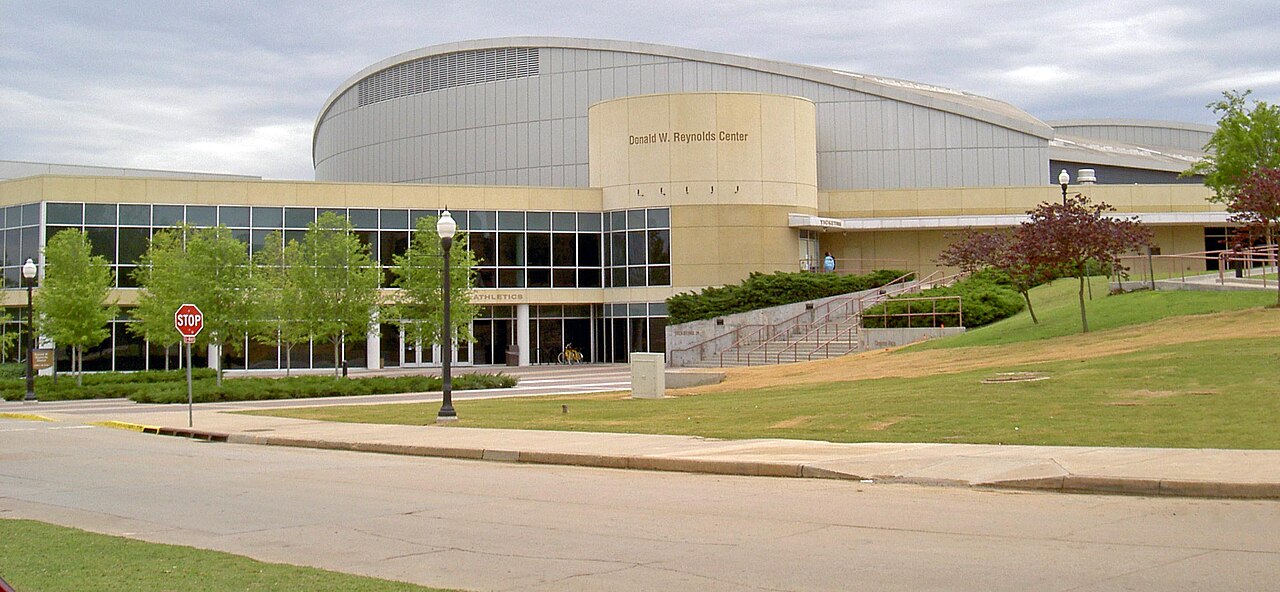
The Reynolds Center, opened in 1998, is the program's home and its statement — an 8,355-seat arena on the Tulsa campus that rocks when the Hurricane are good. Last March it was, and the building's energy became part of the story: Tulsa defended its home floor relentlessly during the 30-win run, and the crowds grew louder as the wins piled up. A program with this tradition and this building was never going to stay down for long.
Konkol's rebuild has followed a clear recruiting philosophy: find shooters, develop them, and build around high-character, complementary rosters. The program's staff continuity has been a quiet advantage — Konkol brought his Louisiana Tech operation with him and kept it intact through the losing seasons, betting that the process would eventually show up in the results. The three-point records and the 30 wins suggest the bet paid. The staff's player-development track record includes PJ Haggerty, who won American Conference Freshman of the Year honors under Konkol before transferring on.
The 2026-27 roster is the next test of the machine: significant turnover, high expectations. Gone are Green and the senior class that authored the turnaround; back are key contributors including Romad Dean, the senior forward from the Bahamas; guards Terrance Ford Jr., Myles Rigsby, and Tylen Riley; sophomore center Doryan Onwuchekwa; Tyler Behrend; Ian Smikle; Ade Popoola; and Tulsa natives Carter Benton and Cal Conroy. Around them, Konkol imported one of the American's most decorated transfer classes: Kobi Williams, the Missouri State guard who averaged 14.4 points last season; Jeremiah Johnson, who put up 15.2 a game and shot 37.4 percent from three at Campbell; plus Chris Loofe, Mike Williams III, Derelle Desire, Brent Moss, 7-foot Serbian center Aleksa Dimitrijevic, and Macon Emory.
Expectations have followed. Tulsa enters the season ranked second in the American's preseason power rankings, behind only a loaded Wichita State — a stunning climb for a program picked near the bottom two years ago. The league office's scheduling reflects the new reality: Tulsa drew home-and-away series with Wichita State, South Florida, UAB, North Texas, Florida Atlantic, and UTSA, plus a home date with Tulane and trips to Memphis, Temple, and Rice. The nonconference slate features the Texas Legends College Classic and the annual Mayor's Cup rivalry with Oral Roberts, which opens the home schedule on November 11.
The question is whether 30 wins was a peak or a plateau. Konkol has been here before — at Louisiana Tech he built a consistent 20-win machine — and his method is famously process-driven: game-based practices, advantage drills, shooting development measured by tests like the five-minute threes drill, and a defense built on sprinting back and physicality. The roster is younger and less proven than last year's, but the system is the same, and the system just produced the second-best season in school history.
There's also a longer horizon coming into view. Tulsa's 2027 recruiting class — headlined by Florida wing Anthony Brown and Texas forward Braedon Moton — sits in the national top 80 and fourth in the American, a sign that the program is now recruiting from a position of strength rather than hope. The pipeline that Konkol built at Louisiana Tech is being rebuilt in Tulsa, one class at a time.
For the city, it matters. Tulsa is a basketball town with a football program that has had its moments and a university that punches above its weight athletically. The Golden Hurricane's 1980s and 1990s runs made the Reynolds Center one of the toughest road trips in the country; the 2026 season was the first real taste of that feeling in a generation. The standard now is clear: contend for the American, play in March, and hang banners. Thirty wins raised the bar. This season is about proving the bar is the new normal.