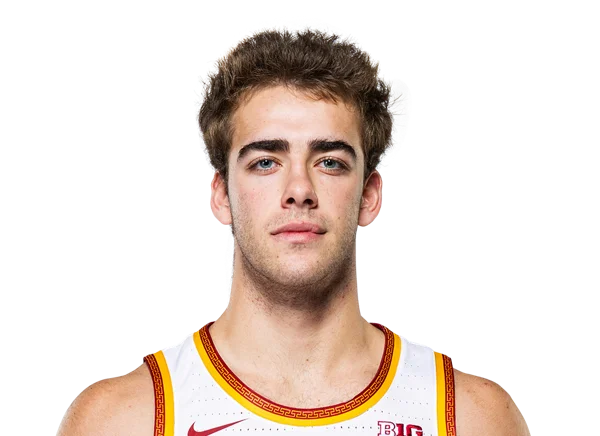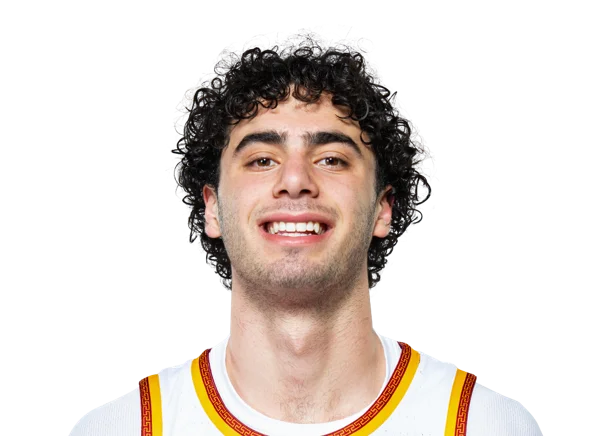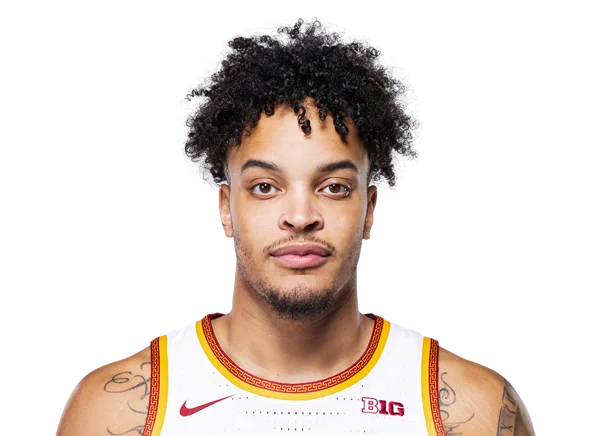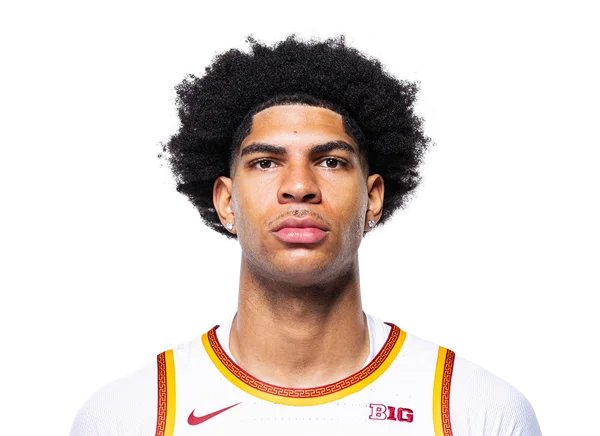
Eric Musselman doesn't do rebuilding years quietly. When USC pried him away from Arkansas in the spring of 2024, the Trojans weren't buying patience — they were buying March. Two seasons in, the results have been a study in almost: 17-18 in year one, 18-14 in year two, a combined 35-32 record, and a program that has now missed three straight NCAA tournaments. Last season ended with eight consecutive losses and a 7-13 Big Ten record. Musselman knows the score. "The talent level is at a different spot than it has been," he said this summer. "Deep team, long, we just gotta get through the injuries." Translation: this is the year the excuse window closes.
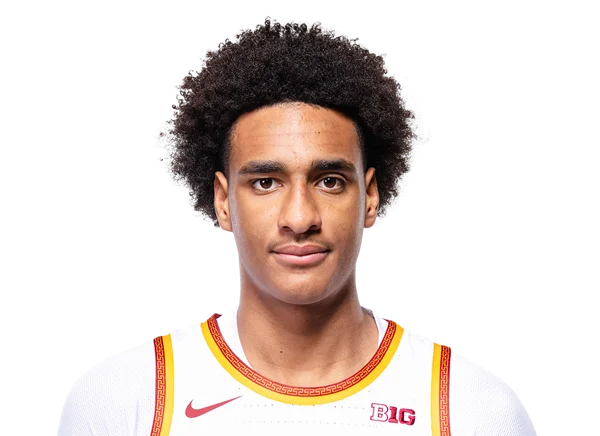
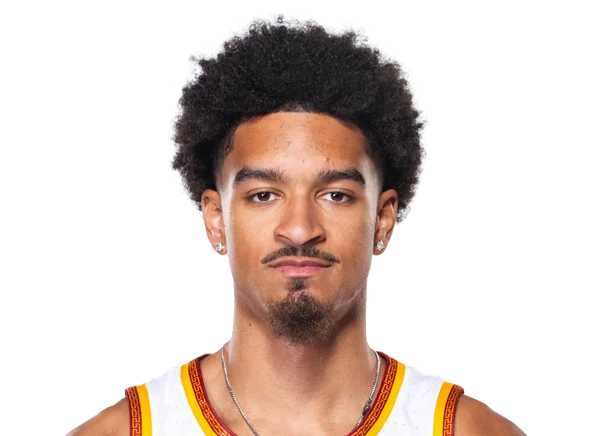
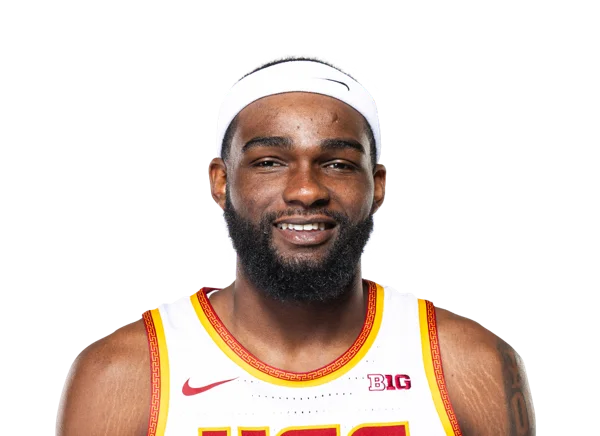
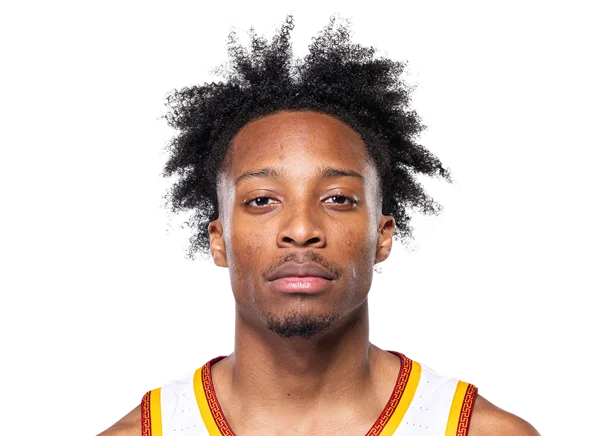
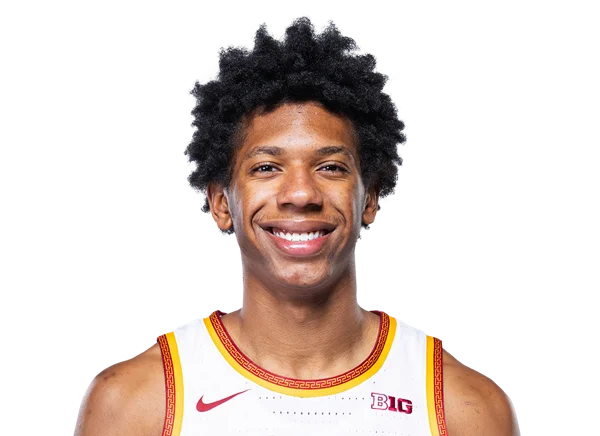
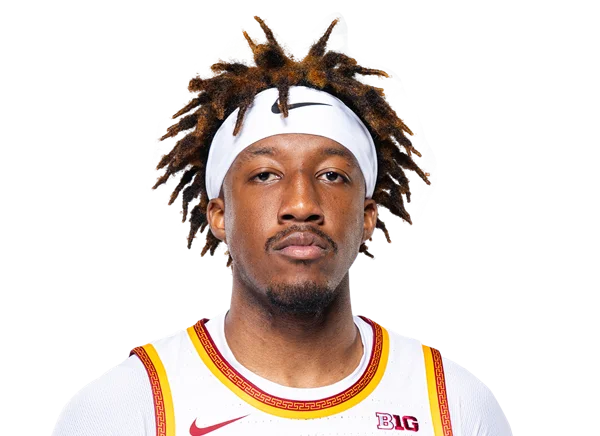
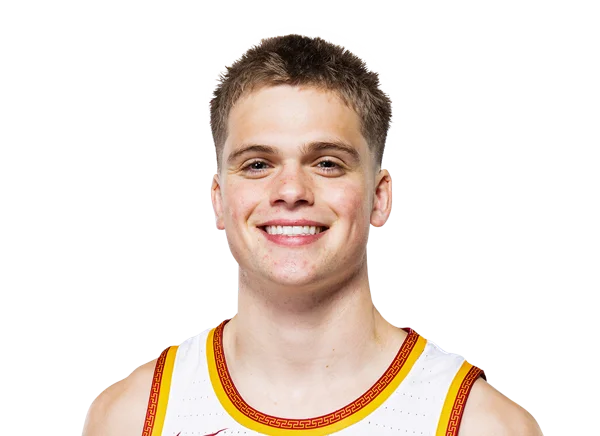
The case for belief starts with the three returning starters — and it starts at the top of the marquee. Alijah Arenas, the 6-foot-6 guard from Woodland Hills and the son of Gilbert Arenas, arrived as one of the most hyped freshmen in program history, and Musselman built last year's offense around his scoring gravity. Alongside him returns Rodney Rice, the junior guard whose steadiness keeps USC's sometimes-chaotic offense organized, and Jacob Cofie, the 6-foot-10 sophomore forward who started every game a year ago — then flirted with the NBA draft before deciding the Galen Center still had work for him. Bringing Cofie back may be the single most important transaction of USC's offseason.
Around that core, Musselman assembled what the New York Post called the best roster of his USC tenure — and one of the most fascinating in college basketball. The headliner is Christian Collins, the McDonald's All-American from St. John Bosco who can play the two, the three or the four. Collins also carries a story bigger than basketball: he plays with cystic fibrosis, a genetic disease that attacks the respiratory and digestive systems, and USC's medical staff cleared him without any minutes restriction. "He wants to bring awareness to what he's playing with and that you can play even while diagnosed with something of that nature," Musselman said. Collins should become an instant fan favorite at Galen.
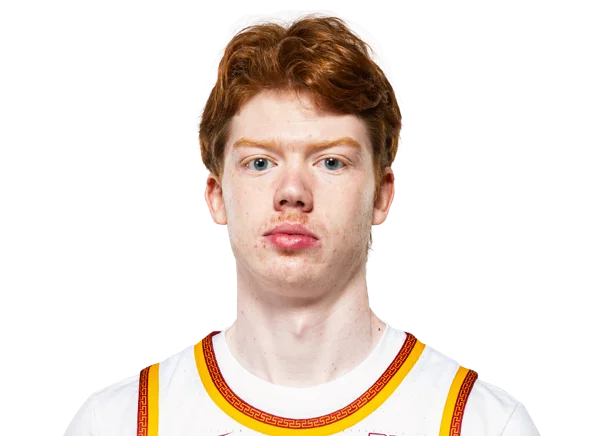
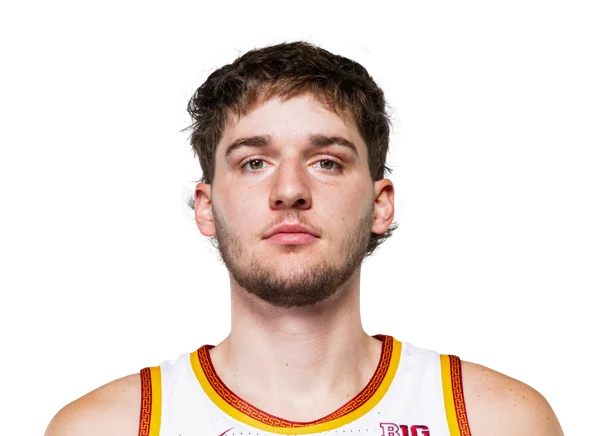
Then there are the twins. Freshman 7-footers Adonis and Darius Ratliff — both top-30 national recruits — give USC a pair of mobile big men who shoot threes in bunches. Adonis will play both forward spots; Darius will man power forward and center. Musselman has essentially given Adonis the green light to chase the school's single-season three-point record — 93, set by Glen Miller in 1992-93 — from beyond the arc. That's not a typo: a 7-footer, hunting a program three-point record. Add 7-foot-1 UConn transfer Eric Reibe — himself a McDonald's All-American who played sparingly as a freshman behind Tarris Reed — and USC suddenly has the kind of length that changes the geometry of a game. Reibe brings pedigree and a stretch-big skill set, and the leap from freshman to sophomore year is where college players usually bloom.
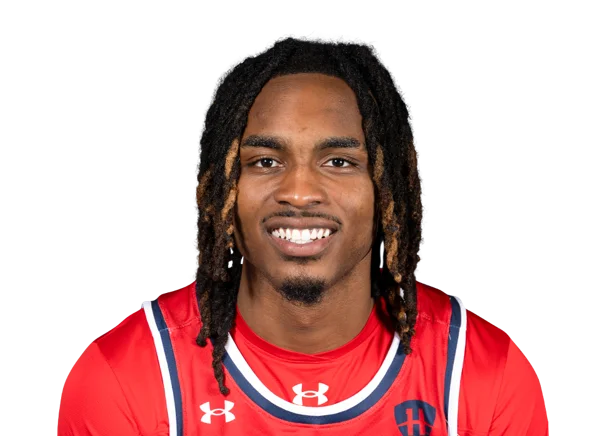
The backcourt depth got a full renovation too. Georgetown transfer KJ Lewis, South Dakota's Isaac Bruns, Lindenwood's Jadis Jones, Colgate point guard Jalen Cox and Hawaii's Aaron Hunkin-Claytor give Musselman five portal guards, and the Evansville transfer Joshua Hughes adds frontcourt toughness. Adding two true point guards in Cox and Hunkin-Claytor was deliberate: Musselman felt the offense lacked organization in his first two seasons, and the fixes are now on the roster. The wild card is Onyeka Joe Agu, the young international big with the wingspan to matter in year one.
The schedule gives this roster room to build a résumé — and big stages to prove it. USC released its full 2026-27 non-conference slate in August: three exhibitions, including a date with North Carolina on Oct. 9 in Greensboro, before a regular-season opener at home against Milwaukee on Nov. 2. The Lake Tahoe Classic brings Wichita State on Nov. 8, a trip to California follows on Nov. 11, and then comes a three-game Galen Center homestand against Arkansas-Pine Bluff, Tarleton State and Louisiana. The Acrisure Series in Palm Desert offers the statement chances: South Carolina on Nov. 25, Utah State on Nov. 26. December brings a road date at San Diego on Dec. 8, a trip to Fort Worth for Texas Tech on Dec. 13, and home closers against Jacksonville and Western Michigan.
And then the Big Ten — college basketball's toughest neighborhood — delivers the swing games. This year, Michigan and Michigan State both come to Galen Center. Last season the Trojans had to travel for both and lost each by double digits; this year the Spartans walk into Los Angeles with guard Jeremy Fears Jr. and high-wire forward Coen Carr leading a Final Four-or-bust group, and Michigan arrives with Elliott Cadeau and Trey McKenney running the show under new coach Mike Boynton Jr. USC also gets crosstown rival UCLA at home on Feb. 13 before the return trip March 6 — the twice-a-winter war that defines every Trojan season.
The history looms over all of it. USC basketball's two Final Fours came in 1940 and 1954 — sepia-toned banners from another era — and the program's only Elite Eight of the modern era came in 2021, when freshman phenom Evan Mobley carried the Trojans past Kansas and Oregon before Gonzaga ended the dream. (Mobley went No. 3 overall in that summer's NBA draft; the 2001 Elite Eight, which fell to Duke, was the previous near-miss.) The lineage runs deeper than that: Bill Sharman starred at USC from 1946-50 before becoming a Hall of Fame Celtic, a four-time champion as a player and an innovator as a coach. O.J. Mayo, DeMar DeRozan, Nick Young, Evan Mobley — the Trojan-to-pros pipeline is real. But the banners haven't kept up with the pipeline, and in a football-mad city, USC basketball has always fought for oxygen.
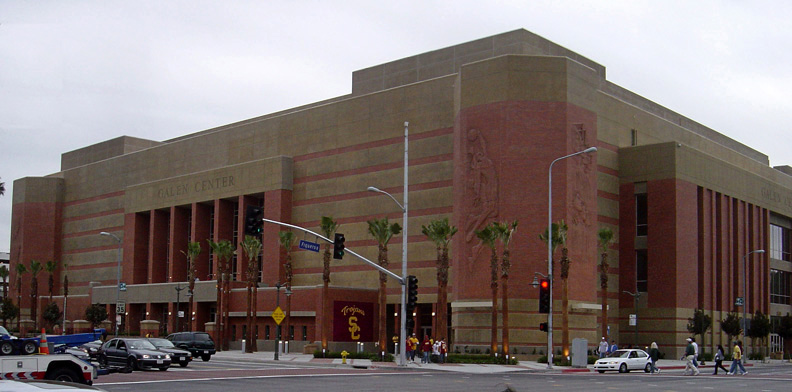
Galen Center is the program's home-field advantage in that fight: 10,258 seats in the heart of Troy, a building that shakes when the Trojans are good and the Cardinal and Gold faithful are loud. Year three of the Musselman era is the season when the building should shake again. Three straight tournaments missed. A deep, long roster. The biggest home dates in years. The excuse window is closed — and in Los Angeles, Trojan basketball is done being the other team.