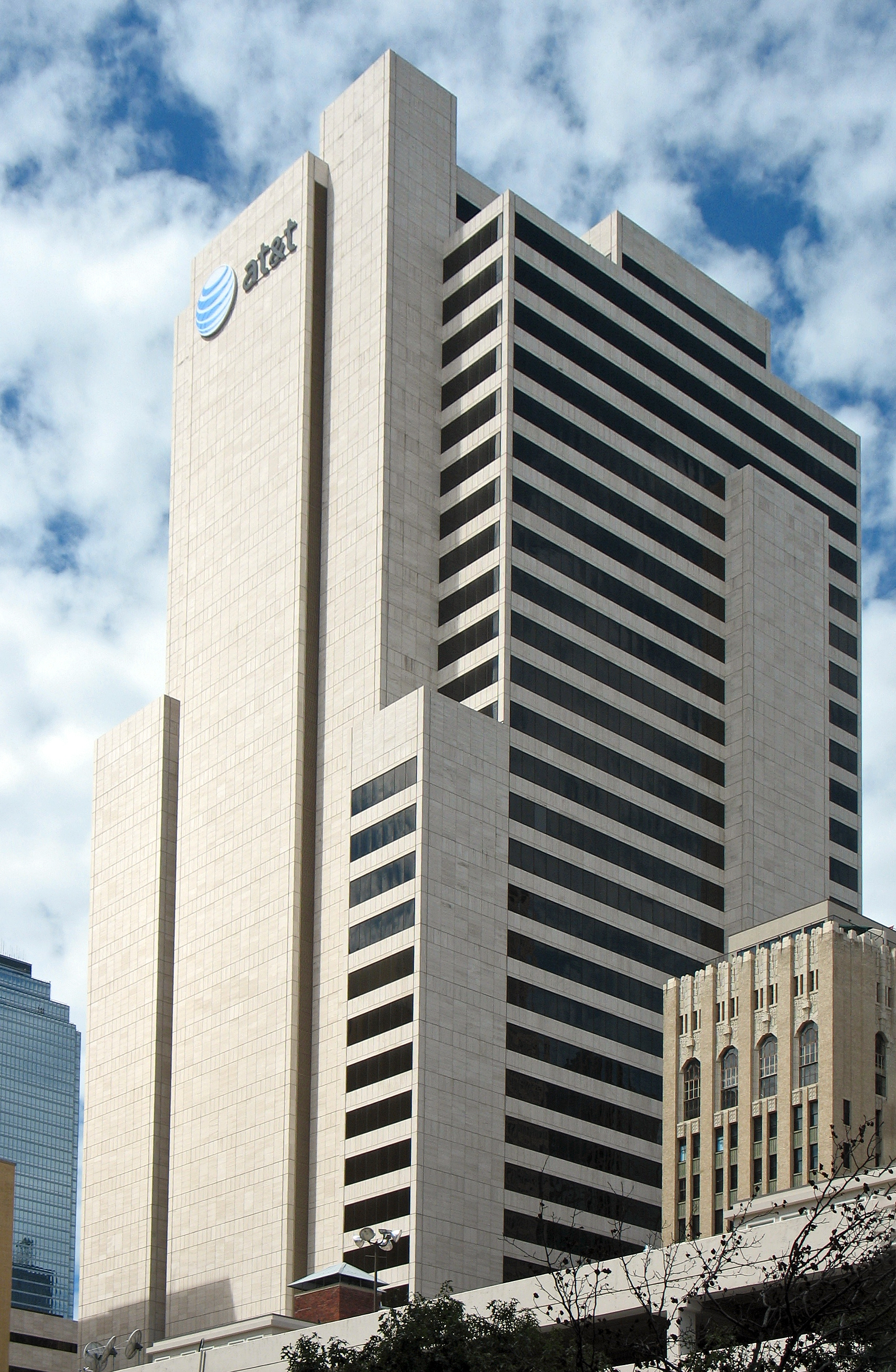

AT&T is not supposed to surprise anybody. It is the phone company — the steady, dividend-paying, slightly sleepy phone company. But on Wednesday morning, October 21, 2026, before the opening bell, AT&T reported a third quarter that beat Wall Street on both the top and bottom lines, extended its streak of earnings beats to four straight quarters, and delivered what the company itself billed as its best consolidated service revenue growth in more than four years. For a stock that had spent 2026 going the wrong way, it was exactly the kind of morning the company needed.
The numbers: a beat on profit, a beat on revenue
Adjusted earnings came in at $0.65 a share, ahead of the $0.61 Zacks consensus estimate — an earnings surprise of 6.56% — and well above the $0.54 a share AT&T earned in the same quarter a year ago. Revenue rose to $32.32 billion, up 5.3% from $30.71 billion a year earlier, and beat the consensus estimate by 2.02%. This was the fourth consecutive quarter in which AT&T has beaten the EPS consensus, a consistency streak that matters for a company whose investment case rests on being predictable in the right ways.
Service revenue was the headline inside the headline. The growth rate was the strongest the company has posted in more than four years, which tells you the core subscription business — not equipment sales, not one-off items — is doing the lifting. Telecom earnings reports are full of numbers that can be made to look good for a quarter. Service revenue is harder to fake, because it is the recurring money customers pay every month for connectivity itself. When that line grows at a four-year-best pace, the business underneath it is genuinely moving.
What drove it: fiber, wireless — and a deal that closed in Q1
The engine was Advanced Connectivity, AT&T’s name for its modern wireless and fiber businesses. Wireless service and equipment revenue grew, fiber revenue grew, and the fiber business got a structural boost from the acquisition of Lumen’s mass-markets fiber business, which closed in the first quarter and folded a ready-made fiber footprint into AT&T’s own buildout. That deal is central to the company’s pitch: rather than only trenching fiber neighborhood by neighborhood, AT&T bought scale, and the third quarter is the kind of print that pitch is supposed to produce.
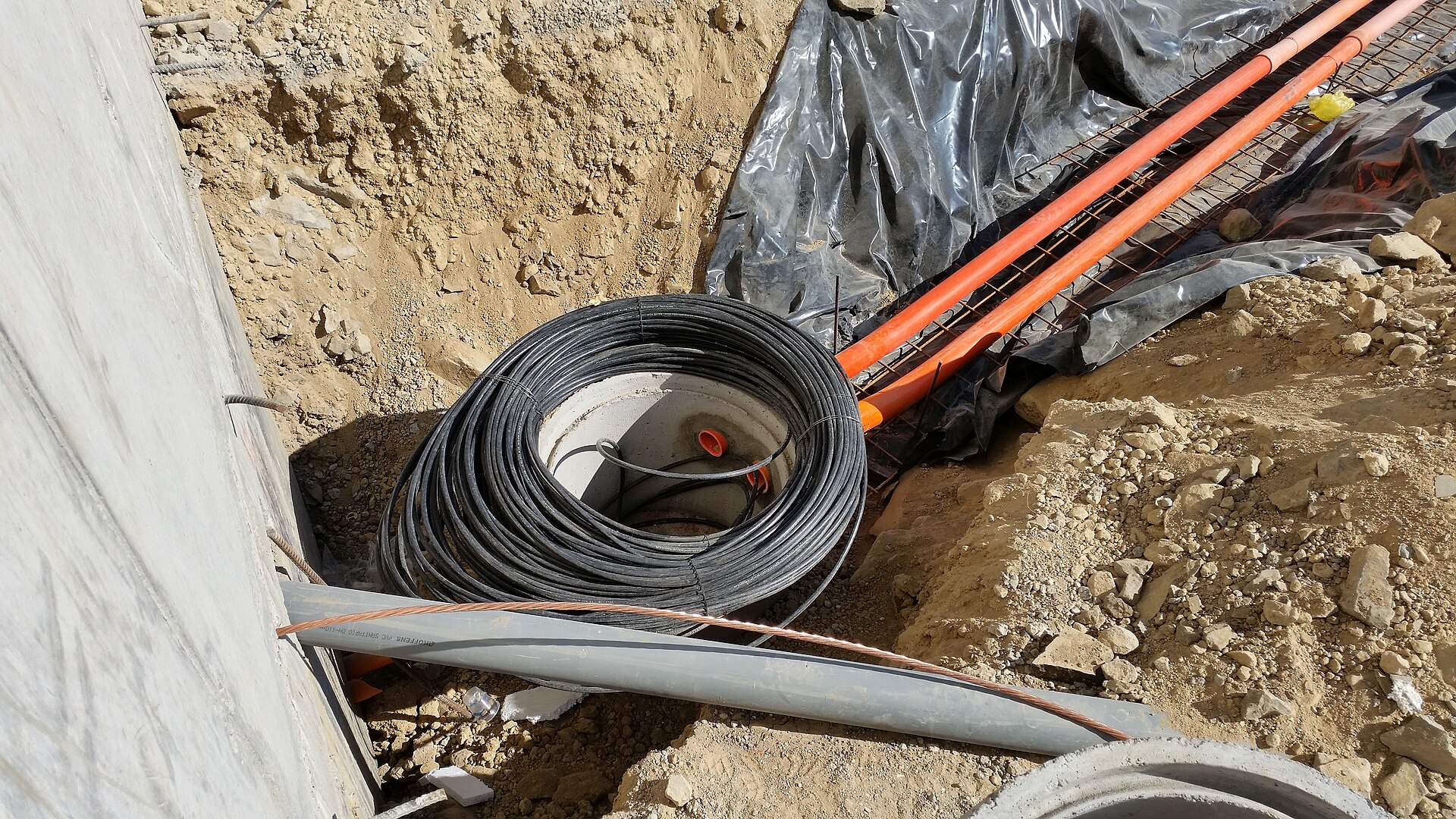
Latin America helped too, with revenue higher on favorable foreign-exchange effects and postpaid subscriber growth. The counterweight, as ever, was Legacy — the old copper-based business AT&T is steadily decommissioning. Legacy revenue declined again, and the company is explicit that this is by design: copper is being retired, and the legacy business is expected to shrink by more than 20% in 2026 on its way to becoming immaterial by the end of 2029. There is something almost poetic in it — the network that built the original AT&T is being switched off on a published schedule, and the company now reports its decline as a milestone rather than a problem.

The messy line: $28.2 billion of expenses, and a $2.6 billion write-down
If the revenue story was clean, the expense story was not, and honest readers should sit with that for a moment. Operating expenses rose to $28.2 billion from $24.6 billion a year ago. The biggest single item was a $2.6 billion non-cash impairment tied to the Mexico wireless business, which is now classified as held for sale — accounting language for a business AT&T is preparing to exit, written down to what it is expected to fetch. On top of that came employee separation charges, higher wireless equipment costs, higher advertising spending and higher bad-debt expenses.
Some of that is simply the cost of transition — separation charges and a Mexico write-down are what a company simplifying itself looks like on paper. Some of it, like bad debt and equipment costs, bears watching in the quarters ahead. Either way, the quarter’s message splits in two: the growth business is genuinely growing, and cleaning up the old one is genuinely expensive. Both things are true at once, and AT&T’s report does not pretend otherwise.
Why the stock needed this
Context matters here, because AT&T did not walk into this report with momentum. According to Zacks, the shares were down about 5.7% year to date going into the print, against a gain of about 12.7% for the S&P 500 — a gap of more than eighteen points that captures the market’s skepticism in a single comparison. Investors have heard versions of the fiber-and-wireless convergence story before, and the stock’s performance said they wanted proof in the form of service revenue, cash flow and capital returns rather than strategy decks. A fourth straight earnings beat, the best service revenue growth in more than four years, and a reaffirmed multi-year outlook do not close that gap in a morning. But they are the raw material closing it would be made of.
The outlook: three years, spelled out
The outlook AT&T laid out for 2026 through 2028 was detailed, and notably confident in its shape. Consolidated service revenue is expected to grow at a low-single-digit rate annually across the period. Within that, Advanced Connectivity service revenue is expected to grow at a mid-single-digit rate — at 5% or better in 2026 — while Legacy service revenue falls by more than 20% in 2026 and fades to immaterial by the end of 2029. Adjusted EBITDA growth is expected in the upper portion of a 3% to 4% range in 2026, accelerating to 5% or better in 2028. Adjusted earnings per share are expected in the $2.40 range for 2026, with a double-digit three-year compound annual growth rate through 2028.
Capital spending stays heavy — $23 billion to $24 billion in 2026, easing to $22 billion to $23 billion in each of 2027 and 2028 — because fiber networks are not built with good intentions. Free cash flow is expected to follow the build: more than $18 billion in 2026, more than $19 billion in 2027, and more than $21 billion in 2028. It is, in effect, a promise that the spending hump and the cash returns can coexist, and it gives investors a scorecard to grade management against for the next three years.
The dividend, the buyback, and what happens next
For the income investors who own a large share of this stock, two lines mattered most. The dividend is maintained at $1.11 a share on an annualized basis — no raise, but also no hint of a cut, which, given the Mexico impairment and the spending plan, is itself a statement. And AT&T plans more than $24 billion of share repurchases across the period, with roughly $10 billion of that expected during 2026 alone. Put the pieces together and the capital picture is coherent: spend $23 billion to $24 billion building the network, generate more than $18 billion of free cash flow anyway, hold the dividend, and buy back stock at a pace meant to shrink the share count while the growth business compounds.
The next test came quickly. Management was set to walk investors through the quarter on the earnings call webcast at 8:30 a.m. ET on Wednesday, October 21, via investors.att.com, where the questions write themselves: how much of the service revenue strength is the Lumen fiber contribution versus organic growth, how the Mexico exit proceeds from held-for-sale to sold, and whether bad-debt and equipment costs cool as the year closes. AT&T has now beaten earnings estimates four quarters running and just posted its fastest service revenue growth in more than four years. The story the numbers tell is of two companies sharing one balance sheet — a growing fiber-and-wireless business, and a shrinking copper-and-cleanup business — and of a quarter in which, for once, the growing one clearly outran the other. For more of the morning’s earnings picture, see Previously’s 3M beat-and-raise, GM’s beat that the market sold anyway, and the rest of the Business Desk’s coverage.
Sources · 2 sources
- AT&T Inc. via PR Newswire — AT&T third-quarter 2026 results release (October 21, 2026)
- Zacks Investment Research — AT&T (T) Q3 2026 earnings versus consensus estimates (October 21, 2026)