
SpaceX’s second earnings report as a public company rewrote what the company is. The rocket company posted third-quarter revenue of $14.58 billion, up 161% from $5.6 billion a year earlier, and GAAP net income of $4.4 billion against a $1.1 billion loss in the same quarter last year — its first profitable quarter since the June IPO, according to TeslaNorth’s summary of the results released after Tuesday’s close, October 20, 2026. Shacknews put the revenue print at $14.575 billion against expectations of $12.59 billion, and MarketBeat recorded earnings of $0.35 a share against a $0.10 consensus estimate. Operating income was $2.8 billion and adjusted EBITDA reached $8.8 billion, up 306%, according to TeslaNorth. This is the back half of the doubleheader we previewed in Netflix and SpaceX Report Tonight — and where Netflix got punished for its guidance, SpaceX got rewarded for its present.
AI is now the biggest business
The headline inside the headline is the segment table. Super Intelligence revenue reached $7.56 billion, up 830% year over year, making it SpaceX’s largest segment, according to TeslaNorth, which attributed the surge to new cloud-services deals, Grok usage and the Cursor acquisition. Cursor, the AI coding company SpaceX closed on August 14 at a $60 billion implied equity value, contributed $608 million of revenue through September 30, TeslaNorth reported. The segment even turned an operating profit of $431 million, compared with a $1.3 billion loss the prior quarter, despite absorbing $1.2 billion in share-based compensation tied to the Cursor deal, and its adjusted EBITDA reached $5.0 billion. Nameplate compute capacity stood at 1.7 gigawatts as of September 30, up from 1.4 gigawatts at the end of June. Read that again slowly: a company the public still pictures as rockets and satellites now books more revenue from AI infrastructure and software than from internet service or launches — and it got there in a single quarter.
Starlink keeps compounding
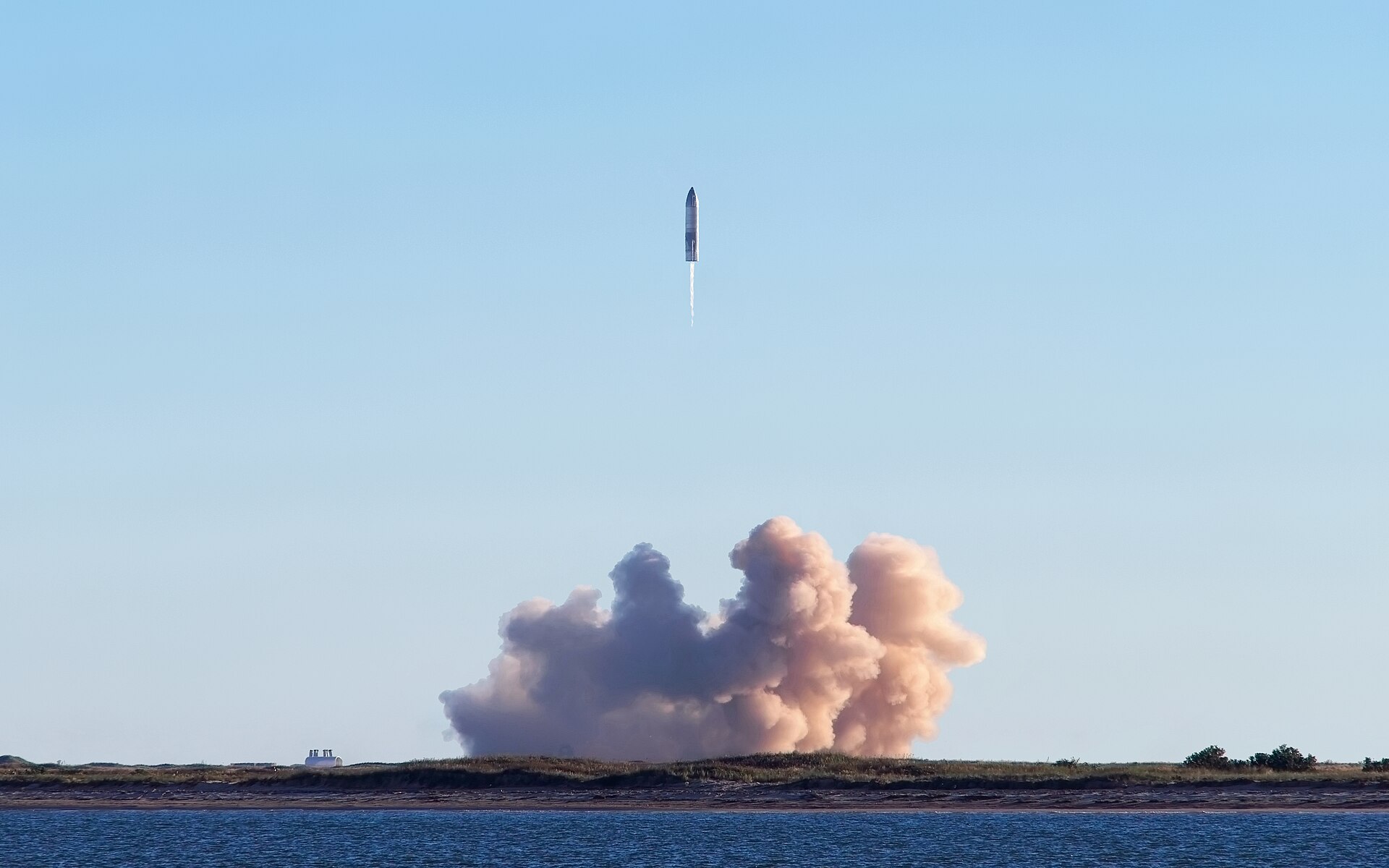
The steadier story remains a very good one. Connectivity revenue — the Starlink business — rose 69% year over year to $5.25 billion, with consumer revenue up 57% to $3.1 billion and enterprise and government revenue up 91% to $2.1 billion, according to TeslaNorth. Starlink ended the quarter with 13.6 million consumer subscribers, up 1.6 million from 12.0 million in June, at average revenue of $69 per subscriber per month, and more than 3,800 aircraft equipped with the service. TeslaNorth also noted the segment is SpaceX’s biggest earner on an operating basis, with operating income of $2.37 billion, up 99% year over year, and segment adjusted EBITDA of $3.5 billion. Starlink is no longer the growth story at SpaceX — Super Intelligence took that title this quarter — but it is the profit foundation everything else is being built on.
Fewer launches, one historic one
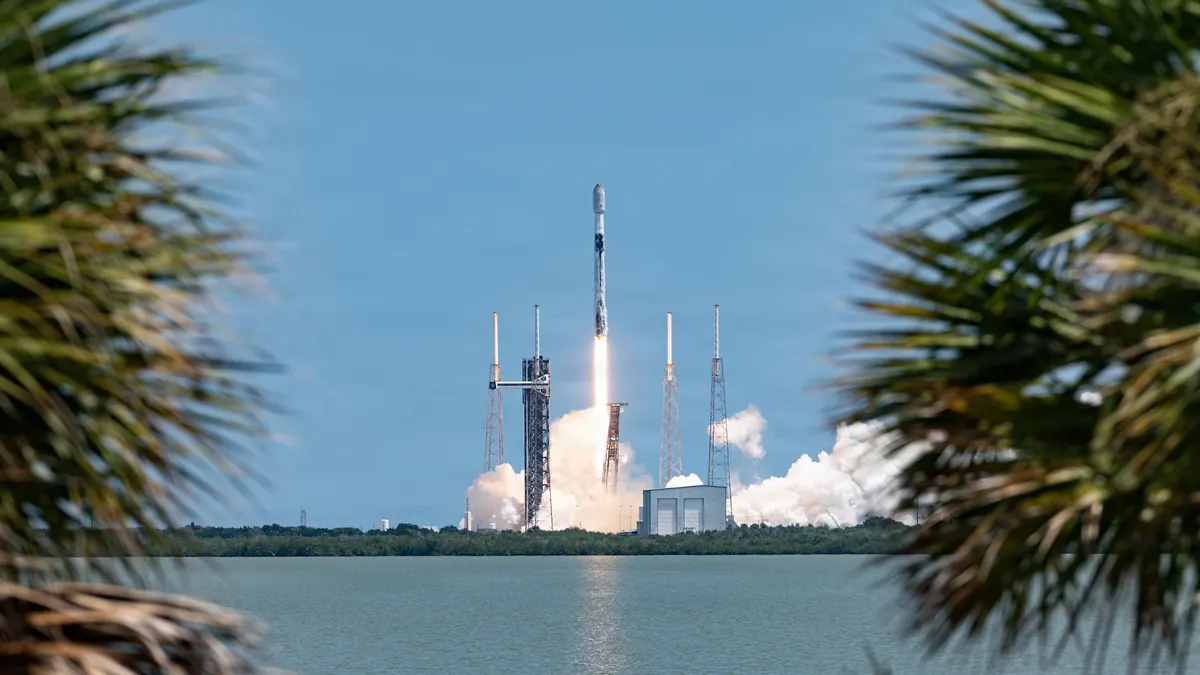
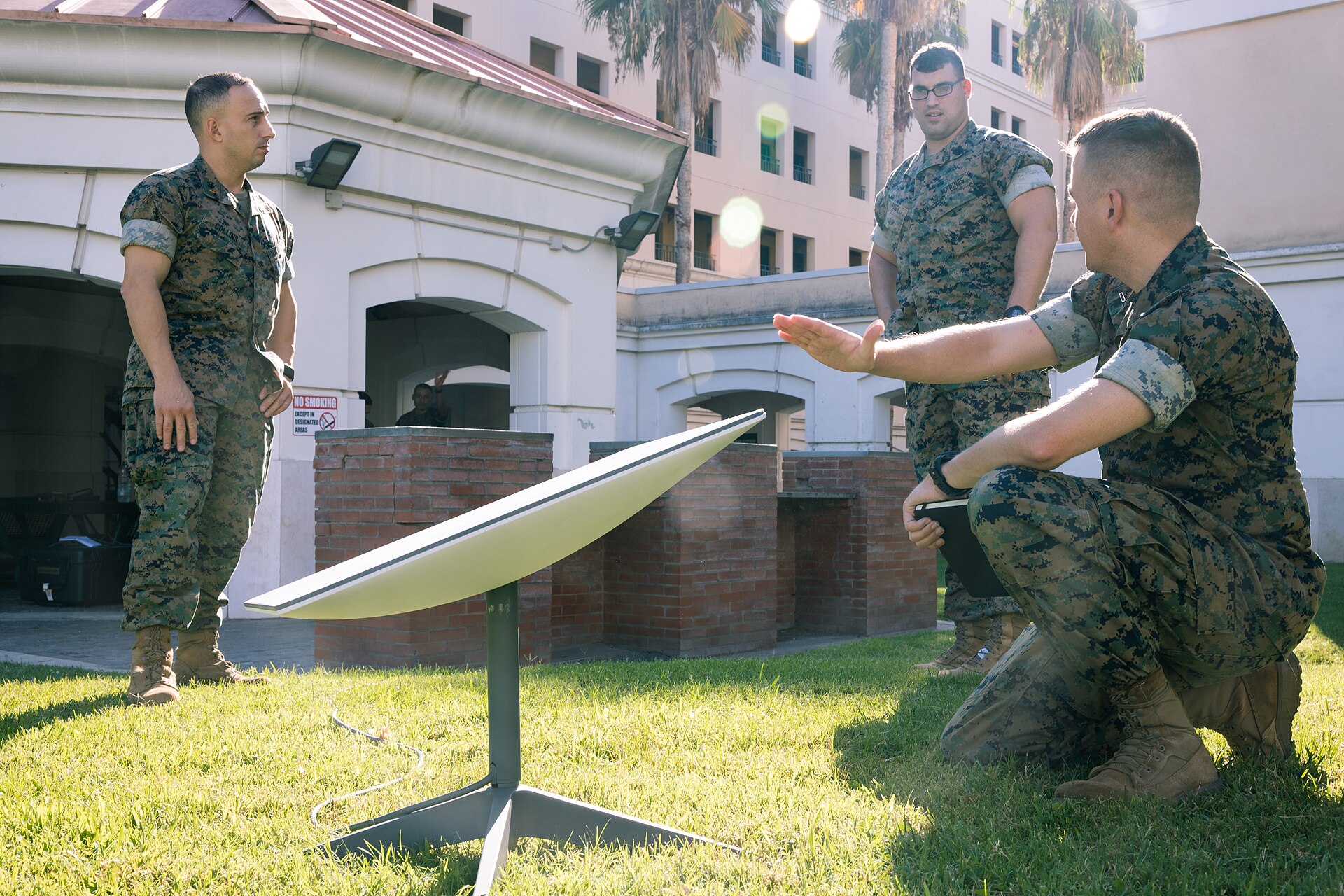
The Space segment reported $1.77 billion in revenue, including $1.13 billion in launch services, according to TeslaNorth. SpaceX flew 35 missions in the quarter — 12 for customers and 23 internal — down from 44 a year earlier, and carried 476 metric tons to orbit, bringing the year-to-date totals to 113 launches and 1,517 metric tons. The segment posted an operating loss of just $7 million, narrowed dramatically from a $542 million loss in the second quarter, as Starship research and development spending continues. The quarter also included the program’s landmark: the first revenue-generating Starship mission, Flight 14, which delivered 26 Starlink V3 satellites, according to TeslaNorth. Fewer flights, bigger payloads, first revenue from the vehicle the whole deep-space plan depends on. For the launch-watch version of this company, see our coverage of this morning’s Bandwagon-5 mission.
The bill, and the market’s answer
None of this is cheap. Capital expenditures hit $19.6 billion in the quarter, with $16.4 billion of it going into the Super Intelligence business as SpaceX builds out its Colossus II infrastructure, taking nine-month capex to $48.1 billion, according to TeslaNorth. Against that spending, the balance sheet is formidable: $51.3 billion in cash and equivalents plus $38.6 billion in marketable securities — roughly $90 billion combined — at September 30. SpaceX offered no numeric guidance in the release and pointed investors to its live webcast, TeslaNorth reported. The stock delivered its own verdict: SPCX closed the regular session at $147.79, down 0.11%, then rose about 4.6% in extended trading to $154.57 as of 5:30 PM ET, according to MarketBeat. One near-term wrinkle for holders, flagged by TradingView’s Stocktwits coverage: a large tranche of IPO lockup shares — up to 1.3 billion — becomes freely tradable on Thursday, October 22, the biggest single release under the staggered lockup, which could test how much of this quarter’s good news is already in the price.
The comparison with the morning is hard to resist. GM beat its numbers and fell; Netflix beat its numbers and fell harder. SpaceX beat on revenue, beat by a multiple on earnings, swung $5.5 billion on the bottom line year over year, and rose. The difference is not profitability — it is trajectory. Two reports into public life, SpaceX has nearly doubled revenue in a single quarter, turned its AI segment from a money pit into its largest business, kept Starlink compounding at 69%, and flown Starship for revenue. Investors paid up Tuesday evening for exactly that: a company whose most expensive bets are, at least this quarter, the ones paying off fastest.
Sources · 5 sources
- TeslaNorth — SpaceX Posts $4.4 Billion Profit as Q3 Revenue Jumps 161% to $14.6 Billion (October 20, 2026)
- Teslarati — SpaceX (SPCX) delivers blockbuster Q3 results as Super Intelligence booms (October 20, 2026)
- MarketBeat — SpaceX Q3 2026 Earnings Results & Report (October 20, 2026)
- Shacknews — SpaceX (SPCX) Q3 2026 earnings results beat EPS and revenue expectations (October 20, 2026)