
LOS ANGELES
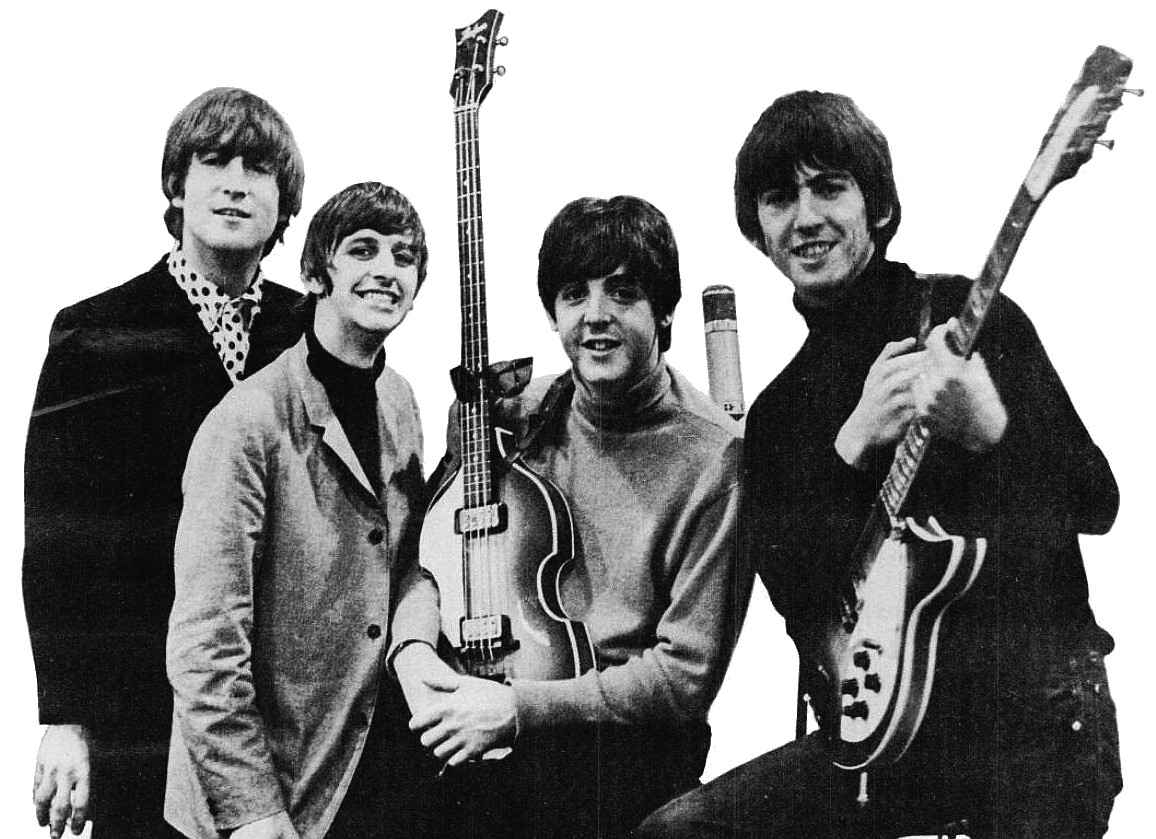
Sixty years is a long time to wait for an encore, but Rubber Soul has never played by ordinary chart rules. The Beatles' 1965 album has re-entered the Billboard 200 at No. 4 on the chart dated October 17 — its first appearance in the top 10 since the chart dated April 9, 1966. The return was powered by an expansive Special Edition reissue released October 2, and it was not a nostalgic trickle: the album earned 58,000 equivalent album units in the United States in the week ending October 8, according to Luminate, a jump of more than 1,600 percent from the roughly 4,000 units it had moved the week before.
The composition of those units tells the real story. Fifty thousand of the 58,000 came from traditional album sales — actual copies bought, in an era when the Billboard 200 is usually a streaming chart. Streaming-equivalent units accounted for only about 7,000 of the total, drawn from some 7.4 million official on-demand streams of the album's songs, with track-equivalent sales making up the remainder. Vinyl alone sold 24,000 copies. Fans, in other words, did not just press play on an old favorite this week. They went out and bought it, in large numbers, in physical form.
That buying spree carried Rubber Soul to No. 1 on three separate Billboard rankings at once: Top Album Sales, where it becomes the band's eighth leader since that chart launched in 1991; Top Rock Albums, where it is their seventh No. 1 since the chart began in 2006; and Vinyl Albums, their seventh chart-topper there. Before this week, the album had last appeared anywhere on the Billboard 200 in January 2016 — a full decade off the main chart, and nearly six decades removed from the top 10 it has now reclaimed.
A remix built from the original tapes
The engine of the revival is the Special Edition itself. Producer Giles Martin and engineer Sam Okell built entirely new stereo and Dolby Atmos mixes from the album's original four-track master tapes, using the de-mixing technology developed by Peter Jackson's WingNut Films for the documentary series The Beatles: Get Back — software that can separate sounds baked together on a single track of tape and let engineers rebalance a 60-year-old recording as if the band were back in the room. The package also includes the album's original mono mix and the shorter configuration Capitol Records released in the United States in 1965, along with the stand-alone single from the same sessions, “Day Tripper” backed with “We Can Work It Out.”
The Super Deluxe edition digs deeper still: 20 previously unreleased session takes and three previously unreleased home demos, among them a demo of an unfinished John Lennon song called “Little Girl” that most fans had never heard in any form. An 88-page book opens with a new introduction by Paul McCartney and a foreword assembled from Lennon's own words. The reissue reached No. 2 in the United Kingdom, and it continues a deliberate, years-long program: Rubber Soul follows remixed special editions of Sgt. Pepper's Lonely Hearts Club Band, The White Album, Abbey Road, Let It Be and, most recently before this one, Revolver in 2022. Each has been treated by Billboard as the same chart entry as the original album, with all versions combined — which is how a record from 1965 can post a brand-new peak-era week in 2026.
The album that changed the band
There is a reason this particular title was worth the effort. When Rubber Soul first arrived in the United States in December 1965, it jumped from No. 60 to No. 1 in its third week on the chart, became the band's seventh American chart-topper and stayed at the summit for six weeks, from the January 8 chart through mid-February 1966. The Beatles had recorded it over about four weeks beginning in October 1965, in the first sessions of their career with no tour, radio or film commitments competing for their time — and the breathing room shows in the music. This is the record where the group steps away from the tight pop construction of Beatlemania toward something more introspective and album-shaped.
The songs explain its staying power better than any statistic. “Drive My Car” opens the album as a comic character sketch. “Norwegian Wood (This Bird Has Flown)” folds folk influence and a sitar line into a lyric of a candor rock had rarely attempted. “Nowhere Man,” “Michelle,” “Girl,” “I'm Looking Through You” and “You Won't See Me” carry the unmistakable imprint of Bob Dylan on a band learning to write about adult ambivalence, and “In My Life” remains one of the most quietly devastating songs either Lennon or McCartney ever signed. Producer George Martin later described the album, in Rolling Stone's oft-quoted summary, as the first to present a new, growing Beatles to the world; the magazine places it at No. 35 on its list of the greatest albums of all time. Heard through Martin and Okell's new mixes, those performances are now in front of listeners who were born decades after the original pressing.
The week's wider chart makes the moment stranger and sweeter. Rubber Soul sits at No. 4 beneath Taylor Swift's The Life of a Showgirl at No. 1 — the album whose 14th week on top carried Swift to 100 career weeks at No. 1, second only to The Beatles' own 132 — and Drake's reissued HABIBTI at No. 2. It is the first week the three acts with the most No. 1 albums in Billboard 200 history have ever shared the top 10, and Variety noted that four of this week's top 10 albums owe their positions to a reissue or deluxe edition. The modern chart, built on streams, has become a place where a carefully rebuilt catalogue can compete head-on with the biggest stars alive.
That is the deeper meaning of a No. 4 re-entry for a six-decade-old record. Rubber Soul did not return as a museum piece; it returned as a sales event, a vinyl event and a rock-chart event simultaneously, bought heavily by listeners treating the Special Edition as a new release — because, in the ways that matter, it is one. The Beatles' last turn at No. 1 on the Billboard 200 came in February 2001 with the hits collection 1. A quarter-century later, the band is back in the top five with an album its members made before most of today's chart stars' parents were born. Whatever the reissue program does next, it has now proved the catalogue still has commercial peaks left in it — not just anniversaries.
Keep following the week's chart story on the Previously news front, and catch up on the rest of today's releases in New Music Friday.
Sources · 3 sources
- Parade · parade.com
- Billboard via BlackNews.uk · blacknews.uk
- Top40-Charts · top40-charts.com