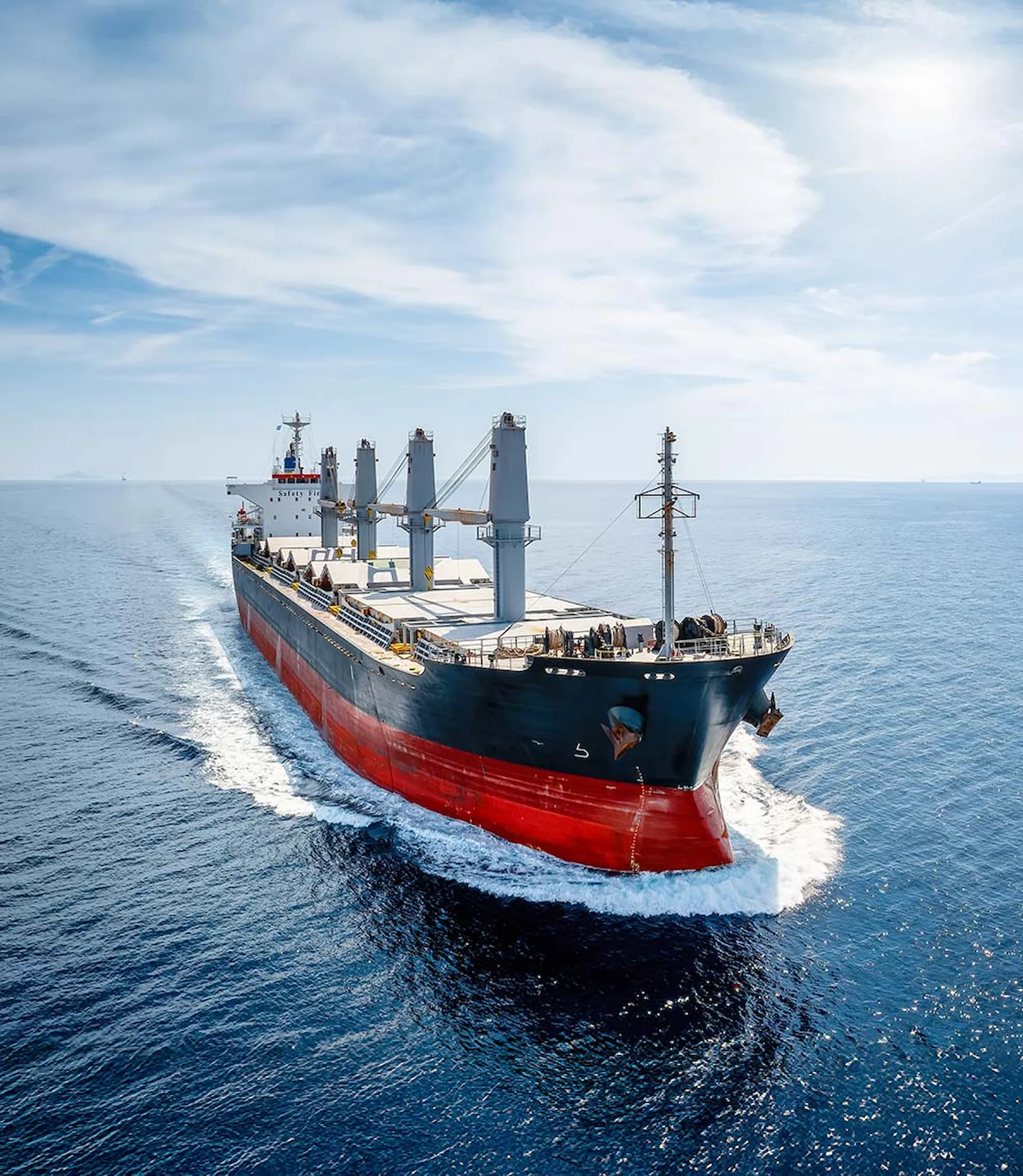
SOFIA, Bulgaria — At around 3am local time on Tuesday, two commercial vessels were struck by sea and aerial drones roughly 70–80 miles off Bulgaria’s coast, inside the country’s exclusive economic zone. That is the account given by Bulgarian Prime Minister Rumen Radev after an emergency government meeting on Tuesday. One of the ships, the Togo-flagged Alfa Watan, suffered critical structural damage and sank; the fate of its crew was unknown, with a search-and-rescue operation underway. The second, the Palau-flagged Able, was carrying wheat when it caught fire — all 18 crew members were evacuated and rescued by a Bulgarian ferry, and two sailors with severe injuries were flown to a hospital in Varna, according to the Associated Press.
Let’s be precise about what is and isn’t known, because the fog around incidents like this is exactly where bad information thrives. The origin of the drones has not been established. No official attribution of responsibility has been made. Those are facts as firm as anything else in this story — and any account that names a culprit is going beyond what the reporting supports. What can be said: Radev called the attack “a blatant violation of international law and maritime law” and warned that the war was expanding geographically. That language, from the sitting prime minister of a NATO member state, is the measure of how seriously Sofia is taking this.
The two ships
The Alfa Watan and the Able were both hit in the early hours, in waters Bulgaria claims as its exclusive economic zone — 70 to 80 miles offshore, far enough out to be deep water, close enough that Sofia considers an attack there an attack on Bulgarian interests. Per the AP’s reporting of Radev’s account, the vessels were struck by a combination of sea and aerial drones. The Alfa Watan took the worse of it: critical structural damage that sank the vessel. A search-and-rescue operation was underway, and as of the prime minister’s statement, the crew’s fate was unknown. That is the part of this story that should sit with you — somewhere in the western Black Sea this morning, people are unaccounted for.
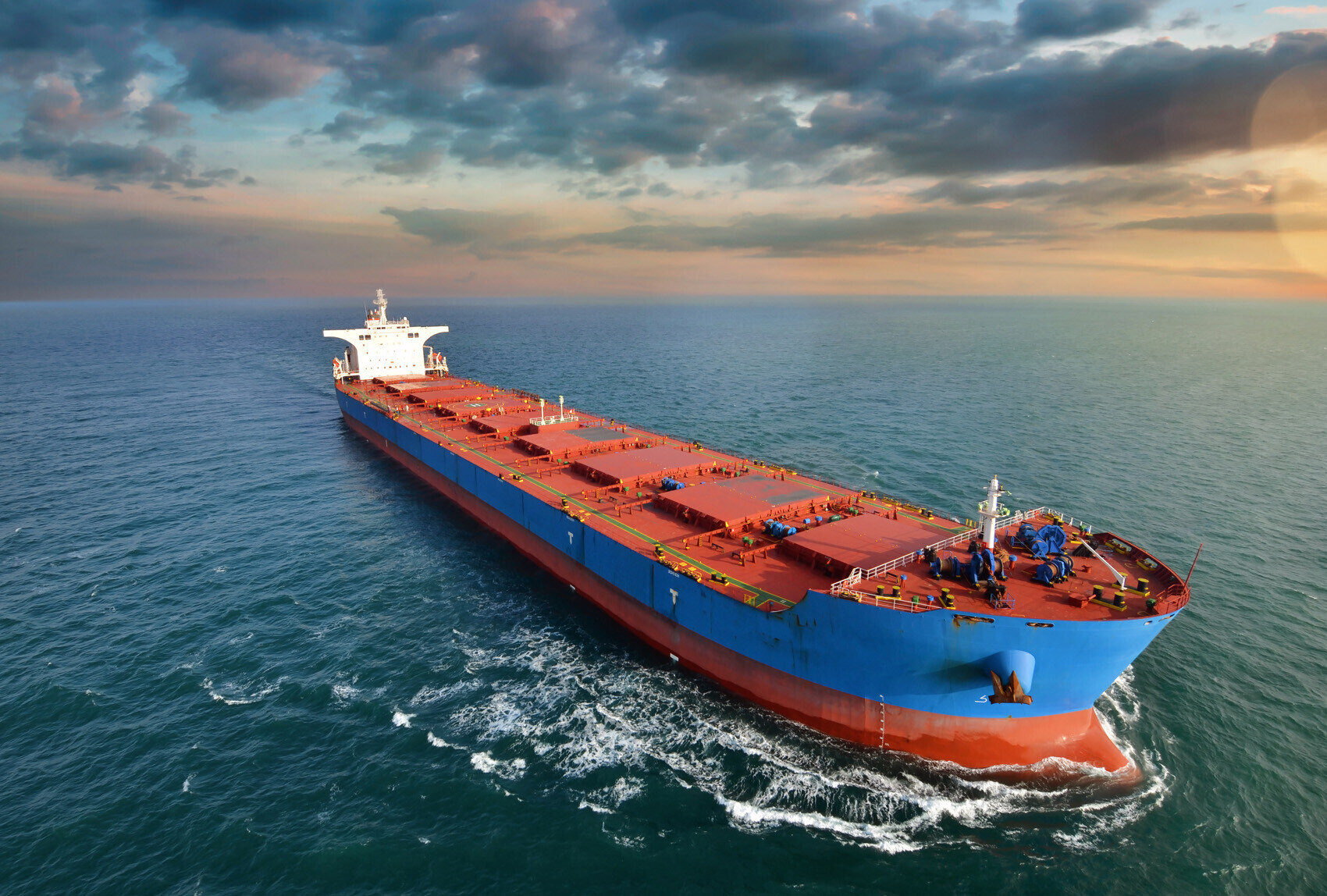
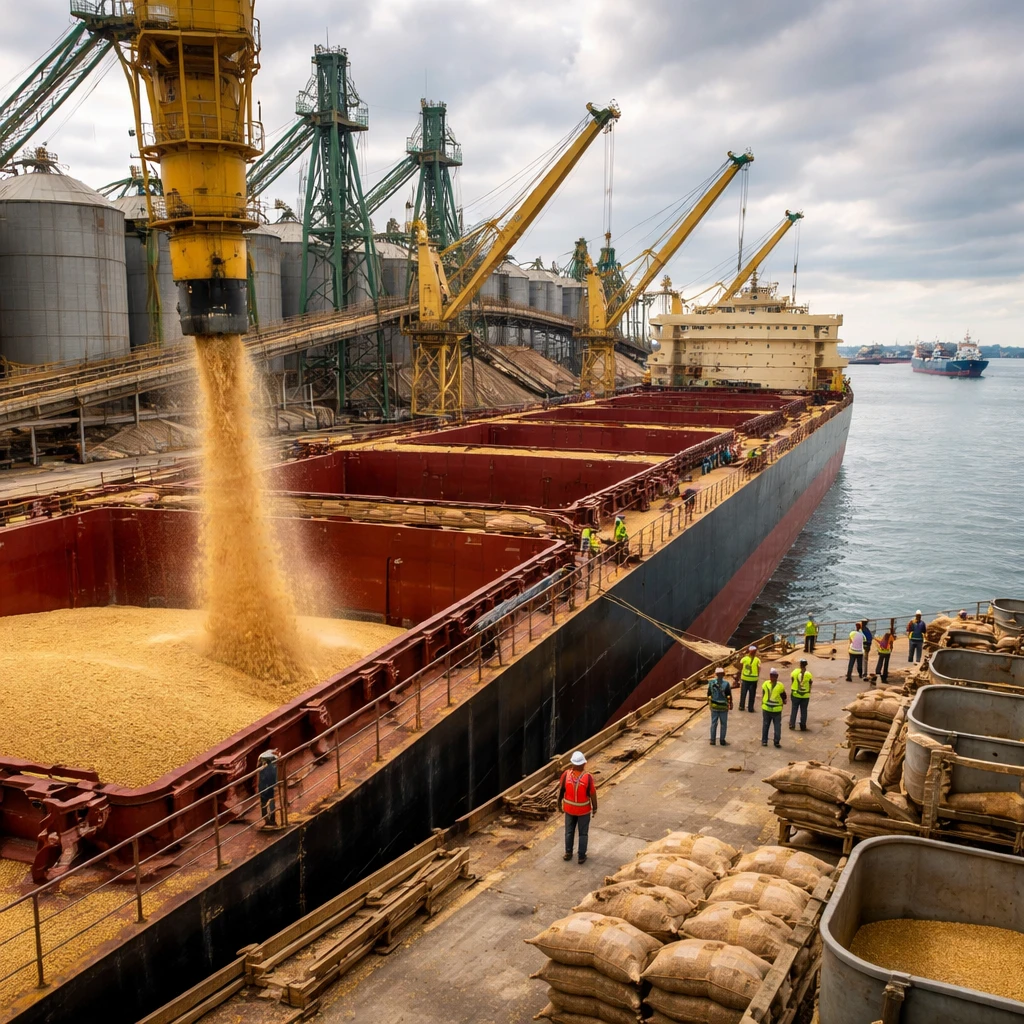
The Able’s story, by contrast, has a measure of good news. The vessel was carrying wheat — a reminder that the Black Sea remains one of the world’s critical grain corridors — and caught fire after the strike. All 18 crew were evacuated. A Bulgarian ferry responded and rescued them, and two sailors with severe injuries were airlifted to a hospital in Varna, Bulgaria’s major Black Sea port. Fire on a ship loaded with grain is a genuinely dangerous event, and the fact that the full crew made it off is a testament to the response.
What officials did — and what they didn’t say
Radev addressed the nation after an emergency meeting on Tuesday, and his framing was deliberate: this was, in his words, “a blatant violation of international law and maritime law,” and he said the war was expanding geographically. That’s not the language of a government that views this as a maritime accident. An emergency meeting of this kind, followed by a public address, signals that Sofia is weighing its response carefully — and that it wants the world to notice it is doing so.
What the prime minister did not do is name who launched the drones. Neither has anyone else officially. UK maritime security firm Vanguard Tech confirmed distress signals from both ships, according to Splash247, but confirmed distress signals are all that was confirmed — no responsibility officially attributed. This matters more than it might seem. In a conflict where attribution is routinely weaponized within hours, the restraint of declining to name a culprit — the position every authority in this story has taken — is the responsible one, and it’s worth noting that consistency.
One day after Romania
Here’s the context that turns a frightening incident into a pattern worth watching closely: on Monday, the Royad Mammadov sank off the coast of Romania. Two people were killed; eleven were rescued. Ukraine’s President Zelenskyy blamed Russian drones for that sinking, according to Splash247. So we now have, in two days, three commercial vessels struck in the western Black Sea, one sunken off Romania with fatalities, one sunken off Bulgaria with a crew unaccounted for, and one on fire with eighteen rescued.
It is important to hold two things in mind at once. First, the clustering is real and alarming — commercial shipping in the western Black Sea is under sustained attack, and insurers, crews, and the grain trade will all price that in. Second, the Bulgarian attack’s attribution is explicitly unestablished, and the Romanian attack’s blame comes from one party to the conflict. Those are different evidentiary situations, and collapsing them into a single narrative would be a disservice to the facts.
What happens now
The immediate priority is the search-and-rescue operation for the Alfa Watan’s crew. Beyond that, the questions are diplomatic and commercial: how Bulgaria responds to a drone strike inside its exclusive economic zone, whether NATO’s maritime posture in the Black Sea shifts, and what happens to shipping insurance and grain routes through a waterway that is suddenly, visibly, a contested corridor. Radev’s warning about geographic expansion of the war will be quoted for a long time — but the verdict on that warning belongs to the evidence, not the rhetoric.
We’ll keep updating this story as official information emerges. For now, what’s verifiable is this: two ships were struck, one sank with its crew missing, eighteen sailors from the second were brought to safety, and nobody with authority has yet said who fired the drones. Everything else is speculation, and speculation is what got us into this fog in the first place.
More from the news desk: follow our coverage as the search-and-rescue effort and the official investigation develop — including our report on the overnight drone wave over the Moscow region and the latest developments in the U.S.-Iran confrontation.