
LOS ANGELES, TUESDAY, OCTOBER 13, 2026
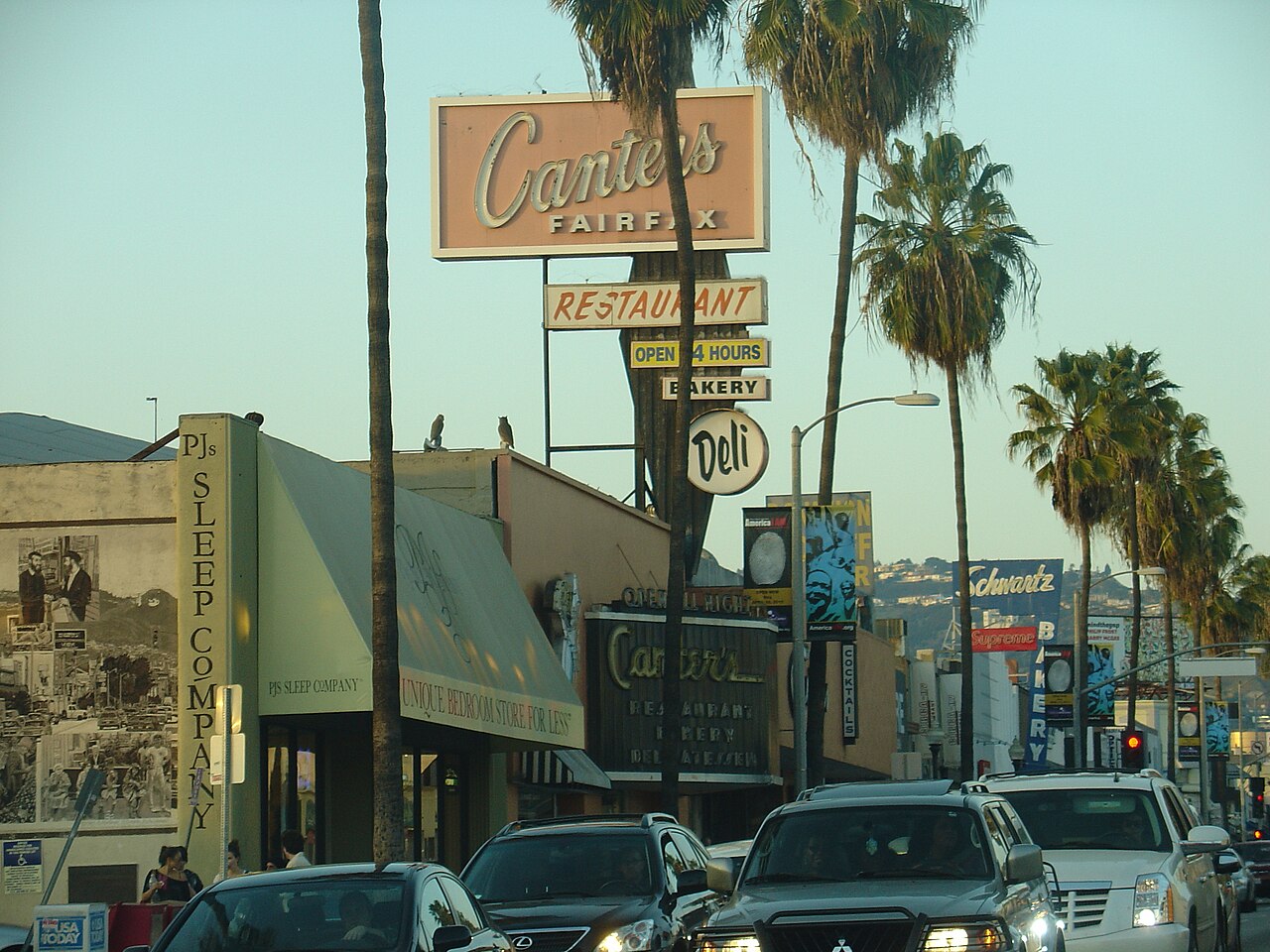
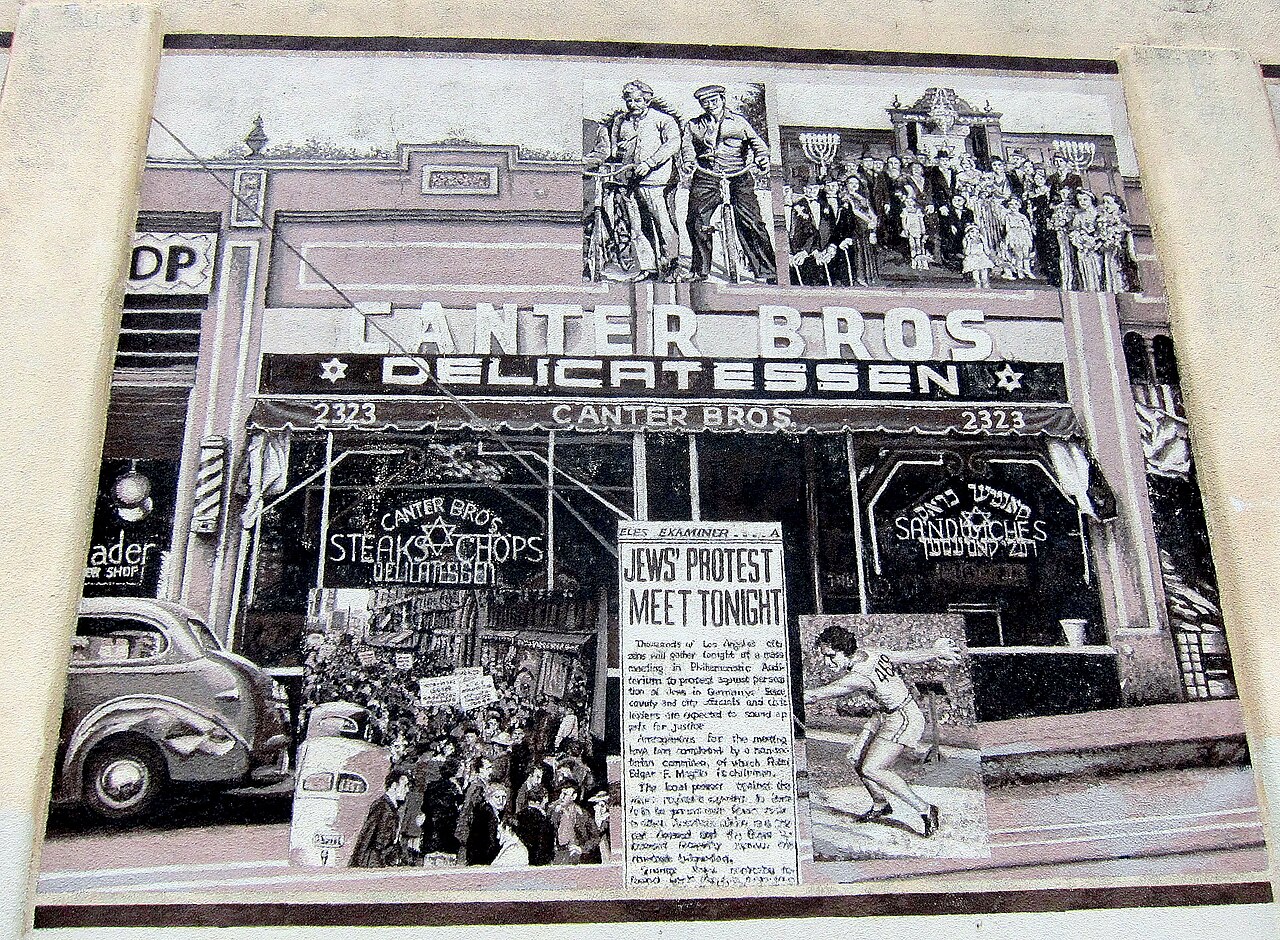
There are restaurants Los Angeles likes, and then there are the handful it cannot imagine itself without. Canter’s Deli, on Fairfax Avenue, is the second kind: a Jewish deli that has been feeding this city for about 95 years, through booms, busts, blackouts and every reinvention the neighborhood around it has attempted. This week its owners, siblings Jacqueline and Marc Canter — the third generation of their family to run the place — described a threat that has nothing to do with taste or fashion. Their bill from the Los Angeles Department of Water and Power has climbed past $34,000, they say, an increase of nearly $10,000 in roughly four months. For a deli, that is not a line item. That is a crisis with a meter attached.
The numbers the owners laid out, in California Post reporting published Tuesday, tell the story of a pattern breaking down. For years, they said, the deli’s utility costs followed the seasons in a way a business can plan around: winter bills averaged about $19,000, and summer bills — when the air conditioning works hardest and the dining room fights the Fairfax heat — ran about $23,000 to $24,000. A seasonal gap of roughly $4,000 is the kind of thing a 95-year-old business absorbs without a meeting. What the Canters describe now is different in kind, not just degree: the gap has grown to about $12,000, and the total has pushed past $34,000, while, they insist, the deli itself is doing nothing new. Same kitchen, same hours, same operation — a much larger bill for running it.
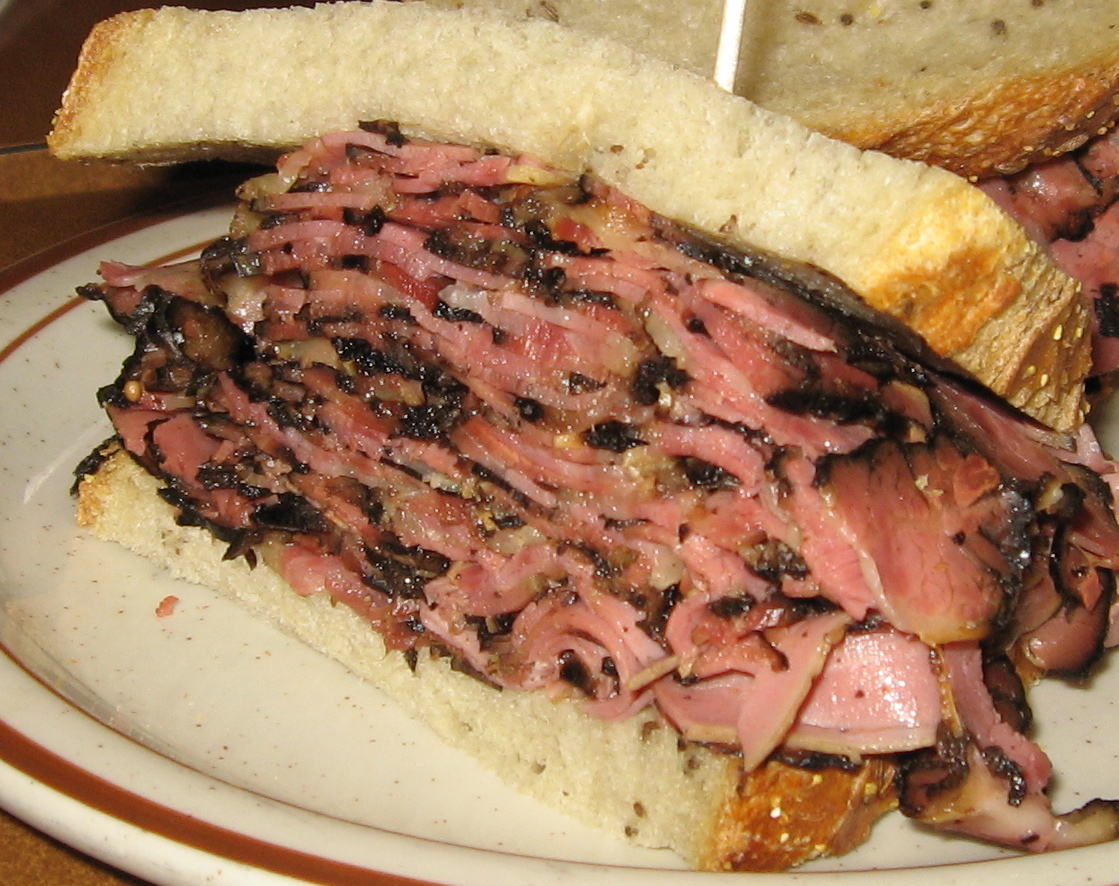
The owners’ response so far has been the unglamorous kind: cutbacks. They described trimming where they can, including pulling back on air conditioning — no small thing in a Los Angeles autumn that still delivers hot afternoons, and no small thing for a dining room full of customers and a kitchen staff working around ovens. And they were candid about where the cutting leads if the bills stay where they are: to people. Staff reductions, they warned, could follow. At most restaurants that sentence is sad. At Canter’s it lands differently, because this is a workplace where employees have stayed for decades — where the person slicing your pastrami may have been slicing it since before some of the customers were born. A utility bill that ends careers like that is not just squeezing a business; it is erasing a piece of the city’s living memory, one paycheck at a time.
The utility sees the bill differently, and a fair account has to say so. According to the reporting, the Los Angeles Department of Water and Power attributes the increase not to electricity but to water and sewer costs — the unglamorous half of a combined municipal bill, where rate structures and usage charges can move a total sharply. LADWP also raised a possibility that any property owner dreads and any utility reaches for early: a leak. An undetected leak, running day and night beneath or behind a large, old commercial building, can pour money quite literally into the ground, and it would explain a spike that arrives without any change in how a business operates. The owners dispute that explanation. That disagreement — a family business saying the building is fine and the math is wrong, a utility saying the water side of the ledger and possibly a leak tell the story — is now the center of the fight, and it is the kind of dispute that gets settled by meter reads, inspections and paperwork rather than by press quotes.
Step back, and Canter’s is arguing its case inside a much larger California argument about what it costs to keep the lights on and the water running. The reporting around the deli’s bill cited the state’s broader numbers: California’s average electricity price was 27.63 cents per kilowatt-hour in 2025, about 103 percent above the national average of 13.63 cents. It also cited an estimate from the state’s Public Advocates Office that customers of Pacific Gas and Electric could see annual bills rise by as much as $840 by 2030. Those figures describe different utilities and different customers than a Fairfax deli on a municipal system, and they should not be blurred into one number. But they explain the temperature of the room: from a San Francisco apartment to a Los Angeles deli counter, Californians increasingly open utility envelopes the way they open rent notices — braced.
What happens next is less dramatic than a closure headline and, for now, more honest: a dispute to be worked through. The deli says its operations are unchanged and its bill is up nearly $10,000 in about four months anyway. The utility says look to water and sewer, and check for a leak. Both of those claims can be examined — usage histories exist, meters can be read, lines can be tested — and the resolution will say a lot about whether a small, old, beloved business or a big municipal utility was misreading the situation. In the meantime, the cutbacks are real, the air conditioning is already being rationed, and the staff who have given this place decades are listening to their employers use the words nobody wants to hear. Previously will follow the dispute as the two sides produce their numbers.
Canter’s has outlasted almost everything Los Angeles has thrown at it for nearly a century, which is exactly why a story about a utility bill belongs on the front of the city’s mind tonight. Institutions like this are infrastructure, too — the edible kind, the kind that holds a neighborhood’s memory in a dining room. Whether the answer is a leak, a rate, or a mistake, it needs finding fast. For more of today’s Los Angeles coverage, read our report on the final Bass–Raman mayoral debate and the Inside Safe operation that moved 35 people indoors as RVs were removed downtown, or browse the full newsroom.
Key facts
Sources · 2 sources
- New York Post, news report on California Post reporting about Canter’s Deli’s LADWP bill, Oct 13, 2026
- Los Angeles Department of Water and Power position, as reported by the New York Post / California Post, Oct 13, 2026





