

The American housing market just posted a number it has not seen in more than a decade. Pending home sales — homes that went under contract in September — fell 4 percent from August on a seasonally adjusted basis, according to Redfin's September housing report, released Monday. That left contract signings at their lowest level for any month since spring 2014, with a single exception: April 2020, when the onset of the pandemic briefly froze the market altogether.
Redfin counted 316,652 pending sales in September. For context, April 2014 recorded 314,664, and even the pandemic shutdown month of April 2020 managed 299,829. The 4 percent monthly slide was also the steepest drop in more than three years — and it was not a story of a few weak cities dragging down the average. Pending sales fell year over year in all 50 of the most populous U.S. metro areas, the first time that has happened in three years. The last time every major metro declined at once was September 2023, which was also the last time mortgage rates spent a sustained stretch above 7 percent. That is not a coincidence.
Rates above 7 percent did this
The villain of the report is not hard to identify. Mortgage rates climbed steadily through September and surpassed 7 percent by the end of the month. Freddie Mac's weekly survey put the average 30-year fixed rate at 7.28 percent at the end of September, and the October 8 survey pushed it to 7.40 percent. At those levels, the math simply stops working for a huge share of would-be buyers: the same household income supports a meaningfully smaller loan than it did when rates sat in the mid-6s, and monthly payments on a median-priced home swell by hundreds of dollars.
The pain was sharpest where prices are highest. Seattle posted the biggest year-over-year decline in pending sales of any major metro, down 24.4 percent, hurt by both expensive homes and a bumpy local job market. Los Angeles fell 16 percent, San Diego 15.8 percent and Anaheim 15.5 percent. Even the most resilient markets could not escape: the smallest declines were in Montgomery County, Pennsylvania (down 1.6 percent), Pittsburgh (down 2.1 percent) and West Palm Beach (down 2.2 percent) — still declines, every one of them.
Buyers are walking away — a lot
If pending sales show buyers hesitating to sign, the cancellation numbers show them changing their minds after they do. A record 14.5 percent of homebuying deals that went under contract in September were canceled — the highest share in Redfin's records outside March and April 2020, and the highest September reading the company has ever recorded. Put plainly: roughly one in seven signed contracts fell apart.
Redfin's explanation is almost cheerful about it. This is, by its measure, the strongest buyer's market on record, which means sellers are competing for buyers rather than the other way around. When house hunters have options, they use them. A bad inspection, a monthly payment that looks uglier on paper than it did in the listing, a better house two streets over — any of them is now a reason to walk, and buyers are walking.
The Las Vegas angle: third-worst in America
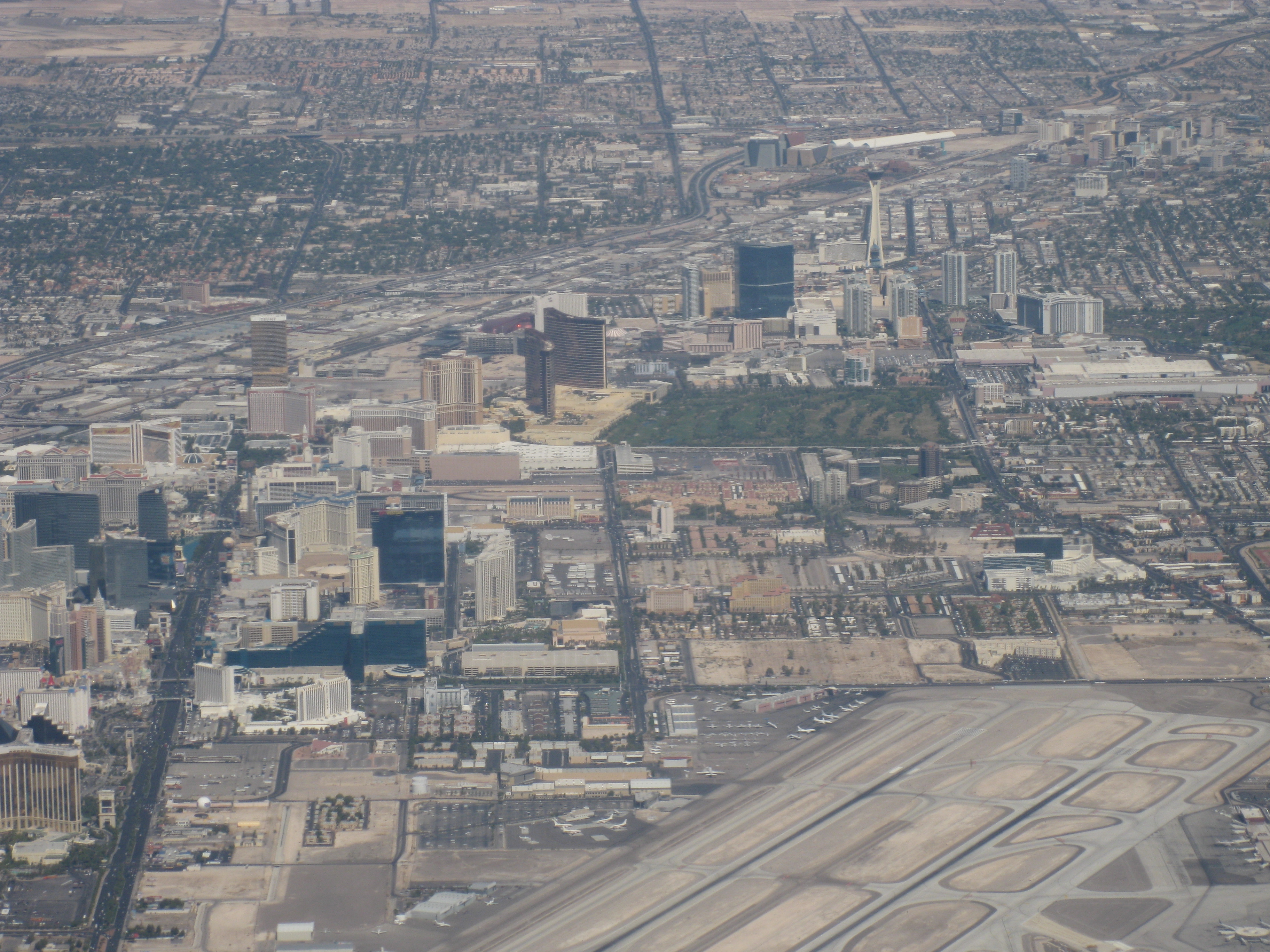
Here in Las Vegas, the fallout is worse than the national picture. Some 18.6 percent of homebuying deals in the Las Vegas metro were canceled in September — the third-highest cancellation rate among the 50 biggest metros, behind only Jacksonville, Florida (19.9 percent) and Tampa, Florida (18.8 percent). San Antonio (18.5 percent) and Phoenix (18.4 percent) round out a top five made up entirely of Sun Belt markets that boomed hardest earlier in the decade.
That ranking tells a familiar local story. Las Vegas spent years as one of the country's most frenzied seller's markets, with bidding wars and waived inspections. The September data describes the opposite world: nearly one in five signed deals dying before closing, buyers with leverage, and sellers discovering that the list price is now an opening bid rather than a verdict. At the other end of the spectrum, deals almost never fall through in San Francisco, where just 2.8 percent of contracts were canceled — one of only five seller's markets left in the country, alongside places like Nassau County, New York, and Montgomery County, Pennsylvania, where fewer than 8 percent of deals collapsed.
If you are house-hunting in the valley right now, this is genuinely useful information. Our Las Vegas coverage has tracked the local market's swing all year, and the September numbers confirm the leverage has flipped: contingencies are back, inspections matter again, and walking away costs a buyer far less than it did in 2022.
Prices are barely rising, and most homes sell below asking
With buyers scarce and picky, pricing power has drained out of the market. The median U.S. home sale price rose to $393,895 in September — up 1.3 percent from a year earlier, but that was the smallest annual gain since February. The median asking price rose just 0.6 percent year over year. In September, 60.5 percent of homes sold below their original asking price, extending a streak of roughly three in five homes closing under ask that now runs about 18 months. And 19.8 percent of sellers — nearly one in five — cut their asking price during the month.
Some markets are still defying the trend: San Francisco posted a 14.6 percent year-over-year jump in sale prices, with Cleveland and St. Louis also recording solid gains. But Seattle prices fell 4.4 percent, San Jose 3.4 percent and Denver 2.6 percent. Nationally, price growth has cooled without yet reversing — a soft landing on prices, paired with a hard landing on volume.
Inventory is piling up because buyers left first
The total supply of homes for sale rose 1.2 percent month over month to 1,510,784 listings — the highest level since March 2020. Notably, that buildup is not a flood of new sellers: new listings rose only 0.3 percent. Inventory is growing because homes are sitting, not because they are pouring onto the market. Closed sales, meanwhile, fell 1.6 percent month over month to their lowest level since the end of 2023, though that figure mostly reflects contracts signed in July and August, before September's rate spike fully landed.
What happens next depends almost entirely on rates. September's report captures a market that froze when borrowing costs pushed through 7 percent and kept climbing to 7.40 percent in early October. If rates retreat, some of the enormous pent-up inventory gives sidelined buyers a reason to return — and this time, they will return to a market where sellers cut prices and deals are negotiable. If rates stay here, expect October's pending sales to look a lot like September's: the quietest housing market in twelve years, getting quieter.