
WASHINGTON
If you filled up your tank at any point in September, Wednesday morning's inflation report will not surprise you. It might still sting. The Bureau of Labor Statistics reported that the Consumer Price Index rose 0.6% last month and 3.7% compared with a year earlier, an acceleration from August's 3.4% annual pace and a notch above the 3.6% consensus forecast. In plain English: inflation was supposed to be cooling, or at least holding still. Instead it leaned the wrong way, and it dragged the Federal Reserve's already difficult job into even harder territory.
The headline number only tells part of the story, though, because the part underneath it matters more for what happens next. Core CPI — the measure that excludes volatile food and energy prices and that policymakers watch for the underlying trend — rose 0.3% on the month and 2.6% on the year, according to the BLS. Both readings came in above what economists had penciled in, at 0.2% monthly and 2.5% annually. CNN, reporting on the same release, made the point plainly: this was not just a gas story. Price pressures extended into categories like medical care, apparel, airfares and car repairs, which is exactly the kind of broadening the Fed least wants to see.
Gasoline did more than half the damage
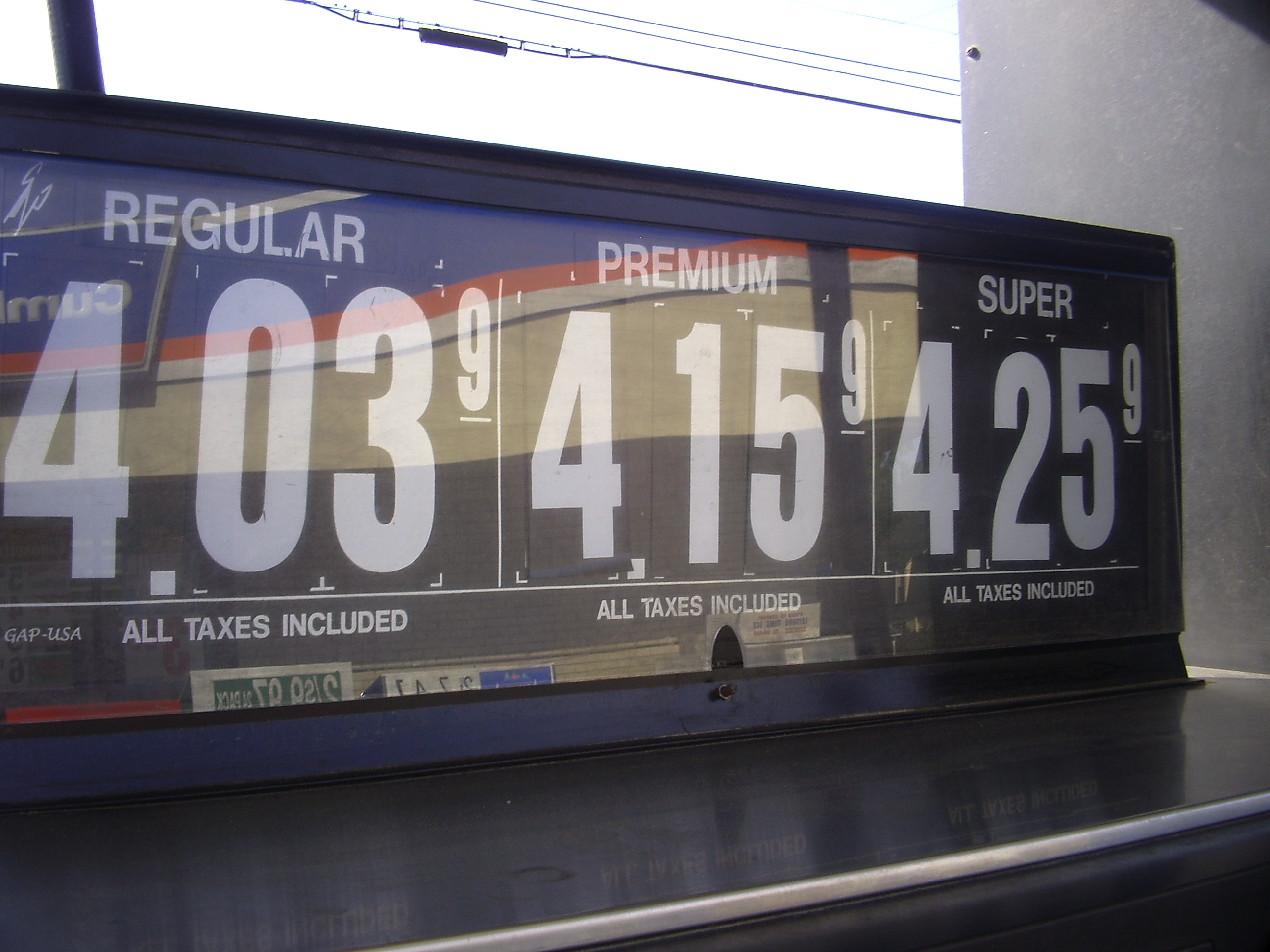
Still, let's not pretend the pump wasn't the main character. The BLS said the gasoline index surged 9.1% in September and is up 34.2% over the past twelve months, accounting for more than half of the entire monthly increase in consumer prices. The broader energy index climbed 5.2% on the month after rising 2.1% in August. Energy costs have stayed elevated amid the war involving Iran, and the knock-on effects are showing up everywhere fuel touches — which, in an economy that trucks and flies nearly everything, is everywhere.
Shelter, the heavyweight category in the index, rose 0.4% in September, the fastest monthly pace in five months, the BLS data showed. That one deserves a raised eyebrow. Shelter inflation had been gliding downward for more than three years, and plenty of the Fed's optimism rested on that glide continuing. A 0.4% month doesn't end the trend by itself, but it interrupts the story officials have been telling. Food, at least, gave households a breather: the food index was flat on the month, with grocery prices edging down slightly and restaurant prices ticking modestly higher.
Markets heard the message immediately
Wall Street did not wait around for a second opinion. Reuters reported that U.S. stocks headed lower after the release, and by mid-morning Barron's had the S&P 500 down about 0.6% and the Nasdaq off about 0.8%. Bond traders moved faster and harder: Reuters put the two-year Treasury yield, the one most sensitive to Fed policy, at roughly 4.93%, and the benchmark ten-year yield at about 5.31% — levels that tighten financial conditions whether the Fed acts or not.
The rate-bet shift was the day's real headline for anyone with a mortgage application pending. CME FedWatch pricing showed the odds of a rate hike at the Fed's late-October meeting jumping from roughly 22% before the report to somewhere in the 44% to 49% range after it, with the odds of a hike by December sitting near 88%. Two weeks ago, a hike this month was a tail risk. After one hot report, it is close to a coin flip. That is how quickly the ground moves when inflation refuses to behave.
Context matters here: the Fed already raised rates by a quarter point last month, its first hike in three years, and a large majority of officials had projected at least one more increase this year. Wednesday's numbers did not create that hawkish lean — they validated it, loudly, in public, with gasoline leading the parade.
The paycheck problem
The statistic that will land hardest outside trading floors is this one: September marked the sixth straight month that inflation has outpaced wage gains. Six months of running hard to fall slightly behind. That is the affordability story in a single line, and it explains why a report full of decimal points becomes kitchen-table politics within hours.
Timing makes it louder. This is the last CPI print before the midterm elections, which means both parties now have their closing economic argument handed to them on the same morning. One side will point at 3.7% and ask who is minding the store. The other will point at a still-growing economy and ask voters to look past the pump. Voters, filling up at prices up more than a third from a year ago, will make up their own minds.
What to watch next
The Fed meets in roughly two weeks, and every official speech between now and then just became a market event. Watch the two-year yield: if it holds near 4.93%, markets are telling you the hike is live. Watch gasoline, too — if October gives back some of September's 9.1% spike, the next report could cool the whole conversation. And watch shelter: one more 0.4% month and the "underlying improvement" story gets much harder to sell.
For the bigger picture on how this morning's other market news fits together, see our earlier coverage of the bank earnings that landed alongside the CPI release, Bank of America misses while Morgan Stanley and BlackRock beat, and keep an eye on the Previously news front as Fed officials react through the day. The short version of Wednesday: inflation came in hot, the pump did most of it, the core didn't help, and the Fed's October meeting just became the most interesting date on the calendar.
Sources · 4 sources
- Bureau of Labor Statistics — September Consumer Price Index release, Oct. 14, 2026
- Reuters — Oct. 14, 2026: Hot September CPI sends rate-hike bets soaring
- CNN — Oct. 14, 2026: Inflation rose to 3.7% last month
- Barron's — mid-morning market coverage, Oct. 14, 2026; CME FedWatch rate pricing