

LAS VEGAS, TUESDAY, OCTOBER 13, 2026
The last open chapter of one of the most famous unsolved murders in American music closed in a Las Vegas courtroom on Tuesday, not with a new revelation, but with a number. CNN reported that Duane “Keffe D” Davis, 63, was sentenced to 40 years to life in prison for first-degree murder with the use of a deadly weapon in the 1996 killing of Tupac Shakur. USA TODAY reported the same term from the same hearing: Judge Carli Kierny imposed the sentence in Clark County District Court, six weeks after a jury found Davis guilty on August 31. At 63, with a minimum of four decades before parole eligibility can even be considered, the sentence means Davis will in all likelihood spend the rest of his life in a Nevada prison for a crime committed when he was 33 and Shakur was 25.
The structure of the sentence matters, because it explains the headline number. The 40-years-to-life term combines 20 years to life for the first-degree murder conviction with a consecutive 20 years to life for the deadly-weapon enhancement, a stacking the court discussed at length during the hearing, including the question of how much of Davis’s conduct after the killing — years of interviews, a memoir, a public persona built partly on proximity to the crime — should count against him. According to CNN, Davis received 731 days of credit for time already served. The Associated Press and NBC News, in their coverage of the case, have likewise focused on the enhancement and on prosecutors’ argument that Davis did not merely participate in the killing but spent years profiting from telling the story of it. That argument was at the center of the prosecution’s sentencing presentation on Tuesday.
Prosecutor Marc DiGiacomo asked the court for the maximum, arguing that Davis had earned it. As USA TODAY reported, DiGiacomo emphasized that Davis publicly grandstanded about Shakur’s death for years and presented himself as a figure in the story rather than a man trying to leave it behind. The prosecution’s position, stated plainly in court, was that no other defendant in memory had done so much to keep a murder in the public eye — and to benefit from keeping it there — while the victim’s family lived with the loss in private. News 3 Las Vegas (KSNV), covering the hearing locally, reported the same prosecution push for the maximum term and the same courtroom tension between Davis’s account of himself and the record the state put in front of the judge.
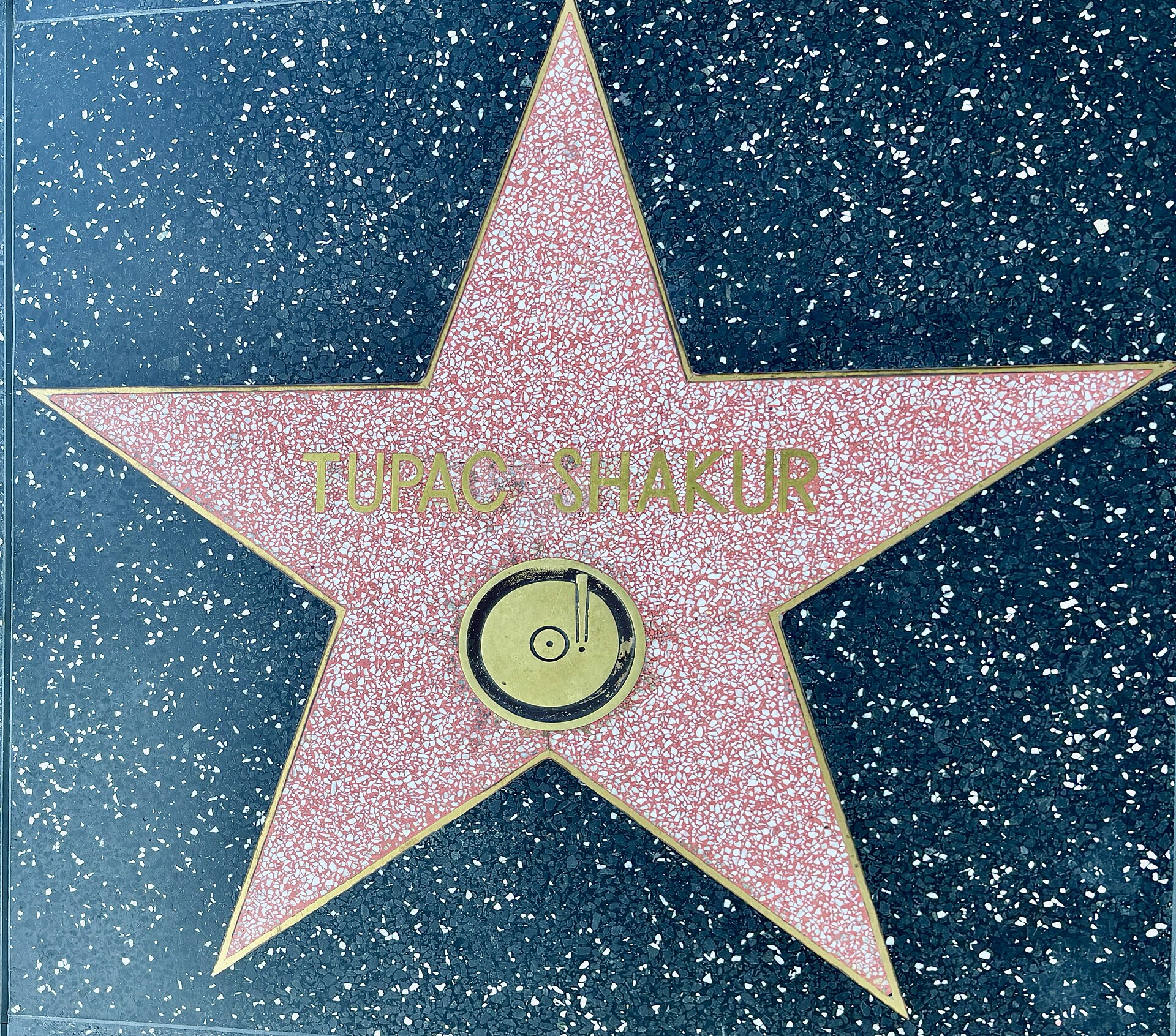
Judge Kierny, before imposing sentence, addressed the version of himself Davis has offered for years — in interviews, in his book, and in court — in which he describes a man who left Compton, moved on, and became a grandfather. According to both CNN and USA TODAY, the judge rejected that framing directly, telling Davis that having moved on did not answer for taking a man’s life and future from his family, and that Las Vegas had not forgotten Shakur or his death even if three decades had passed. It was, by the accounts of reporters in the room, the emotional center of the hearing: a judge explaining, slowly and on the record, why the passage of time would not soften what happened on September 7, 1996, and why Davis’s own words across those decades were part of what the court was sentencing.
The family spoke, too. Shakur’s sister, Sekyiwa Shakur, and his brother, Maurice Shakur, addressed the court and asked for the maximum sentence, according to CNN and People magazine’s coverage of the hearing. Their statements, as reported, returned the proceeding to the simplest fact in it: a family has now lived thirty years without a son and brother who was killed at 25, at the height of a career that reshaped hip-hop, while the man convicted of orchestrating the killing gave interviews about it. For more of our music coverage, including how Shakur’s catalog still moves the culture, see Previously’s music section.
To understand how the case finally reached a courtroom, you have to go back to that September night in 1996. Shakur had attended the Mike Tyson–Bruce Seldon heavyweight fight at the MGM Grand, and afterward, in the casino lobby, he and members of his entourage beat Orlando Anderson — Davis’s nephew, and a man long identified in reporting about the case as a central figure in the events of that night. Hours later, at a red light near Flamingo Road and Koval Lane, just off the Strip, a white Cadillac pulled alongside the BMW carrying Shakur — driven by record executive Marion “Suge” Knight — and opened fire. Prosecutors said Davis was in the Cadillac, and that he provided the gun and passed it to the back seat; he was convicted as the man who put the shooting together, not as the gunman. Shakur was struck multiple times and died six days later, on September 13, 1996. Anderson was never charged; he died in 1998. For decades the case produced theories, documentaries and books, but no defendant. Anderson’s death, the loss of physical evidence over time, and witnesses who would not talk left investigators with a famous crime and an empty courtroom.
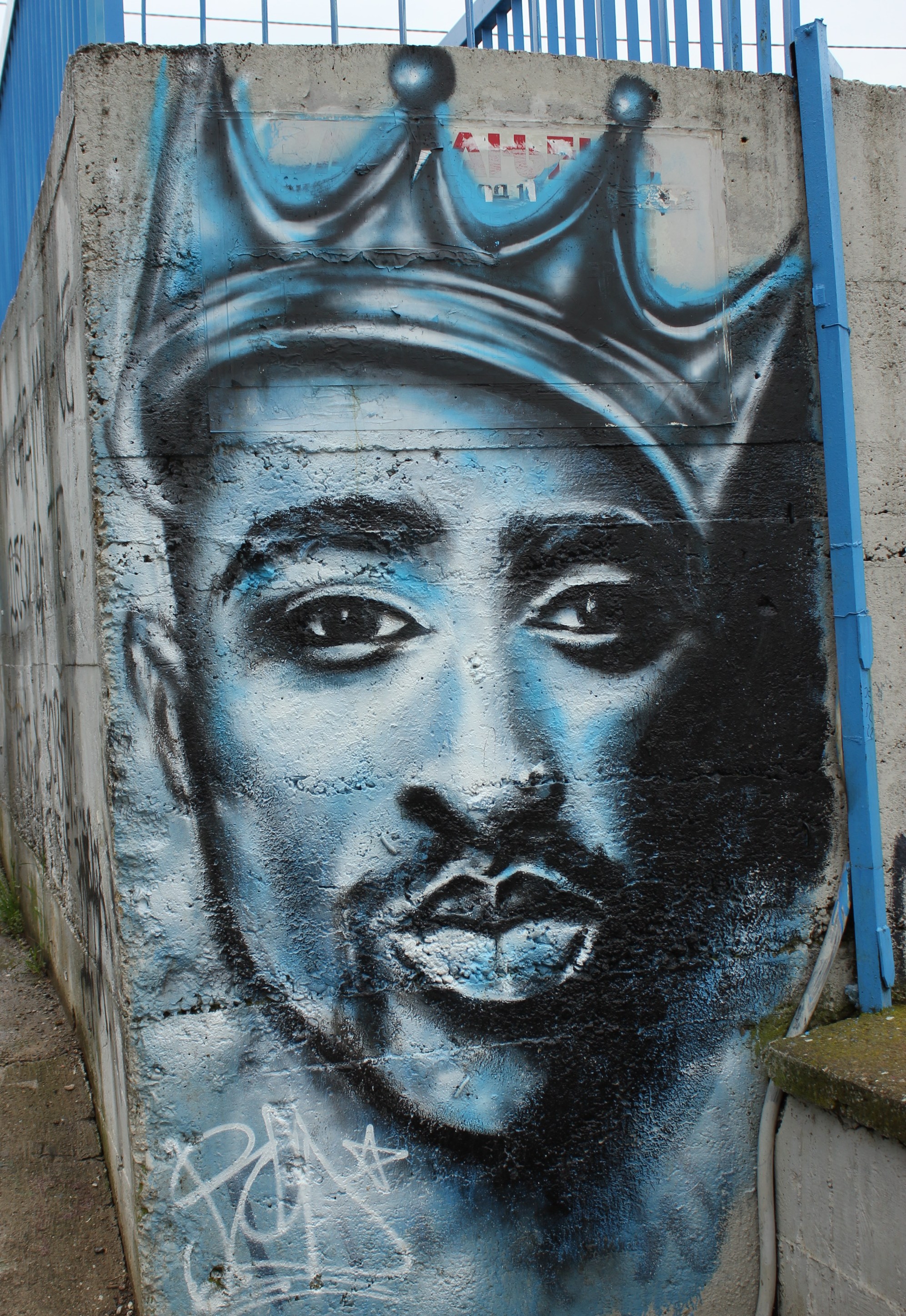
What changed, prosecutors argued at trial, was Davis himself. Over the years he sat for interviews, appeared in documentaries and podcasts, and published a memoir in 2019 describing his version of the night in detail. The thread ran further back: Davis first told his account to detectives in a 2008 interview given under a proffer agreement, and prosecutors argued that once he repeated it in public — in a 2018 television docuseries and then the memoir — the protection that had kept the earlier interview out of court no longer applied. USA TODAY reported that the prosecution built its case largely on those public statements — Davis’s own account of acquiring the weapon, of being in the car, of the retaliation that followed the casino brawl. A jury heard that record, deliberated for a little more than three hours on August 31, and convicted him of first-degree murder. The speed of the verdict suggested the jurors found the state’s central argument hard to escape: the most detailed witness against Duane Davis, across thirty years, was Duane Davis.
Davis spoke briefly at Tuesday’s hearing. According to reports from the courtroom, his remarks were practical rather than reflective: he asked about property seized from his home during the investigation, including photographs and personal items, and indicated he wanted them returned. His attorney, Michael Sanft, plans to appeal the conviction, a step that will move the case into the Nevada appellate courts and could take years to resolve. An appeal does not pause the sentence; Davis begins serving it now, with his 731 days of credit applied. Whatever the appellate courts eventually decide, Tuesday’s hearing stands as the first time a court has assigned legal responsibility, in a sentence measured in decades, for the murder of Tupac Shakur. A smaller sentence already on his record — 16 to 40 months for a fight while in custody in a Las Vegas jail, which Parade reported earlier this month — is now overtaken by the 40-to-life term.
There is a temptation, with a case this famous, to treat a sentencing as an ending. The family’s statements in court suggested something narrower and more honest: it is an accountability, arriving thirty years late, for one man, in one courtroom in the city where the crime happened. Shakur’s music has never left the culture — All Eyez on Me, released months before his death, remains one of the defining albums of its era — and Las Vegas has never quite left the story either. Our full news coverage and sports desk both return regularly to that September weekend in 1996, when a heavyweight fight night turned into the most consequential night in hip-hop history. On Tuesday, in a quiet courtroom a short drive from the Strip, the legal system finally finished its sentence — in every sense of the word.
Sources · 3 sources
- Duane Davis sentenced to 40 years to life for the death of Tupac Shakur CNN · Oct 13, 2026
- Duane ‘Keffe D’ Davis sentenced to 40 years to life for murder USA TODAY · Oct 13, 2026
- Duane ‘Keffe D’ Davis sentenced for masterminding Tupac Shakur’s murder New York Post · Oct 13, 2026





