
LAS VEGAS
If you are crossing the Strip on one of its glass pedestrian bridges this weekend — and with the Raiders and Bills in town, tens of thousands of people will — here is the rule, stated plainly: keep walking. Stopping to take in the view, pose for a photo, or wait for your group to catch up is a misdemeanor on those spans, and after a federal judge's ruling last month, it is going to stay that way for a while.
On September 25, U.S. District Judge Jennifer Dorsey granted summary judgment to Clark County and upheld the ordinance that created what the county calls pedestrian flow zones. The ACLU of Nevada, which has fought the law since before it took effect, has now appealed to the Ninth U.S. Circuit Court of Appeals. The ban remains fully in force while that appeal plays out, which means the practical law on the bridges has not changed at all: move, or risk a citation that carries up to six months in jail and a fine of up to $1,000.
How we got the flow zones
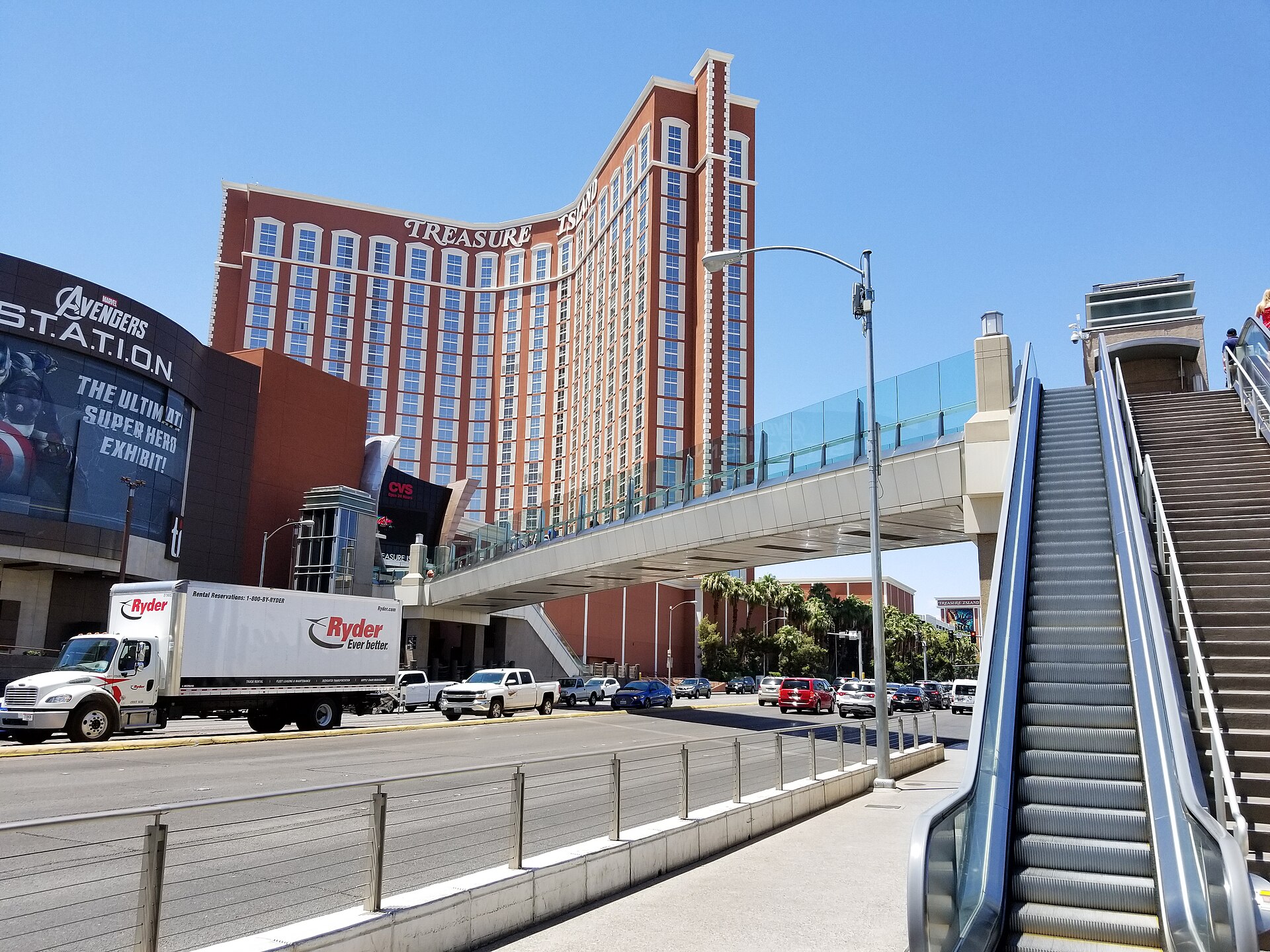
The Clark County Commission approved the ordinance unanimously on January 2, 2024. It covers the pedestrian bridges over Las Vegas Boulevard and the ground within 20 feet of the stairs, escalators and elevators connected to them. Inside those zones, Clark County's ordinance makes it a misdemeanor to "stop, stand, or do something to cause someone to stop or stand," according to the ordinance text as reported by Casino.org. The single exception is waiting to use an escalator or elevator — the county's logic being that a brief queue at a lift is part of the traffic pattern, while a crowd gathered mid-span is not.
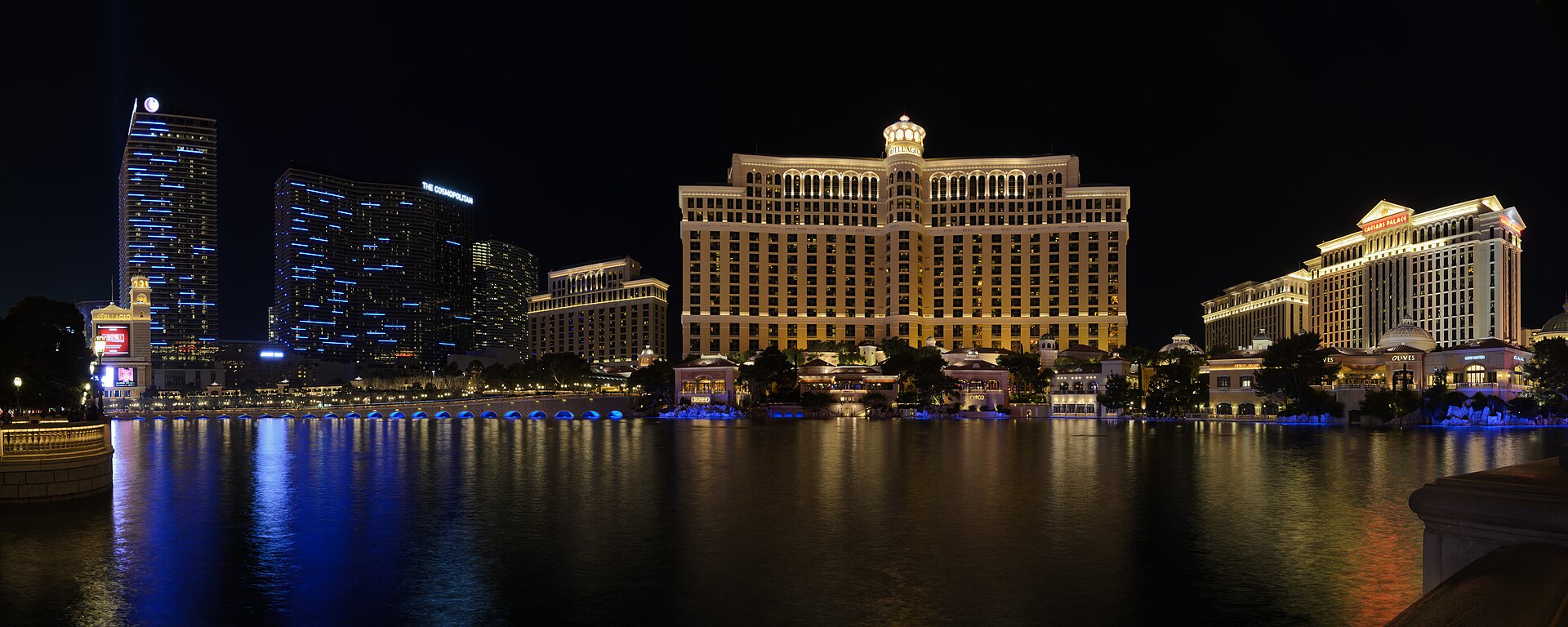
Critics had a nickname ready within days: the Strip Selfie Ban. The name stuck because it captured what most visitors actually do on those bridges. The spans are some of the best free vantage points in the city — the Bellagio fountains in one direction, the whole neon corridor in the other — and for years they doubled as informal viewing decks, busking pitches and meeting points. The county's position was that they are, first, transportation infrastructure: narrow elevated walkways carrying enormous crowds over eight lanes of traffic, where a stationary cluster can back foot traffic up onto escalators and stairs.
What the judge actually said
Judge Dorsey's ruling, as reported by Casino.org, treated the ordinance as what lawyers call a content-neutral public-safety measure: a rule about movement, not about what anyone is saying, filming or protesting. She found that it does not substantially burden speech and does not prevent anyone from exercising their constitutional or civil rights. The county's homework mattered — Dorsey cited a decade of county pedestrian-traffic studies documenting congestion on the bridges, the kind of record courts tend to reward.
One number in the ruling does a lot of work. The bridges, she noted, account for only about 5.7 percent of the resort corridor's sidewalk system. In other words, nearly everything a person might want to do standing still on the Strip — photograph it, perform on it, preach on it, protest on it — remains legal on the other 94 percent, including the sidewalks directly below the bridges. That availability of alternatives is a classic reason courts uphold rules like this one.
Dorsey also conceded the obvious counterargument: the county could have written a narrower rule, applying the ban only at certain times or on certain bridges. Her answer was practical. In her ruling, Judge Dorsey wrote: "It is difficult to predict when large crowds may be on the pedestrian bridges — particularly in light of the numerous large concerts, sports events, and conferences held on the Strip on any given day." Anyone who has watched a bridge fill up in the twenty minutes after a stadium event lets out will recognize the point.
The case against the ban
The ACLU of Nevada sued in February 2024, weeks after the ordinance passed, on behalf of two plaintiffs chosen to show who the law actually touches. Lisa McAllister uses a manual wheelchair and sometimes must pause — resting, repositioning, letting a surge of pedestrians pass. Brandon Summers is a violinist who performs on the Strip, part of the busking culture the bridges have hosted for years. Their argument was that the ordinance is vague — what counts as "causing" someone else to stop? — and overbroad, burdening First Amendment activity and inviting the selective enforcement that the Fourteenth Amendment forbids.
The political framing from the start was broader than the plaintiffs. In a February 2024 news release, ACLU of Nevada executive director Athar Haseebullah said the ordinance could "make criminals out of ordinary people." ACLU of Nevada attorney Christopher Peterson told a local outlet, as The Sun reported: "Las Vegas Boulevard belongs to all of us... your constitutional rights are still there." The Ninth Circuit will now decide whether that argument, which lost at the district court, lands differently one level up.
The county's side of the record was about the worst version of a crowded bridge. LVMPD Undersheriff Andre Walsh raised crowd-crush and monitoring concerns — the fear that a packed, stationary crowd on a narrow elevated span is both a safety hazard in itself and hard for officers to read or reach quickly. That framing, safety rather than aesthetics, is the one the judge ultimately adopted.
What this means for your weekend
Appeals take months, and nobody should plan a Strip walk around the Ninth Circuit's calendar. For now, treat the bridges the way you'd treat a moving walkway at the airport: they're for crossing. Take the skyline photo from the sidewalk at either end — the angles are nearly as good and entirely legal. Don't gather a group mid-span, don't stop to check the map, and if you need to rest, get to the far side first. McAllister's situation is the sympathetic edge of the law, and it is exactly what the appeal will argue about, but the ordinance as written has the one escalator-and-elevator exception and no others.
The timing is not abstract. This is a stadium weekend — Bills Mafia has taken over Las Vegas for Sunday's Raiders game, which means the postgame bridges will be as full as they get all fall. Expect officers to be waving people along, and expect the rule to be enforced the way it was written. The constitutional fight over whether it should exist continues in San Francisco. The walking, for now, continues here. Follow the rest of the day's coverage on the Previously news front.
Sources · 5 sources
- Casino.org — Oct. 9, 2026 (updated Oct. 12): Judge Upholds Clark County Ban on Stopping on Vegas Strip Pedestrian Bridges
- The Sun — Oct. 2026: All Americans and tourists face instant $1,000 fines under 'stop and stand ban' on Las Vegas Strip
- TheTravel — Oct. 2026: Las Vegas' New 'Selfie Ban' Threatens Tourists With $1,000 Fine or a 6-Month Sentence
- GamblingNews — Oct. 12, 2026: Las Vegas to Keep Controversial Ban on Stopping on Bridges as Judge Rejects Legal Challenge
- CDC Gaming — Oct. 7, 2026: Reporting on the ruling and the Ninth Circuit appeal