
ADELAIDE, South Australia
More than 8,000 sharks and rays died during South Australia's toxic algal bloom, in what The Guardian reported is the largest known mass mortality of sharks and rays globally. The figure comes from a new analysis of citizen-science and government records, reported by Petra Stock in The Guardian on Friday, which recorded 31 species of sharks, rays, skates and stingarees in the death toll — and endangered species are among the dead.
The analysis was led by marine ecologist Janine Baker, The Guardian reported, and it leans heavily on work done in the water and on the beaches by ordinary people. Citizen scientists and divers were instrumental in gathering the data, recording animals that washed up or were found in affected waters so that a toll spread across a long coastline could be counted at all. Without that record, much of this loss would simply never have been documented.
The numbers behind the record
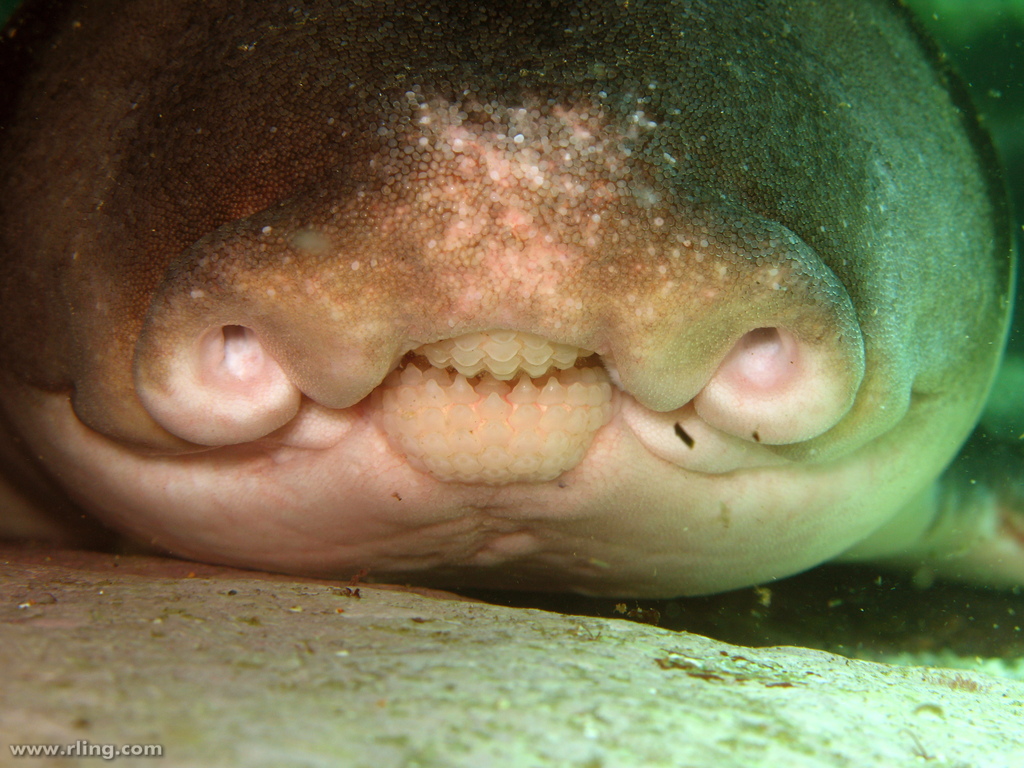
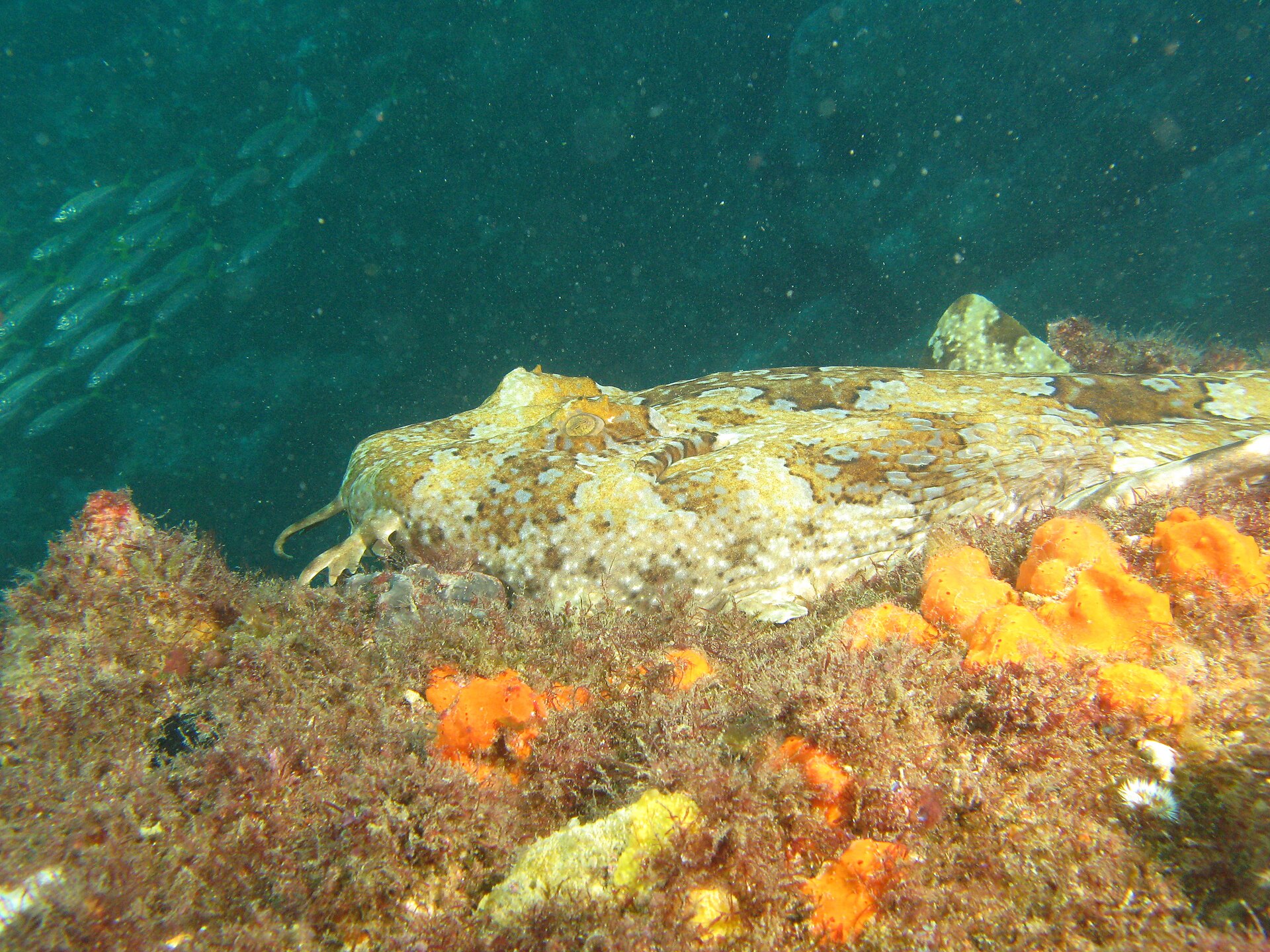
By count, the hardest-hit species was not a big ocean shark but a familiar bottom-dweller. The Guardian reported about 4,460 southern fiddler rays in the toll, followed by about 850 Port Jackson sharks, 670 cobbler wobbegongs and 650 western shovelnose rays. Those four species alone account for most of the recorded deaths, and they tell a story about where the bloom did its worst work: close to the seabed, in the shallow coastal waters where these animals live, feed and rest.
Bottom-dwelling — benthic — species dominated the toll, The Guardian reported. But the victims ranged widely in size and in habit, from dinner-plate-sized skates and stingarees to bronze whalers and white sharks several metres long. Even wide-ranging white sharks were hit, a detail that underlines how broad the exposure was: this was not a loss confined to one reef, one bay or one kind of animal.
And the recorded figure is almost certainly not the full figure. The counts are likely an underestimate, The Guardian reported, because they exclude shark eggs and animals that died offshore, where no diver, walker or citizen scientist would ever find them.
A hotspot where many species live nowhere else
South Australian waters hold more than 50 shark and ray species, The Guardian reported, and many of them are small endemics — species found nowhere else on Earth. That is what makes a toll of this size in this place especially difficult to absorb. When a widespread species loses individuals, other populations elsewhere remain. When a range-restricted species loses a large share of its animals in the only waters it occupies, there is no elsewhere.
Among the dead, The Guardian reported, were coastal stingarees, which are listed as endangered by the IUCN, pygmy thornback skates, which are found only in South Australian waters, and vulnerable Melbourne skates. Little is known about these small, range-restricted species, and a large proportion of their individuals may have been affected. For animals that science has barely had time to study, the bloom may have changed their prospects before researchers could even establish a baseline.
Prof Charlie Huveneers, a shark ecologist at Flinders University, told The Guardian the scale of the bloom is “unprecedented,” that the number and diversity of species hit had never been seen before, and that it may have led to the collapse of some local populations. He noted it was surprising the bloom hit a whole range of species, not just a couple, suggesting sharks and rays are highly susceptible. Familiar species — Port Jackson sharks, southern eagle rays and fiddler rays — washed up alongside unfamiliar ones like cobbler wobbegongs, he said.
Prof Culum Brown, a fish and shark researcher at Macquarie University, told The Guardian: “To see these deaths at this sort of scale is pretty heartbreaking.” Brown said Australia is a hotspot for shark diversity, and that the bloom affected pretty much the entire food web, all the way to the top.
What the underlying report found
The underlying report found that many of the impacted sharks and rays, adults and juveniles alike, showed signs of blood pooling under the skin and blood leakage from the orifices, The Guardian reported. That pattern was recorded across species, which is part of why researchers are treating susceptibility as a broad trait of these animals in this bloom, rather than a quirk of one or two unlucky species.
In some areas, previously common species are now rarely seen, The Guardian reported. Local behaviour can raise the risk, too. South Australian Port Jackson sharks stay put year-round, unlike east-coast populations that migrate — so when the water where they live turned toxic, they did not leave, putting them at greater risk.
One part of a much wider bloom
The sharks and rays were among more than 800 species affected by the bloom of Karenia cristata, which The Guardian describes as Australia's first bloom of that rare, toxic algae. Eighteen months on from the start of the bloom's spread, The Guardian reported, surveys show a catastrophic decline in giant cuttlefish and deaths of thousands of sea dragons, pipefishes and seahorses.
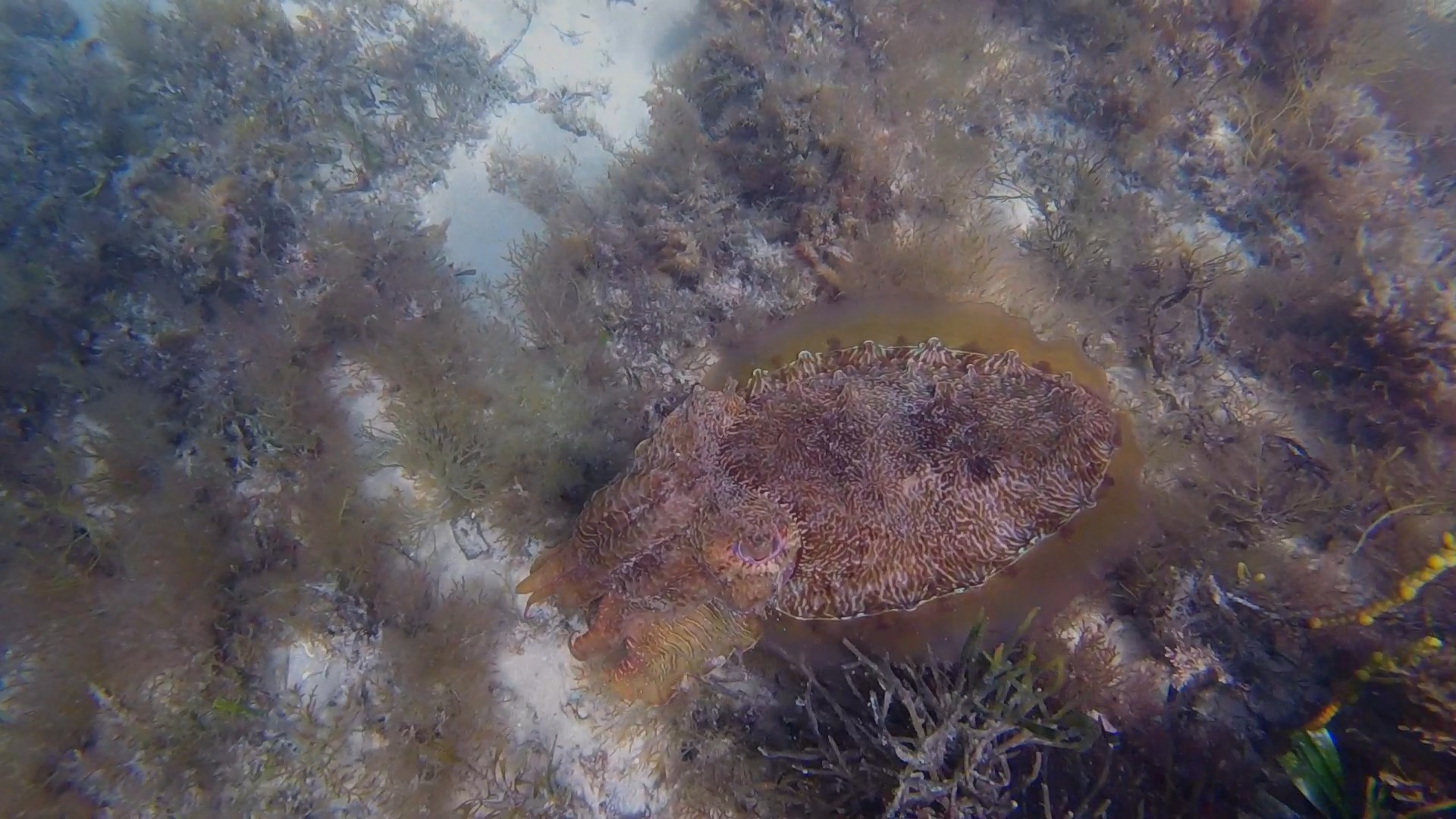
According to the Australian Marine Conservation Society, the bloom began in March 2025, eventually stretched across more than 20,000 square kilometres, reached depths of 30 metres, and killed approximately 1 million marine animals of more than 600 species overall, including leafy and weedy sea dragons. Those are the Society's figures for the bloom as a whole, set out separately from The Guardian's reporting of the new sharks-and-rays analysis — and together they give a sense of an event that ran from the top of the food web, as Brown put it, all the way down through it.
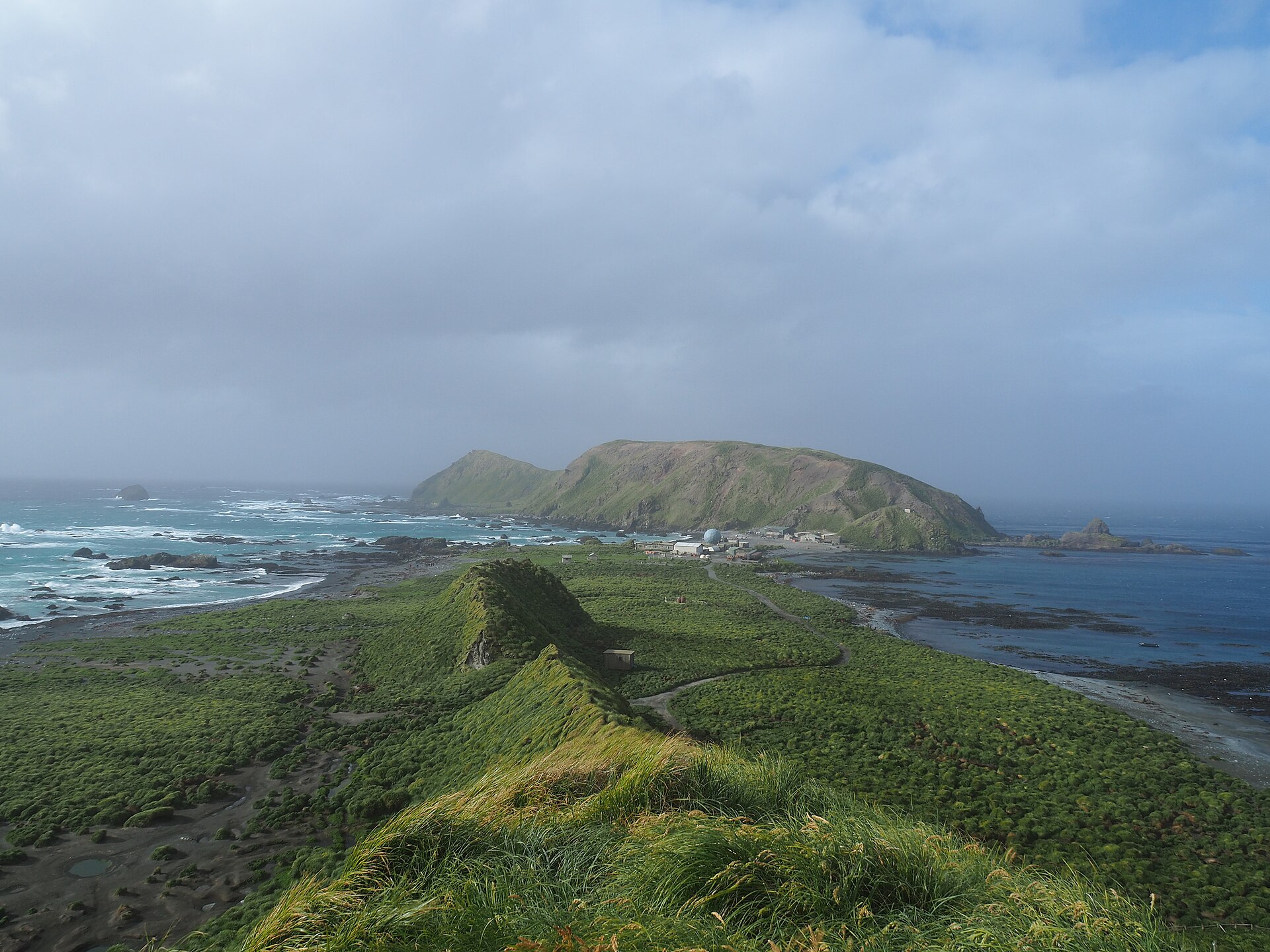
It is not the only Australian wildlife emergency Previously has followed this week. On sub-Antarctic Macquarie Island, officials have confirmed H5 bird flu in an elephant seal and a kelp gull — a different threat, in a very different landscape, with the same underlying anxiety about places that have nowhere else to send their wildlife. Read that story here: Deadly H5N1 Bird Flu Reaches Macquarie Island.
What happens next
Huveneers told The Guardian that understanding the impact is the first step toward supporting recovery. That work is now formally under way. The Guardian reported that the state environment department is finalising a comprehensive assessment of the bloom's impact on nearshore marine biodiversity, including sharks and rays, to guide recovery, and a department spokesperson said citizen-science data will inform expected recovery timelines and monitoring design.
No recovery timeline has been given, and for the smallest species in the toll, an honest timeline may be hard to offer at all: if little was known about them before the bloom, judging how they are recovering will take careful, repeated surveying of exactly the kind citizen scientists and divers have already been doing. Their records built the count that made this record visible. They are likely to be central to whatever recovery story follows, too. More science and world coverage is on the Previously news front.
Sources · 2 sources
- The Guardian — More than 8,000 sharks and rays died in South Australia's toxic algal bloom, analysis finds
- Australian Marine Conservation Society — South Australia's algal bloom crisis: a warning we can't ignore