
October 17, 2026
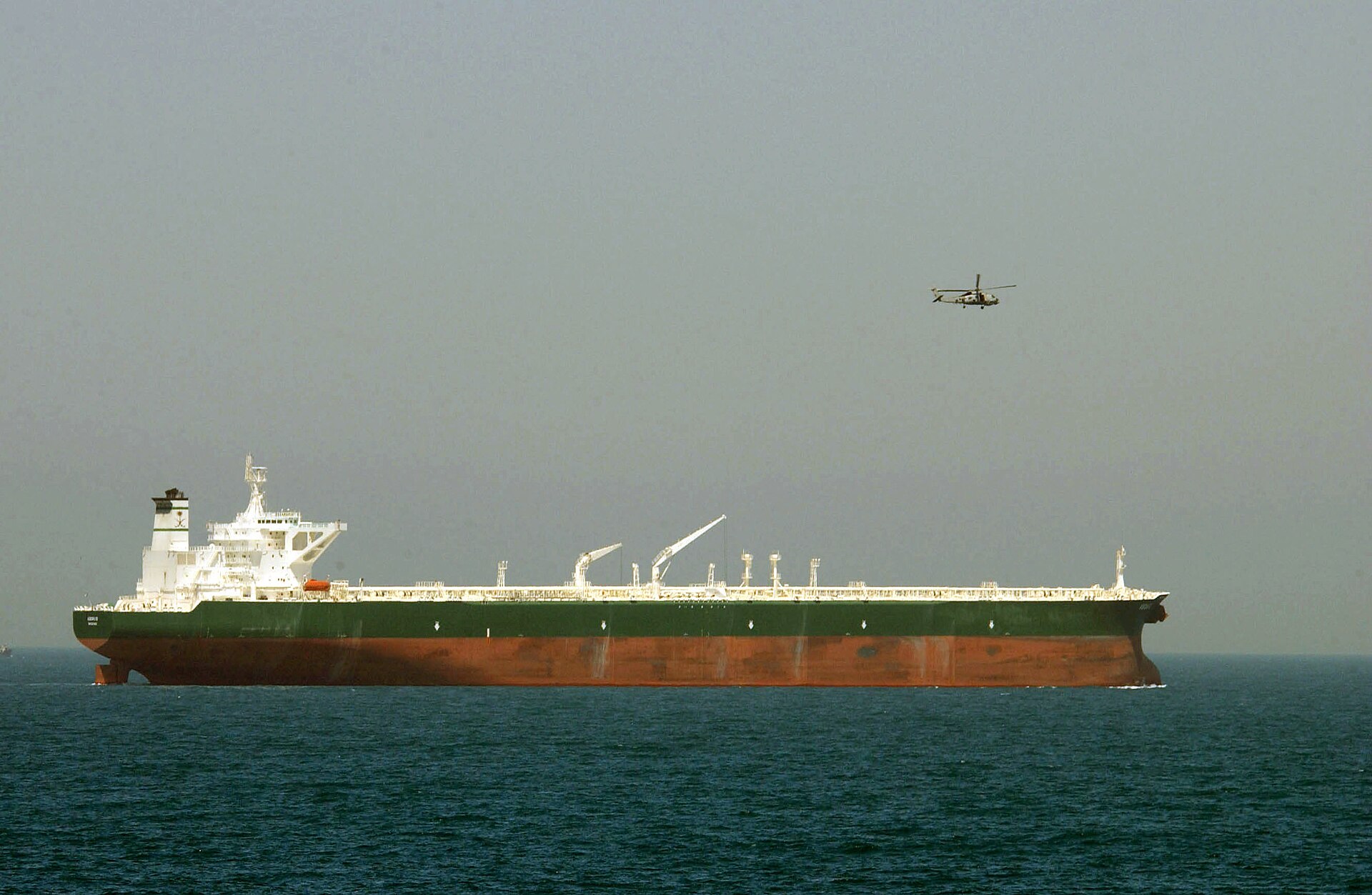
Iran's Revolutionary Guards say a supertanker carrying more than two million barrels of crude oil struck a sea mine and exploded in the Strait of Hormuz early on Saturday, October 17 — a claim reported by several outlets but not independently confirmed, with no public identification yet of the vessel, its owner or the condition of its crew. The account, and the sharp American rejection of Iran's claim to control the strait, land in a waterway that has been contested since late February and that both sides now describe in directly contradictory terms.
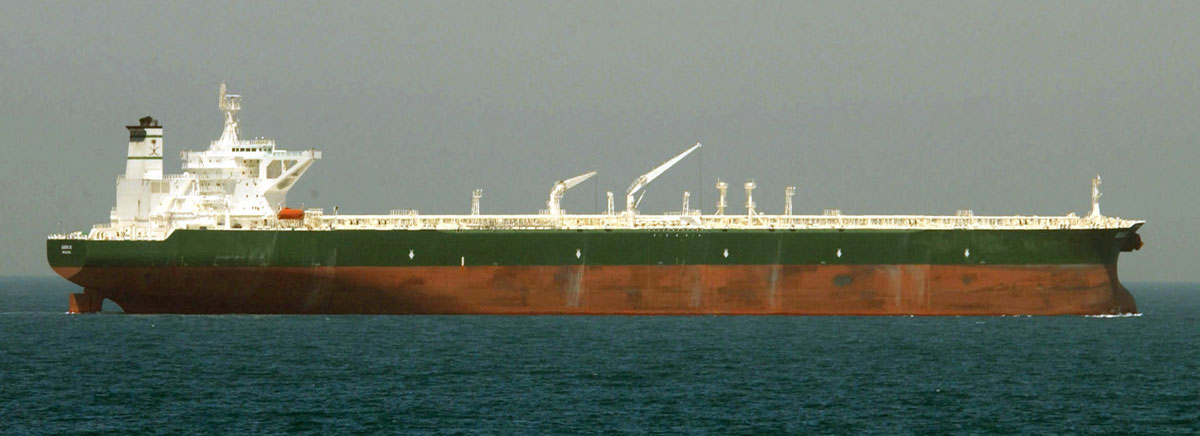
According to the Daily Guardian Europe, the Islamic Revolutionary Guard Corps navy said in a statement shared via Iranian state media that a tanker carrying more than two million barrels of oil struck a mine while "attempting to pass through an unauthorised route" in the strait, causing a "massive explosion" and a "fierce fire." The Daily Guardian Europe reported that it was unclear exactly where the incident took place. The Daily Express reported the same IRGC statement, noting that it was carried by Iran's semi-official Tasnim news agency and that the tanker had, according to the IRGC, switched off its tracking and radar systems before attempting the crossing.
What Tehran Says Happened
The IRGC accused the tanker of turning off its positioning and radar systems in an effort to evade detection, according to the Daily Guardian Europe. The Daily Express reported that the IRGC alleged the crossing was a deceptive manoeuvre supported by the U.S. military, and that the Guards declared the Strait of Hormuz remained closed and warned vessels against violating Iran's regulations. The Daily Guardian Europe quoted the IRGC navy statement as saying: "The Strait of Hormuz is closed, and the consequence of defying Iranian regulations in the Strait of Hormuz is burning in the fire of trust in the terrorist US army." Iran's Fars news agency posted a video appearing to show the vessel ablaze, according to the Daily Guardian Europe.
What Is Not Confirmed
The limits of what is known need to be stated plainly. The Daily Express reported that the claims could not be independently verified, and that no further details about the tanker's identity, the extent of the damage or possible casualties were immediately available. Al Jazeera, in reporting summarized by BriefTea, likewise reported that the vessel, its owner and the crew's condition had not been named or independently confirmed. Previously is treating the explosion itself as an Iranian claim, not as a confirmed event, until a shipowner, a flag state, a maritime agency or another government confirms it.
Washington's Answer
The United States gave a directly competing account of who controls the waterway. The Daily Guardian Europe reported that the U.S. military has repeatedly pushed back on claims that the IRGC controls the strait, saying commercial vessels have continued to transit the region "despite unwarranted IRGC aggression." Admiral Brad Cooper, the commander of U.S. Central Command, said in an update on Friday that U.S. forces were working with regional allies and partners in the shipping industry to help protect vessels navigating the strait, according to the Daily Guardian Europe. "Let me be clear, the Strait of Hormuz is controlled by the United States and our regional partners, not Iran," Cooper said, according to the Daily Guardian Europe. "It remains open for business."
Other maritime violence was reported in the region in the same window, though its relationship to the tanker claim is not established. Sweden Herald reported that one or two ships were attacked in the central Persian Gulf on Friday, according to the British Navy's maritime traffic watchdog, UKMTO, and that in one attack a ship was reportedly hit by rocket-propelled grenades fired from a smaller boat, with no one injured. NationPress reported that the mine claim was, by the IRGC's own account, the second such incident in the same week, saying the Guards had claimed on Wednesday that a container ship attempting an unauthorised route sank after hitting a naval mine south of the waterway. Those earlier claims have also not been independently established in the reporting available on Saturday morning.
Why the Strait Matters
The stakes of any disruption are outsized because of what normally moves through the strait. The Daily Guardian Europe reported that the passage usually carries around 25 percent of the world's seaborne oil trade, while Reuters put the pre-war figure at about a fifth of global oil and liquefied natural gas trade. The Daily Guardian Europe reported that Iran effectively cut off the passage following U.S. and Israeli strikes on the country in late February, prompting the United States to impose a naval blockade on Iranian ports. Traffic has been severely curtailed since, driving up oil prices, though some oil has continued to transit, according to Reuters.
The October 14 Warning
That price pressure is, by Iranian officials' own account to Reuters, part of the strategy. Reuters reported on October 14 that Iran is deploying new tactics to target ships sailing through the Strait of Hormuz as it seeks to keep oil prices high and influence the U.S. midterm elections, according to two senior Iranian officials who spoke to Reuters. BusinessWorld, carrying the Reuters report, said the officials declined to provide details of the new strategy, but that one official said Iran had started using different offensive tactics against vessels it considered in violation of its restrictions about ten days earlier, leading to an increase in attacks. "The aim is to frustrate efforts by the United States and its allies to bring down global oil prices," one of the two officials told Reuters. A U.S. military official, speaking on condition of anonymity, confirmed to Reuters that Iran had changed tactics in one significant way: after the United States destroyed much of Iran's radar capability, the IRGC had started using unarmed spotters in small boats to identify potential targets, including U.S. naval vessels.
Read against that October 14 Reuters reporting, Saturday's mine claim — whether the underlying incident is confirmed in the form Tehran describes or not — functions as a public message as much as a maritime report. The IRGC statement warns every other shipowner away from unauthorised routes, asserts that the strait is closed, and does so seventeen days before the November 3 midterm elections, at a moment when Reuters has already reported Iranian officials saying elevated oil prices are an intended lever on that vote. The American response, delivered by CENTCOM a day earlier, asserts the opposite on every point: the strait is open, and it is controlled by the United States and its partners.
What Would Settle It
What would settle the immediate facts is independent confirmation: a named vessel, a statement from its owner or flag state, a UKMTO or coalition maritime report matching the time and position, or satellite imagery of a burning supertanker. None of that was in the public reporting available on Saturday morning. Until it appears, the verified core of this story is narrower and still significant: Iran's Guards have publicly claimed a mine destroyed a laden supertanker in the world's most important oil chokepoint, the United States has publicly insisted the chokepoint is open and under its control, and the two claims cannot both be true. Previously will update this story if independent confirmation of the incident emerges. Related coverage from Previously: Trump waives the new Russia sanctions as Russia strikes Ukraine overnight; Germany's push to keep Ukraine aid flowing; and Indonesia's worst stock-market day since 1998.
Sources · 5 sources
Reporting based on coverage from the Daily Guardian Europe, the Daily Express, Reuters (carried by BusinessWorld), Sweden Herald and Al Jazeera reporting summarized by BriefTea. Facts cross-checked across at least two independent outlets before publication.
- Daily Guardian Europe — Super tanker ablaze after striking mine in Strait of Hormuz, IRGC says
- Daily Express — Oil super tanker hits sea mine, catches fire in Strait of Hormuz; says IRGC
- Reuters via BusinessWorld — Iran shifting tactics to step up attacks on shipping before US vote, officials say
- Sweden Herald — Iran Says Supertanker Hit Naval Mine in Strait of Hormuz as Ships Come Under Fire in Persian Gulf
- NationPress — IRGC says supertanker exploded hitting mine in Strait of Hormuz