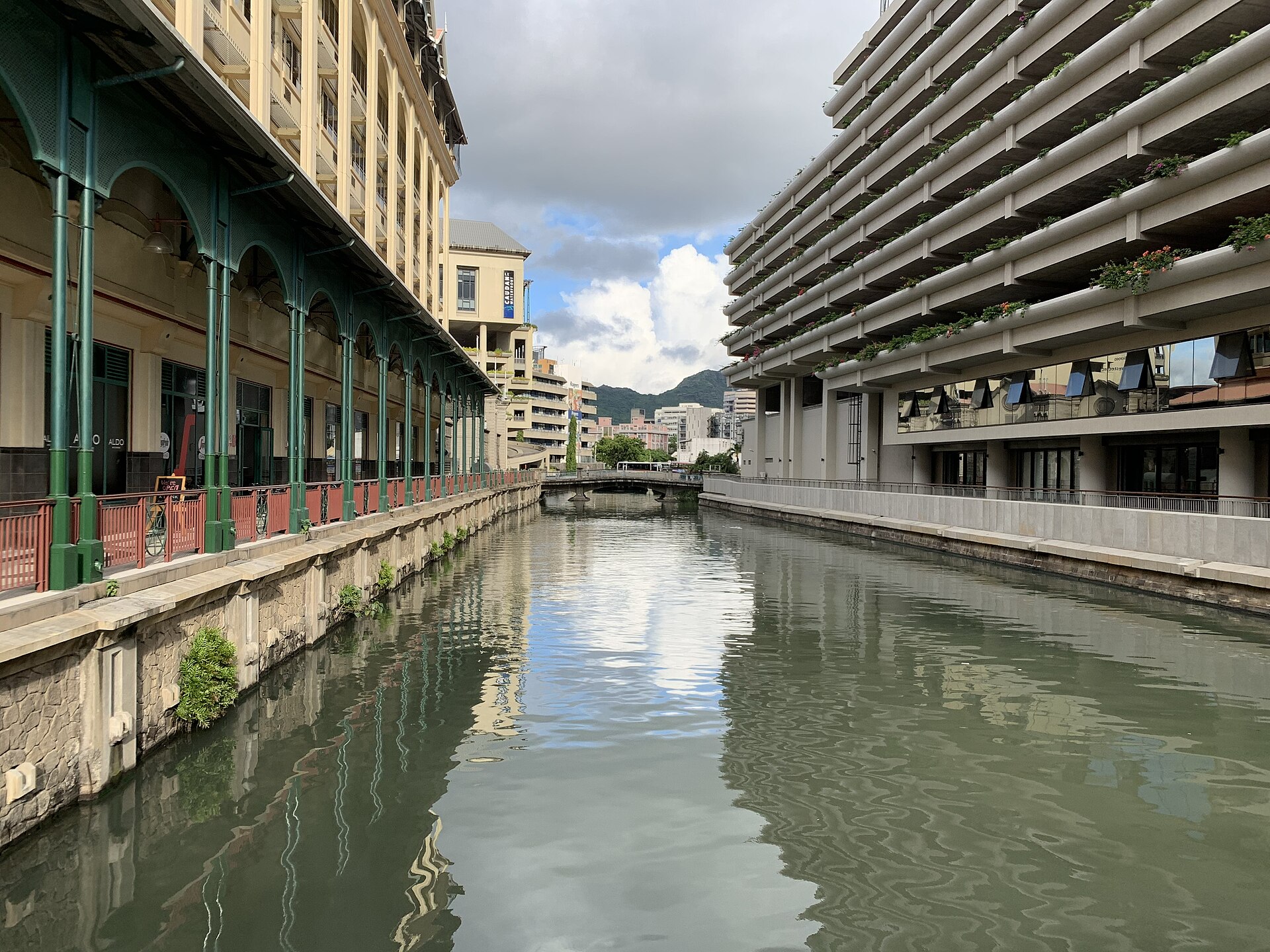

PORT LOUIS
Mauritius woke up quiet on Thursday. After the worst civil unrest the island has seen in more than a quarter of a century, police said every road was passable, nothing was blocked, and work and daily life could resume as the overnight curfew lifted, Bloomberg reported. It was a deliberately ordinary message — and ordinary is exactly what the government is trying to sell back to the country, and to the tourists and investors watching from far away.
The calm came at a price. On Wednesday the government extended its island-wide curfew for two more nights, keeping people indoors from 8:30 p.m. until the early morning in the capital, Port Louis, and the island's other main population centres. Schools stay shut for the rest of the week, with a single exception for students sitting international examinations. The Associated Press reported that police made further arrests overnight even as they declared the situation under control, and the running total since the riots began stands at about 94 people.
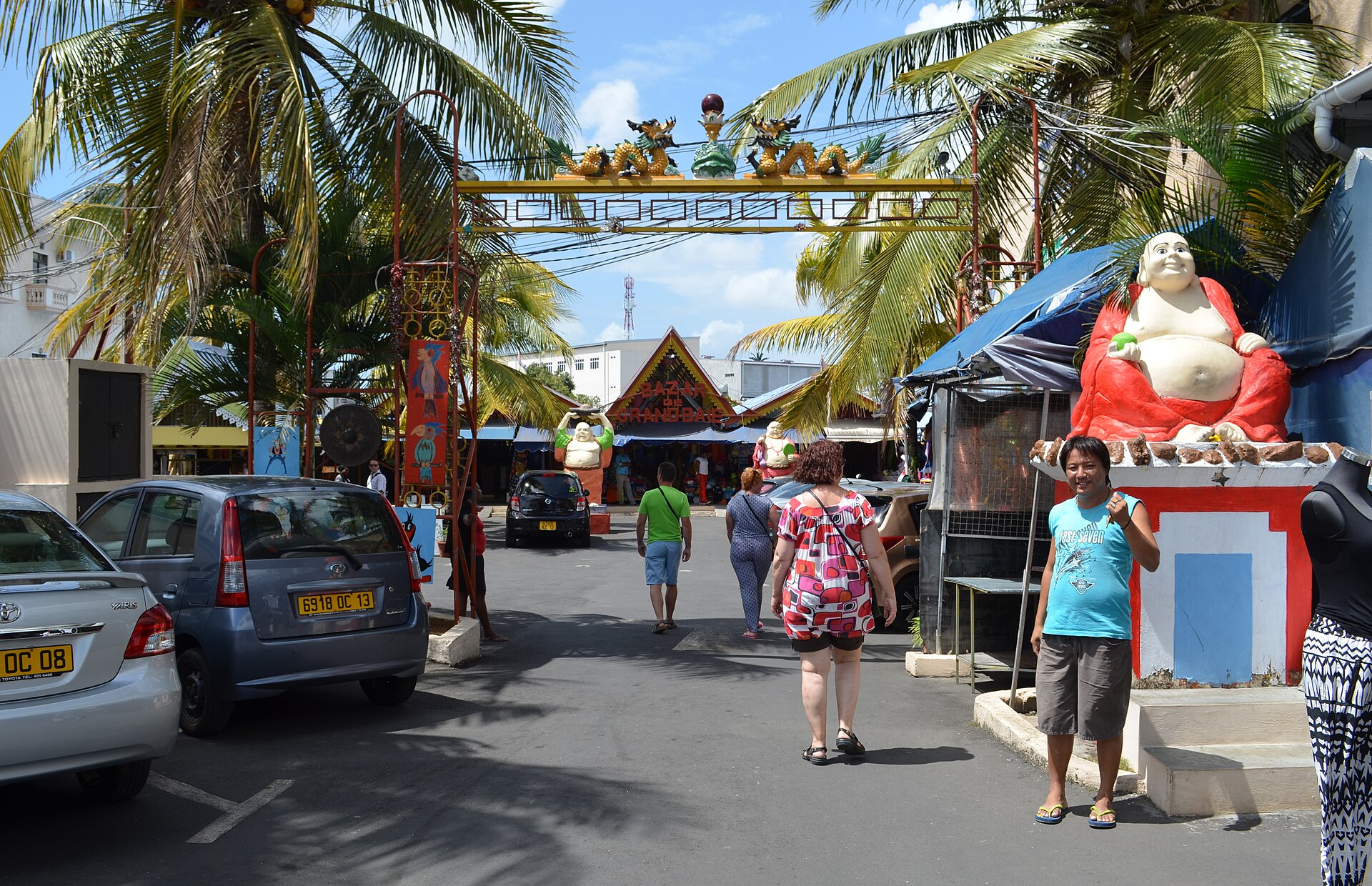
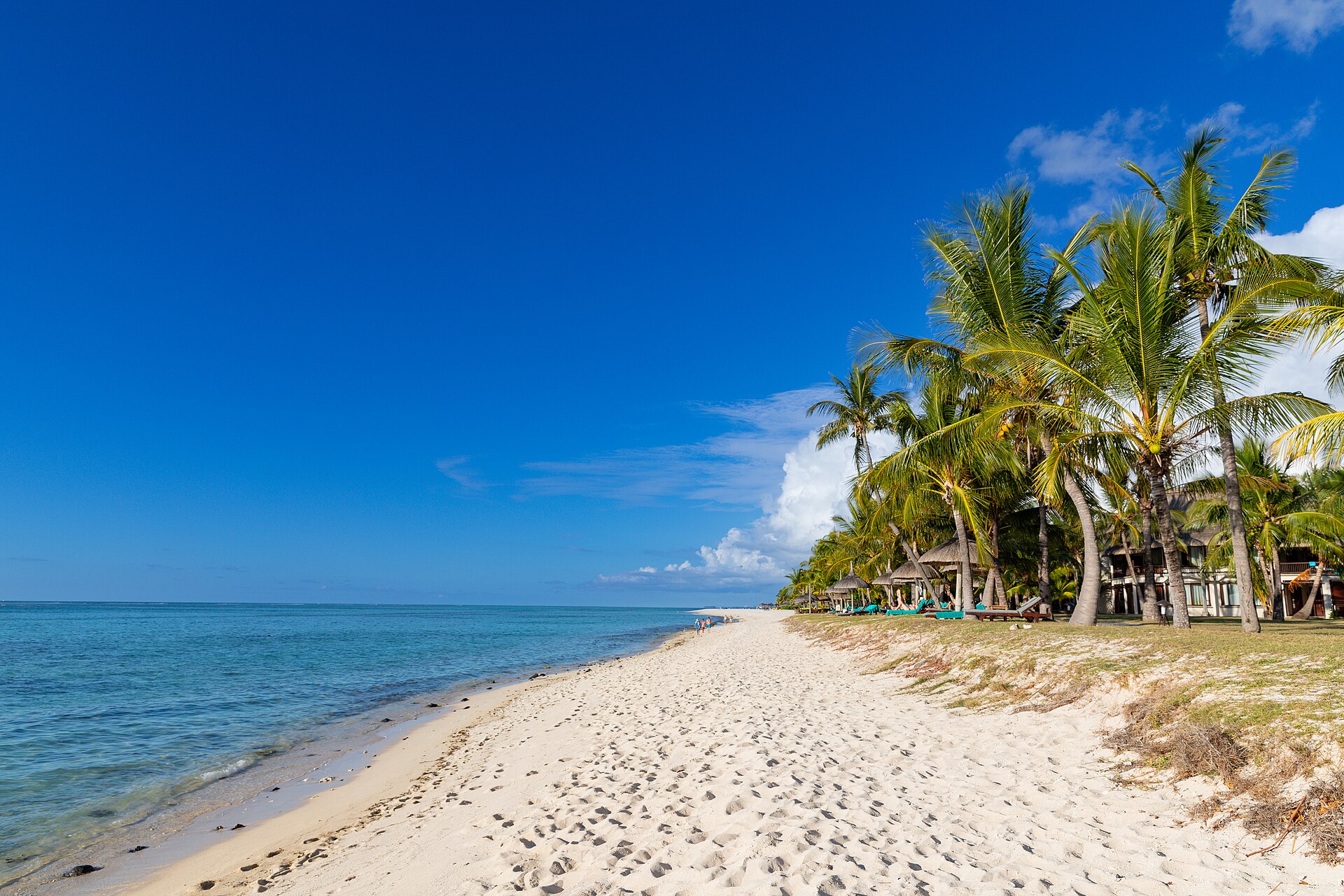
None of this started with riots. The protests began peacefully last week, and their subject was the most basic one imaginable: water. Households facing shortages and cuts joined a broader anger over the cost of living, and for days the demonstrations were the kind a stable democracy is supposed to absorb without drama. Mauritius, after all, is the Indian Ocean's model pupil — a tourism and financial-services hub that has sold itself for decades as the calm, reliable island in a rough neighbourhood.
Everything changed on Friday. At a roadblock in Beau Bassin-Rose Hill, southwest of the capital, a police officer shot and wounded a woman, the AP reported. She was taken to hospital and underwent surgery to remove a bullet. The circumstances of the shooting remain unclear, but its effect was immediate: a protest about taps and prices became a protest about the police themselves. The officer involved has been arrested and remanded in custody, and police said three other officers were suspended for failing to help a person whose life was in danger. The national prosecutor's office has said the investigation should also cover the paramilitary Special Mobile Force officers who were present at the scene.
Over the weekend the island tipped over. Protesters burned tyres and blocked roads with debris, police stations and other public buildings were vandalised, and looting was reported in places. Videos published by a Mauritian news outlet showed what appeared to be fireworks being fired at police officers, the AP reported, and the Special Mobile Force — the country's paramilitary police unit — was mobilised. Foreign embassies issued caution alerts to their citizens, an extraordinary step for a destination that markets itself on serenity.
Prime Minister Navin Ramgoolam, who ordered the first curfew on Tuesday, took a hard line in a televised address, warning that people involved in violence and destruction would face very heavy consequences. Local reporting put the penalties for breaking curfew at up to five years in prison and a fine of up to 50,000 Mauritian rupees — about $1,050 — with officials also raising the possibility of prosecutions under the Prevention of Terrorism Act. For an island that last saw disorder on this scale in 1999, when the death of a popular musician in police custody set off days of rioting, the echo was impossible to miss.
It is worth pausing on why a water protest could carry this much charge. Mauritius runs on two engines, tourism and finance, and both depend on an image of frictionless calm. Underneath that image, the cost of living has been squeezing households — and water, on an island surrounded by ocean, became the grievance everyone could point to. Analysts told the BBC that the government had responded to the first water protests by getting more water to households, which raises the obvious question of why it took a crisis to turn the taps up.
The economic risk, for now, looks contained. Jervin Naidoo, a senior political economist at Oxford Economics, told Bloomberg the unrest reads as a temporary disruption rather than a fundamental deterioration in the country's investment outlook — while adding that the protests expose socioeconomic pressures the government will have to address if it wants to protect the stability the island's brand is built on. That is the polite version of a warning: a curfew can clear the streets, but it cannot refill the reservoirs or lower the grocery bill.
What happens next runs on two clocks. The first is short: the curfew's remaining nights, the court process for the arrested officer, and an official investigation the prosecutor wants widened beyond a single shooter. The second is longer: whether the government treats this week as a security problem to be policed or a warning to be answered. Analysts have cautioned that unrest could return if the shortages last until the December rains — and December is not far away. Readers catching up on the night's other developments can find them in our Nightly News Wrap-Up for October 15, while EU leaders were meeting in Brussels on Thursday with their own economic fights on the table. The full day's coverage is on our news index.
For one Thursday morning, at least, the island got its ordinary back — clear roads, open shops, and a police statement telling everyone to get on with their day. Mauritius has built its prosperity on being the place where nothing like this happens. This week proved it can happen there too. The curfew lifts night by night; what the government does in the daylight will decide whether it stays lifted.
Sources · 2 sources
- Associated Press — Mauritius imposes curfew to calm days of protests
- Bloomberg — Mauritius says calm restored following spasm of public disorder (via Moneyweb)