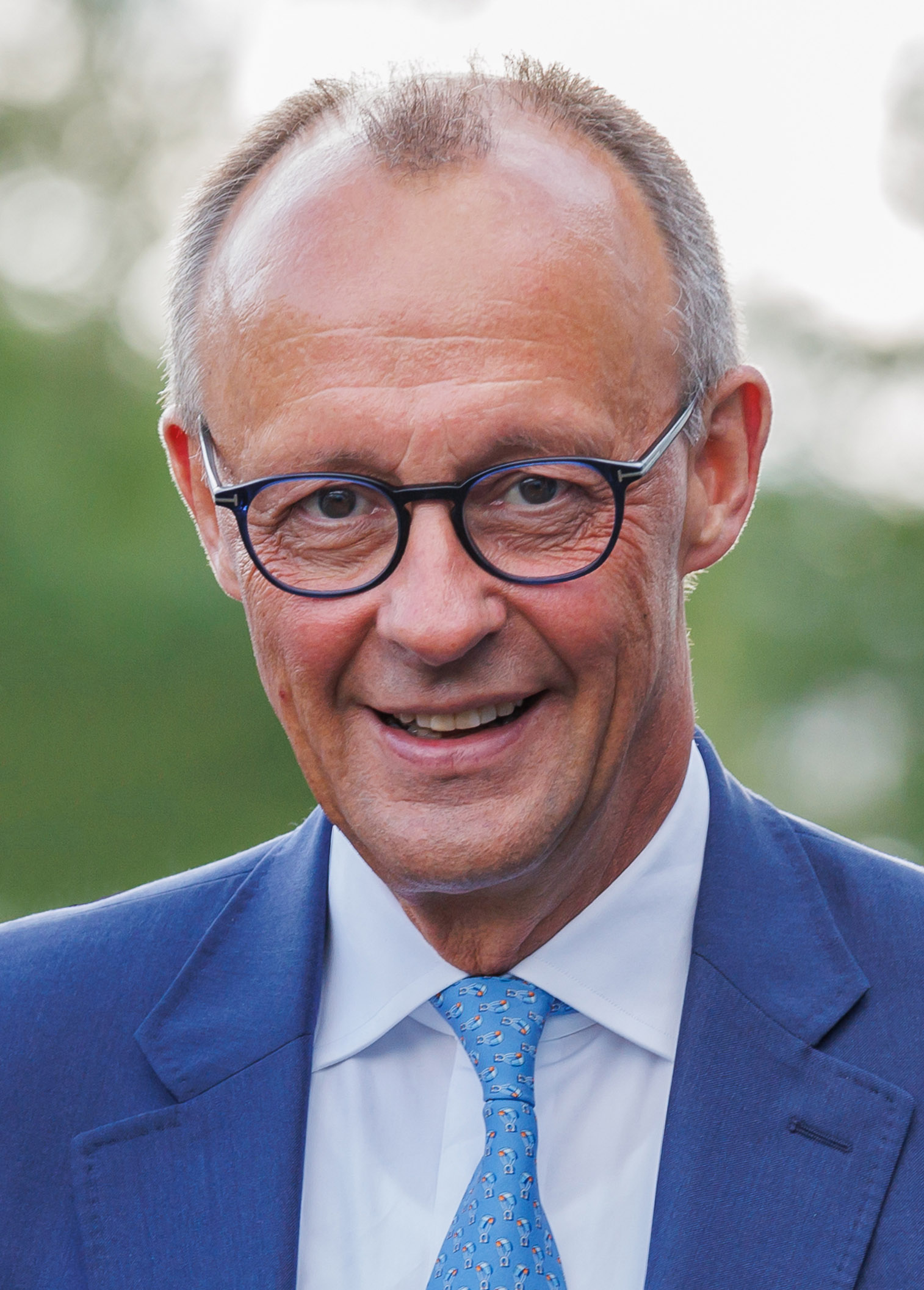
KYIV, OCTOBER 4, 2026 — German Chancellor Friedrich Merz arrived in Kyiv on Sunday morning, stepping off a train with an unusual entourage in tow — the chief executives of Germany's biggest defense and energy companies — in a show of support for President Volodymyr Zelenskyy as Russian attacks on Ukrainian cities escalate with winter approaching.
Merz will announce a package of measures that includes the release of €1 billion in military aid and €350 million for repairs in the energy sector, German government officials told Reuters. The visit is also expected to finalize a deal for the joint production of various kinds of drones — the centerpiece of a wartime industrial partnership Berlin and Kyiv have been negotiating for months.
"I travelled to Kyiv today because Ukraine needs all our support in the coming weeks," Merz said on arrival, describing Russian forces bombing towns, residential buildings and heating plants. "If Russia is not stopped, sooner or later its war machine will turn against us." He added: "I will tell President Zelenskiy today: 'You can continue to count on our help.'"
The chancellor is accompanied by Minister for Economic Affairs Katherina Reiche and an economic delegation including executives from Siemens Energy, Hensoldt, Diehl Defence, Quantum Systems and other firms. The guest list is the message: Berlin is shifting from financing Ukraine's defense to manufacturing it jointly — a move German officials say will let money and technology flow back to Germany, where the weapons are produced and where defenses against drones targeting critical infrastructure can be strengthened.
The drone deal
Zelenskyy said Wednesday, after a phone call with Merz, that Ukraine would soon finalize the deal with Germany for the production of drones, missiles and related software. A key focus is the rapid production of anti-jet interceptor drones, which Quantum — a German defense-technology company — has successfully tested. Since the summer, Russia has used dozens of high-speed jet attack drones daily to target civilian and military infrastructure, and Ukraine is racing to field counters.
The partnership already has a corporate foundation: in April, Quantum and Ukrainian manufacturer WIY Drones announced Quantum WIY Industries, a joint venture to produce the Strila interceptor drone and related air-defense technologies. The broader deal also involves the joint development and production of weapons with a range of more than 1,000 kilometers (600 miles) — arms Ukraine could use to launch attacks deep inside Russia. German officials, speaking to dpa, said Merz intends to commit to delivering thousands of interceptor drones to blunt Russia's jet-powered attack drones, with the money drawn from previously approved budget funds.
Merz is also expected to press the Ukrainian government for progress on reforms requested by EU partners, including in the fight against corruption — the perennial condition attached to Europe's support.
The corporate guest list is itself the strategy, and analysts say it marks a turn. "Berlin is shifting from financing Ukraine to producing with it," the Baltic Security Monitor wrote in a brief on the trip — a move with implications beyond the battlefield, as joint ventures like Quantum WIY Industries plant German-Ukrainian production capacity designed to outlast any single aid package. The delegation numbers 10 executives from German defense and energy firms, according to dpa — there to finalize deals, not just discuss them.
Warnings on both sides
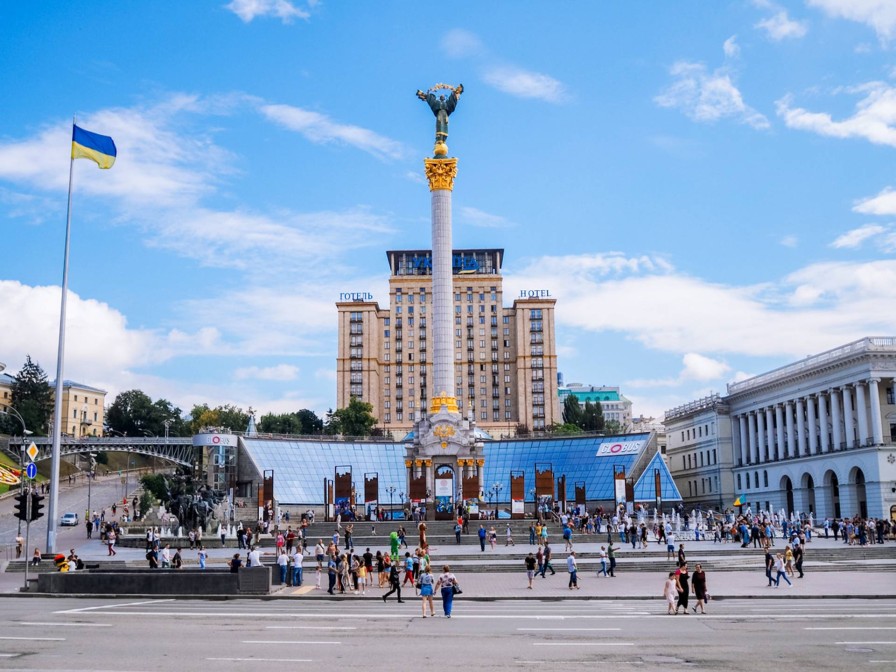
The visit unfolds against some of the war's most pointed rhetoric in months. On Thursday, Merz said Germany would not be intimidated by the rising number of hybrid attacks by Russia on European states. On Saturday, Russia's Foreign Ministry said Moscow would continue to systematically hit targets in Ukraine in what it described as retaliatory strikes for Ukrainian attacks on Russia in recent months — and warned foreign nationals and diplomatic staff against staying in or traveling to Ukraine.
Zelenskyy answered in kind. He told Reuters on Saturday that Ukraine's armed forces would double down on their attacks on oil refineries inside Russia, in response to what he called Moscow's "new doctrine" of escalating attacks on civilian infrastructure — a campaign he said is aimed at forcing residents of Kyiv and other cities to flee as winter sets in.
The refinery campaign is Ukraine's answer to the energy war Russia is waging against its cities. With heating plants explicitly in the crosshairs — Merz named them alongside towns and residential buildings in his arrival statement — the €350 million earmarked for energy-sector repairs is as central to the package as the €1 billion in military aid. Winter, in this war, is a front.
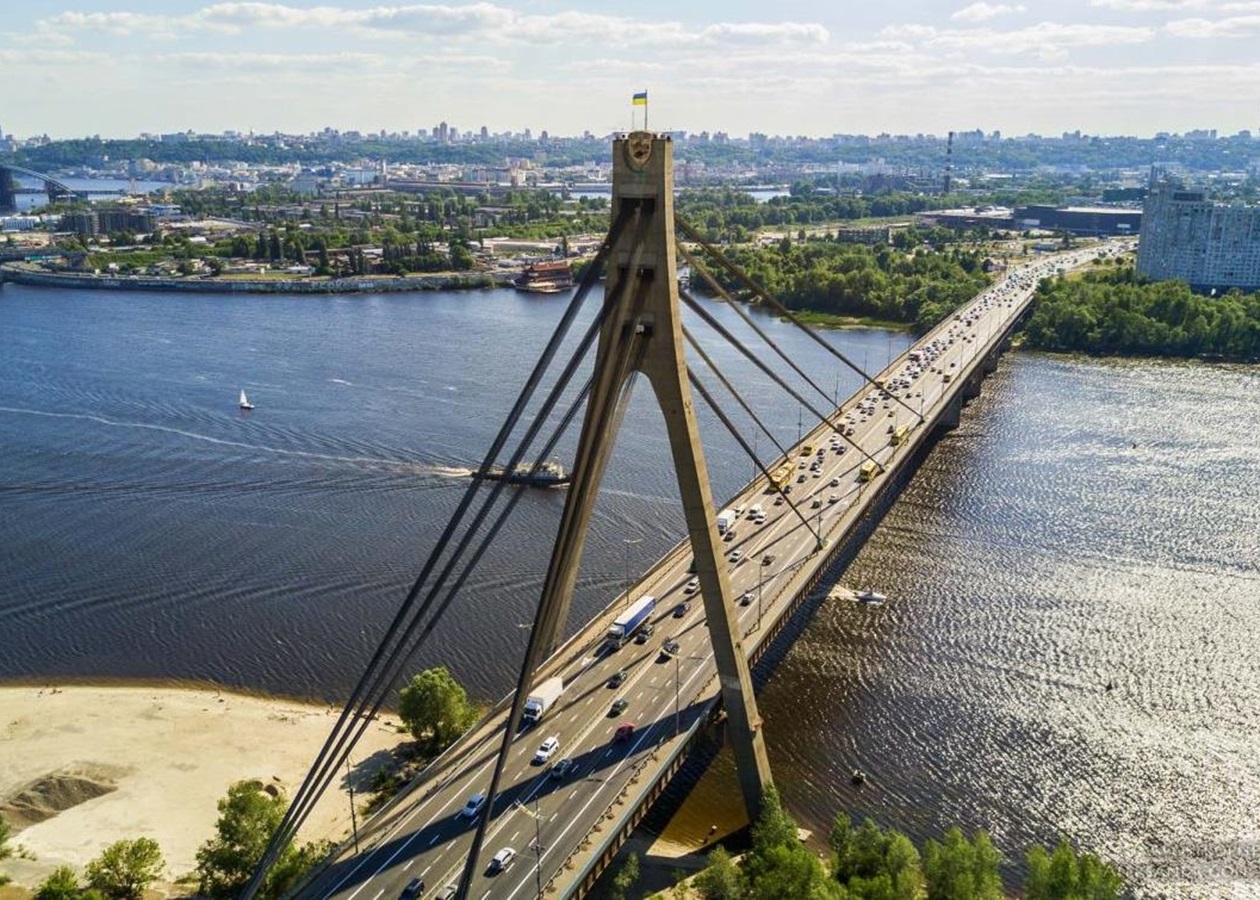
Hours after Merz's arrival, that escalation reached the capital itself: a Russian drone struck Kyiv's North Bridge — our coverage of the strike is here — the second hit on that crossing in two days. (See also our earlier reporting on Russia's strikes on Kyiv's northern bridge and the Lukoil sale's role in the Ukraine talks.)
For Merz, the trip is both solidarity and strategy: stand next to Zelenskyy now, in the weeks before winter, while locking in the industrial deals that will define Germany's role in the war's next phase. "You can continue to count on our help" is the promise. The drone factories are the proof. The news desk will track the announcements as the visit unfolds.