

LAS VEGAS
Nevada's housing shortage is usually described in big, abstract numbers. This week it got a very specific one: $38.16 million, spread across 10 projects, expected to support 891 homes and rental units statewide. The state's Attainable Housing Council approved the funding in its 2026 round, and the most revealing figure in the whole announcement may be the one attached to the projects that did not make it — because for every dollar the council had to hand out, applicants asked for more than three.
01 How the $38.16 Million Breaks Down
The approved funding splits into three broad buckets. The largest single share, $17.545 million, goes to six single-family and smaller projects supporting 432 homes and units — the ownership side of the ledger, aimed at putting Nevada families into homes they can buy rather than rent. Another $12.29 million is committed to land acquisition tied to 285 homes and units, a reminder that in Nevada the dirt itself is often the first and hardest financing problem a project faces. The remaining $8.325 million supports two multifamily rental developments with 174 apartments between them.
Added together, the round backs 454 homes for sale and 437 apartments. That near-even split matters. Nevada's conversation about attainable housing often collapses into a single argument — build rentals or build for-sale homes — but the council's portfolio treats them as two halves of the same problem. Renters who can eventually buy free up apartments; apartments built now give workers a place to land while they save. A round that funded only one side would leave the other side of the ladder missing a rung.
The tools vary by project, too. The council's funding can arrive as subordinate loans, grants or rebates, structured to serve households at different income levels. That flexibility is part of the design: a land purchase, a rental development and a manufactured-home project do not fail for the same reasons, and money that can change shape depending on the gap it needs to close travels further than money locked into a single form.
02 The Projects: From Henderson to West Wendover
For Southern Nevada readers, two names on the recipient list will stand out first. Volunteer Apartments will bring council support to Henderson, the valley's second city and one of its fastest-growing housing markets. Kyle Canyon Townhomes puts funded homes in Las Vegas itself, in the northwest valley corridor where new subdivisions have pushed steadily toward the mountain it's named for. In a metro where attainable product keeps getting built further from the center, both projects land where people already live, work and commute.
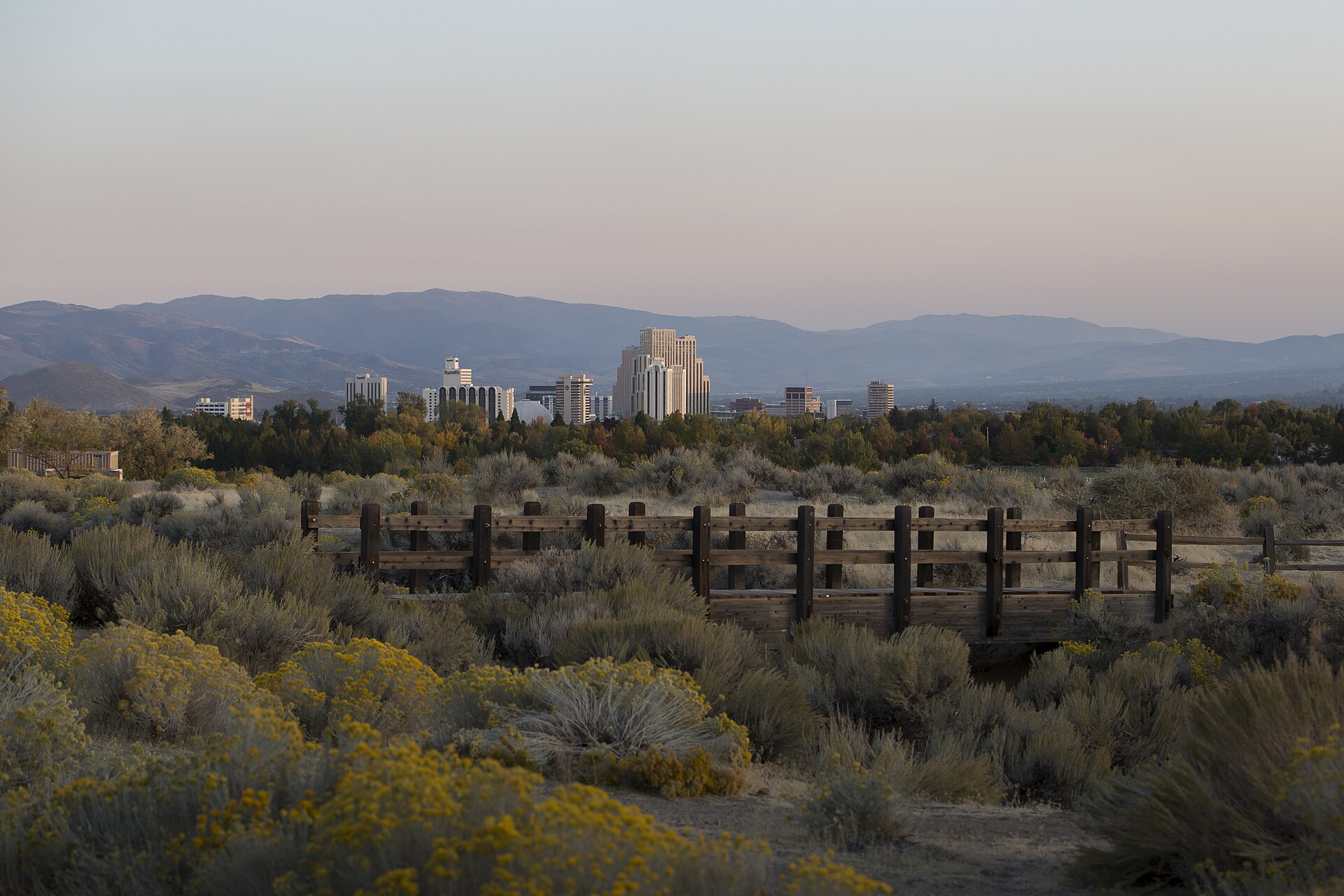
The rest of the list is a tour of the whole state, which is exactly what the council says it was aiming for. The Reserve at Sparks and Golden Valley Homeownership in Reno carry the round into Northern Nevada's two biggest housing markets. Pueblo Phase I reaches West Wendover, on the Utah line. The E William Street Multifamily Adaptive Reuse project puts money into Carson City — and into an existing building, the kind of reuse that can add homes without adding sprawl. The remaining recipients — Welcome Home Community Land Trust, Rome Commons, Linda Topaz and the Silver Springs Manufactured Homes Project — round out a portfolio that deliberately mixes geographies, building types and approaches, including a land trust and a manufactured-housing project, two models that advocates have long argued deserve a bigger share of state attention.
03 The Real Story: $119.79 Million Asked, $38.16 Million Available
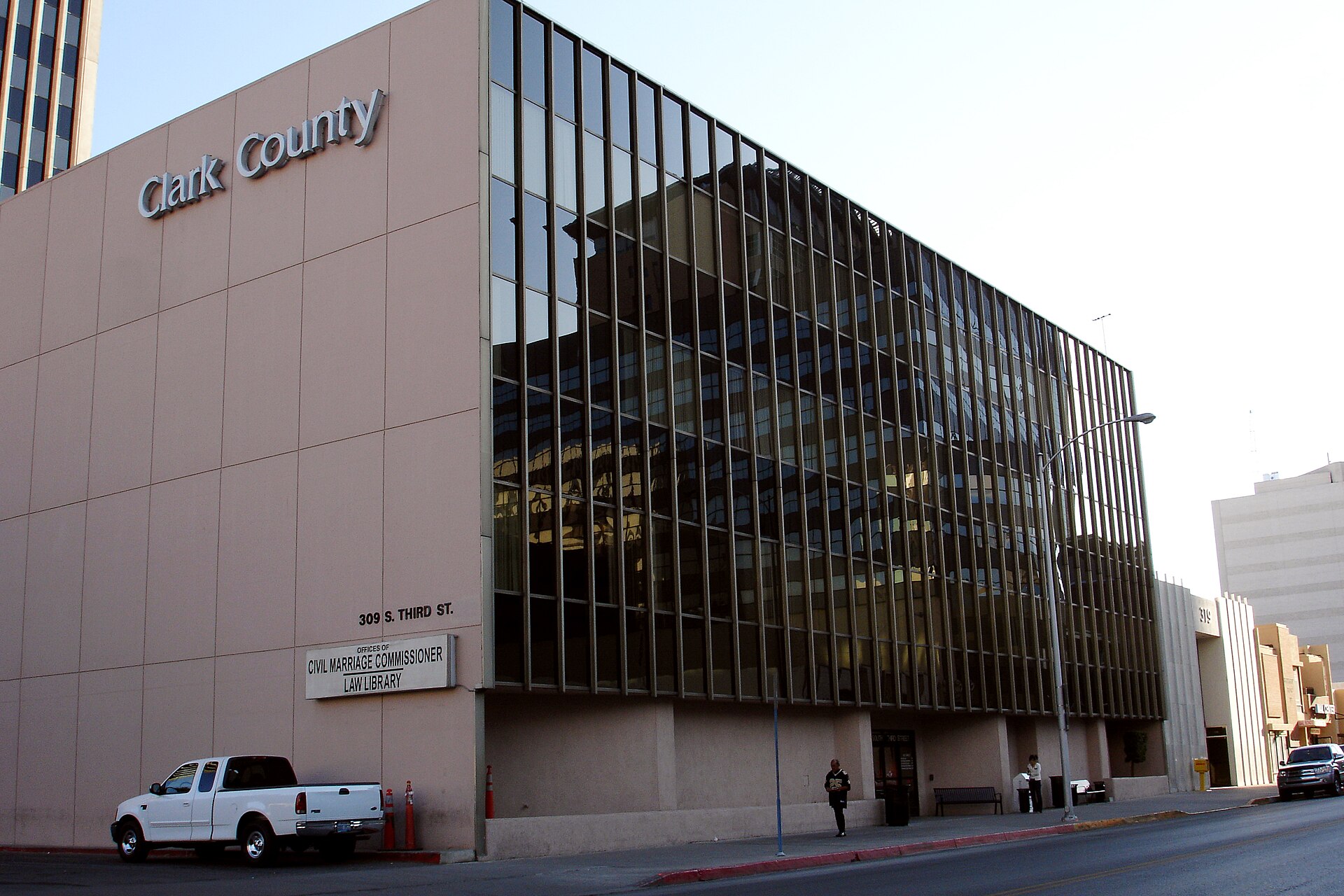
The council received 23 complete applications in the 2026 round seeking a combined $119.79 million. It had $38.16 million. That gap — roughly $81 million of fully formed, application-ready demand left on the table — is the clearest snapshot available of where Nevada housing stands right now. These were not speculative wish lists; they were complete applications, from projects ready enough to be scored. Thirteen of them went home without state backing from this round.
So how did the council choose? According to the announcement, it weighed three things: readiness, geographic distribution, and a project's ability to attract other funding. Each criterion does quiet work. Readiness favors projects that can actually break ground over projects still assembling themselves — public money sitting idle in a stalled development helps no one. Geographic distribution is the guardrail that keeps a statewide program from becoming a Las Vegas-only program, or a Reno-only one. And the ability to attract other funding is a leverage test: state dollars are meant to pull private and federal dollars in behind them, so a project that can multiply $1 of council money into several dollars of total investment scores better than one that cannot.
That is also why the land-acquisition bucket deserves a second look. Land bought with council support, for a project that has already proven it can draw other financing, is often the piece that unlocks everything else. Lenders and tax-credit investors like projects that own their dirt. By funding the ground under 285 homes and units, the council is effectively pre-approving the first, riskiest step of developments that will be back asking for construction money in future rounds.
04 What It Means Here at Home
For Las Vegas and Henderson, the practical meaning is modest but concrete. A funded apartment project in Henderson and funded townhomes in the northwest valley will not, by themselves, move valley-wide prices — 891 homes statewide is a start, not a solution, and nobody involved is pretending otherwise. What rounds like this one do is keep a pipeline alive: projects that survive the financing stage this year become the homes that lease up and sell two and three years from now, and a state that stops funding the pipeline in a tight year feels it as an even tighter market later.
The round also signals where Nevada's housing policy is heading. Ownership and rentals in the same portfolio. Land treated as infrastructure. Rural communities, the capital and both major metros funded in the same breath. And a competitive process transparent enough to publish the uncomfortable number — $119.79 million in need against $38.16 million in capacity — right alongside the winners. The next argument in Carson City and in county commissions across the state practically writes itself: if the demand is documented, complete and more than triple the supply, does the state grow the fund, or keep rationing it?
For more of our Las Vegas coverage, see the latest Vegas Eats volume from the Vegas Desk, and browse the full Previously newsroom for the day's other Southwest stories.
Sources · 1 source
- Las Vegas Focal — Nevada Attainable Housing Council approves $38.16 million for 10 projects supporting 891 homes and units; breakdown by land acquisition, multifamily rental and single-family categories; 23 applications seeking $119.79 million; full recipient list and selection criteria. Oct 12, 2026





