
The series now changes address, and with it, the pressure changes sides. Milwaukee beat Los Angeles 7-4 on Monday night in Game 2 of the National League Championship Series at American Family Field, following a tight 2-1 win in Game 1, and will carry a 2-0 lead into Dodger Stadium on Wednesday. For a Dodgers team that arrived as the favorite, the math is suddenly plain: protect home field, or watch a season built around another deep October run end far earlier than expected.
A crowd of 42,516 watched Game 2, a night after 42,617 saw the opener, and the home fans got a game that swung repeatedly before Milwaukee finally pulled away. The Brewers did not play a clean game — they committed multiple defensive errors — but they kept producing runs in the innings that mattered, which has been the defining trait of their first two wins.
Contreras answers early, then answers again
Los Angeles scored first, and the opening run came with a modern twist. Mookie Betts drew a walk after an ABS challenge overturned a strikeout call, moved into scoring position on a wild pitch, and came home on a sacrifice fly by Teoscar Hernández. It was an early test of Milwaukee's composure, and the response came quickly.
In the bottom of the first, William Contreras tied the game with an RBI single. He was not finished. Later, after Los Angeles had nudged back into the game, Contreras homered in the fifth inning — a drive measured at 436 feet — providing the kind of loud, immediate answer that changes the temperature of a ballpark. A catcher who frames the pitching staff's night and also supplies the middle-of-the-order damage is a difficult problem in a short series, and through two games the Dodgers have not solved him.

The 12-pitch walk that tilted Game 2
The at-bat people will talk about from Game 2 did not end with a hit. In the third inning, with two outs, Jake Bauers stepped in against Yoshinobu Yamamoto and simply refused to give in. The plate appearance stretched to 12 pitches and more than seven minutes, with Bauers fouling off six pitches to stay alive before finally drawing a walk.
At-bats like that do work beyond the box score. They run up a starter's pitch count, they give every hitter behind them a longer look at what is coming, and they test a defense standing in place while the tension builds. Christian Yelich made it count immediately, following the walk with a two-run single that put Milwaukee in front and turned one stubborn plate appearance into the hinge of the game. Yamamoto, the Dodgers' biggest pitching investment and the starter they needed to steady the series, was instead worn down by patience.
A rookie start, a messy game, and a 2-0 hole
Milwaukee turned to rookie Logan Henderson to start Game 2, a notable assignment against a lineup with Los Angeles's experience. The Brewers' defense did him few favors, with multiple errors extending innings and keeping the Dodgers within reach, but Milwaukee's offense kept replacing whatever runs the mistakes cost. That has been the pattern of the series so far: Los Angeles creates an opening, and Milwaukee responds in its next turn at bat before the momentum can settle.
Context makes the hole deeper for the Dodgers. Los Angeles went 100-62 in the regular season, is the two-time defending champion, and is in the postseason for the 14th straight year — a run of consistency that makes a 2-0 deficit feel out of character. Milwaukee, meanwhile, actually won the regular-season series between the clubs, four games to three, so the Brewers' confidence is not built on two good nights alone. History cuts the other way, too: the Dodgers won all three previous postseason meetings between the teams, in the 2018 NLCS, the 2020 Wild Card round and a sweep in the 2025 NLCS. Milwaukee is trying to rewrite a matchup that has reliably gone one way in October.
What Game 3 in Los Angeles now demands
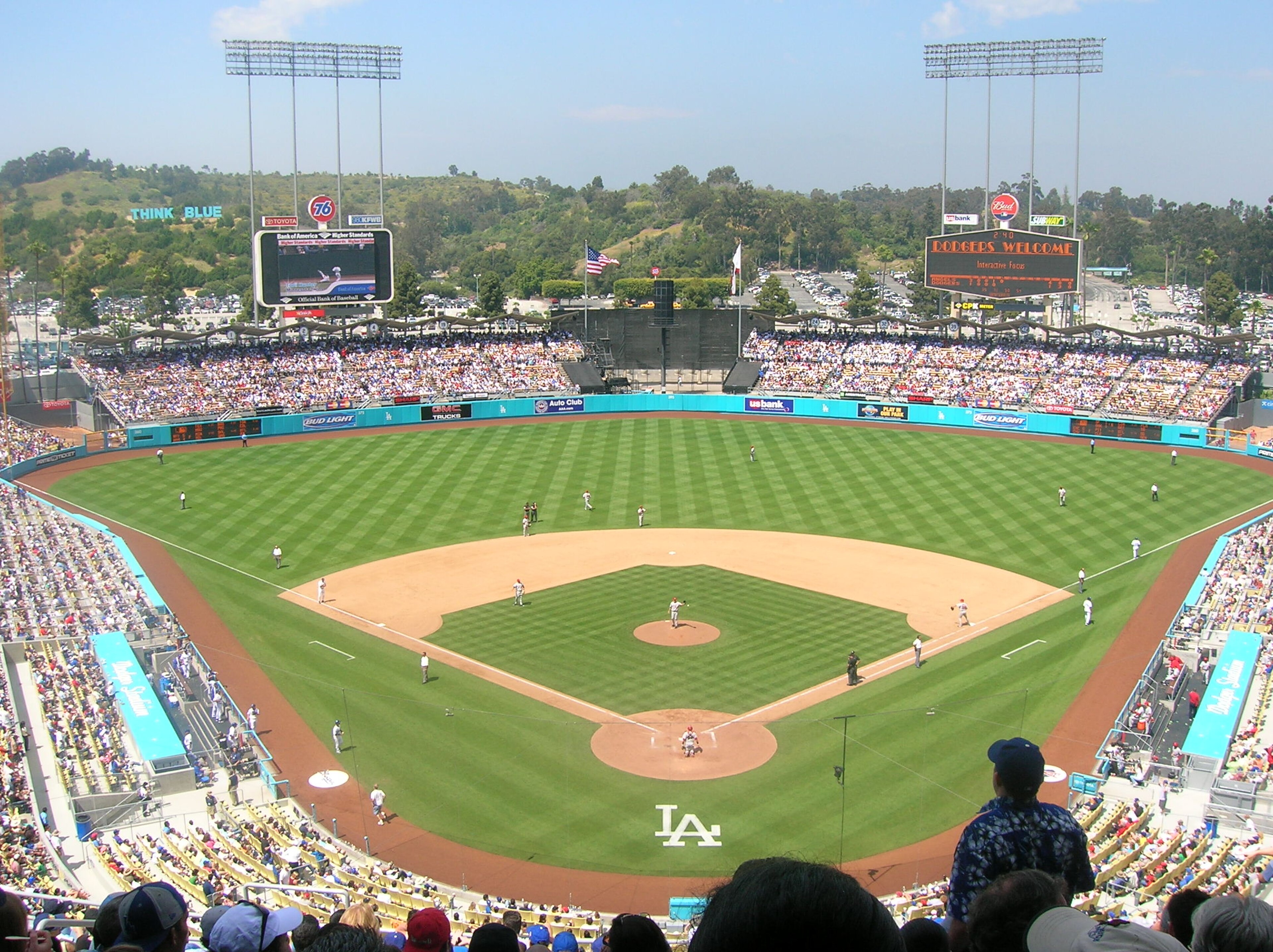
Game 3 is set for Wednesday, October 14 at Dodger Stadium, with first pitch at 5:00 p.m. PDT on FOX. Games 4 and 5, if the series requires them, stay in Los Angeles on October 15 and 16. That schedule gives the Dodgers a genuine chance to reset: a home crowd, a familiar mound, and no travel-day excuses after the cross-country flight both teams shared.
What Los Angeles needs most is a start that restores order. Milwaukee's approach in Game 2 — long at-bats, foul balls, traffic on the bases, and contact from Yelich and Contreras in the biggest spots — forced the Dodgers to spend their pitching early. A longer outing from Wednesday's starter, and cleaner defense behind him, would let Los Angeles play the kind of structured game its roster was built for. For Milwaukee, the assignment is simpler and harder at the same time: keep answering. The Brewers do not need to protect a lead in the standings sense; they need one more night of timely hitting to move within a win of the pennant, and they have already shown, twice, that an early Dodgers run does not rattle them.
Two games in, this series has a clear identity. One team is the champion with the pedigree and the home games in hand. The other is the team that keeps responding, at the plate and on the scoreboard, every time it is challenged. Wednesday will tell us which identity travels.
More sports coverage: Previously Sports · ALCS Game 1 coverage · Latest news