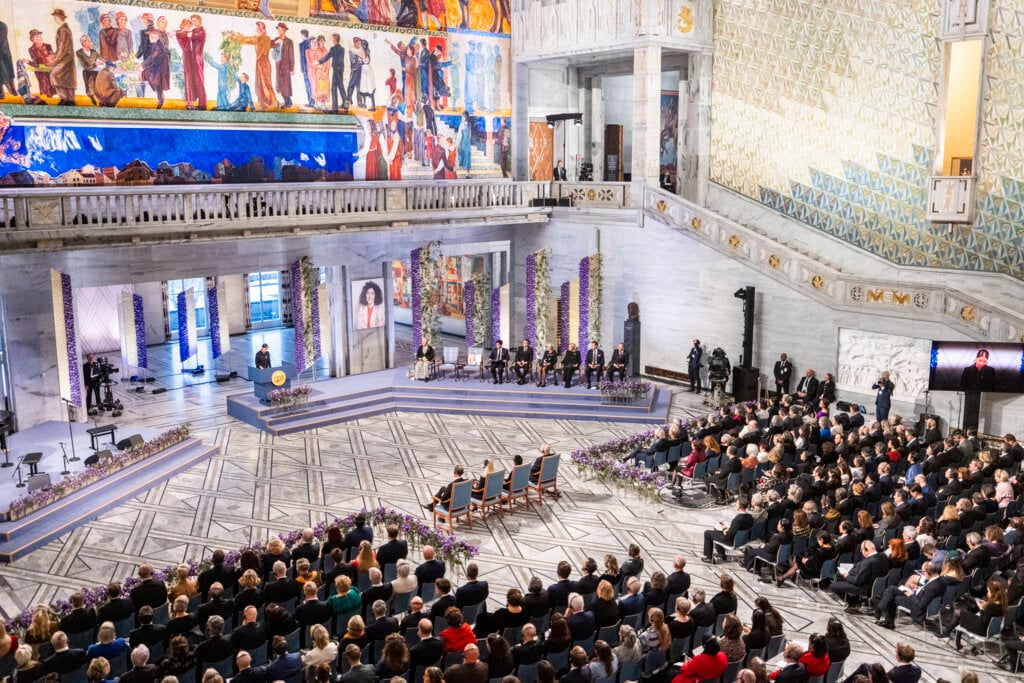
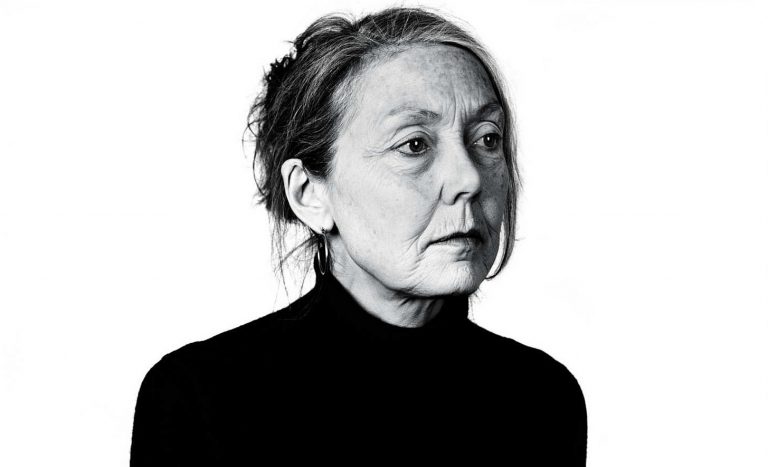
OSLO — FRIDAY, OCTOBER 9, 2026 — At 11 o’clock on Friday morning in Oslo — 2 a.m. in Los Angeles — the Norwegian Nobel Committee ended the most openly campaigned-for Peace Prize race in years. The 2026 Nobel Peace Prize goes to Navanethem “Navi” Pillay, the 85-year-old South African jurist whose career runs from defending Nelson Mandela under apartheid to judging genocide at The Hague — “for her efforts to promote peace and international law,” as stated in the Norwegian Nobel Committee’s official citation. The decision, announced by committee chair Jørgen Watne Frydnes at the Norwegian Nobel Institute, passes over President Donald Trump, who spent the final days before the announcement arguing in the Oval Office that the prize should be his.
02 The Announcement
Frydnes read the committee’s reasoning in full: the prize goes to “a person who with exceptional courage and integrity has led the way towards a more comprehensive global legal order,” the Nobel committee said, calling Pillay “instrumental in ensuring that war crimes, crimes against humanity and genocide are prosecuted.” He described her as “one of the most respected international jurists of our time,” according to The Times of London’s account of the ceremony.
“Unfortunately we have not been able to reach Navi Pillay,” Frydnes told the room, as reported by both The Times and the Wall Street Journal. “My message to her would be — if you see a Norwegian number calling, please pick up. I would love to talk to you very soon.” The committee said it had received nominations for 287 candidates this year, just over a quarter of them organizations.
The prize carries 12 million Swedish crowns, about $1.2 million, and Pillay will receive it in Oslo on December 10 — the anniversary of Alfred Nobel’s death — as every peace laureate does. In its official announcement, streamed live from the Norwegian Nobel Institute, the Nobel committee said the choice was a statement about the moment: “At a time of existential challenges – including more wars and conflicts than the world has seen in a long time – international law is no longer just a supplement to peace and security. It is an absolute necessity.”

03 From Durban to The Hague
Pillay was born in 1941 in Durban, into a family of Indian Tamil origin, and grew up under apartheid — a system of racial discrimination and segregation that shaped nearly every aspect of South African life. In 1967 she became the first woman to open a law practice in Natal Province, and spent the apartheid years defending anti-apartheid activists, including Nelson Mandela and his allies in the African National Congress.
Her courtroom work, as the Wall Street Journal recounted, shone a light on the regime’s state-sponsored torture, illegal interrogation tactics and harsh solitary confinement. In a landmark case against the authorities at the notorious Robben Island prison, Pillay secured the right of political prisoners to legal representation — a crack in the legal machinery of apartheid that mattered enormously to the men inside, Mandela among them.
After apartheid fell, Pillay became the first non-white woman appointed to South Africa’s High Court. But her most consequential judging was still ahead, on the international stage: she served as a judge — and president — of the International Criminal Tribunal for Rwanda, where her court helped establish the landmark precedent that rape can constitute an act of genocide, and later as a judge of the International Criminal Court.

04 The Jurist Who Built the Law
From 2008 to 2014, Pillay served as the United Nations High Commissioner for Human Rights, the world’s top human-rights post, where her portfolio ran from discrimination to abuses committed during armed conflict. The Nobel committee’s official citation credits her with having “significantly enlarged the scope and impact of international law” — not merely applying it, but expanding what it could reach.
That expansion is the thread the committee kept returning to. In its announcement, the committee said that “in historic international court cases, she has shown that legal measures can help prevent acts of war and violence,” and that she had strengthened the institutions of international law itself. Her independence, expertise and steadfastness, the announcement said, made her one of the most respected international jurists of our time.
“A common thread runs from her early work defending Nelson Mandela and others who stood up against apartheid to her service as a judge in some of the key international court cases of our time,” the committee said — a line that captures why this prize, unlike some peace prizes, honors a lifetime rather than a single act.

05 Gaza, Myanmar, and the Present Tense
Pillay’s recent work is the reason this prize lands with such force in the current moment. Until recently she chaired the UN’s Independent International Commission of Inquiry on the Occupied Palestinian Territory — the body that determined Israel committed genocide in Gaza in its war against Hamas following the October 7, 2023 attacks, as USA Today noted in its coverage of the announcement.
Today she sits as an ad hoc judge on the International Court of Justice in the case in which Myanmar stands accused of genocide against the Rohingya minority in Rakhine state, The Times reported. It is rare for a peace laureate to be announced while actively judging a genocide case — and the committee seemed to want exactly that resonance. “Navi Pillay has held states and national leaders accountable and brought hope to victims of violence and conflict,” the official announcement said. “In all the positions she has held, she has stressed the responsibility of individuals and states to comply with the rule of law.”
06 The Prize Trump Wanted
No modern president has campaigned for the Nobel Peace Prize the way Donald Trump has — and no announcement has carried quite this much presidential suspense. Trump spent the week before the decision making a last-minute push in the Oval Office, arguing he deserved the prize for intervening in conflicts around the world. “I don’t know what their decision’s going to be,” he told reporters on October 7, as USA Today reported. “They have a reputation for maybe not giving it to people like me. But whether I get it or not, I have done far more, and I think it would be a great discredit to them.”
Trump has said he deserves the prize for resolving eight conflicts, including the Israel-Hamas war — under a nominal ceasefire since October 2025 — and has pointed to U.S.-led negotiations over Russia’s war in Ukraine and tariffs on nations around the world. The leaders of Cambodia, Israel and Pakistan have said they nominated him, Reuters reported, though nominations stay secret for 50 years and there is no way to verify such claims. Parties to several of the conflicts Trump claims to have settled dispute the American president’s diplomatic role, and fighting has flared again in places including the Democratic Republic of Congo and the Cambodia-Thailand border.
The backstory made Friday’s announcement doubly pointed. Last year’s prize went to Venezuelan opposition leader María Corina Machado — and in January, Machado handed Trump her physical Nobel medal during a White House meeting, describing it as recognition of his support for Venezuela’s freedom after the U.S. military operation that ousted Nicolás Maduro. The Norwegian Nobel Institute said in a statement of unusual bluntness: “The facts are clear and well established. Once a Nobel Prize is announced, it cannot be revoked, shared, or transferred to others.” The prize, in other words, is not transferable — then or now.
07 What Comes Next
Pillay receives her medal in Oslo on December 10, closing out a Nobel week that began with the medicine prize on October 5 and ran through Francis Halzen’s physics prize, Kagan and Soai’s chemistry prize, and Anne Carson’s literature prize on Thursday. The economics prize, the final award of the season, is announced Monday, October 12.
The committee’s choice also sets up the story to watch: whether a laureate honored for the architecture of international law — currently judging a genocide case at The Hague — uses the Nobel platform in the months ahead. Our preview of the announcement laid out the field she beat; the morning belonged, decisively, to her.

Sources
- NobelPrize.org — Official 2026 peace prize press release: citation, committee statement, laureate biography, announcement details. NobelPrize.org · Oct 9, 2026
- The Times — “South African lawyer Navanethem Pillay wins 2026 Nobel peace prize”: Frydnes remarks, 287 candidates, career background. The Times · Oct 9, 2026
- The Wall Street Journal — “Nobel Peace Prize Goes to Navi Pillay, Mandela Lawyer Who Led Human Rights at U.N.”: career arc, apartheid-era work, committee quotes. WSJ · Oct 9, 2026
- USA Today — “Nobel Peace Prize awarded to South African lawyer Navi Pillay”: Gaza inquiry finding, Machado medal, non-transferability. USA Today · Oct 9, 2026
- USA Today — “Donald Trump passed over for Nobel Peace Prize he’s long coveted”: October 7 Oval Office quotes, eight-conflicts claim. USA Today · Oct 9, 2026
- Reuters — “Trump says he deserves Nobel Peace Prize but has doubts he will get it”: claimed nominations, disputed conflict claims, pre-announcement favorites. Reuters · Oct 7, 2026