
LAS VEGAS
The sentencing number was the story on Wednesday: five years, not twenty.
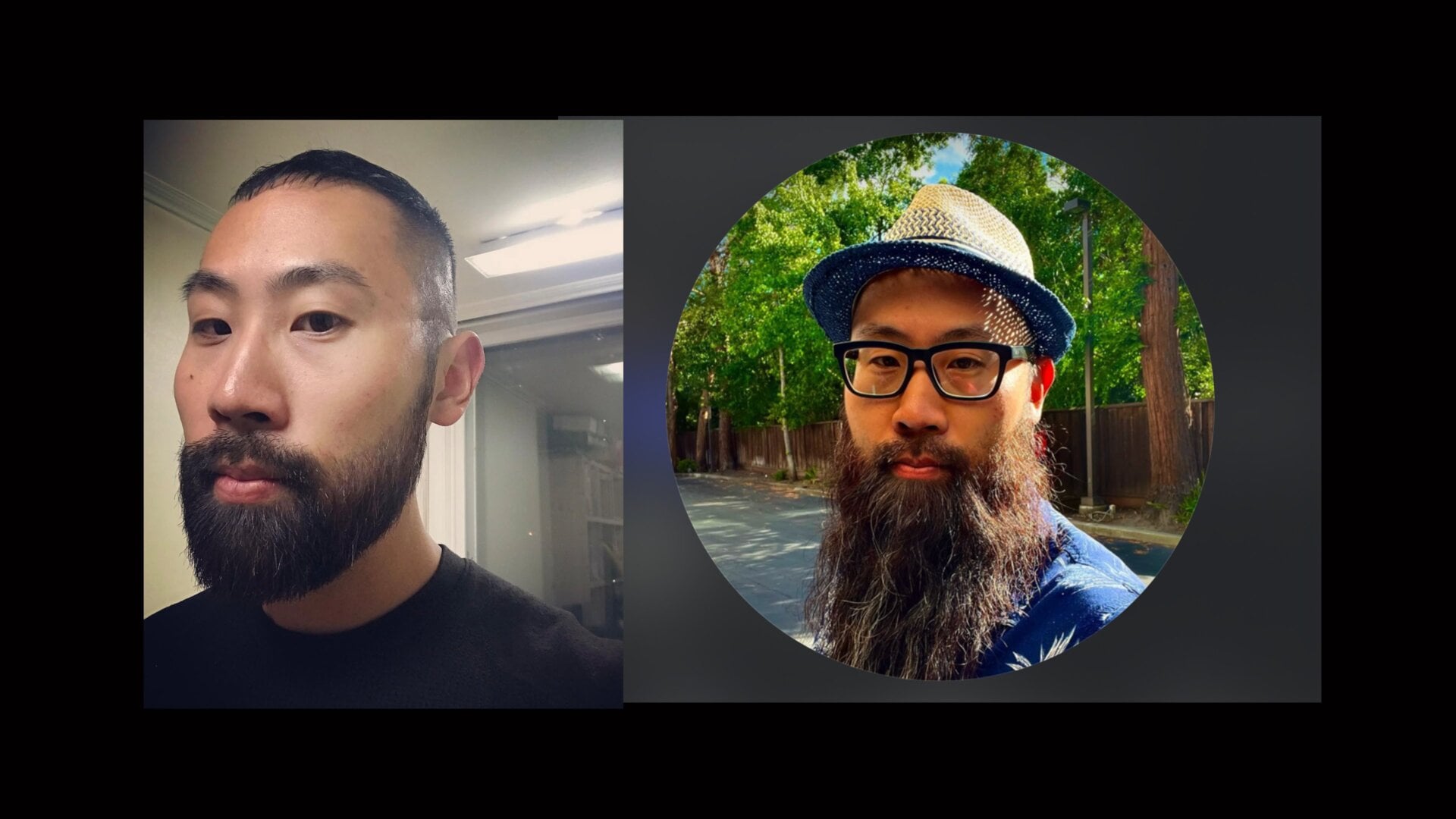
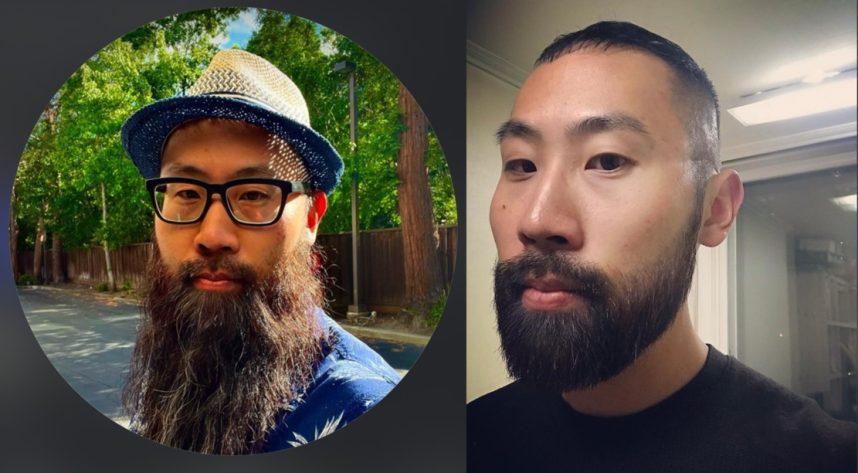
Paul Hyon Kim was sentenced on Oct. 14 by U.S. District Judge Jennifer A. Dorsey to 60 months in federal prison, followed by three years of supervised release, the U.S. Attorney's Office for the District of Nevada announced. Federal prosecutors had recommended a sentence of 240 months — twenty years.
The gap between the recommendation and the sentence does not change what Kim admitted to. In February 2026, he pleaded guilty to two counts of arson of property used in interstate commerce, one count of attempted arson, and one count of unlawful possession of an unregistered firearm, described in the case as a destructive device.
Casino.org and the Las Vegas Review-Journal reported at the time of the plea that Kim pleaded guilty without a plea agreement, which kept his right to appeal, and that he faced a possible range of five to seventy years. Wednesday's sentence lands at the low end of that reported range.
Early morning at the collision center
The attack happened early on March 18, 2025, at the Tesla Collision Center in Las Vegas, according to court documents summarized by the U.S. Attorney's Office.
Prosecutors say Kim first shot out two exterior security cameras with a .300 Blackout AR-platform semiautomatic rifle. He spray-painted the word RESIST in large capital letters across the double entrance doors. He then fired several shots into Tesla vehicles parked in front of the building and threw three Molotov cocktails into three vehicles.
Two of the devices exploded into flames. The third did not detonate. In total, five vehicles were destroyed beyond repair.
Afterward, according to the court account, Kim fled on foot to his car and drove away. No injuries were described in the sentencing announcement, but the property destruction was complete for the vehicles that burned: destroyed beyond repair is the language the government used.
For Las Vegas, it was a local crime scene — a collision center, a parking lot, a fire response in the early morning hours — that quickly became a federal case because of the weapons involved, the interstate-commerce property charge, and the broader national attention on attacks aimed at Tesla that spring.
How investigators built the case
The investigation was led by the FBI, the Bureau of Alcohol, Tobacco, Firearms and Explosives, and the Las Vegas Metropolitan Police Department, with major help from the Clark County Fire Department, according to the U.S. Attorney's Office.
The ATF and Clark County Arson Task Force contributed specialized help that matched the scene: a certified fire investigator, a bomb technician, a certified explosives specialist and an accelerant-detection K9, ATF Special Agent in Charge John Wester noted in the announcement. That mix matters in an arson case, where proving how a fire started and what device was used is as central as identifying who was there.
Assistant U.S. Attorneys Jake Operskalski and Dan Cowhig prosecuted the case.
In statements included with the sentencing announcement, federal officials framed the case in the language the Justice Department has used for politically motivated violence. First Assistant U.S. Attorney Sigal Chattah said, in paraphrase, that the department treats such violence as domestic terrorism and will pursue severe legal consequences for it, and that violence is not a place to resolve political differences in a democracy. FBI Las Vegas Special Agent in Charge Christopher S. Delzotto credited the task-force partnerships across federal and local agencies for bringing the case to sentencing.
Previously is reporting those statements as the government's stated position. The court record itself establishes the admitted acts — the rifle fire, the painted word on the doors, the Molotov cocktails and the burned vehicles — and those acts were the basis of the guilty plea.
Context, and what the sentence closes
The March 2025 attack came during a period of politically charged vandalism aimed at Tesla properties nationally. Casino.org described the Las Vegas firebombing as part of a 2025 national trend. That context helps explain the attention and the federal framing, but it should be read carefully: beyond the word painted on the doors and the choice of target, readers should rely on the court record for what was proven and admitted in this specific case.
Wednesday's hearing closes the main Las Vegas chapter of that record. Kim now has a five-year federal prison term to serve, followed by three years of supervised release — a period in which a court, rather than only a prison, will continue to oversee his return.
Whether either side appeals is a separate question. Because, as reported in February, Kim entered his plea without a plea agreement and kept his right to appeal, the sentence itself may not be the final legal word. For now, it is the operative one: sixty months, in a case where the government asked for two hundred and forty.
More Las Vegas coverage from Previously includes El Cortez's new Alex Prime steakhouse, Category 10 opening at the Flamingo, and LV Petroleum and Bojangles at the LINQ.
Sources · 0 sources
U.S. Attorney's Office · U.S. Attorney's Office, District of Nevada — sentencing announcement, Oct. 14
Casino.org · Casino.org / Las Vegas Review-Journal — February guilty-plea coverage