
PHOENIX
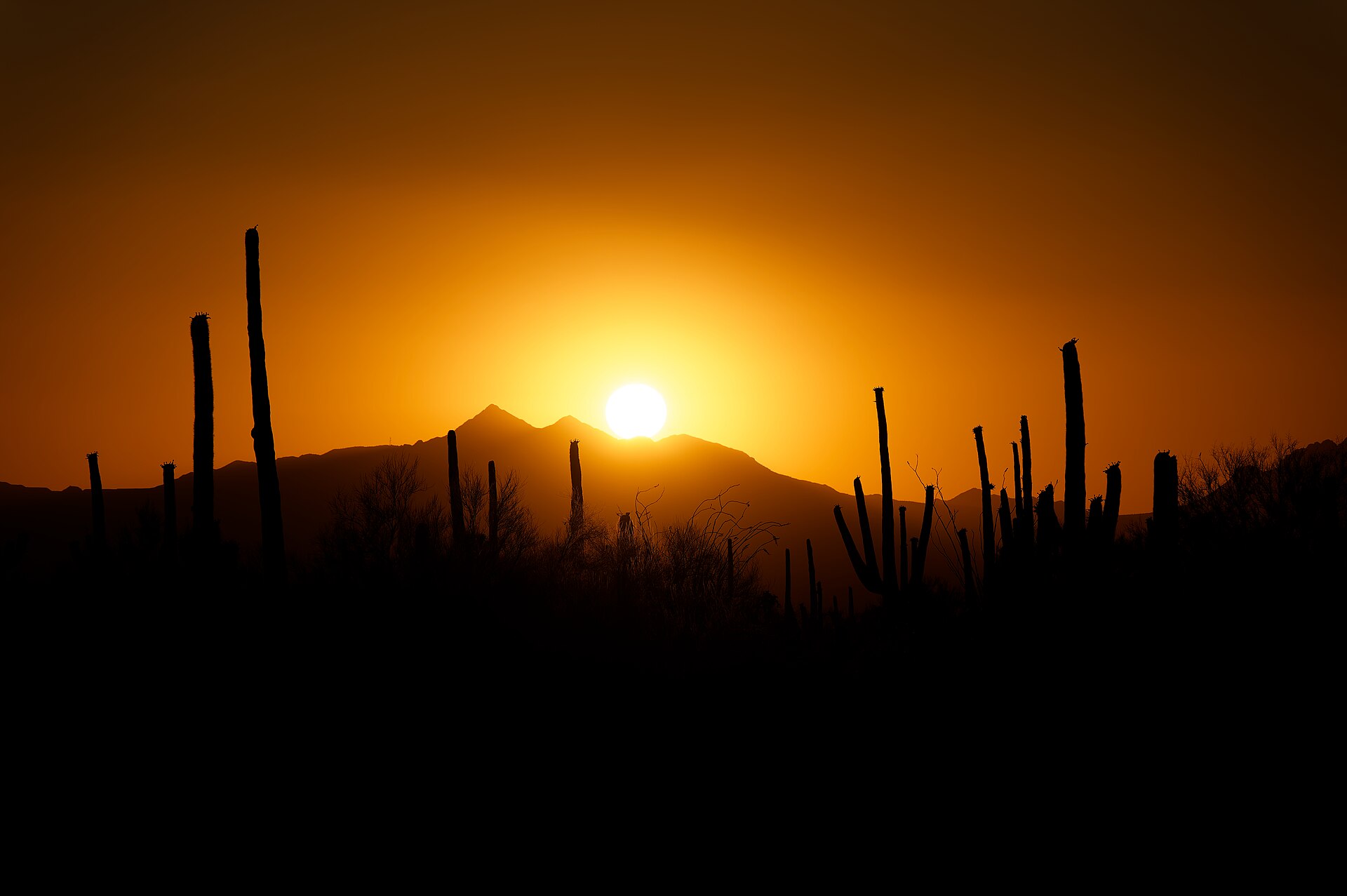
The saguaro is not just a plant in Phoenix. It is the skyline before the skyline — the silhouette on the license plates, the postcards, the golf courses and the desert lots at the end of every neighborhood street. Which is why the warning reported Tuesday by the Arizona Republic lands so hard: researchers say metro Phoenix could lose its saguaros, and they are racing to understand how fast it is happening, one neighborhood at a time.
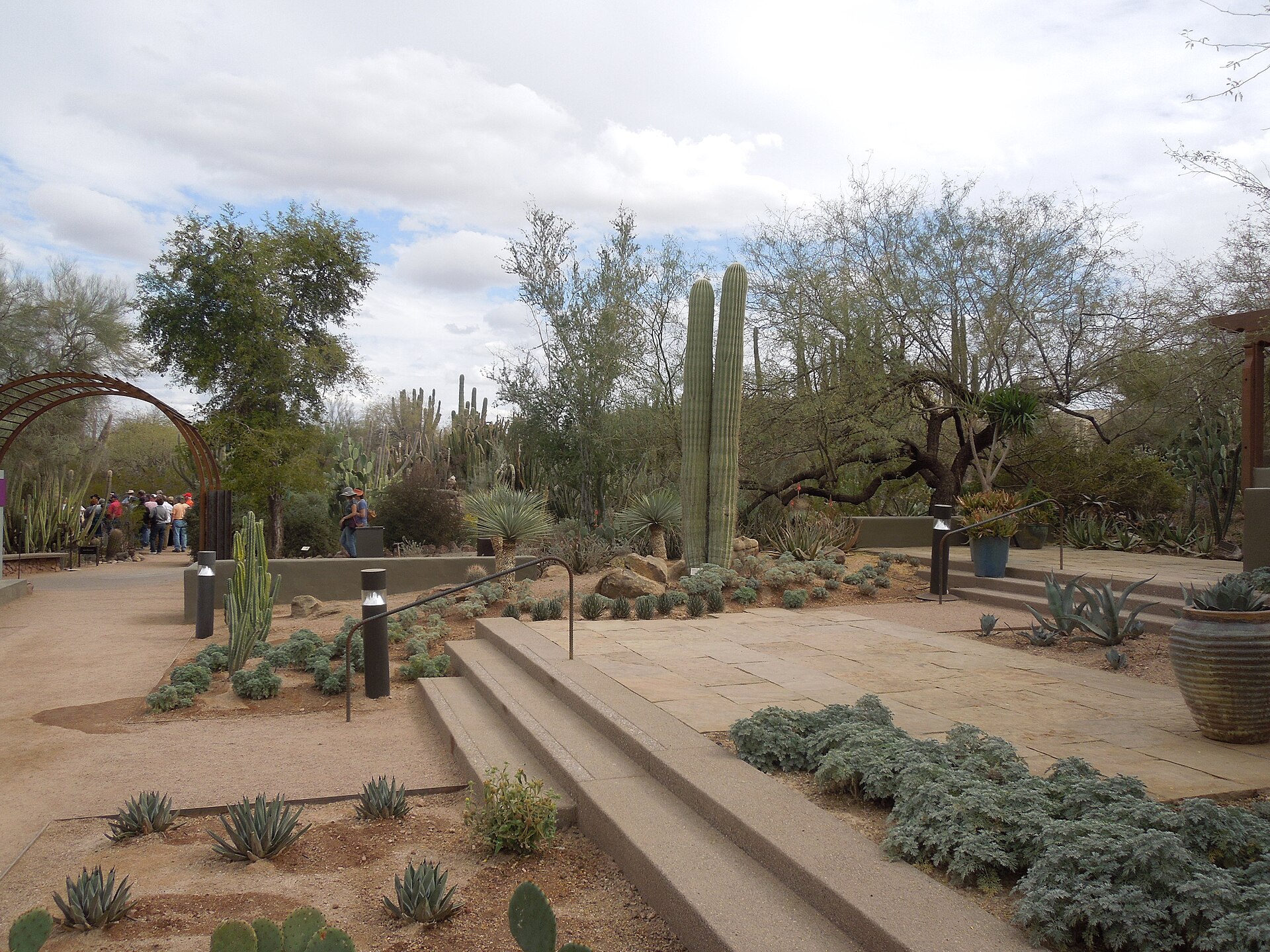
The race has a name: the Saguaro Census, run through the Desert Botanical Garden. Since 2022, the census has engaged more than 3,800 volunteers over roughly three and a half years, sending them out across Valley neighborhoods to track where saguaros are standing, and how healthy they look, according to the Republic's reporting. It is, by design, a community science project — thousands of residents acting as the eyes of a research effort far too big for any single lab team to walk alone.
Out of that census has grown a closer monitoring effort. Lead volunteer Billie Fraser, who completed a master's degree at Arizona State University in plant biology and conservation this past April, helped build the Saguaro Monitoring Program together with researcher Tania Hernandez. Where the census maps the population, the monitoring program goes back to individual plants to see how they change — and whether they survive.
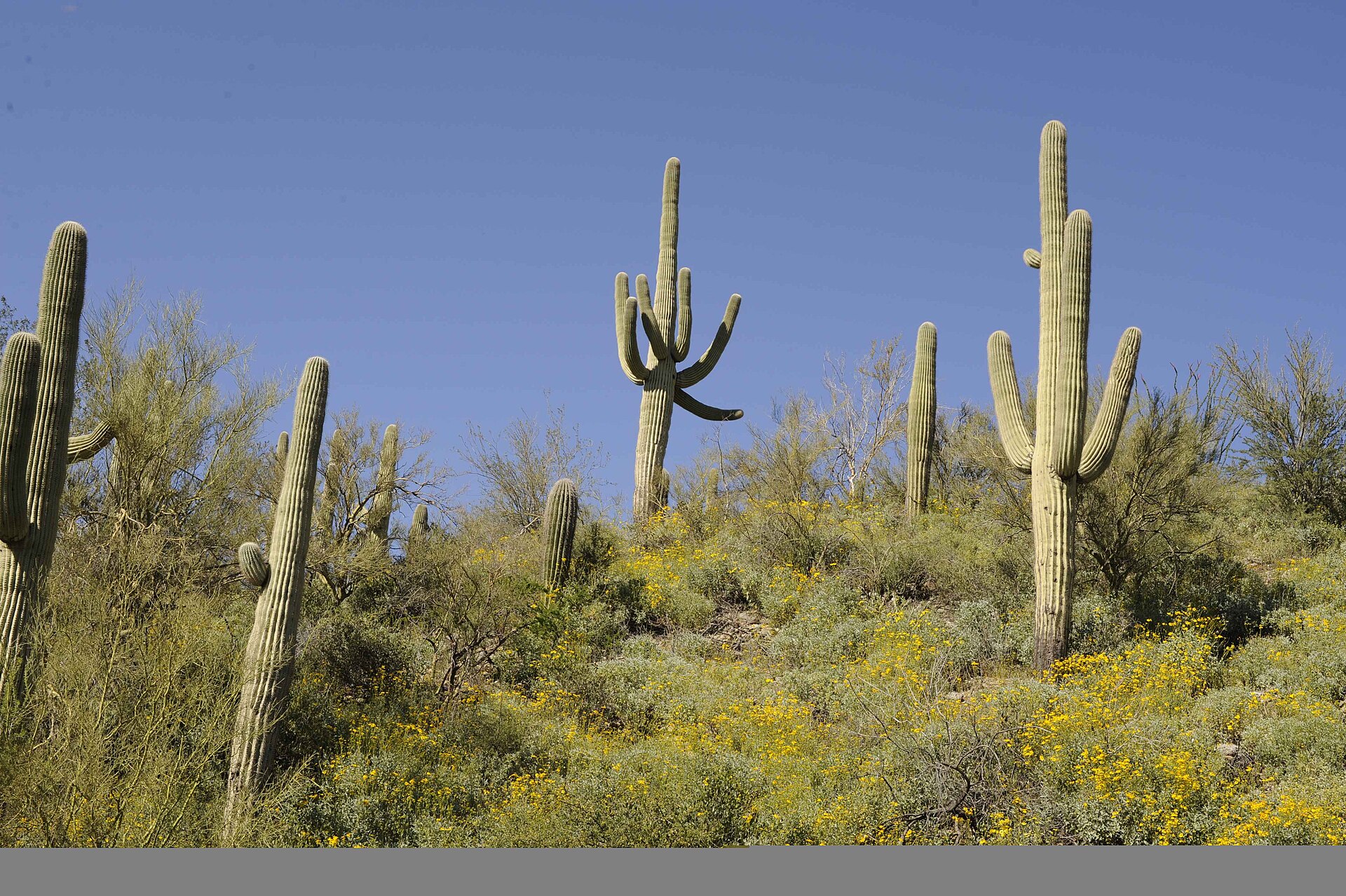
The early returns are the reason for the alarm. Preliminary data from the first year of monitoring suggest many saguaros are disappearing, and that plants are dying younger than is typical for a species famous for its longevity, the Republic reported. A healthy saguaro in the wild can live well past a century; arms, the feature everyone pictures, often do not appear until a plant is many decades old. A population losing younger plants is a population whose future is quietly thinning out, even while the big old sentinels still stand over the freeways.
The researchers are careful, though, and the Republic's report carries their caveats plainly. The monitoring data covers just one year so far. In the early going, volunteers did not systematically count newly established young plants, which means the books do not yet balance losses against gains. And when a saguaro vanishes from a neighborhood lot, the data cannot always say why: the plant may have died, or it may have been removed or transplanted. Transplanting a mature saguaro is expensive, which makes quiet removal less likely for the biggest plants — but less likely is not the same as never, and the team plans revisits to the same plants and places to build better net estimates of what the Valley is actually gaining and losing.
While the counting continues, another arm of the effort is growing the replacement generation by hand. Through the garden's Saguaro Initiatives work, roughly 12,000 seedlings are in volunteers' care as of October 2026, with 126 trays of young plants maintained in fields and in volunteers' homes, according to the Republic. Twelve thousand seedlings is a striking number until you remember the saguaro's clock: these are plants that grow with almost geological patience, raised by volunteers who know they are starting something they will not see finished. That is not a flaw in the plan. That is the plan — conservation on a timescale longer than a career.
The human thread runs through all of it. Volunteers like Linda Arandas, featured in the Republic's coverage, are urging more of the community to get involved, and both Hernandez and Fraser frame the work the same way: saguaro conservation is community-driven or it is not driven at all, and the species is central to the region's identity, not just its ecology. They are right on the biology, too. Saguaros are a keystone species of the Sonoran Desert — their flowers feed bats and birds, their fruit feeds desert animals and people, their arms host nesting birds — and they are protected under Arizona law. Scientists at the Desert Botanical Garden and elsewhere have separately documented the stress extreme heat and prolonged drought put on the species, in coverage by Reuters and NPR among others. A city that keeps getting hotter is a hard place to be a plant that evolved for a desert that used to cool down at night.
So what does Phoenix do with a warning like this? The census offers the honest answer: measure first, measure in public, and let thousands of neighbors hold the clipboard. A problem you can see on your own street — the empty lot where a saguaro stood last year — is a problem a city can organize around. The alternative is to notice all at once, a decade from now, that the silhouette changed while nobody was counting.
The volunteers are counting. The seedlings are growing, slowly, in 126 trays scattered across the Valley. And the question the Arizona Republic put on the record Tuesday is now sitting with the whole metro area: whether the plant that defines Phoenix gets to stay part of Phoenix's future — or becomes something the city used to look like.
For more Arizona and Southwest coverage, follow Previously's news section.
Sources · 2 sources
- Phoenix could lose its saguaros, researchers warn Arizona Republic · Oct 13, 2026
- Saguaro Census and Saguaro Initiatives program information Desert Botanical Garden · 2026





