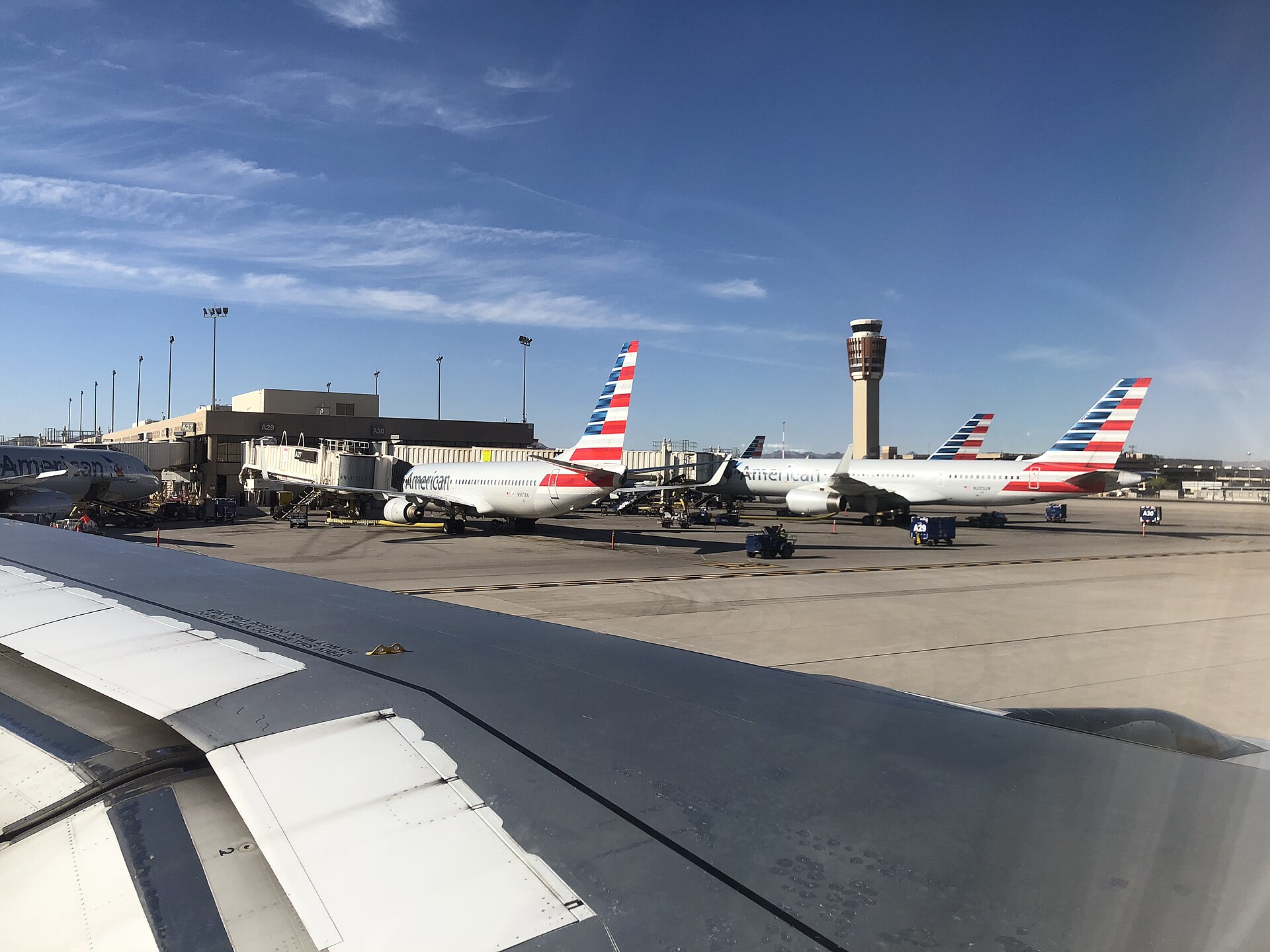

PHOENIX, TUESDAY, OCTOBER 13, 2026
If you were flying out of Phoenix on Tuesday morning, the sky told the story before the departure board did. Storms moved through metro Phoenix, ceilings dropped, and the Federal Aviation Administration ordered a ground stop at Phoenix Sky Harbor International Airport — effective at 6:30 a.m. and scheduled through at least 9 a.m. — bringing the morning departure push to a halt at Arizona's largest airport.
The numbers, as of early morning, were still building rather than settling. The FAA put average delays at about 44 minutes. FlightAware, the flight-tracking service cited by the Arizona Republic in its Tuesday morning reporting, showed 1 cancellation and 47 delayed flights at Sky Harbor as of 8:30 a.m. Those are 8:30 a.m. figures, not a final tally for the day, and anyone who has watched a weather morning unfold at a major hub knows the count at breakfast rarely resembles the count by lunch — in either direction. Aircraft and crews end up out of position, later flights inherit earlier problems, and a stop that lifts on schedule can still echo into the afternoon.
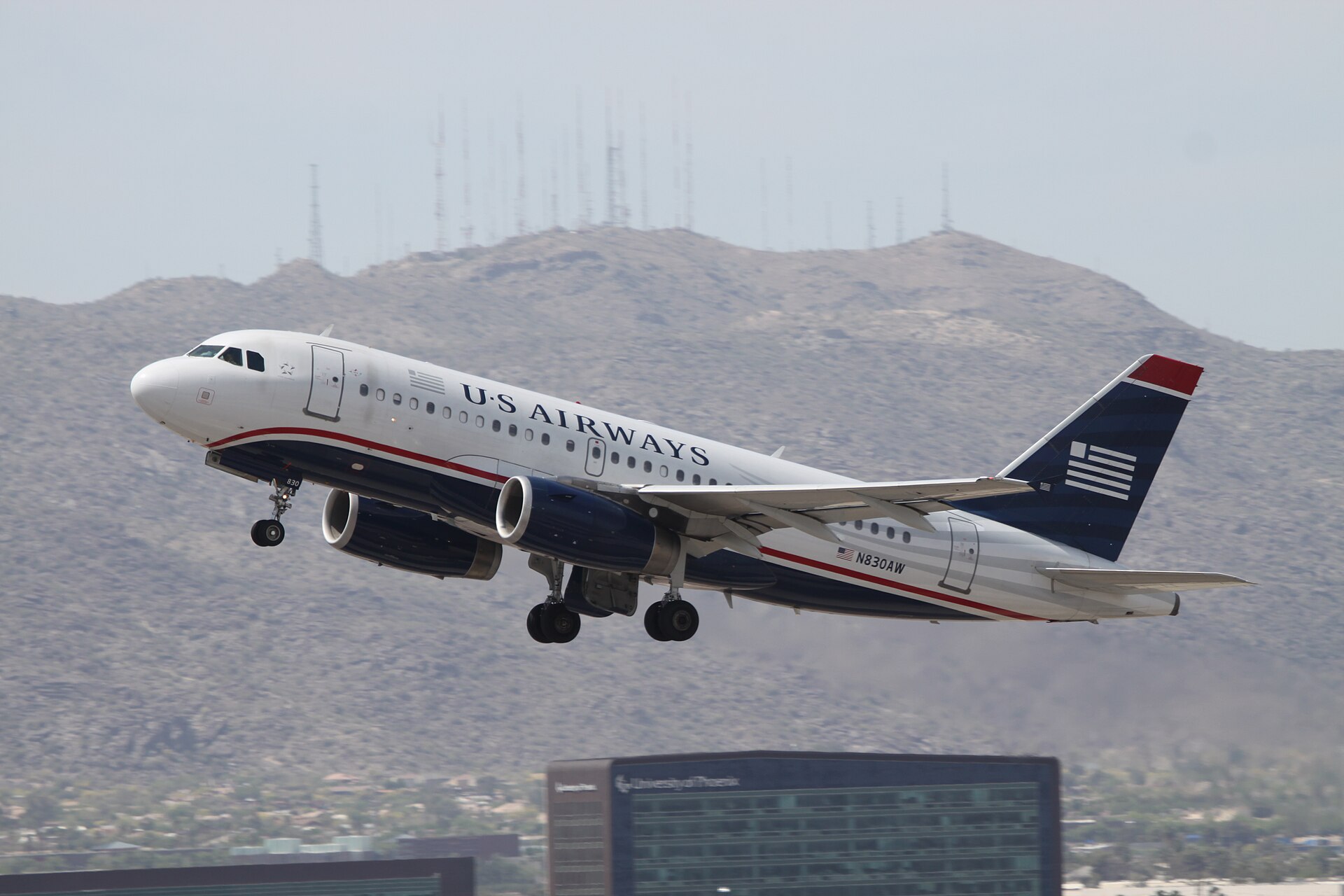
What a ground stop actually means
Airport weather alerts use a vocabulary that sounds interchangeable and is not, so it is worth slowing down for a plain-English version, because it changes what you should expect from your own flight.
A ground stop holds aircraft on the ground. Planes that have not yet departed for — or from, in the way the restriction is applied at the affected airport — the airport in question stay put until the stop lifts or is extended. It is the bluntest tool in the box, used when conditions at the destination make it unwise to keep sending traffic toward it.
A ground delay is the softer version. Instead of holding everything, the FAA slows the flow: flights headed to the affected airport are assigned later departure times so arrivals are spaced out and the system does not stack up more airplanes than the airport can handle in the weather it has.
And one point that gets lost in almost every storm-day argument online: the FAA does not cancel flights. Airlines do. The FAA manages traffic in the national airspace; the decision to cancel a specific flight — because of crew timing, aircraft positioning, or a schedule that can no longer be recovered — belongs to the airline operating it. That is why two flights on the same route, on the same morning, can have completely different outcomes.
A second straight rough day
Tuesday did not arrive out of nowhere. Monday was already a difficult travel day at Sky Harbor, with more than 200 flights delayed or canceled amid various ground stops and weather delays, according to the Republic's reporting. Back-to-back disrupted days are harder on an airport than a single bad one, for a simple reason: the system starts the second day already tired. Aircraft that were supposed to overnight in one city woke up in another. Crews are closer to their duty limits. The first departure bank of the morning — the flights that set up connections across the country — has less slack built into it than it did 24 hours earlier.
The morning forecast offered little help. Showers were likely, with a 70 to 75 percent chance of rain in parts of the morning, and winds generally in the 5 to 15 mph range. This was not primarily a wind event; it was a visibility and ceiling event — low clouds sitting over the field are enough, on their own, to slow an airport that normally runs on clear desert skies and long sightlines. Phoenix is built, operationally, around good weather. When the desert forgets to act like a desert, the schedule feels it quickly.
The same pattern hit Las Vegas over the weekend
Phoenix was not alone in this stretch of unsettled Southwest weather. Over the weekend, the same kind of pattern — weather and low clouds — disrupted operations at Harry Reid International Airport in Las Vegas, where FOX5 reported the FAA logged 522 delays and 47 cancellations on Sunday. For more from across the region, see our latest Previously news coverage and our Vegas coverage from this week.
That regional picture matters for Phoenix travelers for a practical reason: many of the same aircraft and crews cycle through both cities. A plane that sat in Las Vegas on Sunday, recovered on Monday, and was due through Phoenix on Tuesday is carrying the whole week's weather history with it. Southwest hubs do not operate in isolation, and neither do Southwest storms.
What to do if you are flying today
Start with the least glamorous and most useful advice: check your airline — its app, its text alerts, its own flight-status page — before you leave for the airport, and keep checking it. Airline information will move faster today than any general news report, including this one, because only the airline knows what it intends to do with your specific aircraft and crew.
Second, expect knock-on delays even if your own departure time still looks clean. A flight listed as on time at 9 a.m. can be waiting on an inbound aircraft that was held during the ground stop. The status that matters is not just your flight's, but your plane's previous flight.
Third, if you have a tight connection through Phoenix today, look at your options early rather than at the gate. Rebooking inventory disappears fastest on weather days, and the travelers who fare best are usually the ones who moved while there were still seats to move to. If you are picking someone up instead of flying, apply the same rule in reverse: track the flight, not the schedule, before you drive to Sky Harbor.
Finally, keep the morning's numbers in perspective. As of 8:30 a.m., the recorded disruption — 1 cancellation and 47 delays, with average delays around 44 minutes — was significant but not catastrophic, especially set against Monday's 200-plus affected flights. The question for the rest of Tuesday is whether the ceilings lift and stay lifted, letting Sky Harbor work through the backlog in the orderly way a big hub can when the weather finally cooperates. In Phoenix, in October, that cooperation usually comes. Travelers just had to wait for it on Tuesday morning.
Sources · 4 sources
- Arizona Republic, Oct. 13, 2026, citing the FAA National Airspace System Status and FlightAware
- FAA National Airspace System Status
- FlightAware, Sky Harbor figures as of 8:30 a.m. Oct. 13
- FOX5 Vegas, Harry Reid International weekend figures





