
KYIV
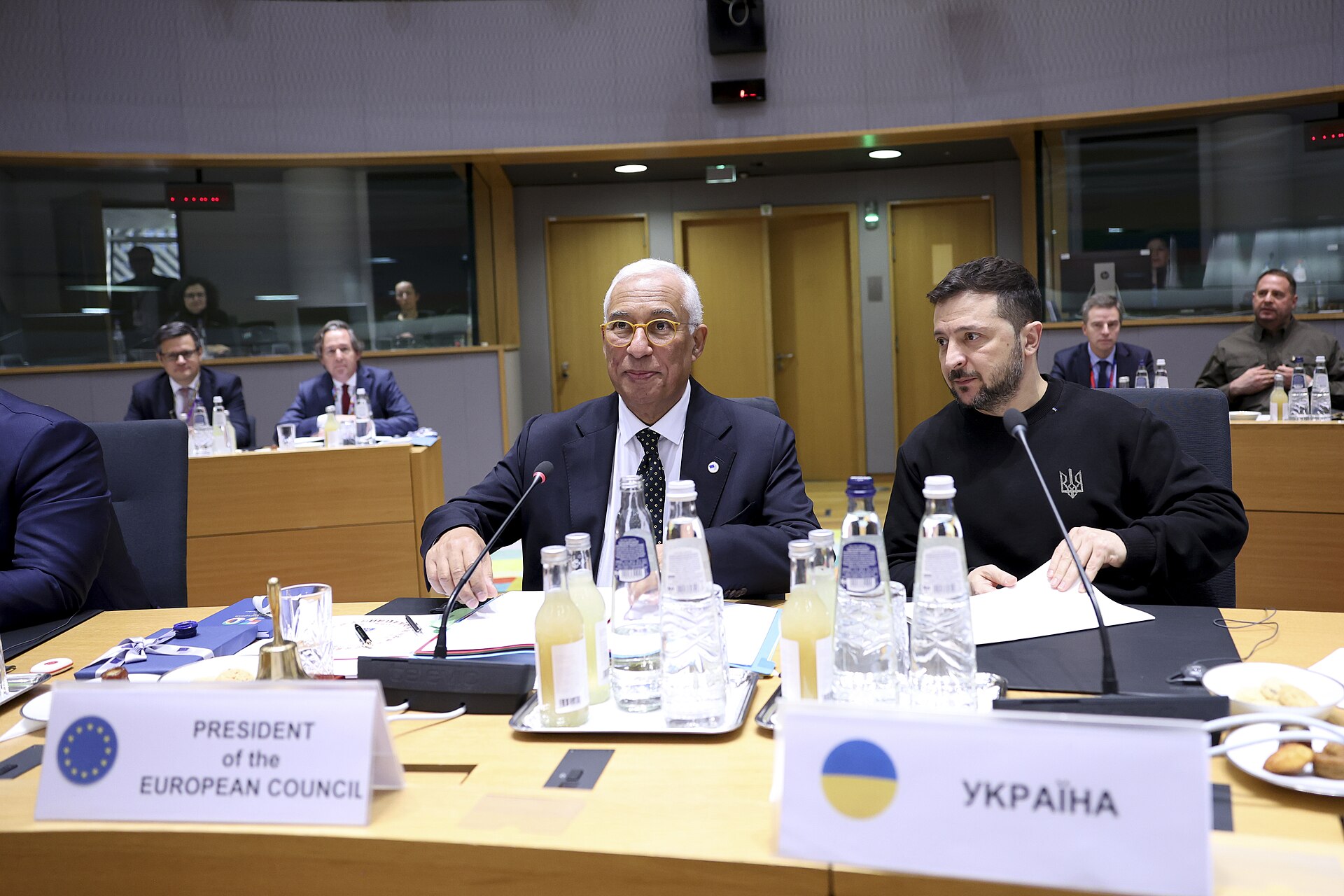
The United States has warned Ukraine that intelligence sharing could be cut off unless Kyiv stops launching long-range drone strikes against oil refineries inside Russia, President Volodymyr Zelenskyy told NPR in an interview in Kyiv that the broadcaster published on Tuesday and carried at the top of its Wednesday morning coverage. It is the most direct account yet, from Ukraine's own president, of the pressure Washington is applying behind its public push for a settlement — and it arrives as Russia's full-scale invasion approaches its five-year mark.
Zelenskyy framed the warning in life-and-death terms. Shared intelligence, he told NPR, is crucial to Ukraine's ability to stop incoming ballistic missiles, the single highest priority for his air defences. Russian missiles have killed dozens of Ukrainians in recent strikes, including more than 20 people in a single attack on an apartment building in Pryluky. He described visiting a wounded girl in hospital whose father had been killed in that attack and who did not yet know it, and said he feels the impact of each strike personally. It is against that backdrop, he made clear, that Kyiv is being asked to give up one of its few tools for striking back: the deep-strike drone campaign against the refineries and energy sites that fund and fuel Russia's war machine.
A Week of Being Caught Off Guard
The intelligence warning is the third Washington move in a week that Ukrainian officials say landed on them without warning. On Friday, the United States eased sanctions on Russian diesel exports — a step Previously has covered in detail — and Zelenskyy responded at the time by calling it a weak decision by strong partners. President Trump answered by suggesting it was time for Ukraine to get a new president, one able to reach a peace deal with Vladimir Putin, a rebuke Previously also reported.
Then, on Sunday, Trump announced on social media a partial halt to attacks on energy infrastructure by both sides. Zelenskyy told NPR he learned of the supposed agreement the same way the public did — from the president's post. As Previously reported on Monday, the announced pause did not hold: according to NPR's summary of the interview, Russia struck a Ukrainian power plant about two hours after the announcement, and the strikes have continued since, culminating in the overnight barrage that left more than 600,000 Ukrainians without power and collapsed the announced energy ceasefire. Kremlin spokesman Dmitry Peskov, asked about the announcement on Sunday, said only that contacts were ongoing.
The Diesel Argument, Taken Head-On
Zelenskyy used the interview to contest the economic case now being made in Washington. He flatly rejected Trump's assertion that Ukraine bears responsibility for the rise in diesel prices, arguing that prices climbed because of the war with Iran and the blocking of the Strait of Hormuz — the same chokepoint behind the oil spike that pushed Brent crude above $106 this week. On the sanctions decision itself, his argument was arithmetic: the volumes of Russian diesel involved are too small to move prices at American pumps, so easing the restrictions will not deliver the relief promised — but the revenue will still flow to the Kremlin and fund its war effort. In Kyiv's telling, the deal gives Moscow money and gives American drivers nothing.
Force, Not Diplomacy
Running through the interview is a disagreement about how this war ends. Zelenskyy said Ukraine is striking Russian energy and logistics targets to limit Moscow's ability to keep fighting, that his country wants the fighting to end, and that Kyiv would halt those strikes if Russia stopped attacking Ukrainian energy sites — but he argued that Putin responds to force rather than diplomacy, a position that sits uneasily beside Washington's sequence of concessions and announcements. Veteran diplomat Richard Haass, speaking separately with NPR about the war and Trump's role in it, underscored how much of the endgame now runs through the White House rather than the battlefield.
For the morning reader, the state of play is this: Ukraine's president has now said publicly that his country's most important partner has threatened the intelligence lifeline his air defences depend on, in service of a strike campaign Washington wants stopped and Kyiv considers essential. The White House has eased sanctions on Russian fuel, questioned Zelenskyy's legitimacy, and announced a ceasefire Kyiv says it never agreed to and Russia never observed. None of that has slowed the missiles — Monday night's barrage saw to that. What it has done is move the argument into the open, on American public radio, in the president of Ukraine's own words. The next move belongs to Washington.
Sources · 1 source
- NPR — "The Trump administration warns Ukraine it could cut off intel, Zelenskyy tells NPR," October 13, 2026





