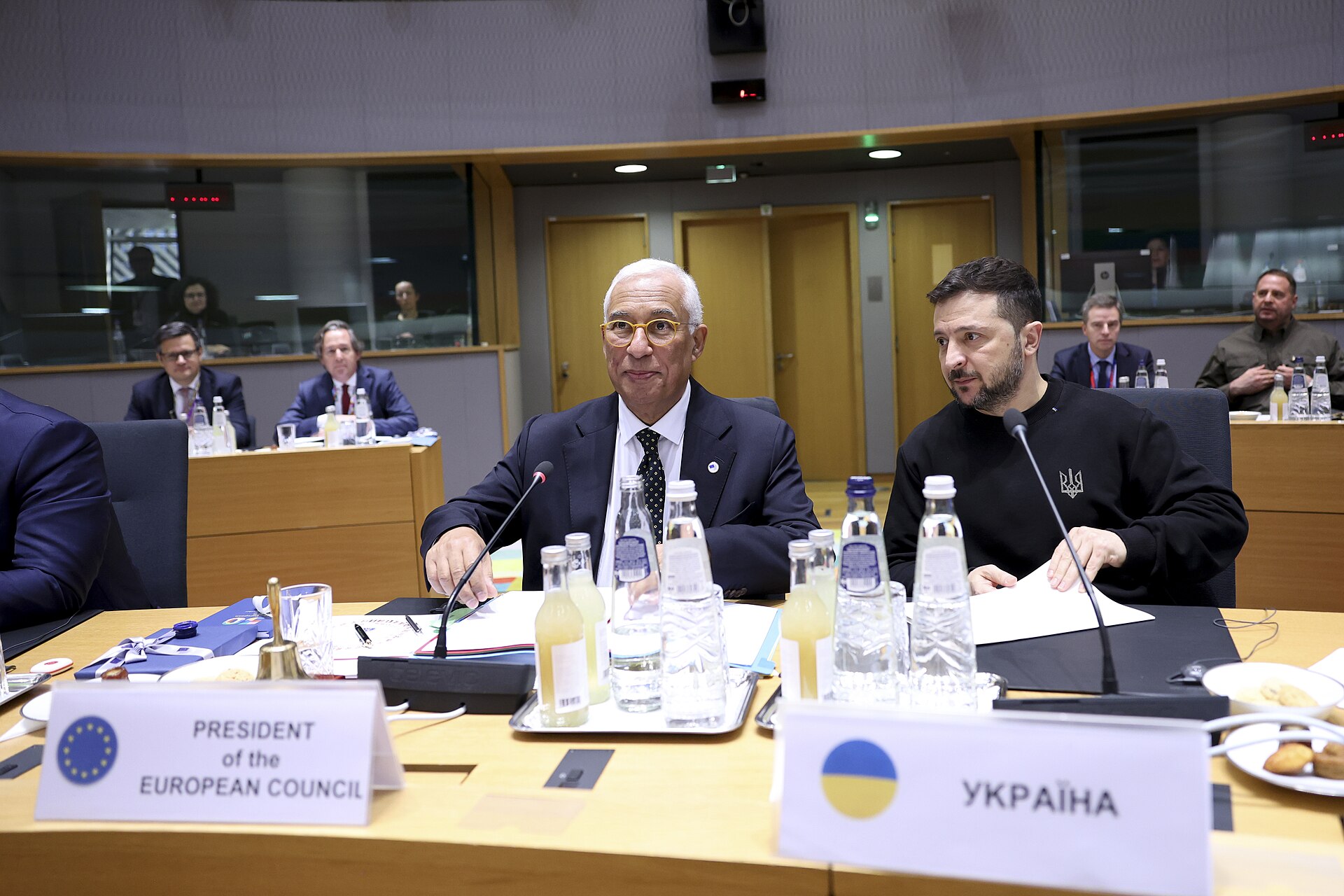

KYIV
The energy ceasefire that President Trump announced over the weekend did not survive its first nights. President Volodymyr Zelenskiy said on Monday that Russia struck at least six energy targets during a night and morning of deadly airstrikes across Ukraine — direct evidence, in Kyiv's telling, that Moscow has no interest in the truce Washington declared on its behalf.
The sequence matters. As we reported over the weekend, Trump's announcement that Ukraine and Russia had agreed not to hit each other's energy systems took Kyiv and its European allies by surprise; Ukraine said it had agreed to no such thing in those terms, and the Kremlin never confirmed any deal. The strikes Zelenskiy described on Monday are the first hard test of the declaration, and by his account it has already failed.
"No Interest" in a Ceasefire
Zelenskiy said the overnight attacks showed Moscow had no interest in an energy ceasefire. Russia has spent successive autumns trying to cripple Ukraine's electricity and heating supplies ahead of winter, and analysts say that strategy, not a pause in it, remains the Kremlin's plan: degrade the grid, raise the cost of the war for civilians, and squeeze Kyiv's position before the coldest months.
Asked about the announced ceasefire, Kremlin spokesman Dmitry Peskov said he could not comment, adding only that contacts were continuing, according to Russian state news agency TASS. Moscow has not publicly acknowledged any agreement to stop striking Ukrainian energy infrastructure.
Kyiv Vows to Keep Hitting Refineries
Ukraine, for its part, is not standing down either. Zelenskiy vowed that Ukraine would continue its retaliatory strikes against Russian oil refineries — the campaign that has knocked holes in Russia's fuel production and that Washington blames, in part, for record diesel prices. Kyiv's position is conditional but firm: it will stop attacking Russian energy only if Russia stops attacking Ukraine's, a reciprocity the Kremlin has shown no sign of accepting.
That leaves the Trump administration pressing both sides for different reasons. The White House is under pressure over high energy prices ahead of the November 3 midterm elections, and the ceasefire announcement was bound up with a contentious proposal involving Russian diesel exports — a plan that has drawn objections from European allies and legal questions at home, since importing Russian energy remains barred while the war continues.
Markets and Allies React
Oil traders spent Monday trying to price an announcement nobody else would confirm. Brent crude swung between roughly $103 and $106 a barrel in choppy trading, slipping when the ceasefire seemed plausible and rising as the strikes were reported. Strategists quoted in market coverage described the ceasefire as elusive — an arrangement announced by one capital, unacknowledged by another, and contradicted by the third within days.
Europe, meanwhile, moved on its own track. EU foreign ministers on Monday adopted nearly 1,600 new sanctions listings targeting Russia's military-industrial complex, the bloc's foreign policy chief Kaja Kallas said, with more than half connected to the production chain for ballistic missiles — the very weapons used in the overnight strikes.
What happens next is a test of leverage. Ukraine has offered energy ceasefires before and says the offer stands if Russia takes it up. Russia, heading into winter with its grid campaign intact, has little obvious incentive to stop. And Washington has now attached its credibility to a truce that, as of Monday night, exists mainly in an announcement. The strikes, not the statements, are what Ukrainians will be measuring it by.
Earlier coverage: Trump's energy ceasefire announcement blindsided Kyiv. More world coverage is on the Previously news front.





