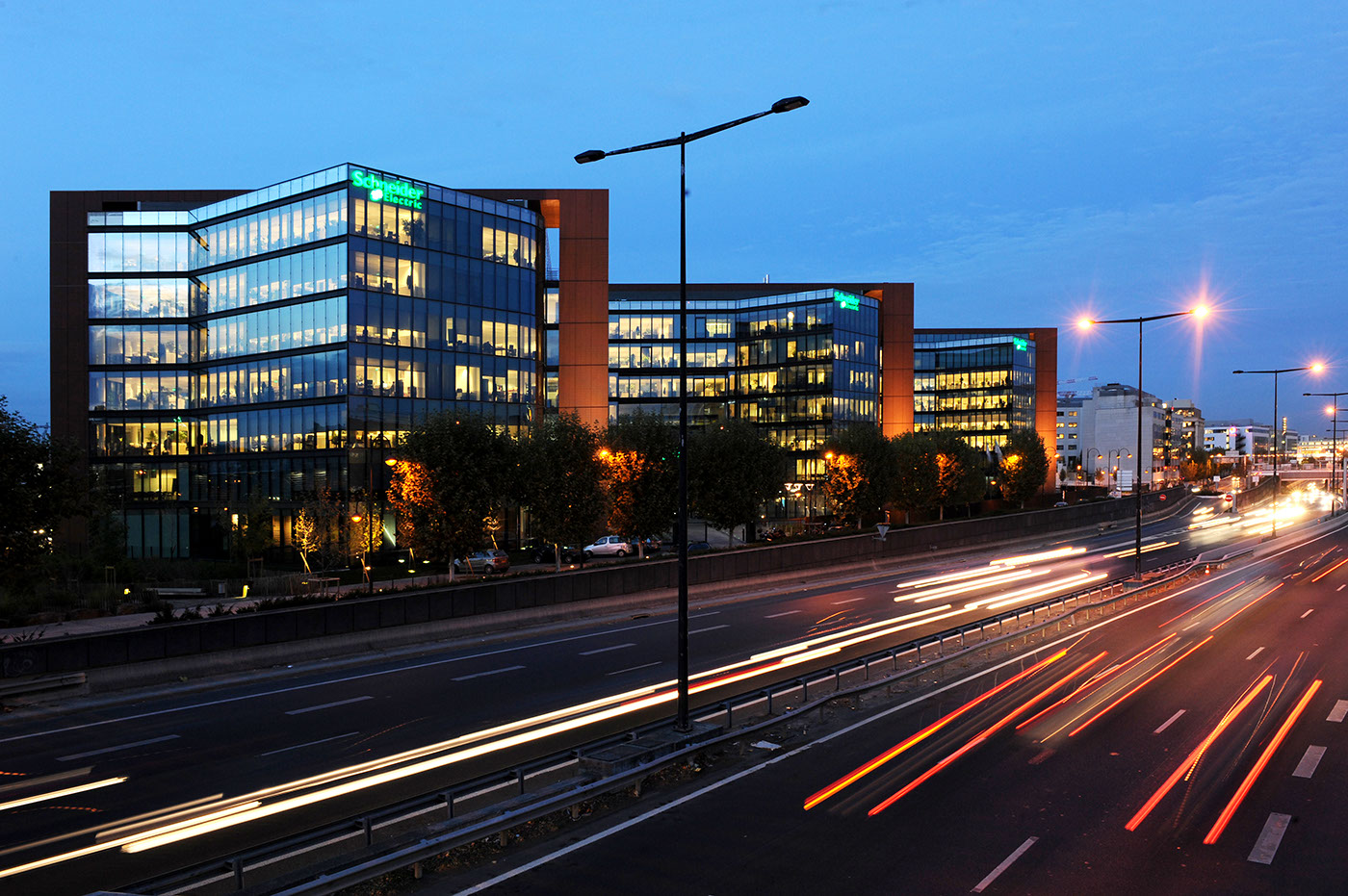
Schneider Electric announced Monday that it has agreed to buy Boston-based industrial-software company PTC for $205 a share in cash — a $22.6 billion equity value, a $23.7 billion enterprise value, and the largest acquisition in the French giant's history. It is the biggest industrial-software bet of 2026, and the market's reaction told you everything about how investors feel about it: PTC shareholders are thrilled, up roughly 34% in Monday trading. Schneider shareholders, staring at a €22 billion financing bill, are not — the stock fell about 10% in Paris.
The headline number is only the start of it. The $205 offer represents a 42.3% premium to PTC's last closing price on Oct. 2 and a 46.1% premium to its 30-day volume-weighted average before the announcement — a full, no-discount, take-it-and-love-it price. PTC's board has unanimously recommended the deal to shareholders, but this is far from done: the transaction needs approval from PTC's shareholders and regulators on both sides of the Atlantic, and the companies don't expect it to close until the third quarter of 2027. That's a long runway, and a lot can happen in a year.
The market's split verdict was instant and violent. PTC shares jumped 34.4% in U.S. premarket trading, because being acquired at a 42% premium is the kind of problem every investor wants. Schneider, meanwhile, dropped nearly 10% to around €274 in early Paris trading — wiping close to €15 billion off its market value in a morning, after its shares had already climbed 29% this year. Reuters' Breakingviews desk put it bluntly: Schneider was boldly disrupting its own AI story. The deal is being financed with other people's conviction — and investors don't hand that over cheaply.
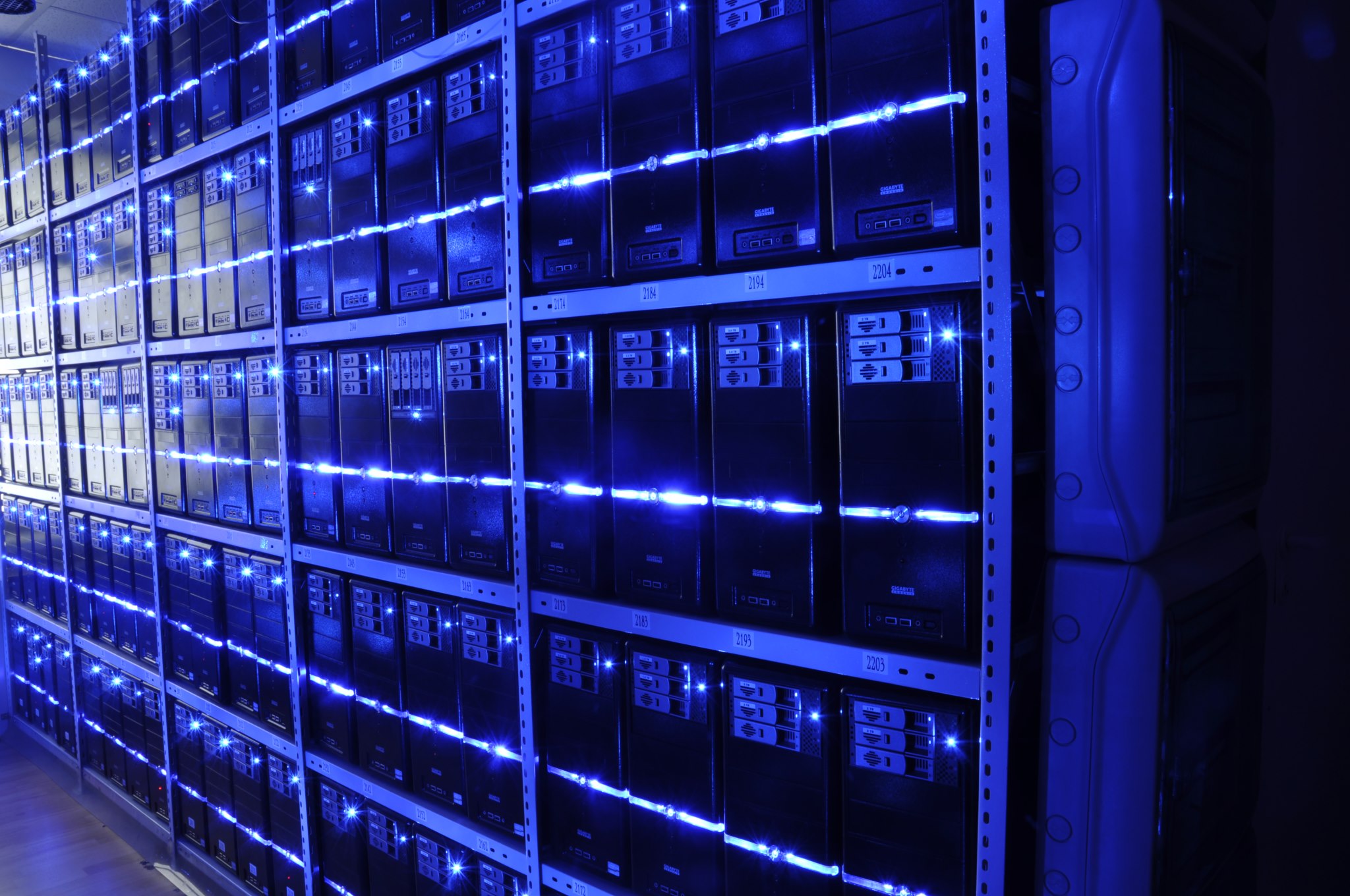
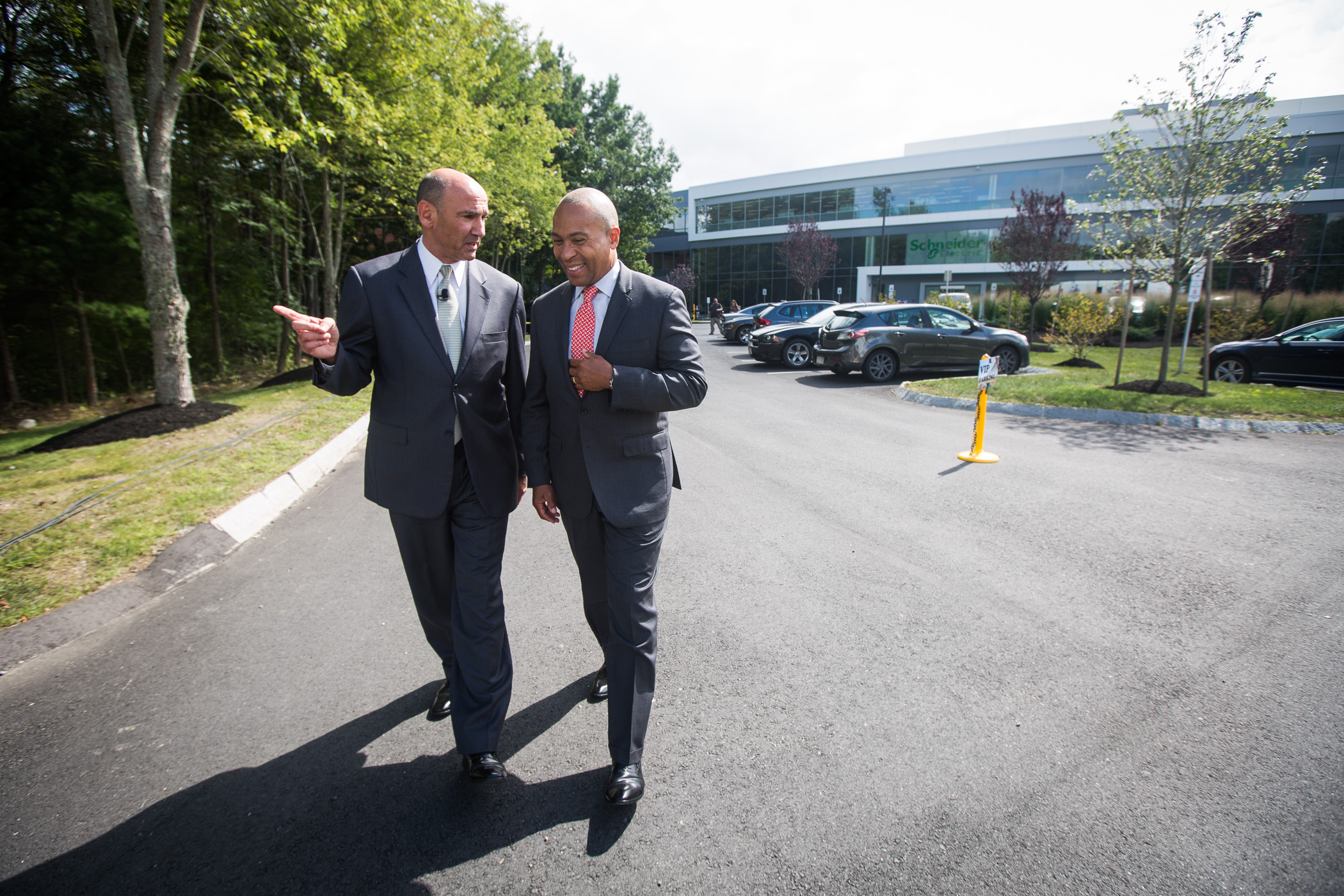
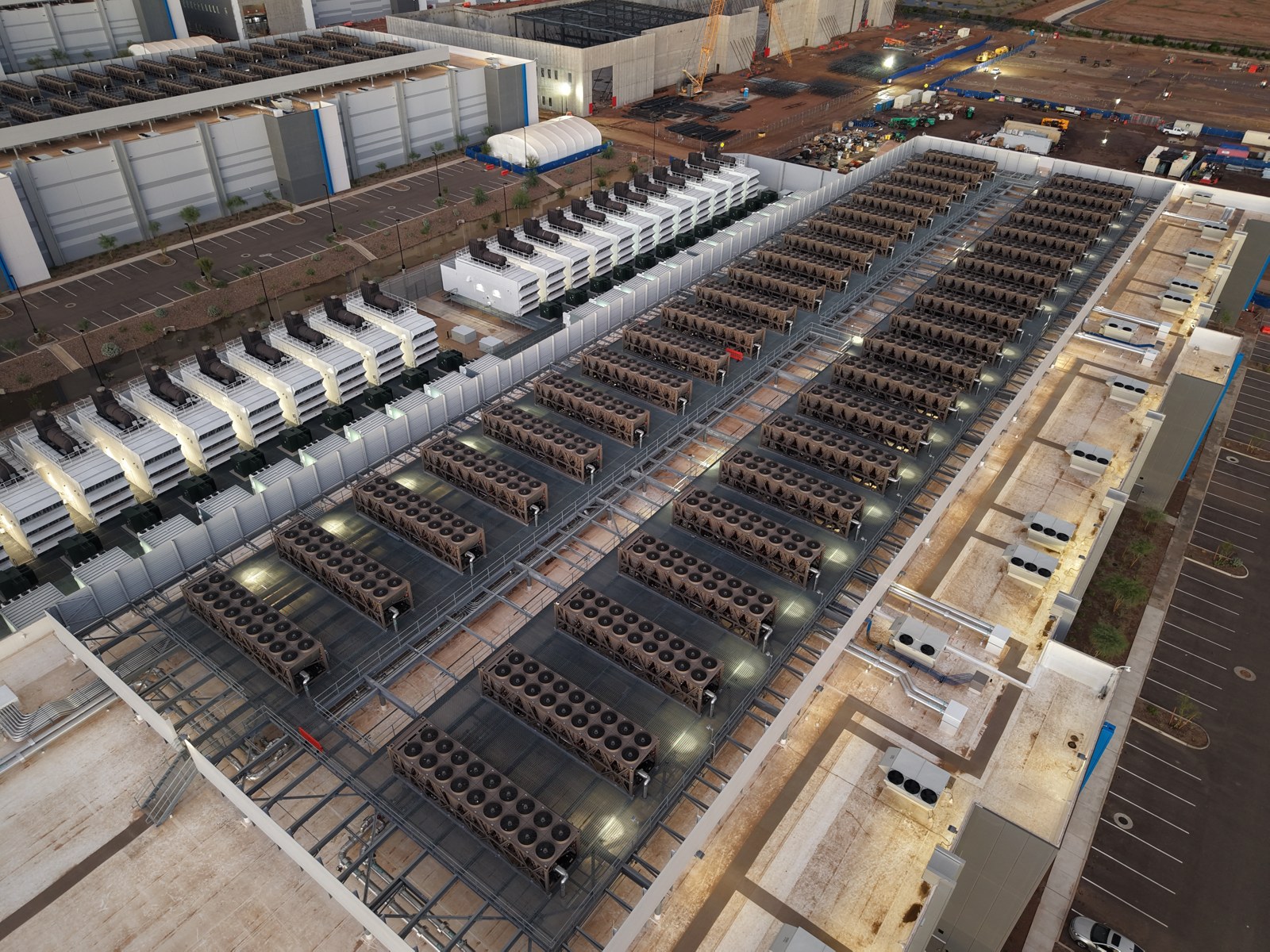
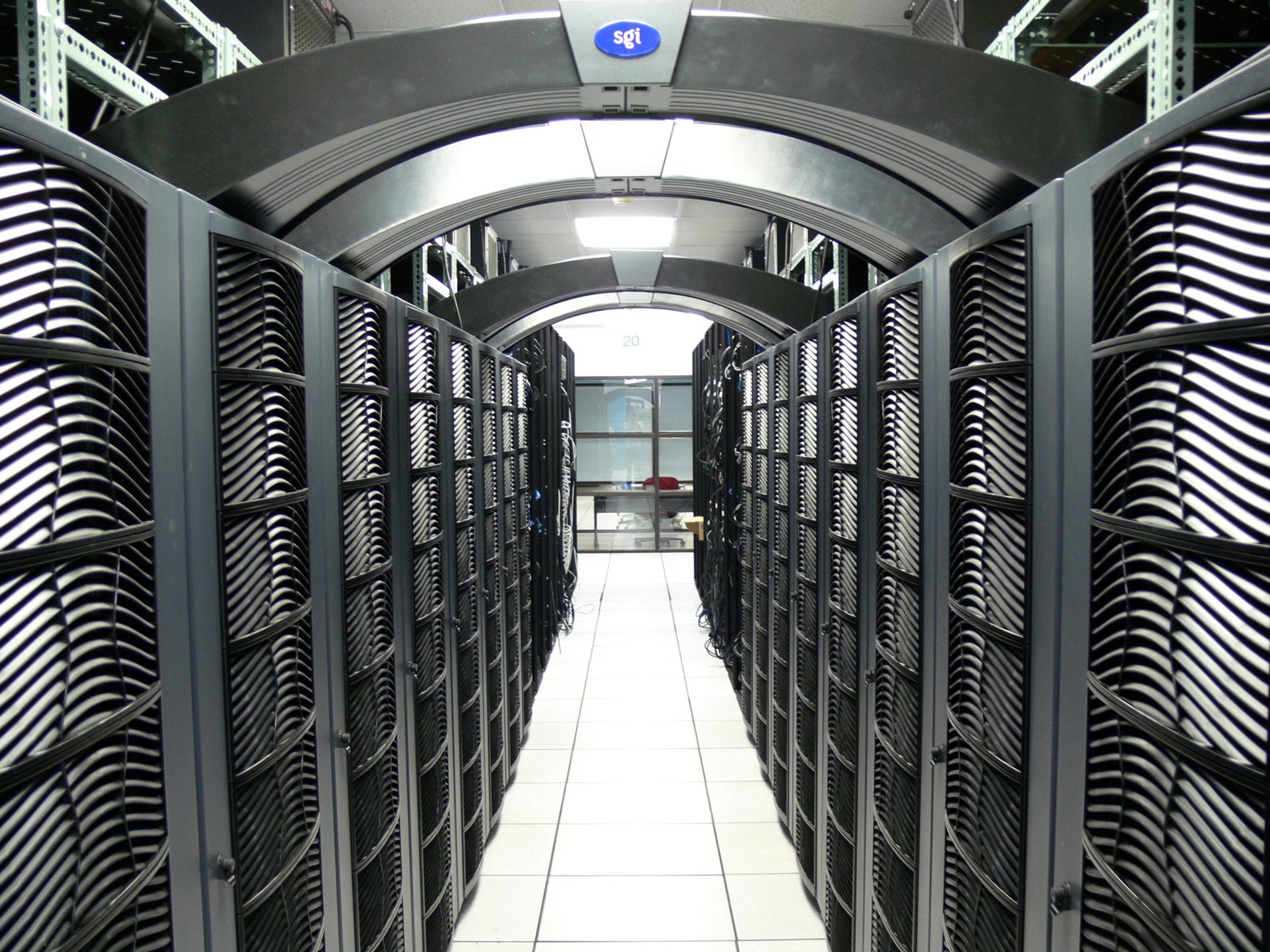
So why is the company that once sold fuses and circuit breakers spending $23.7 billion on software? Because Schneider isn't really an electrical-components company anymore — it's an infrastructure company riding the data-center boom. Schneider now builds the backbone of data centers: cooling units, server racks, critical power distribution. And PTC gives it the missing piece upstream: software for designing, manufacturing, and servicing complex industrial products. PTC's Creo computer-aided design tools and Windchill product-lifecycle software sit at the very beginning of the industrial lifecycle — before the factory, before the data center, at the engineer's desk.
Schneider already owns AVEVA, the industrial-operations software business it bought for roughly $11 billion in 2023, and in June it agreed to acquire Cognite Holding, a privately held provider of AI software and industrial data. PTC extends that stack further back into product design and engineering data. Chief executive Olivier Blum told investors the logic is about the AI era: engineering and design data would strengthen Schneider's ability to deploy AI across customers' industrial operations, because, as he put it, data is becoming a very critical layer for extracting value from AI — the technology needs tight links between data and the software that gives it context. The combination would lift Schneider's software-as-a-service revenue to about 24% of the group total, accelerating its push from electrical equipment and automation into higher-growth, recurring-revenue software.
There is a delicious irony at the center of the deal, and Wall Street spotted it immediately. The reason PTC is buyable at all is the same reason investors are nervous about Schneider buying it: AI disruption fears have crushed software valuations. Jefferies noted in a note to investors that those fears are still weighing on software valuations — which lets Schneider acquire PTC at what the bank called a decade-low valuation, but could keep weighing on Schneider itself after the deal. Berenberg's analyst told Reuters the deal was a healthy valuation amid a compressed valuation environment and challenging investor sentiment across software. Translation: it's cheap because everyone's scared of AI eating software companies' lunch — and now Schneider owns one of those companies.
The financing tells you how seriously Schneider is taking this. The company has secured a roughly €22 billion bridge facility from Morgan Stanley and Société Générale, which it expects to replace with about €5–6 billion of new equity and €16–17 billion of new debt issued in several currencies. That's a balance-sheet transformation for what is currently France's third-highest-valued listed company. Schneider says it expects to keep its A-category credit ratings, maintain its progressive dividend policy, and preserve its previously announced share-buyback envelope through 2030 — though it will pause repurchases in 2027 and 2028. Ratings agencies and bondholders will be testing those promises against the final financing terms for years.
On Schneider's math, the enterprise value equals about 21 times PTC's estimated 2027 adjusted earnings before interest, taxes, and amortization — falling to about 13 times once you count the full benefits management expects from combining the companies. That gap is the whole bet: Schneider projects €250 million in annual run-rate cost savings by the third year after closing, plus about €800 million in revenue synergies from cross-selling, wider distribution, and joint development. Those are management forecasts, not contracted results — and cost savings are always easier to deliver than new revenue. PTC's own standalone numbers show both the prize and the risk: its latest SEC filing reported annual recurring revenue of $2.41 billion in the June quarter, up 7% (9.1% at constant currency), but recognized revenue of $600 million, down 7% year over year, as subscription timing under accounting rules moved sales around. Recurring contract value and quarterly sales don't move in lockstep.
Schneider comes to this deal from a position of genuine operating strength, which is part of why it can afford the audacity. Its first-half results showed record revenue of €21.2 billion, adjusted EBITA of €4.1 billion, and free cash flow of €1.6 billion, with data-center demand leading growth and industrial automation accelerating. That cash generation makes the financing plausible. It does not remove the valuation risk of paying a 42% premium — or the integration risk of bolting three software businesses (AVEVA, Cognite, PTC) onto an industrial giant while the software market debates whether AI is a tailwind or a buzzsaw.
Monday's broader market session showed just how AI-obsessed Wall Street is right now — every industrial and infrastructure name is being priced against the data-center buildout. And the AI power crunch itself is Schneider's home turf: the chips need the power, and the power needs Schneider's gear. That's the bull case in one sentence. The bear case is that Schneider just paid top dollar for a software asset in a sector the market is actively repricing downward, with a year-long closing process during which financing markets, operating performance, and regulators' moods can all change.
Competition review will likely focus on the overlap in industrial design, lifecycle management, and operations software — and on Schneider's promise to keep the combined portfolio open and interoperable for customers running rival systems. PTC's own annual report describes a market full of large, established software competitors and specialized vendors, which suggests regulators will examine product segments individually rather than wave the whole thing through as one undifferentiated "industrial software" market.
For now, what exists is a signed agreement, not a completed takeover and not a demonstrated integration. Schneider has put a $23.7 billion price on the strategic value of connecting product design with industrial operations. The next evidence arrives in the proxy materials, the regulatory filings, and the final financing terms — and then, over the roughly yearlong path to closing, in whether the industrial-AI story that justified this price is still the story the market is telling. Monday's 10% selloff suggests the jury is very much out.
Sources
- Reuters (via WNCY), Oct 5, 2026 — Schneider Electric to buy PTC in $22.6 billion deal; financing, synergies, Jefferies and Berenberg commentary
- Reuters Breakingviews, Oct 5, 2026 — Schneider Electric boldly disrupts own AI story; $23.7B enterprise value, 42% premium, shares down ~10% to €274
- The American Quorum, Oct 5, 2026 — $205/share, 42.3% premium to close, 46.1% to 30-day VWAP, board approvals, Cognite and AVEVA context
- Reuters (Sabrina Valle, Lucie Barbier, Dimitri Rhodes), Oct 5, 2026 — deal terms, Blum comments, SaaS revenue target