
HOUSTON
The Texans' offensive line got its veteran back on Wednesday. Houston activated offensive tackle Braden Smith from injured reserve, the team announced, ending a stay on the shelf that began before the season did — Smith went on IR ahead of Week 1 with a foot injury, and after returning to practice last week, he is now back on the active roster.
For a position group where continuity is half the product, this is the kind of mid-October transaction that quietly changes a season. Starting tackles do not grow on practice squads.
What Smith brings back to Houston
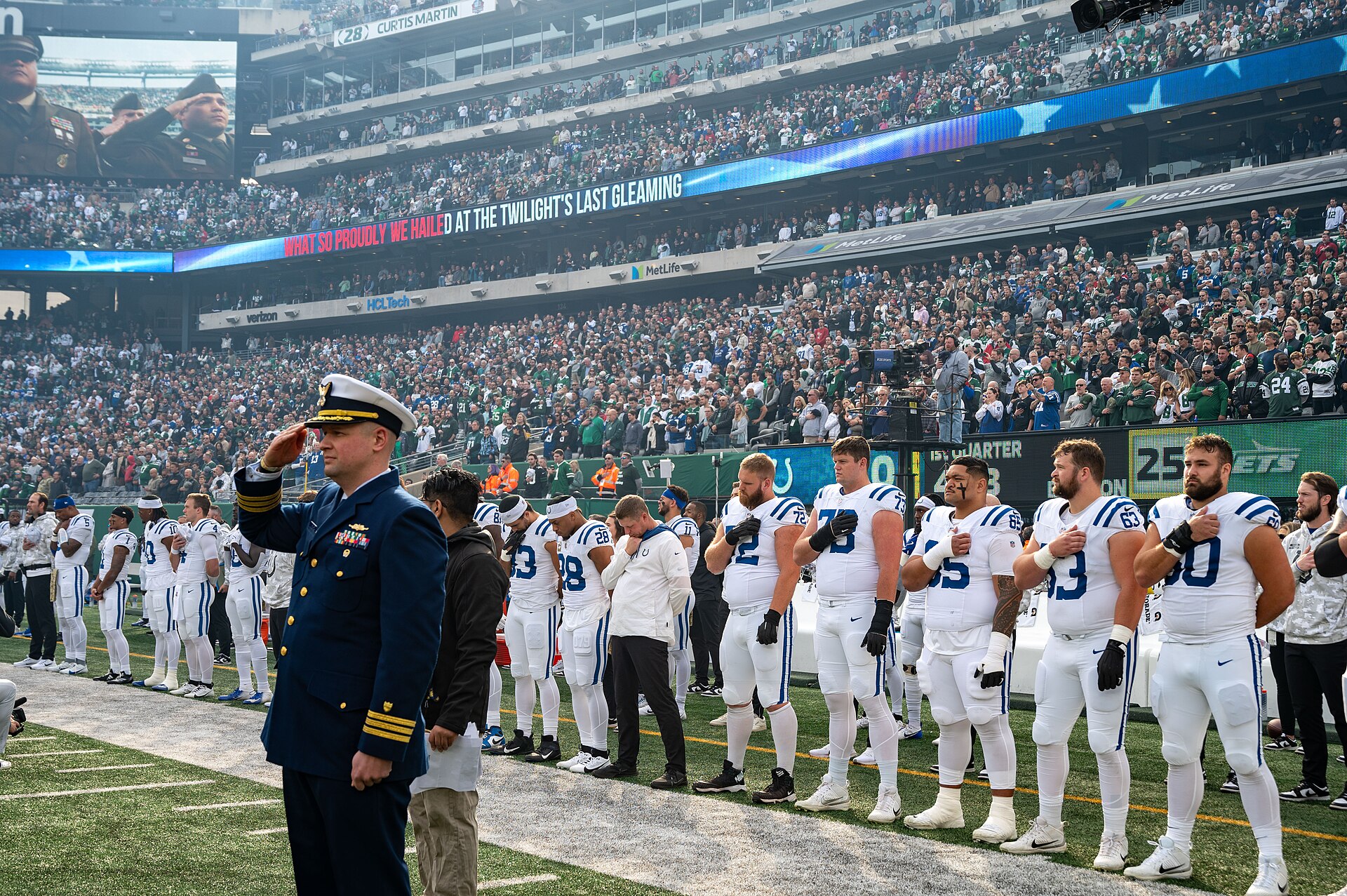
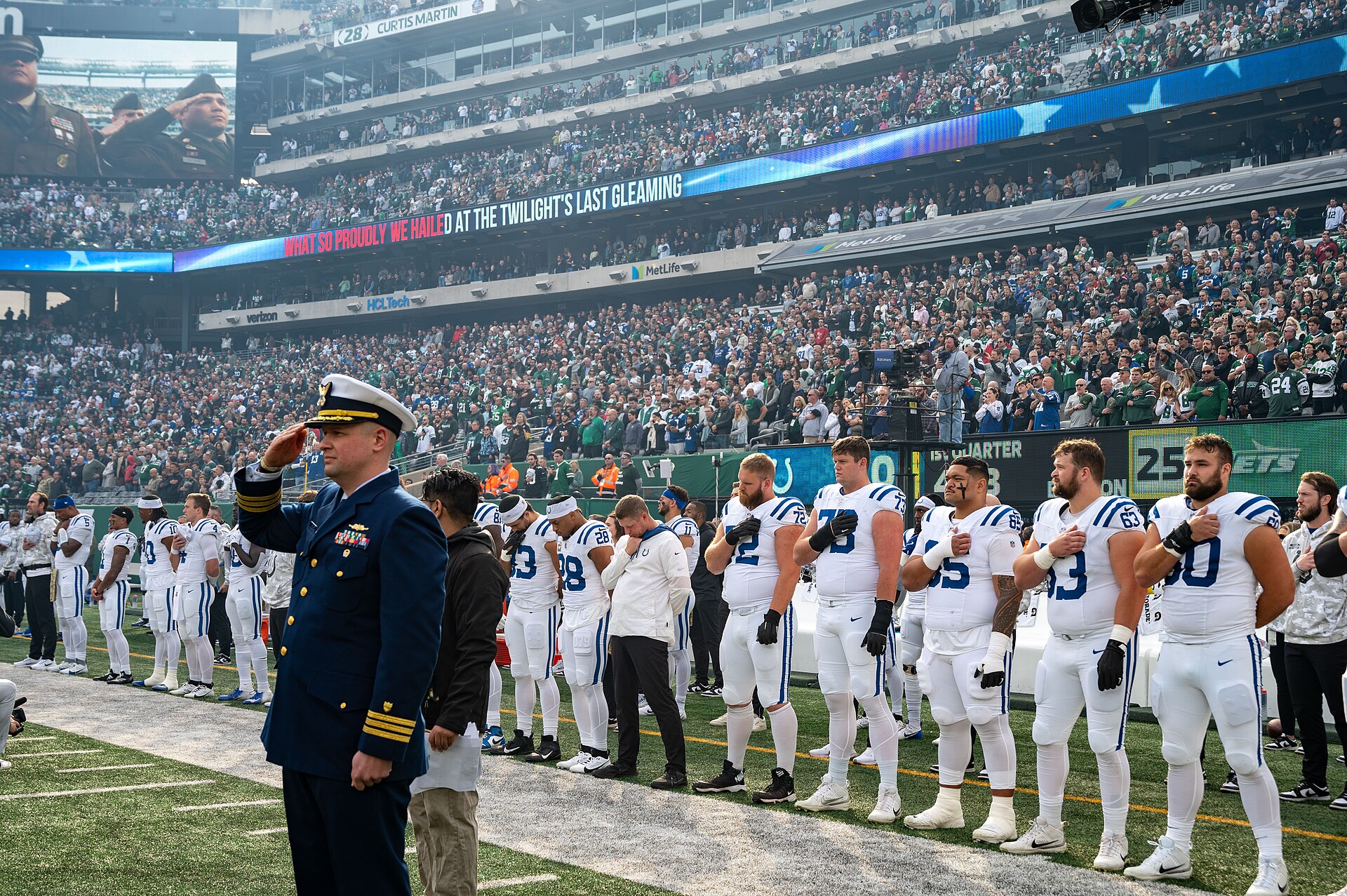
Smith is not a developmental swing tackle being rushed into service; he is one of the most experienced right tackles in football. A second-round pick in 2018, he spent his first eight seasons with the Indianapolis Colts and started 105 of the 107 games he played there — a durability résumé that makes his foot injury this fall the exception rather than the pattern. Houston signed him to a two-year deal this offseason precisely for that reliability, and then had to spend the first stretch of the season without it.
His activation also nearly empties Houston's return-to-play list. The Texans had already activated defensive tackle Kayden McDonald and safety M.J. Stewart in Week 5, and with Smith now back, wide receiver Tank Dell is the only player still in the return-to-play process, per NBC Sports. A roster that started the year managing absences is, one activation at a time, becoming whole.

The rest of Houston's Wednesday paperwork
The Smith move headlined a busier-than-usual Wednesday transaction wire for the Texans. Houston also signed quarterback Mark Gronowski and wide receiver Bryce Oliver to the practice squad. Both players come full circle quickly — each was waived off the active roster just last week, and both now return in practice-squad spots, keeping their knowledge of the system in the building while freeing the roster spots the team needed.
It is the unglamorous end of roster management, and it matters more than it looks: practice-squad players who already know the playbook are the difference between a manageable injury week and a scramble.
In Cleveland, another clock starts
Wednesday was also a return-window day in the AFC North. The Browns announced that running back Dylan Sampson has been designated to return from injured reserve, opening his 21-day practice window. Sampson suffered a knee injury on Sept. 13, in the aftermath of Cleveland's Week 1 loss to the Jacksonville Jaguars, and was placed on injured reserve on Sept. 15. He now has 21 days to be activated, or he remains on IR for the rest of the season.
Sampson's résumé is still short — that is what a second-year back's looks like — but it is not empty: 175 career rushing yards, plus 33 catches for 271 yards, across 16 games played. Drafted out of Tennessee in 2025, he gave Cleveland a pass-catching change of pace out of the backfield, and 33 receptions for a young running back is a real skill, not a garnish. Receiving backs who can be trusted on third down earn their roster spots in October and November, which is exactly when Sampson is trying to come back.
Why mid-October is return season
There is a rhythm to the NFL calendar that casual fans rarely see: the players who went on injured reserve in September become October's reinforcements. Houston's version of that story is nearly complete — McDonald and Stewart back in Week 5, Smith back now, and only Dell still working through the process. Cleveland's version starts today, with Sampson's three-week audition to prove his knee is ready for Sundays.
Neither move will lead a highlight show. Both will show up where games are actually decided: in pass protection on third-and-long in Houston, and in the Browns' backfield rotation if Sampson's window ends the way Cleveland hopes. October football is roster football, and on Wednesday, two AFC teams got a little more of theirs back.
The week ahead for both clubs
For Houston, the practical question is timing: activation makes Smith eligible, and his return to practice last week was the checkpoint that set this move up. A tackle who has started 105 games does not need a long runway to be useful, and even a managed snap count from a veteran of his caliber steadies a line rotation in a way a street signing never could. For Cleveland, the Sampson window is a slower burn — the designation starts the clock, it does not end the evaluation, and the Browns can use the full 21 days before deciding whether his knee is ready for a game-day roster spot.
That asymmetry is the real story of the day. Houston's move is a finish line: a player the team signed to be a starter is a starter again, and the return-to-play list that defined the Texans' first month is down to a single name. Cleveland's move is a starting gun. Both are progress, but only one of them puts a player in uniform this week — and for a Texans team that paid for certainty at right tackle in March, Wednesday is the day the purchase finally arrived.
More NFL coverage is at Previously's sports hub and the news hub.
Sources · 3 sources
- NBC Sports / Pro Football Talk, "Texans activate OT Braden Smith from IR," Oct. 14, 2026 — nbcsports.com
- Browns Wire / USA Today, "Browns RB Dylan Sampson designated to return from injured reserve," Oct. 14, 2026 — brownswire.usatoday.com
- Houston Texans, team announcement of Smith activation and practice-squad signings via HoustonTexans.com, Oct. 14, 2026





