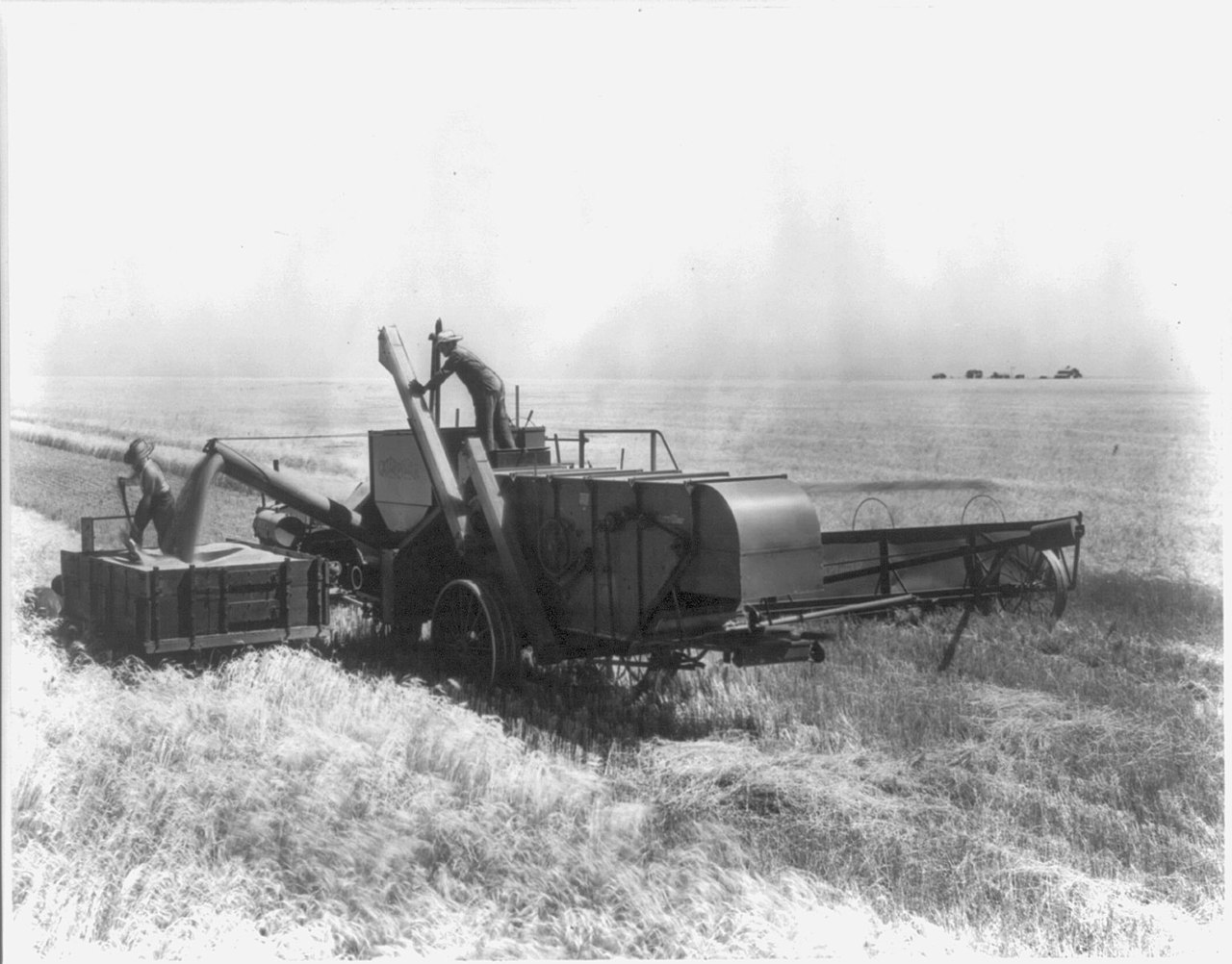

President Donald Trump used a midterm campaign stop in Kansas on Monday night to announce a new $8 billion support program for American farmers, a one-time round of federal payments meant to offset diesel costs during the harvest season. Reuters reported that Trump unveiled what he called a new “harvest fuel relief program” in a campaign speech in Kansas, and CNN reported that he announced the package at a rally on Monday in the face of high diesel and fertilizer costs. The U.S. Department of Agriculture said after the speech that it would make $8 billion available for one-time payments to farmers this harvest season, according to Reuters.
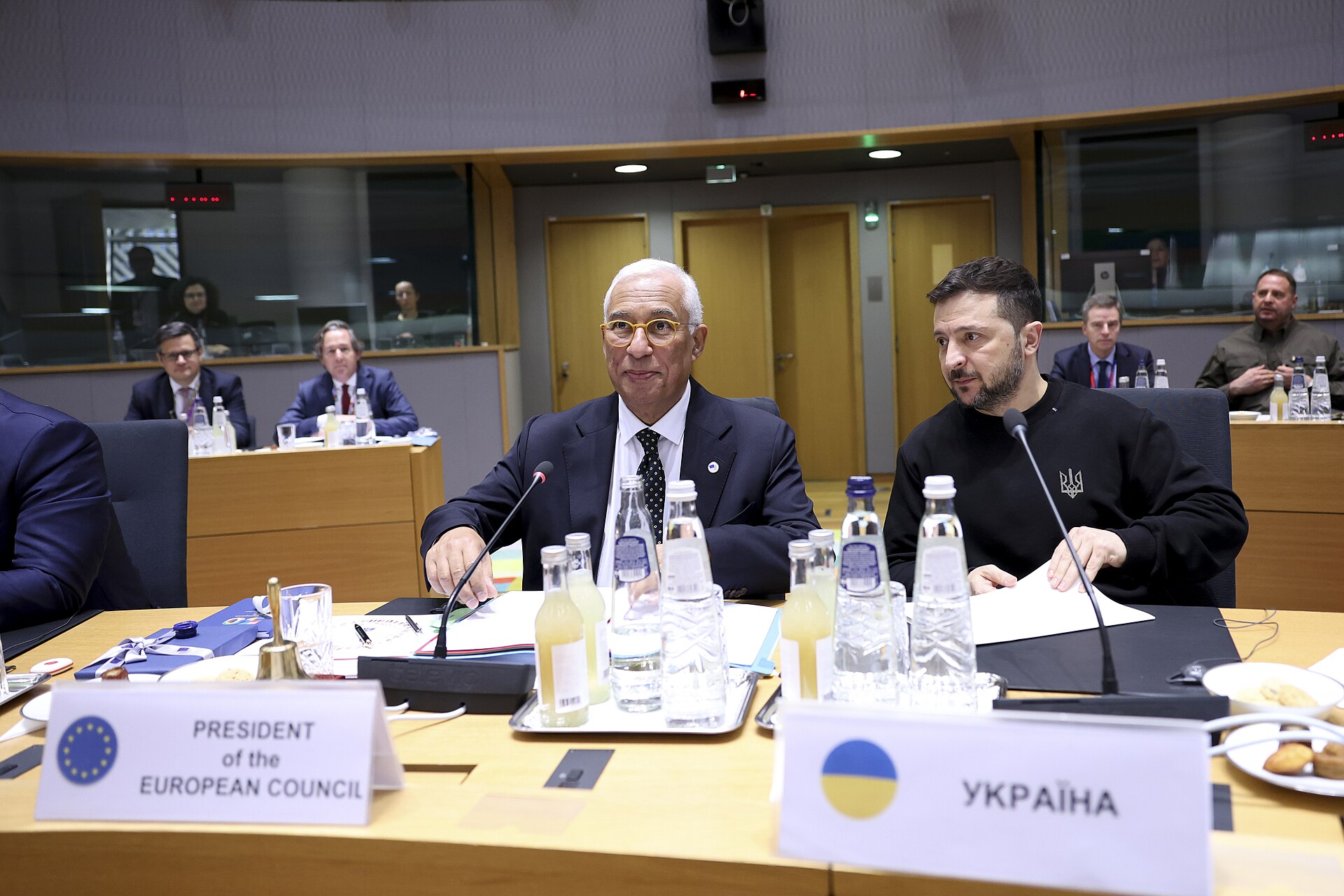
“Tonight, I’m also pleased to announce that the Department of Agriculture will be launching a new harvest fuel relief program, providing our farmers with $8 billion in support to offset diesel costs during this harvest season,” Trump said, according to Reuters. Fox Business, which also covered the rally, reported that Trump spoke at the Heartland Credit Union Arena in Park City, Kansas, near Wichita, where he was stumping for Senator Roger Marshall of Kansas. Fox Business reported that Trump credited Marshall as the leader who fought for the program, and CNN reported that Trump promised even more help for farmers “when the Republicans win,” telling the crowd, “We love our farmers.”
How the money is supposed to work
The structure, as the Agriculture Department described it after the speech, is deliberately broad rather than targeted at a single crop or state. Reuters reported that the department said the $8 billion would be available “for one-time payments to American farmers this harvest season to provide relief during temporary market disruptions and increased input costs.” The program will provide what the department called “proportional support to producers using a uniform formula to cover a portion of modeled losses during the 2026 crop year,” Reuters reported, and the payments will be administered by the department’s Farm Service Agency. In plain terms, that means the money is not a loan program and not a new permanent subsidy: it is a single round of checks, sized by a formula tied to modeled 2026 losses, delivered through the same Farm Service Agency offices farmers already use for other federal farm programs.
What the announcement did not yet supply, on Monday night, was a payment timetable or a per-farm estimate. Reuters reported the department’s description of the formula without a schedule for when applications would open or when money would reach producers, and farmers in the middle of harvest will be watching for that implementation guidance from the Farm Service Agency. That gap between an announcement and a payment is familiar territory in farm country, and it is one reason the political reaction in the coming days may matter as much as the headline number.
Why diesel, and why now
Fuel is not a side cost for farmers; it is the cost that runs underneath almost everything else they do. CNN reported that farmers are major users of diesel fuel for their farming equipment and have seen the price of that fuel hit record levels, and that fertilizer costs have soared this year after the conflict in the Middle East disrupted the share of the world’s supply that normally flowed through the Strait of Hormuz. Reuters reported that Trump signed an executive order earlier this month that he said would expand access to tax-exempt diesel, a step aimed at the same pressure point. The farm announcement therefore did not arrive on its own: it followed that executive order and landed on the same day that oil markets were setting fresh highs, as we reported in our coverage of Brent crude climbing to a five-month high of $111.05 a barrel.
The wider energy backdrop explains the urgency in the administration’s language. Reuters has reported in recent weeks that diesel prices climbed above $6 a gallon as the closure of the Strait of Hormuz, low fuel inventories and strong exports tightened supply, and Democratic lawmakers from the Northeast pressed the Energy Department this month over heating oil costs they said were about 60 percent higher than before the conflict, according to a letter seen by Reuters. Diesel and heating oil come from the same refining stream, so the same squeeze that raises a farmer’s harvest bill also raises a New England family’s winter heating bill — a connection that has made fuel prices one of the most politically sensitive numbers in the country this fall.
A second big farm package in less than a year
This is not the first time the administration has reached for a large, one-time farm payment. CNN reported that it is the second time in 11 months that the Agriculture Department has offered a one-time payment to farmers through a harvest relief effort, and that a $12 billion aid package announced in December helped farmers who were then primarily hurt by the trade disputes sparked by the administration’s tariffs, which were cutting into export demand for their crops. Fox Business reported that Trump himself compared the new fund to the $12 billion Farmer Bridge Assistance program given earlier, and to the $28 billion given to farmers during his first administration, including $12 billion before the 2018 midterms. The pattern is now a recognizable one: when costs or trade fallout squeeze farm income in an election year, the White House answers with a large, round number delivered as direct payments.
That history also frames the argument critics are likely to make. A one-time payment can cover a portion of modeled losses, in the department’s own words, but it does not change the underlying diesel price, the fertilizer market or the export demand that produced the losses. Supporters, led at the Kansas rally by Marshall, present the money as a bridge across a temporary disruption — the department’s statement used exactly that framing, citing “temporary market disruptions” — while the test of the program will be whether the disruption is in fact temporary by the time the checks are spent.
The midterm map runs through farm country
Neither Reuters nor CNN treated the timing as incidental, and neither should readers. The announcement came two weeks before the November midterm elections, where control of Congress is at stake. Reuters reported that Republicans currently hold a narrow majority in both the Senate and the House, that Trump’s approval rating has been low due to his handling of the high cost of living during the U.S.-Israeli war on Iran that raised fuel prices, and that Trump and his party have been scrambling to maintain support in farm states with competitive Senate races as costs have risen. CNN reported that current polling projects close Senate races, or even Democratic victories, in many states Trump easily won in the last three presidential elections, including Iowa, Kansas, Ohio and Texas, and that Kansas — which has not elected a Democratic senator since 1932, according to CNN — is seen as too close to call in the race between Marshall and Democrat Adam Hamilton.
That is the same electorate, and the same cost-of-living pressure, that is driving the record money elsewhere in this cycle, as we detailed in our look at the $15 billion midterm money race. Farm states are not a backdrop to that fight; in a Senate map this close, they are a decisive part of it. An $8 billion announcement delivered in person, in Kansas, with the state’s Republican senator credited by name, is both a policy rollout and a campaign argument, and the administration made little effort to separate the two on Monday night.
What happens next
The next facts to watch are administrative, not rhetorical. The Farm Service Agency has to turn the department’s uniform formula into eligibility rules, sign-up windows and payment dates, and producers will judge the program by how much of a modeled loss the formula actually covers and how quickly money arrives during, rather than after, the harvest it is meant to relieve. Politically, the announcement sets a marker that both parties will argue over for the remaining two weeks of the campaign: Republicans presenting it as proof the White House is answering the cost squeeze, and Democrats likely to note, as CNN’s reporting on the December package suggests, that farmers have now needed two emergency-scale interventions in less than a year. For continuing coverage of the campaign and the economy behind it, see the latest news from Previously.
More from the News Desk: Latest news
Sources · 3 sources
- Reuters — US to launch $8 billion support program for farmers to offset diesel costs, Trump says (Bo Erickson and Kanishka Singh, October 19, 2026)
- CNN — Trump administration announces $8 billion farm relief plan as fuel, fertilizer costs bite (October 20, 2026)
- Fox Business — Trump announces $8B bailout for farmers to cover diesel cost surge (October 2026)