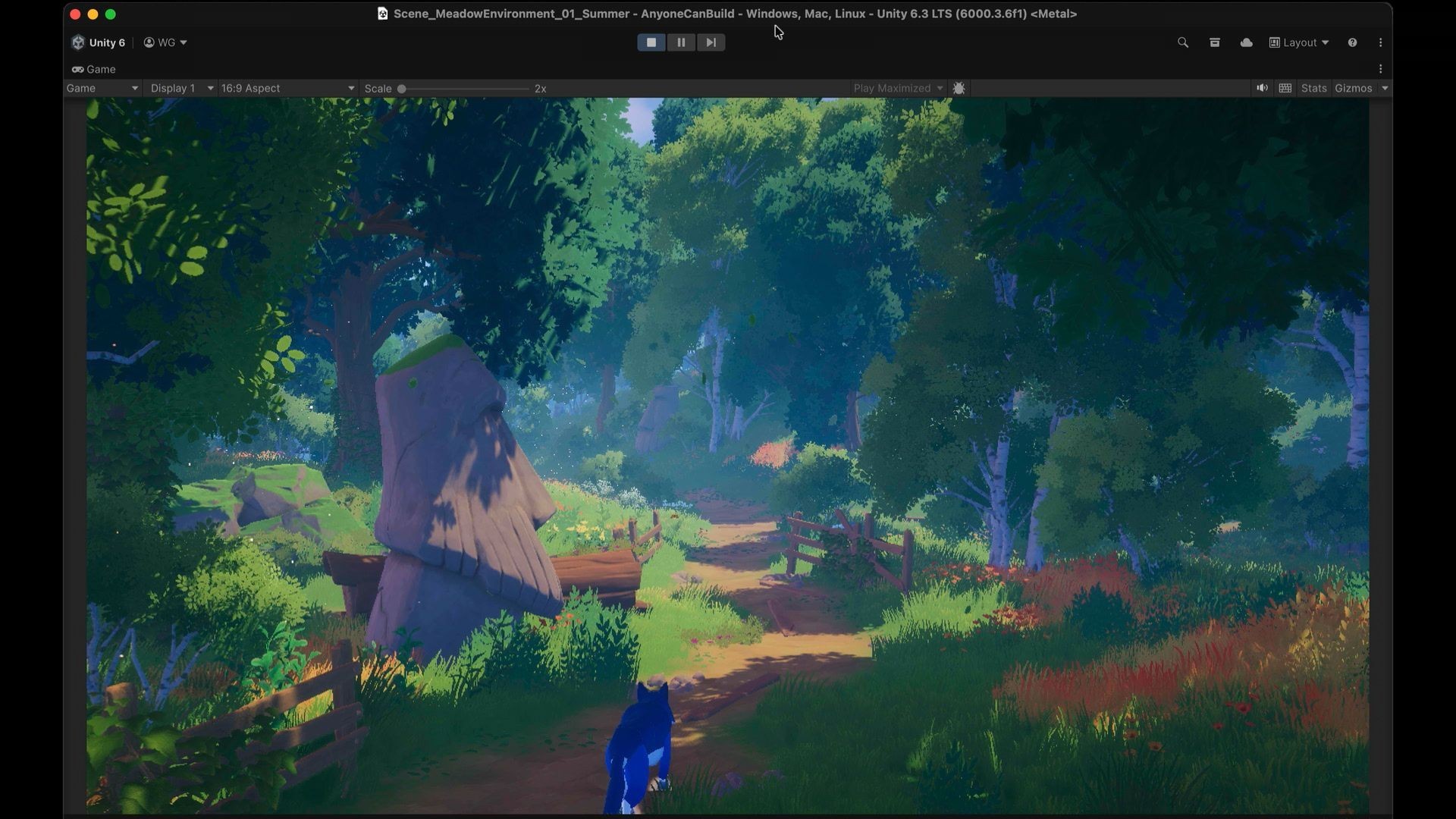

The group that bought Electronic Arts is shopping again. Reuters reported on November 5 that Silver Lake and Saudi Arabia's Public Investment Fund have approached Unity — the company whose engine runs a huge share of the world's mobile and independent games — about acquiring it, citing two people familiar with the matter. A valuation of around $25 billion was discussed, Reuters reported.
The shape of the talks, as Reuters reported them, is early and unsettled. The approach came in recent weeks, and the $25 billion figure was discussed before Unity published its latest quarterly earnings on November 5; after those earnings, Unity's market capitalization stood at roughly $21.5 billion. Unity has been working with an investment bank to evaluate its options, Reuters reported. Unity declined to comment, and Silver Lake and the PIF did not immediately respond. The talks are preliminary, the structure and terms could change, and no deal is assured. The market took it seriously anyway: Unity's shares climbed nearly 15 percent after the report.
A buyer already on the board
Silver Lake would not be buying from the outside. The firm invested up to $400 million in Unity in 2017 and still owns around 8 percent of the company, and its co-chief executive, Egon Durban, sits on Unity's board — a seat that would ordinarily see him step back from any board discussion of a sale.
The strongest quarter in the company's history
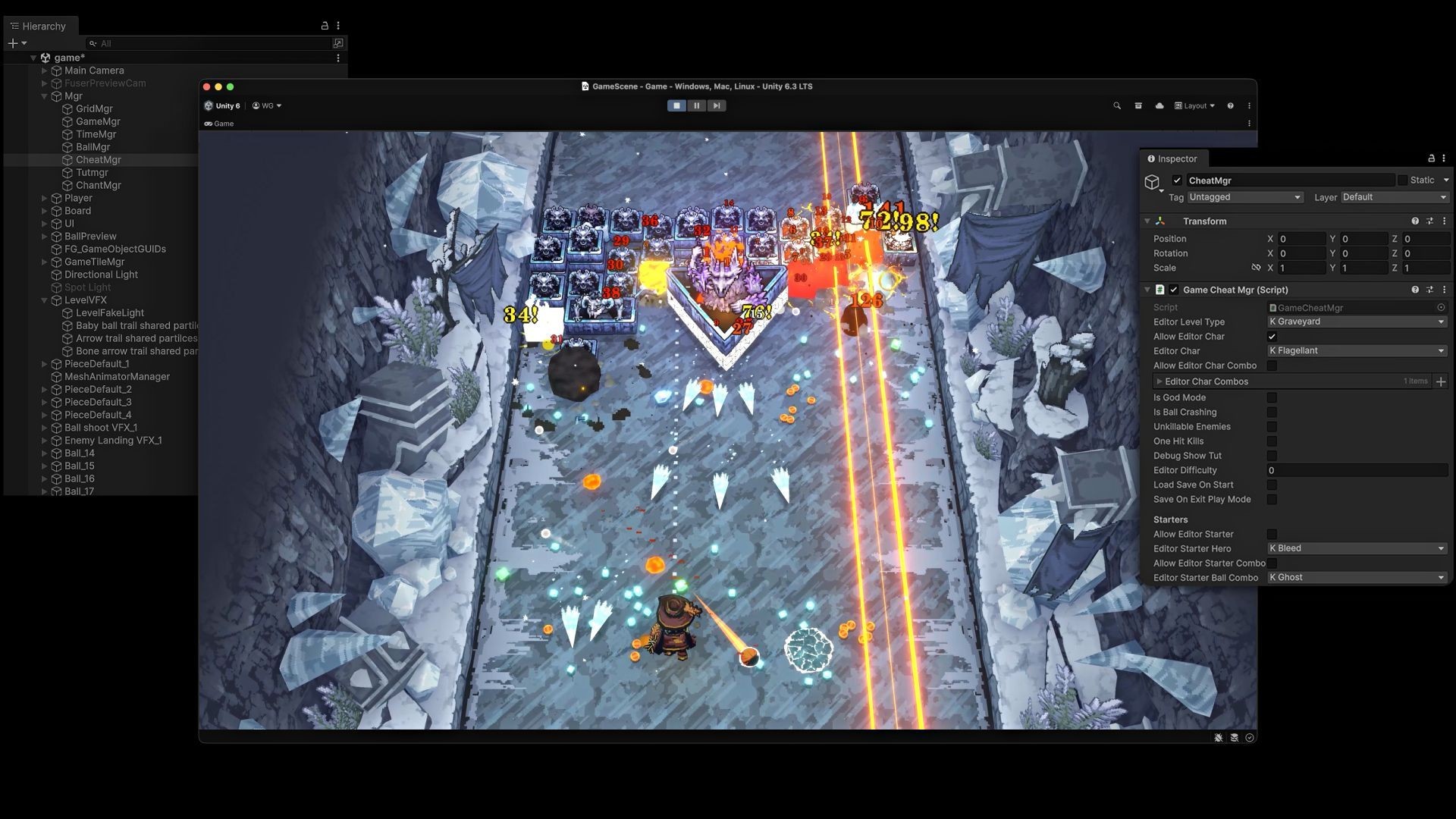
The timing is the twist. The approach landed just before Unity posted what chief executive Matt Bromberg called, in the company's earnings release, its “strongest ever” third quarter. Unity said revenue rose 32 percent to $622 million, with strategic revenue up 59 percent year over year. Its Vector AI advertising platform grew 126 percent year over year, and the company recorded GAAP net income of $122 million — its first GAAP profitable quarter since its initial public offering in September 2020.
Everyone remembers the last one
The same consortium — Silver Lake and the PIF, alongside Affinity Partners — closed its $55 billion take-private of Electronic Arts in August, the largest leveraged buyout the games industry has seen, financed in part with borrowed money that now sits on EA's books. In October came the first restructuring under the new owners: about 400 jobs cut and BioWare, the studio behind Mass Effect and Dragon Age, closed — as Bloomberg reported at the time. A Unity deal structured the same way would put the same math on top of the industry's most widely used engine.
Developers also have their own history with Unity's business calls. The company's 2023 attempt to charge developers a per-install runtime fee set off an industry revolt; the fee was scrapped in September 2024, and Bromberg later admitted Unity had been “practically at war with our customers,” as DualShockers reported. An ownership change reopens every one of those questions — pricing, licensing, and who the engine ultimately answers to.
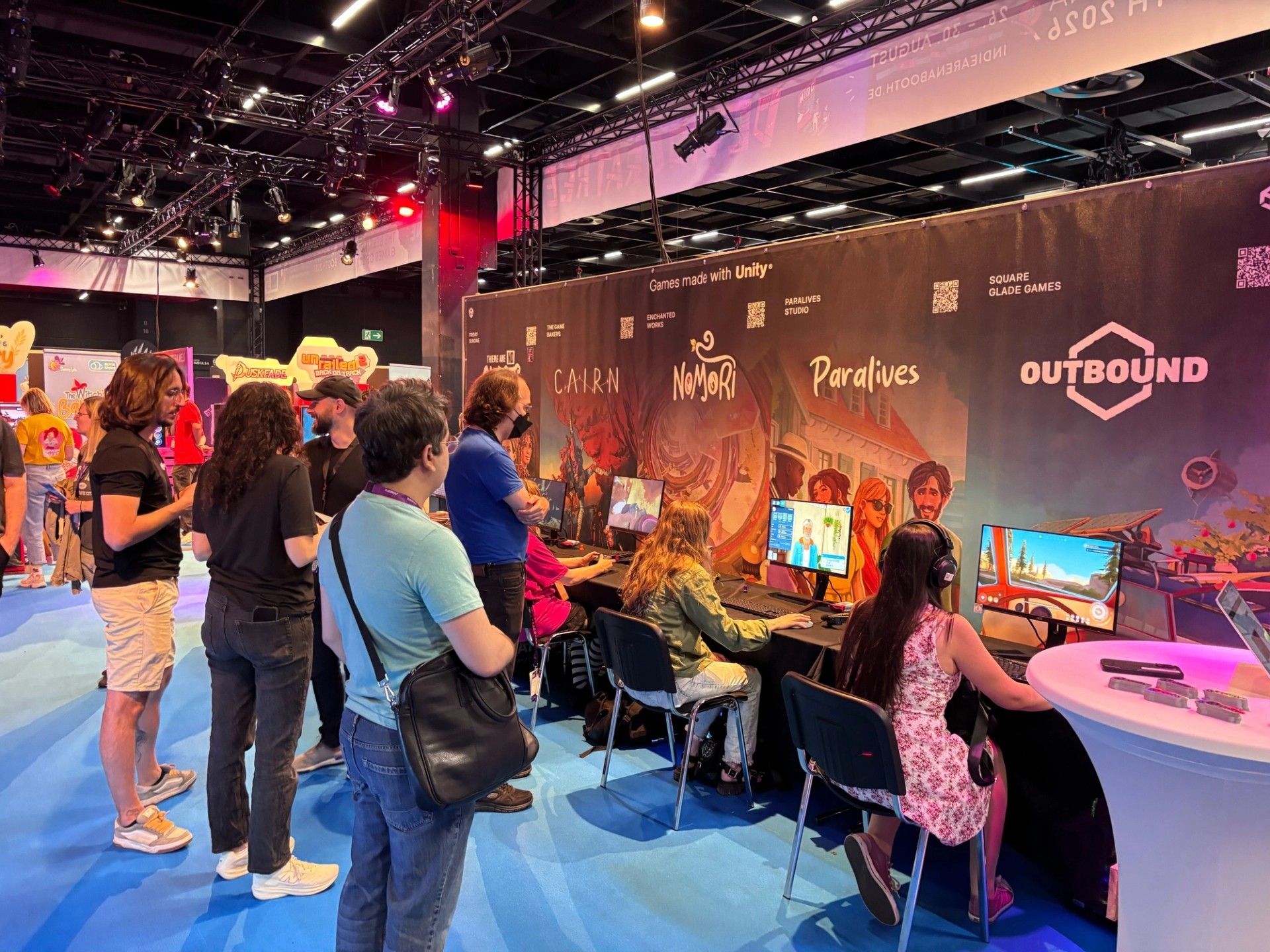
A publisher can be bought and its games go on; an engine is different — it is the ground other people's studios are built on. If this deal happens at anything like the reported structure, the debt math does not stay in the boardroom. It arrives, eventually, in every indie budget in the world.
Sources · 3 sources
- Reuters — exclusive report (Milana Vinn, Akash Sriram and Echo Wang, November 5, 2026): the approach by Silver Lake and the Public Investment Fund in recent weeks, the valuation of around $25 billion discussed before Unity's earnings, the roughly $21.5 billion market capitalization after them, the investment bank evaluating Unity's options, and all three parties' responses. The deal's reported status — preliminary, unconfirmed by Unity — is carried as Reuters reported it.
- Unity — third-quarter 2026 financial results (company release, November 5, 2026): revenue of $622 million, strategic revenue up 59 percent, Vector growth of 126 percent, GAAP net income of $122 million, and the first GAAP profitable quarter since the IPO.
- Bloomberg — reporting on Electronic Arts' October restructuring (October 2026, carried by the San Francisco Chronicle): roughly 400 jobs cut and the closure of BioWare in the first restructuring since the $55 billion buyout closed in August.