
October 17, 2026
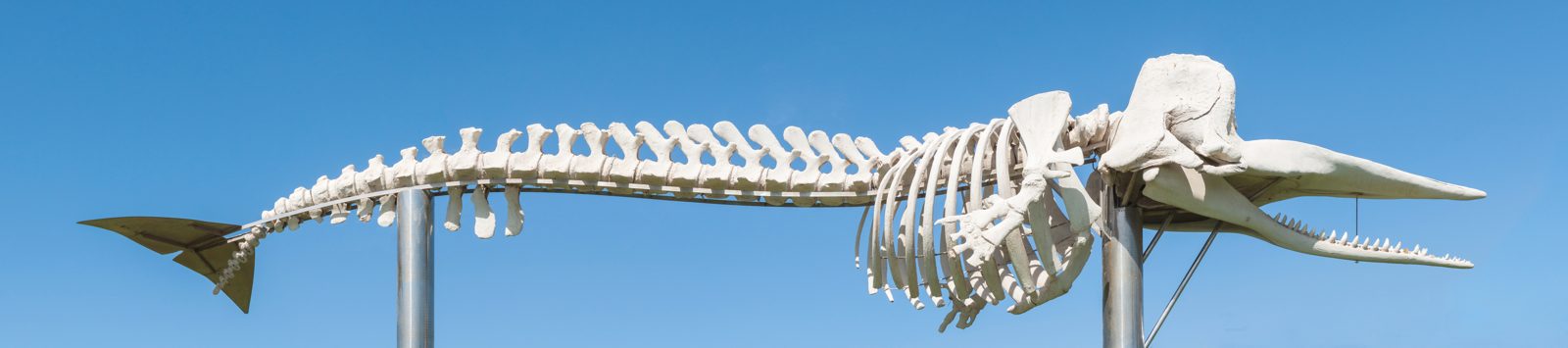
The weekend's most extreme premise belongs to Whalefall. The 20th Century Studios survival thriller — in which a young diver is swallowed whole by a sperm whale and has roughly an hour of air to find a way out — opened in U.S. theaters on October 16 and is projected to gross $10–12 million in its first weekend from 3,065 theaters, per box office reporting citing Deadline's figures. It is not the weekend's biggest number; Street Fighter owns that story. It may be its most interesting one. Full results are in box office coverage.
The opening mechanics are solid for the genre. Whalefall grossed $3 million on its first day including $900,000 from Thursday previews — a healthy preview share that suggests the premise sold tickets on its own, before reviews could help or hurt. The film premiered in London on October 5, building a week of international word of mouth ahead of the domestic launch. Against a reported production budget of $60 million (per GlobeTV), a low-double-digit opening means the film needs legs and international support rather than a miracle — a normal commercial path for an adult-skewing thriller. Track it in the catalog.
The source material is a genuine asset. Whalefall adapts Daniel Kraus's 2023 novel, and Kraus co-wrote the screenplay — the author protecting his own premise through adaptation. In the story, diver Jay Gardiner, played by Austin Abrams, goes down searching for the remains of his father and is taken by a sperm whale mid-dive; the novel and film unfold inside the animal, a survival chamber with a heartbeat. Director Brian Duffield has built a career on high-concept genre premises executed with discipline, and critics have noted that the film treats its absurd setup with complete procedural seriousness — the quality that separates a thriller from a stunt. Coming Soon tracks the season's other adaptations.
The cast sells the stakes outside the whale. Josh Brolin and Elisabeth Shue anchor the surface story, with John Ortiz, Jane Levy and Emily Rudd rounding out the ensemble. Abrams, meanwhile, carries long stretches effectively alone — the hardest assignment in the survival genre, where the film's tension depends on one actor's face, breath and problem-solving. The score is by Joseph Trapanese, whose work in contained-space thrillers is well established. Reviewers have singled out the sound design and the claustrophobic production design as the film's technical standouts. Find the cast in Browse.
The critical picture is divided in the way survival films often are. Whalefall sits at 71 percent on Rotten Tomatoes across 143 reviews — comfortably fresh, with the consensus praising the premise's execution — a 59 on Metacritic indicating mixed-to-favorable notices, and a B CinemaScore from opening-night audiences. That B is the number the studio will study: survival thrillers depend on recommendation, and a B says audiences respected the film more than they thrilled to it. Whether Saturday and Sunday matinees soften or harden that grade will decide the second weekend. More reviews coverage is in the feed.
Strategically, Whalefall is the kind of mid-budget original the industry keeps saying it wants and then struggling to open. It has no franchise, no superhero, no sequel hook — a novel adaptation with a wild logline and a respected genre director, released wide by a major studio. A $10–12 million start keeps it in the conversation; a strong hold next weekend, when it no longer competes with opening-weekend event films, would make it a case study. The adult audience it targets historically shows up late and steady rather than first and loud. Free picks and the Live guide round out the weekend's viewing.
By Monday, the story will be told in the hold percentage, not the opening rank. But the opening itself already answers the industry's laziest question — whether an original premise can still put bodies in seats on a crowded October weekend — with a qualified yes. A diver, a whale, an hour of air: Whalefall needed audiences to believe that was enough for a movie, and ten million dollars' worth of moviegoers just agreed that it is. Follow the final numbers in the desk's box office report and the film's page in the catalog.
The craft challenge deserves its own note. A feature film set substantially inside a living animal is a problem no department solves cheaply: the set must breathe without moving, the sound must suggest a body without becoming a cartoon, and the cinematography must find variety inside a single organic chamber for the better part of ninety minutes. That the reviews, even the mixed ones, consistently praise the film's technical execution suggests Duffield and his team cleared that bar — which is why the B CinemaScore reads less like rejection than like an audience still deciding how it feels about an experience designed to be uncomfortable. Survival films are meant to leave marks; the question the second weekend answers is whether the marks recommend the trip.