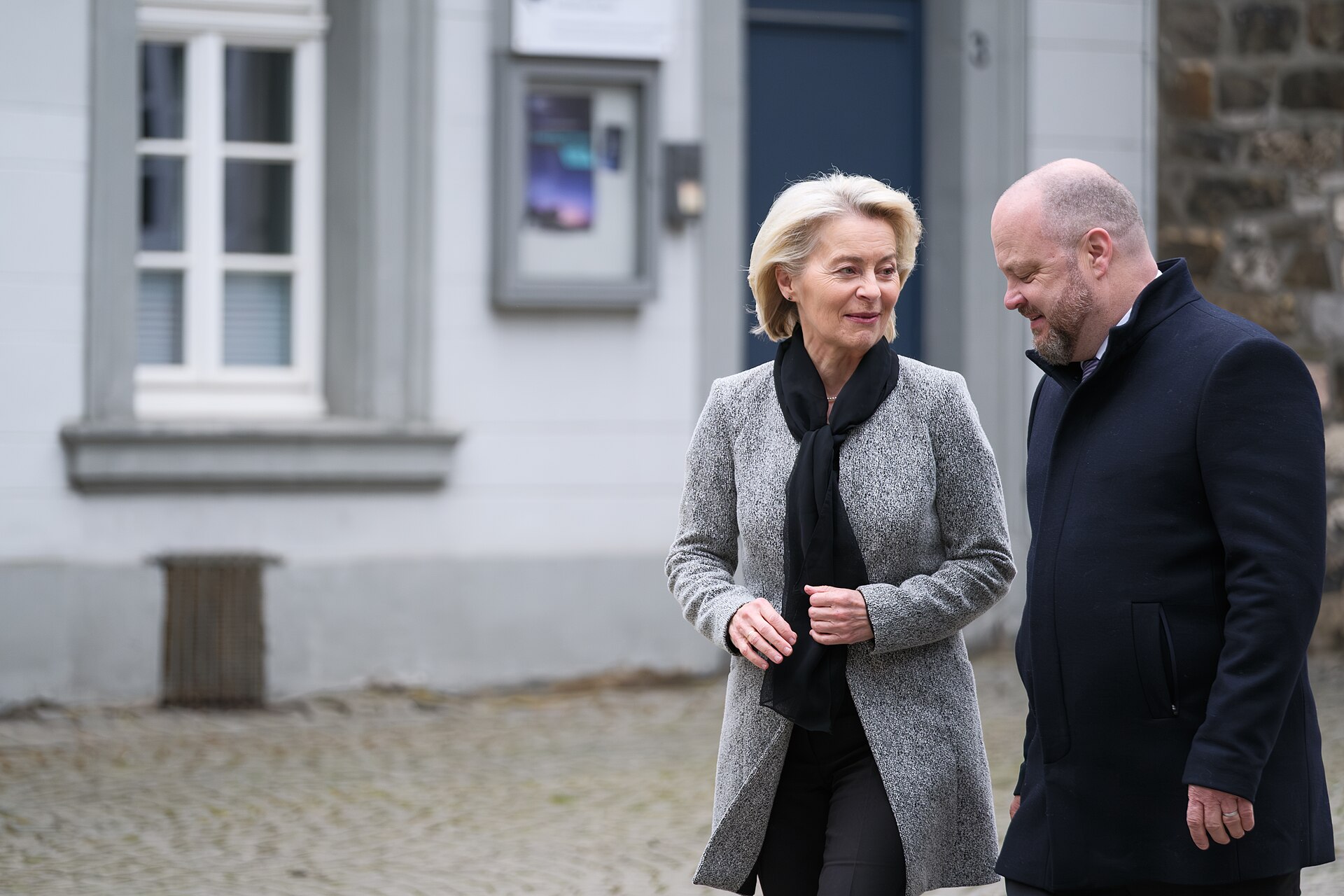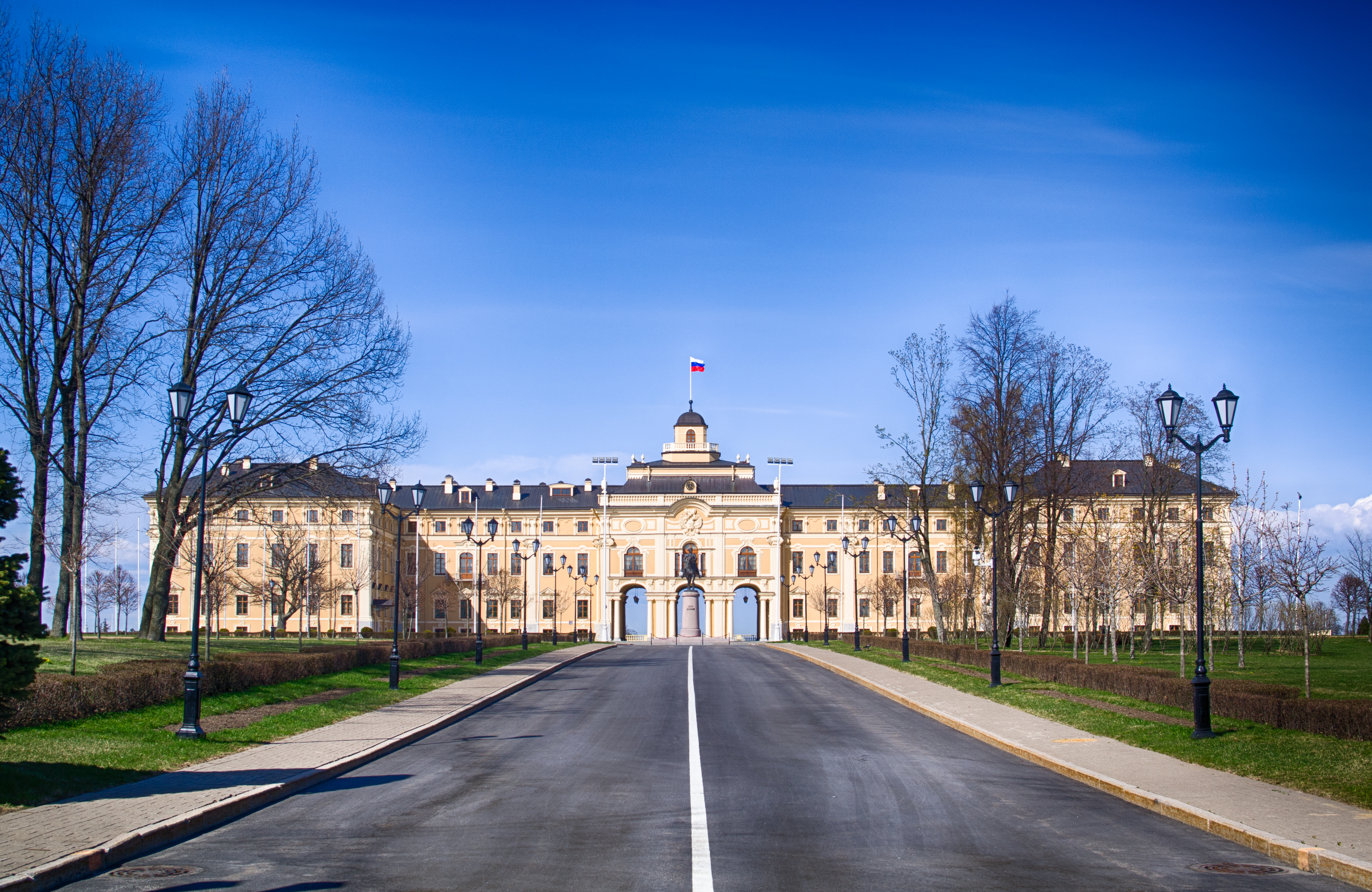

There are diplomatic meetings, and then there are meetings that start with a man walking free. Wednesday’s session between Russian President Vladimir Putin and U.S. Special Envoy Steve Witkoff was the second kind. According to Reuters, Putin hosted Witkoff at Constantine Palace in St. Petersburg to review new ideas on ending the war in Ukraine, in what Reuters reported was their ninth in-person meeting — and the talks began with Russia releasing Stephen Hubbard, a 74-year-old retired American school teacher who had been in Russian custody since April 2022.
Reuters reported that Putin told Witkoff that Hubbard was at the airport, ready to fly back to the United States with the envoy, and that Witkoff thanked Putin for the release. It was a striking opening to a day otherwise devoted to the hardest questions of the war: territory, security guarantees, and whether Ukraine and Russia can ever be brought into the same room to negotiate directly. On those questions, notably, no deal was announced. What Wednesday produced was a freed American, a set of new proposals carried from Oslo to St. Petersburg, and a claim from Washington that the pieces are beginning to align.
A teacher, detained in 2022, comes home
Hubbard’s case has been one of the most painful American detentions of the war. Reuters reported that he was detained in April 2022 and later sentenced to six years and ten months in prison on mercenary charges — charges he denies. Reuters also reported that at the time of his release, Hubbard was the only U.S. prisoner held by Russia whom Washington had designated as wrongfully detained, and that his U.S.-based lawyer, Martin De Luca, had previously told Reuters that Hubbard said the charges against him were false and that he had not served in any combat or military unit.
The release did not come out of nowhere. Reuters reported that President Donald Trump said on Tuesday that he had raised Hubbard’s release with Putin. By Wednesday, according to Reuters, Putin was able to tell Witkoff in person that Hubbard was at St. Petersburg’s Pulkovo airport. For Hubbard’s family, the arithmetic is simple and devastating at the same time: a retired teacher in his seventies, taken in the chaotic opening months of the full-scale war, spent more than four years in custody before a conversation between presidents and an envoy’s visit finally brought him to an airport and a flight home.

From Oslo to St. Petersburg in 24 hours
Witkoff’s St. Petersburg stop was the second half of a two-day shuttle. Reuters reported that Witkoff flew in on Wednesday morning after talks in Oslo on Tuesday with Ukrainian President Volodymyr Zelenskiy, the leaders of Norway and Finland, and European and NATO representatives — talks a U.S. official described as “constructive.” Reuters also reported that Secretary of State Marco Rubio said Witkoff’s meeting with Zelenskiy had been positive and that Witkoff would share the results with Russia, which is, in effect, exactly what Wednesday’s meeting was for.
CNN reported the Oslo outcome in warmer terms still. According to CNN, a U.S. official said Ukraine had brought new ideas and proposals to the table, that the sides had made “meaningful progress,” and that they were in “strong alignment” on next steps. CNN reported that the discussions covered security guarantees for Ukraine, a post-war economic plan, and the broader European security architecture — the scaffolding, in other words, of any settlement that is meant to last longer than a ceasefire headline. CNN also reported that the goal is a pathway toward direct trilateral negotiations, and broader multilateral talks beyond that.
That framing matters, because it describes a process, not an event. Oslo was where Kyiv and its partners aligned on proposals. St. Petersburg was where those proposals were put in front of the one man whose agreement any settlement ultimately requires. Kremlin aide Yuri Ushakov said that Kirill Dmitriev would also attend the St. Petersburg meeting, according to Reuters — a reminder that Moscow, too, treats these sessions as working negotiations rather than photo opportunities.
The gap that remains
None of that closes the distance between the two sides’ stated positions, and both Reuters and CNN carried the familiar outlines of that gap. Russia’s demands, as reported in the background to these talks, include Ukraine giving up the Donbas, reducing its military, and never joining NATO. Kyiv’s red lines run in the opposite direction: real security guarantees, and a rejection of giving up territory. Those two sets of terms do not describe a compromise waiting to be typed up. They describe the reason this war has outlasted round after round of diplomacy, and why a ninth Putin–Witkoff meeting can be genuinely significant and still end without an announced outcome.
Trump added his own pressure from Washington. Reuters reported that Trump said on Tuesday that it was time for Ukraine to end the war, and that Zelenskiy would have to want a deal — or face, in Trump’s paraphrase as reported by Reuters, “a very bad thing.” Read alongside Tuesday’s Oslo alignment and Wednesday’s Hubbard release, the message structure is clear enough: Washington is presenting momentum, offering Moscow a tangible goodwill step it can bank, and reminding Kyiv, publicly, that American patience is part of the negotiation too.

A war that did not pause for diplomacy
While the envoys were flying between capitals, the war itself kept its own schedule. Zelenskiy said Ukraine was again receiving early warnings of Russian missile attacks after a call with Secretary of State Marco Rubio, and that the two discussed Patriot interceptors and Starlink, according to Reuters. And overnight, Russian drones killed two people near Kharkiv and strikes hit Kyiv and Kremenchuk, as Previously reported earlier today in our coverage of the overnight strikes — attacks that landed just hours before Witkoff sat down with Putin.
That contrast is the honest summary of where things stand on Wednesday. A 74-year-old American teacher is going home, and that is not a small thing; for his family it is everything. American, Ukrainian and European officials say they are aligned on new proposals, and those proposals have now been carried into Constantine Palace and placed before Putin. But the missiles have not stopped, the territorial question has not moved in public, and no one leaving St. Petersburg on Wednesday announced a deal, a date, or even a next meeting. The next test is whether the “strong alignment” described in Oslo survives contact with Moscow’s demands — and whether the trilateral table that CNN reported as the goal actually gets built. For more of today’s coverage, see the Previously news front.