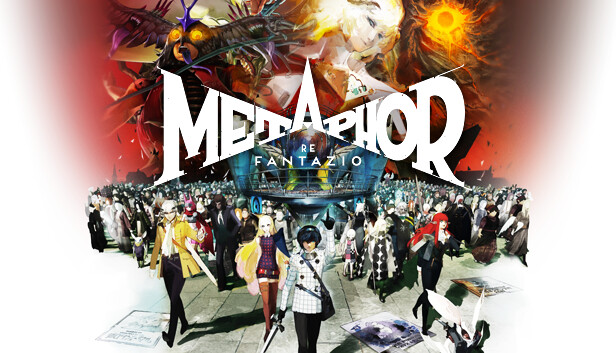

There is brave, and then there is Nintendo brave. According to Nintendo via Zelda Central, The Legend of Zelda: Ocarina of Time remake arrives on November 5, 2026, exclusively for Nintendo Switch 2 — a date that gives one of the most beloved games ever made exactly two weeks of clear air before Grand Theft Auto VI lands on November 19 and, as it tends to do, consumes the entire conversation. Nintendo confirmed the date at the Zelda 40th Anniversary Direct in September, and the remake is the centerpiece of the series' 40th anniversary celebrations, developed by Nintendo EPD with producers Eiji Aonuma and Hidemaro Fujibayashi overseeing the project.
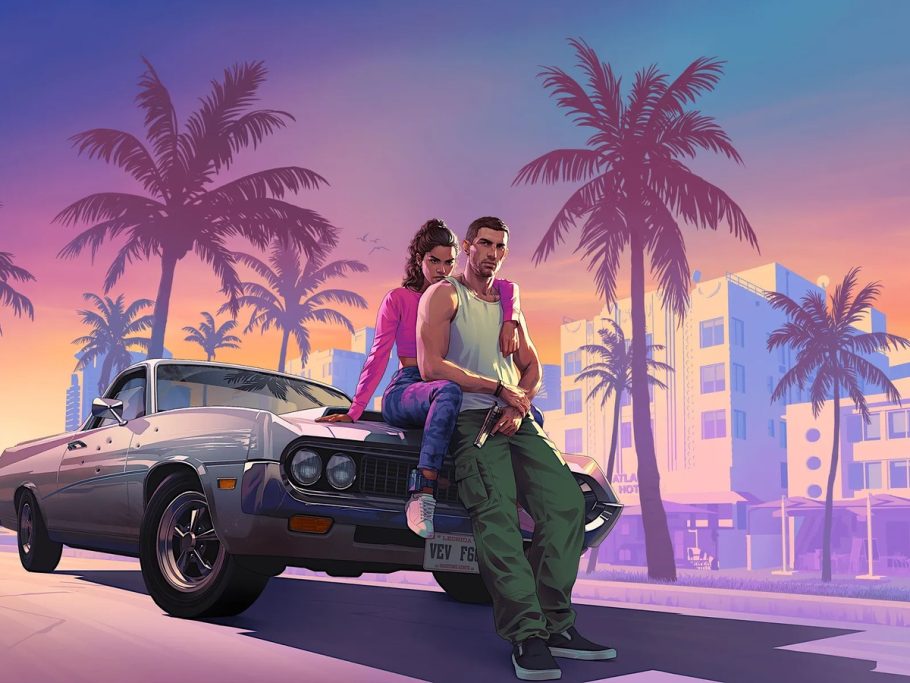
Let us be clear about the shape of this fight, because it is not the fight it first looks like. As Wikipedia's coverage of both releases records, GTA 6 is launching on PlayStation 5 and Xbox Series X|S, and it is not coming to Switch 2. Nobody is choosing between these two games at the register in quite the way the calendar suggests. What they are competing for is oxygen — front pages, stream schedules, video essays, group chats, and the finite number of evenings a person has in November. Nintendo is betting that nostalgia, handled with this much care, can hold two weeks of that oxygen against the biggest entertainment launch on Earth. Honestly? Looking at what the remake actually changes, it is not a crazy bet.
A rebuild, not a reskin
Notebookcheck reported that this is a ground-up rebuild of the 1998 Nintendo 64 original — a game that, charming as it remains, ran at roughly 20 frames per second on its home hardware. Digital Foundry measured preview footage of the remake at 1080p and 60 frames per second, and noted that it does not appear to use DLSS upscaling, according to Notebookcheck's reporting on the analysis. That is a generational leap in feel before you touch a single design change, and the design changes are substantial.
Start with the controls, because this is where remakes usually chicken out. Link now has a dedicated jump button — in the original, he auto-jumped off ledges, a design decision that felt normal in 1998 and faintly haunted ever since. There is a run and sprint button, faster swimming, full right-stick camera control, and motion-control aiming for the slingshot and bow. The inventory is scrollable rather than a patience test. According to Zelda Central's coverage of the October 14 overview trailer and its October 19 preview footage report, the settings menu alone tells the story of a remake built for modern players: three HUD modes — Standard, Pro, and a Master mode that removes the interface entirely — ZL targeting that can be set to Hold or Toggle, a motion-aim toggle, camera inversion and speed options, subtitle and speaker-label switches, and even an Ocarina Mic Input option buried in there like a promise. We will come back to that microphone.
Hyrule, opened up
The world itself breathes differently this time. Hyrule Castle Town is now freely explorable in full 3D with time flowing as you wander — night can actually fall while you are in town, which sounds small until you remember how static the original town felt, a painted backdrop with a schedule. Interestingly, Aonuma kept loading screens between some areas specifically to preserve the original game's feel, a choice that will delight purists and mildly baffle everyone else. That tension — modernize the friction, preserve the rhythm — runs through the whole project.
The performances get the same treatment. Major cutscenes are now fully voiced, with Zelda, Saria, Darunia, Ruto, and Ganondorf all speaking, alongside expanded dialogue throughout. Link, correctly, stays silent. Some lines are simply not meant to be crossed, and a talking Link was always one of them. The score has been rebuilt as a symphonic, orchestral recording, which for a game whose soundtrack lives in the heads of millions of people rent-free is less an upgrade than a homecoming.
The extras are where it gets playful
The October 14 overview trailer, covered by Zelda Central and SFcrowsnest, revealed the remake's more playful layer. There is a Hall of Fallen Foes, a gallery of statues commemorating defeated enemies, with boss rematches and best times tracked for the players who measure a Zelda game in seconds saved. A Threads of Time quest log keeps the sprawling adventure organized. Zelda Notes, inside the Switch app, tracks play data, offers a virtual ocarina, and includes a daily quiz with more than 2,000 questions — which is either a delightful anniversary flourish or a trap for anyone who thought they knew this series.
And then there is the microphone. Players can hum ocarina melodies directly into the Switch 2 microphone, and Nintendo will sell a physical ocarina for the occasion. Read that sentence again. In 2026, Nintendo is asking millions of people to hum into their consoles and is manufacturing a wind instrument tie-in to support the activity. This is either the most confident product decision of the decade or the silliest, and the honest answer is that with Nintendo it is usually both, and it usually works.
The window, the console, and the price question
Nintendo is dressing the launch window properly. A Zelda 40th Anniversary edition Switch 2 console arrives October 29, a week ahead of the game, giving the faithful their hardware moment before the software lands. On pricing, Particle and other outlets tracking regional listings noted that an Australian listing briefly showed AUD $94.95 for the digital edition and $109.95 for the physical edition, suggesting roughly $59.99 in the United States — a listing VG Times also reported. To be precise about what that is: it is a listing report, not confirmed US pricing, and Nintendo has not announced an American price point. Treat it as a strong hint, not a receipt.
So, the two weeks. From November 5 to November 19, Ocarina of Time gets the stage to itself among mega-releases, gets its anniversary moment, and gets its humming-along fan base posting clips at exactly the moment the GTA 6 hype machine reaches full roar. After the 19th, the world's attention belongs to Rockstar, and Nintendo knows it — which is precisely why the date is smart rather than suicidal. The remake does not need to beat GTA 6. It needs two good weeks and a permanent place in the Switch 2 library, and on the evidence of the footage and the feature list, it is going to get both. If you want the other side of this calendar collision, read our coverage of GTA 6's final month before launch, browse the rest of our games coverage, or catch up on the day's other stories in the news section.
Sources · 6 sources
- Notebookcheck — remake announcement, Digital Foundry performance analysis
- Zelda Central — release date confirmation via Nintendo, overview trailer and October 19 preview settings
- Wikipedia — release windows for Ocarina of Time remake and Grand Theft Auto VI
- SFcrowsnest — overview trailer coverage
- Particle — anniversary coverage and regional pricing listings
- VG Times — Australian pricing listing report
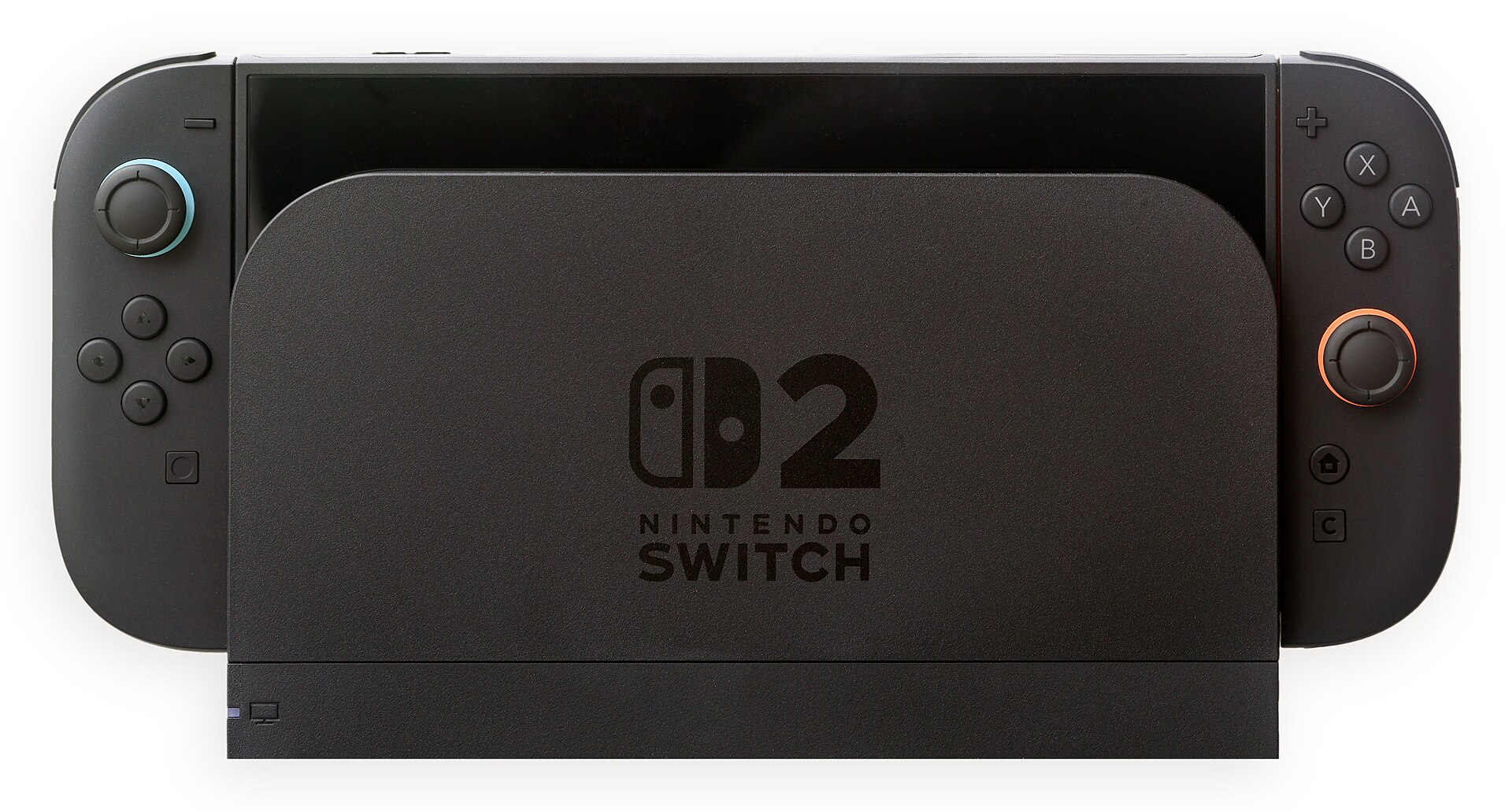
Photo: Nintendo Switch 2 hardware, via Wikimedia Commons.