
LAS VEGAS
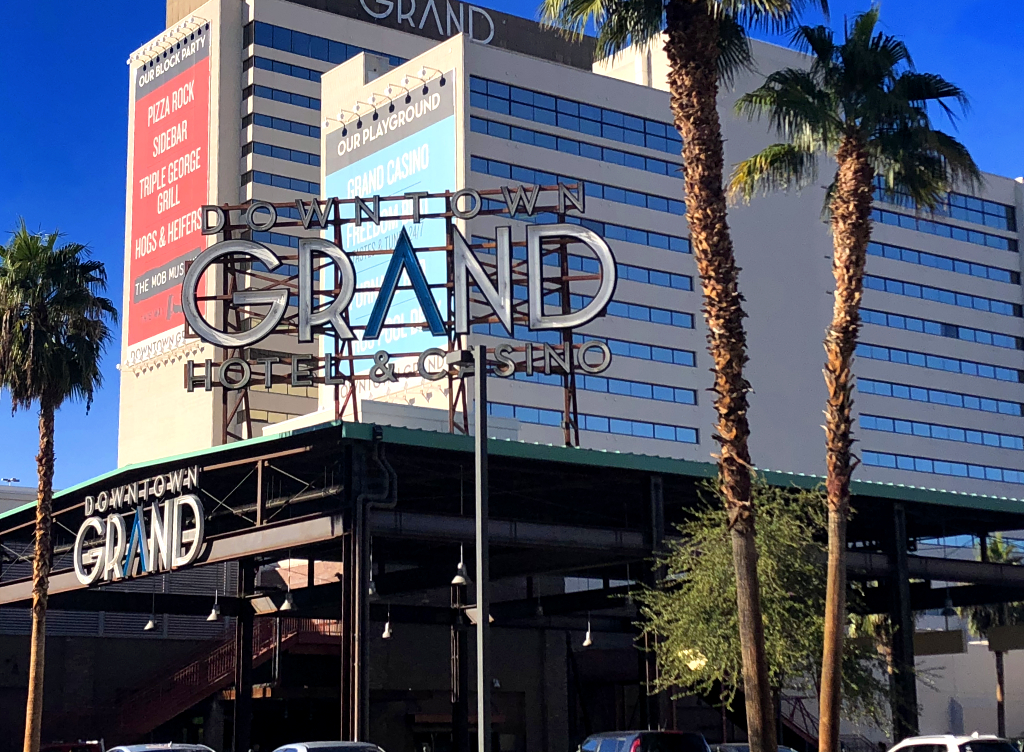
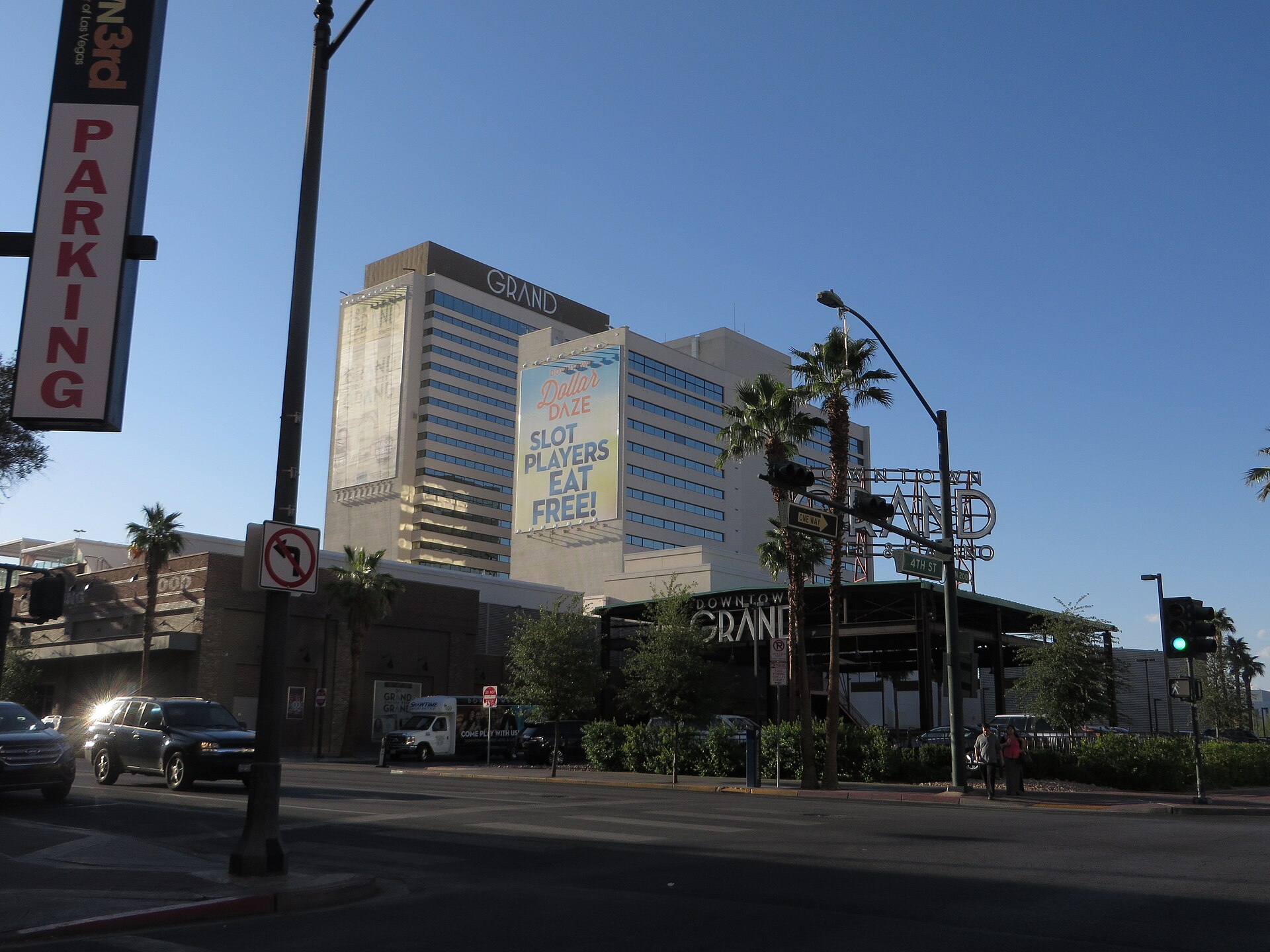
The Downtown Grand has a buyer, a court order and, for the first time since it slid into receivership at the start of the year, a clear legal path to new ownership. A Clark County District Court judge has approved the sale of the downtown Las Vegas hotel-casino to Vegas Ventures LLC, rejecting objections raised by investors tied to the property's development, CDC Gaming reported on October 14. The ruling removes the biggest remaining obstacle between the receivership estate and a closing, and it settles — at least for now — who gets to decide what happens next at North 3rd Street and Ogden Avenue.
According to public records, the court entered its findings and order on October 7. The order authorizes the court-appointed receiver, Paul Huygens of Province LLC, to sell substantially all of the assets of the receivership estate to Vegas Ventures. Critically for the buyer, the sale is to be free of liens and claims, and it remains subject to the terms of the purchase agreement the parties negotiated. In plain terms, Vegas Ventures is not simply buying a troubled casino and inheriting its legal tangle; the court's approval is designed to hand over the property with that tangle resolved by the order itself.
A Receivership Born of a Defaulted Loan
The property has been in court-ordered receivership since January, after its ownership entities defaulted on a construction loan. Court records put the outstanding balance at more than $105 million, a figure that explains much of what followed. When a casino property carries a loan balance of that size and the ownership cannot service it, the question stops being whether the property changes hands and becomes how — through a negotiated sale, a foreclosure, or a court-supervised process designed to get the best available price for everyone with a claim.
Receivership was the route chosen here. A receiver steps into the middle, operates or oversees the asset for the court, and runs a sale process whose results a judge can later test for fairness. That structure matters for employees, vendors and guests as well as lenders: the doors stay open, the casino keeps operating under its existing arrangements, and the ownership question is fought out in filings and hearings rather than at the front desk. For a downtown property that sits a short walk from the Fremont Street Experience, keeping the business running while the lawyers worked was no small thing.
A Sale Process the Court Tested — and Blessed
Investors tied to the property's development objected to the sale, and the judge heard and rejected those objections. In doing so, the court made a series of findings that read like a checklist for how a receivership sale is supposed to work. The court found that the receiver ran an appropriate sale process, that the Vegas Ventures offer was the best available, and that the negotiations were conducted at arm's length, in good faith and without collusion. The court also noted that the senior lien holder — Banc of California, formerly Pacific Western Bank — consented to the sale, and that no qualified bid exceeded the bank's estimated secured claim.
The marketing effort behind those findings was extensive, according to figures in court filings reported by Yogonet and Focus Gaming News. Sale materials went to 167 prospective buyers. Seventy-nine responded, 45 signed confidentiality agreements and 43 accessed a data room. The process produced roughly 23 tours involving 13 parties, and ultimately nine letters of intent. That funnel — from 167 names down to nine written expressions of interest — is the factual record the court relied on in concluding that the market had been given a genuine chance to beat the Vegas Ventures offer, and did not.
The buyer itself is a Massachusetts limited liability company managed by Boston developer William "Bill" Keravuori, according to the Las Vegas Review-Journal, which first reported the deal in August. Vegas Ventures deposited $2.7 million into escrow on August 13 toward the purchase. The total purchase price has not been disclosed, and nothing in the approval changes that; what the order does is confirm that the process, the consent of the senior lender and the terms in the purchase agreement are sufficient for the sale to proceed.
What the Buyer Plans to Do With It
For guests and employees, the most important part of the plan may be how much of the current operation it keeps. Vegas Ventures intends to take over the existing lease with Fifth Street Gaming LLC, which operates the casino. Gaming, in other words, continues under the operator that runs it today. For the nongaming side of the house — the hotel, the restaurants and the other operations — the buyer plans to choose a qualified third-party operator rather than run those businesses itself.
That split is a familiar Las Vegas arrangement, and it tells you something about how the buyer sees the asset. The casino floor has specialist operators for a reason: gaming is licensed, regulated and operationally distinct from filling hotel rooms and running kitchens. A buyer whose background is development, stepping into a downtown property with a complicated recent history, has good reason to keep the gaming operation stable while it selects experienced hands for everything else. Whether that stability holds through the closing and the operator selection is the next story to watch.
A Downtown Landmark With a Long Past
The property's present name is not its first. The site at North 3rd Street and Ogden Avenue was formerly the Lady Luck, a name the property carried from 1968 and one that still resonates with longtime downtown visitors. Few corners of downtown Las Vegas have cycled through as many eras: the old downtown of the Lady Luck years, the long decline and reinvention that followed, and the modern downtown revival that has filled the surrounding blocks with new restaurants, bars and visitors who split their trips between the Strip and Fremont Street.
That history is part of the asset's value and part of its challenge. Downtown properties trade on character the Strip cannot manufacture, but they also carry older buildings, layered ownership and, in this case, a construction loan whose balance grew past $105 million. The receivership and sale are, in one sense, the financial system doing its slow work on a single address: a loan made for development, a default, a court stepping in, a market test, and finally a buyer willing to put $2.7 million into escrow and take the property as the court delivers it.
What Happens Next
Approval is not closing, and the remaining steps still matter. The sale must close under the purchase agreement, the receivership estate's assets must transfer as the order directs, the lease with Fifth Street Gaming must be taken over as planned, and a third-party operator for the hotel and restaurants must be selected. Any of those steps can generate its own filings and its own headlines, particularly if objecting investors pursue further remedies. But the central legal question — may the receiver sell this property to this buyer on these terms — has now been answered by the court, over objection, with findings that the process was fair and the offer was the best available.
For downtown Las Vegas, the stakes are simpler than the filings suggest. A major hotel-casino on 3rd Street moving out of receivership and into the hands of an owner who chose it — after a process that contacted 167 possible buyers — is better news than the alternative of a property drifting while its loan balance grows. The Downtown Grand's next chapter now depends less on judges and more on operators: on the casino floor staying busy, the hotel finding the right management, and a Boston developer learning, as so many owners before him have, exactly what a downtown Las Vegas landmark demands. More from the newsroom: the SAHARA crypto cage launch, our Las Vegas weekend guide for October 16–18, the full news index and sports coverage.