
SUNDAY, OCTOBER 11, 2026
Brussels has declared war on one of gaming’s oldest and most lucrative tricks: selling players premium in-game currency in bundles that almost never match the price of anything in the store, so you’re always left holding coins you can’t spend — and always forced to buy more than you need. European consumer protection authorities have opened coordinated actions against ten video game companies, including Activision Blizzard and Ubisoft, accusing them of “dark patterns” that keep players — especially minors — from understanding what they’re actually spending. And at least one company is already moving: starting October 14, Fortnite will let players buy exactly the number of V-Bucks they need for an item, a change that rolls out to Rocket League and Fall Guys too.
02 What Brussels is actually doing
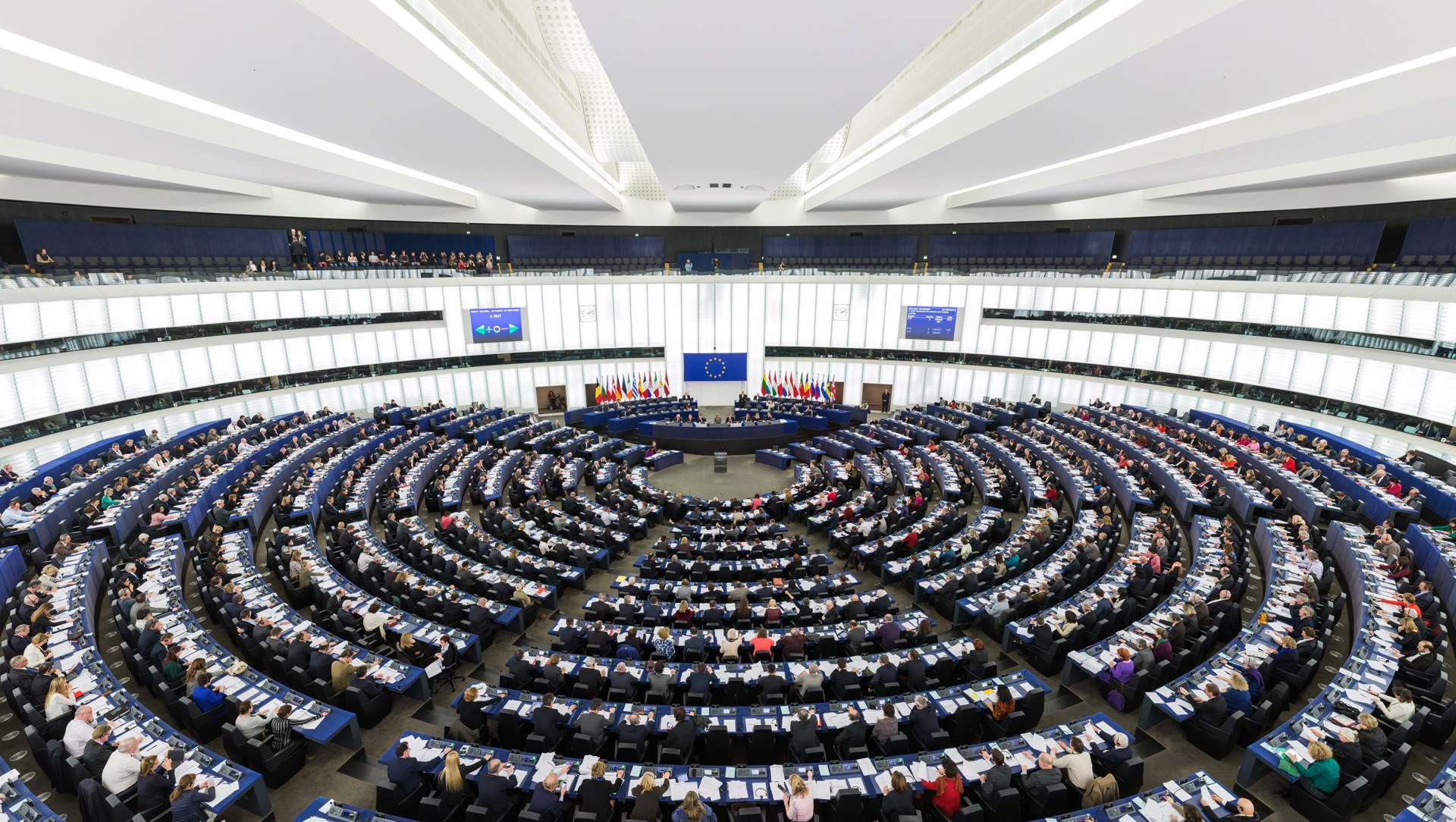
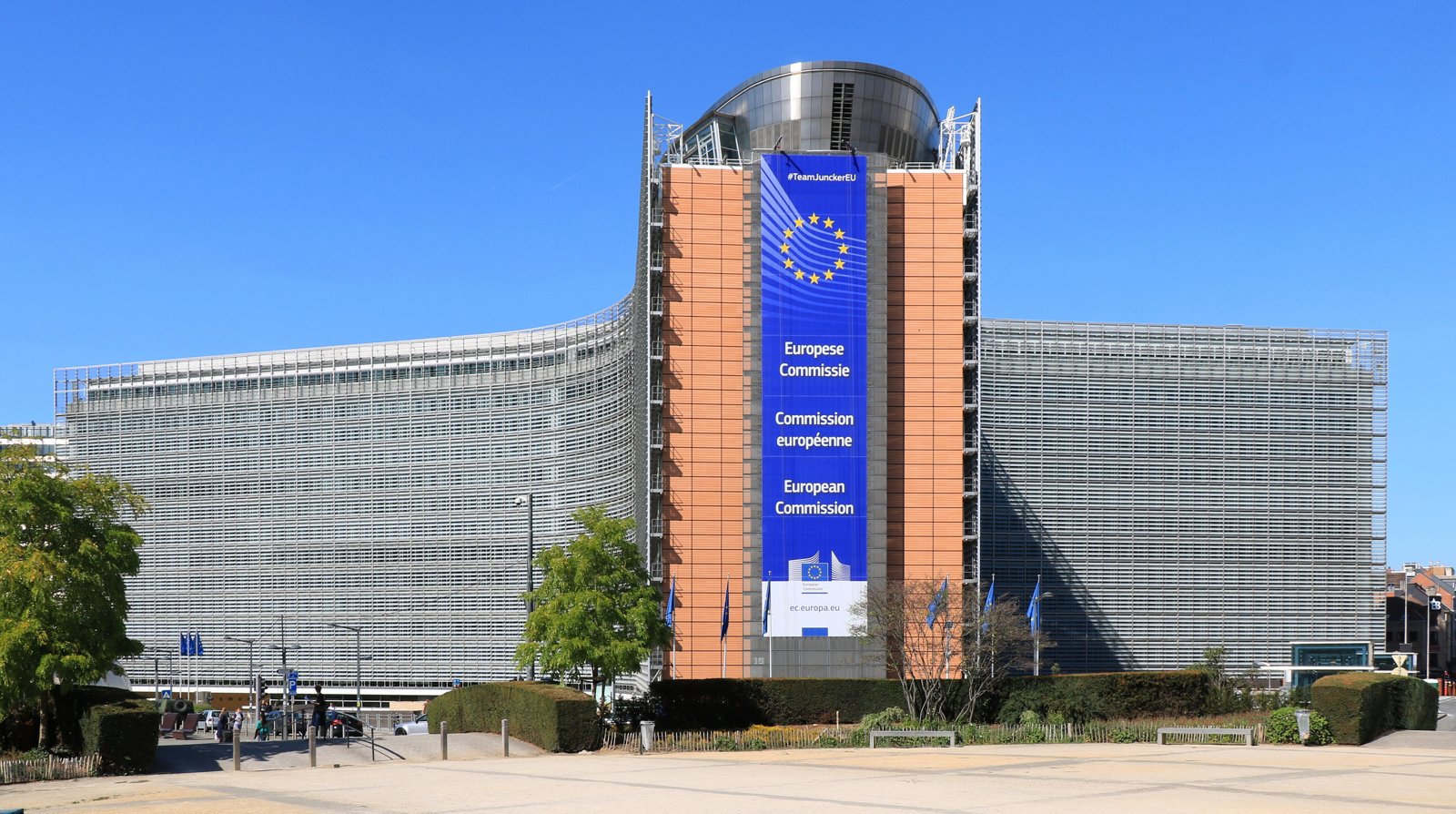
The announcement came from the Consumer Protection Cooperation Network — the CPC Network — the EU-wide body that coordinates consumer enforcement across member states, with the European Commission organizing the push. The charge, as GameSpot’s reporting on the announcement puts it: several of the industry’s biggest names are deploying “dark patterns” that are designed to put minors and individuals at risk of gaming addiction.
This isn’t about loot boxes or gambling mechanics — this is about the storefront itself. The regulators’ focus is on practices that obscure real-world spending: premium in-game currencies, currency sold in set quantities that rarely align with item prices, and insufficient parental control mechanisms. The stated goal is transparency and fairness, and protecting the rights of consumers and minors. The companies now in the crosshairs: Activision Blizzard, Crytek, InnoGames, King, Mojang, Plarium Europe, PLR Worldwide Sales, Riot Games, Supercell, and Ubisoft — tied respectively to games including Destiny 2 and Call of Duty, Hunt: Showdown 1896, Forge of Empires, Candy Crush Saga, Minecraft, Gardenscapes, Valorant, Clash of Clans, and For Honor.
And this is a coordinated action, not a single lawsuit. National authorities — including Ireland’s CCPC — enforce in their own jurisdictions, and on October 8 Italy’s antitrust authority opened its own probe into Microsoft-owned game makers over virtual currencies, with Reuters reporting Italy will act as lead authority alongside peers in Norway and Denmark, examining whether the companies committed a “widespread infringement” of EU consumer protection rules affecting consumers in at least three EU member states.
03 The trick being targeted: the math that never works out
You’ve felt this trick even if you’ve never named it. You want one skin. The skin costs 1,200 of the game’s premium currency. The store sells that currency in bundles of 500, 1,000, and 1,500. So you buy 1,500, burn 1,200 on the skin, and you’re left with 300 units you can’t turn back into money — and that can’t buy anything. As GameSpot explains the Destiny 2 example that regulators keep pointing to: Silver comes in bundles of 500, 1,000, and 1,500, but armor ornament skins cost between 600 and 1,500. The math is never allowed to work out cleanly, and the leftover is a one-way exchange — you can’t convert remaining Silver back into cash.
Destiny 2 isn’t the outlier; it’s the archetype. Fortnite, Call of Duty, and many of the biggest live-service games sell their own currencies through the same bundle structures — we’ve done the math on Fortnite’s pricing before, and it wasn’t flattering. The setup, as the reporting puts it, ensures you’ll always be short a few digital bucks on the one item you really want — and spending transparency gets lost behind the conversion. Purchases are often priced in virtual currency rather than euros and can involve multiple layers of conversion, Italy’s regulator noted, making it harder for consumers to understand how much they’re spending.
The European Commission’s press statement, as GameSpot reported it, said: “These practices make it difficult for gamers, particularly vulnerable consumers, such as minors and individuals at risk of gaming addiction, to understand and keep track of how much money they are spending.” Activision Blizzard is the primary point of focus, GameSpot reports, with Diablo Immortal and Call of Duty singled out — expanding on previous investigations into those titles. Manipulative user-interface design and poor customer support are also cited as areas of concern.
04 Italy takes the lead on Microsoft’s companies
Separate from the ten-company coordinated action, As we reported when it opened, Italy’s competition authority announced on Thursday, October 8, that it has launched its own probe into several Microsoft-owned video game makers over their use of virtual currencies, Reuters reported. The statement named Activision Blizzard among others, without naming the rest, and said the probe focuses on the transparency and fairness of in-game virtual currencies used to buy cosmetic upgrades, weapon enhancements, and other digital items.
This one is the big-game hunt. Italy will act as lead authority, working with peers in Norway and Denmark, and the watchdogs will determine whether the companies committed a “widespread infringement” of EU consumer protection rules affecting consumers in at least three EU member states — the legal threshold that turns a national complaint into a European case. Microsoft was not immediately available for comment, Reuters reported.
The timing matters. The CPC Network first published recommendations for honest, transparent use of microtransactions back in March 2025 — price items in real money alongside in-game currency, don’t obscure costs, keep purchasing conditions fair and understandable, don’t force purchases. European gaming associations, including Video Games Europe, pushed back that the recommendations aren’t legally binding. The coordinated actions are Brussels’s answer: the recommendations didn’t move the industry, so enforcement will.
05 Fortnite blinks first — and what comes next
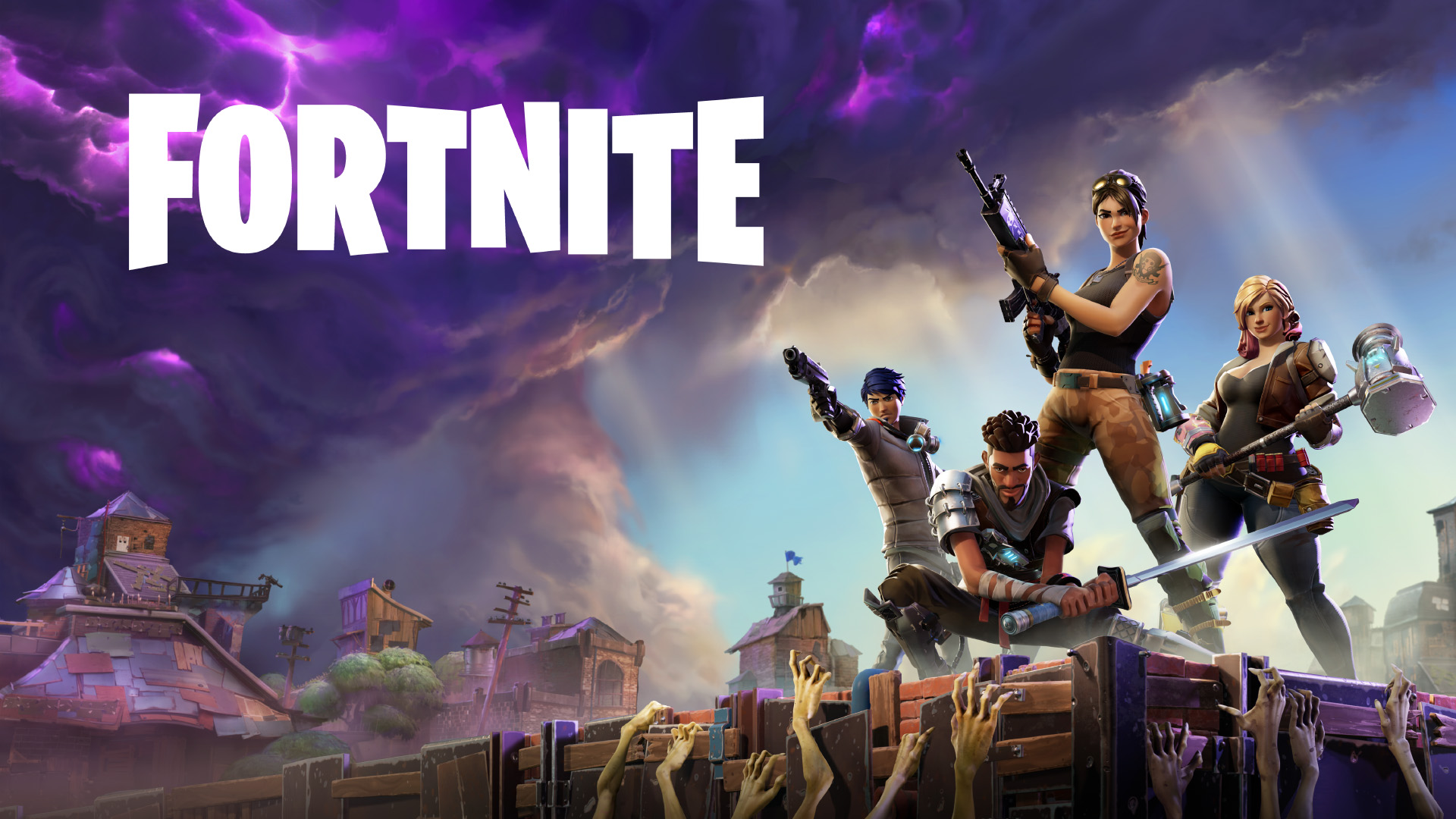
Here’s the part that hits your wallet first: Fortnite is changing before the regulators force it. Starting October 14, players can purchase exactly the amount of V-Bucks they need for a specific item — no more rounding up to the next bundle and holding the change. GameSpot reports the change also rolls out to Rocket League and Fall Guys across Xbox, Nintendo, PC, Android, iPhone, and the Fortnite web Item Shop. One notable holdout at launch: PlayStation, where the exact-amount purchase won’t be supported in the initial stage.
Epic is reading the room. The October 14 date is conspicuous — it lands right as the coordinated actions are being announced — and it suggests the company would rather be the example of compliance than the target of enforcement. Whether other publishers follow Epic’s lead or wait for regulators to come knocking is the industry’s next move.
It’s worth being clear about where this stands: this is investigative, not punitive. No fines have been issued, and the action is in an information-gathering stage. But the ceiling is serious — under the EU’s Omnibus Directive, member states must provide for fines of at least 4% of a company’s relevant annual turnover for serious, widespread, cross-border infringements. If this action succeeds, GameSpot notes, it could set a regulatory precedent with stricter oversight of monetization across free-to-play and live-service games in all European markets — and the rest of the world usually follows Europe’s lead on consumer rules. Your V-Bucks math might finally start making sense.
“Dark patterns” in premium in-game currencies: fixed bundles that don’t match item prices, obscured real-money costs, weak parental controls.
Sources · 8 sources
- GameSpot — The EU is coming for gaming’s most manipulative monetization tactics: the ten companies, the Destiny 2 Silver example, the Fortnite change, and the EC press statement quote. GameSpot · Oct 11, 2026 — https://www.gamespot.com/articles/the-eu-is-coming-for-gamings-most-manipulative-monetization-tactics/
- Reuters — Italy launches EU-backed probe into Microsoft-owned gaming companies over virtual currencies; Italy as lead authority with Norway and Denmark. Reuters · Oct 8, 2026 — https://www.reuters.com/legal/litigation/italy-launches-eu-backed-probe-into-microsoft-owned-gaming-companies-2026-10-08/
- WN Hub — The EC and CPC Network’s coordinated actions against Supercell, Activision Blizzard, Ubisoft and seven others; the March 2025 recommendations and industry response. WN Hub · Oct 1, 2026 — https://wnhub.io/news/other/item-52246
- ixbt.games — EU declares war on tricky microtransactions: the ten companies, bundle mechanics, Fortnite’s October 14 exact-amount change. ixbt.games · Oct 11, 2026 — https://ixbt.games/en/news/2026/10/11/es-obieiavil-voinu-xitrym-mikrotranzakciiam-v-videoigrax-pod-proverku-popali-ubisoft-i-activision.html





