
NEW BRUNSWICK, N.J.
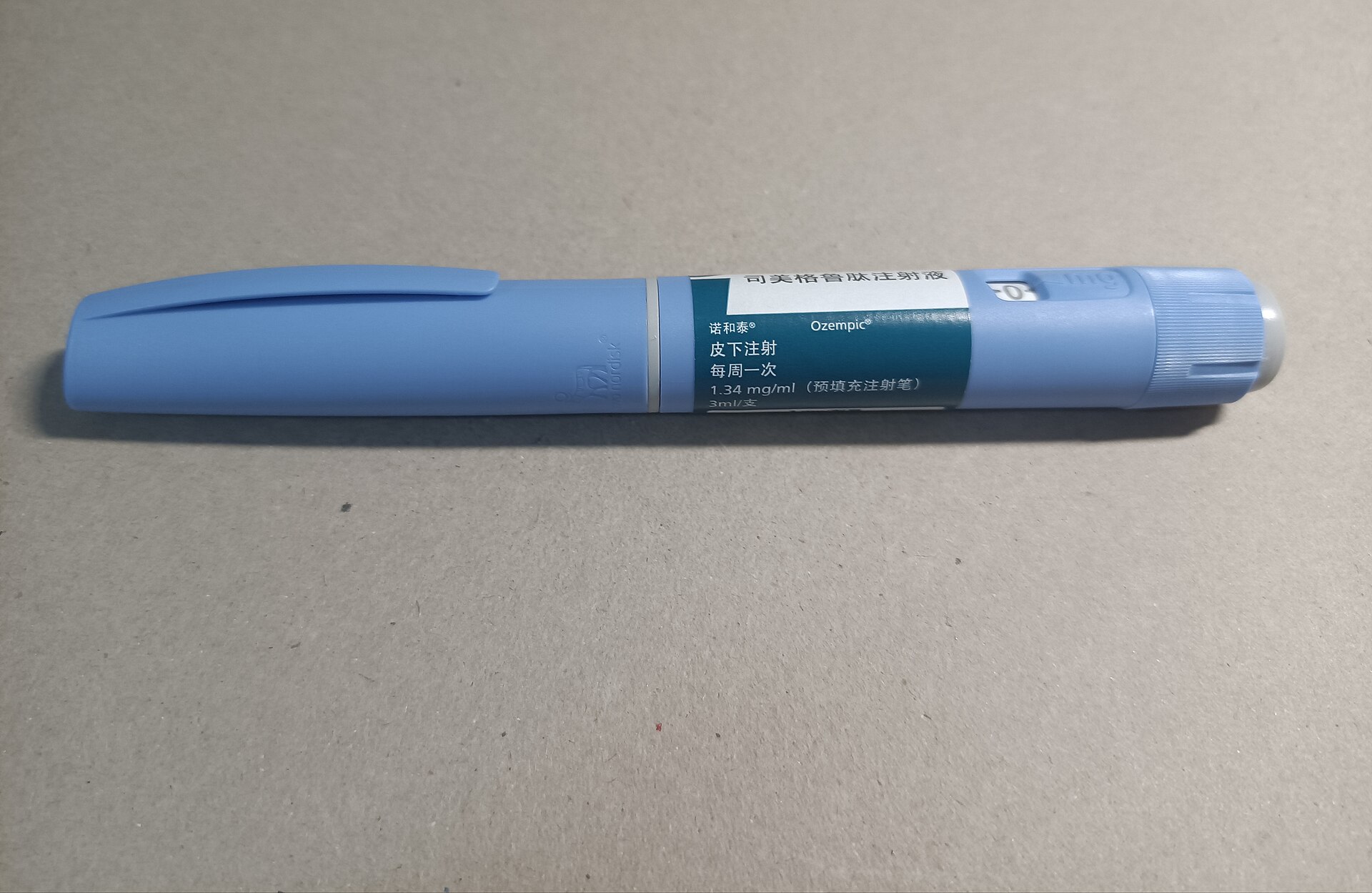
The most talked-about medicines in America just picked up a footnote, and it is an ironic one: a study about eyesight, attached to drugs millions of people read about every single day. Researchers led by Rutgers University have found that GLP-1 medications — the class that includes semaglutide, sold as Ozempic and Wegovy, and tirzepatide, sold as Mounjaro and Zepbound — are associated with a small increase in the risk of a rare optic-nerve condition that can cause sudden vision loss. Small is the operative word. So is sudden. Holding both of those ideas at once is the whole story here.
The study, published in Annals of Internal Medicine and reported by Rutgers University, examined data from a large database of United States adults ages 18 to 65 with Type 2 diabetes who had started taking medication to treat the condition. The researchers compared patients using GLP-1 receptor agonists with patients on other treatments, and found a higher rate of ischemic optic neuropathy among the GLP-1 group — a condition in which reduced blood flow to the optic nerve can abruptly damage vision.
Three or Four Cases per 10,000 — and Why That Still Matters
“Although ischemic optic neuropathy was rare, it is clinically important because it can involve sudden vision loss,” said Chintan Dave, a core faculty member of the Center for Pharmacoepidemiology and Treatment Science at the Rutgers Institute for Health, Health Care Policy and Aging Research. “The increase in risk was small – approximately three to four additional cases per 10,000 patients treated with GLP-1s over 18 months, but clinicians and patients should be aware of this potential association.”
Read that number slowly, because it cuts in two directions at once. For any individual patient, three or four extra cases in ten thousand is a genuinely low risk — the kind of number that should inform a conversation, not end one. But GLP-1s are not niche medicines anymore. When a drug class is taken by millions, even a very small per-person risk becomes a real number of real people, which is exactly why the Rutgers team says the finding warrants attention rather than dismissal.
What Ischemic Optic Nerve Damage Actually Looks Like
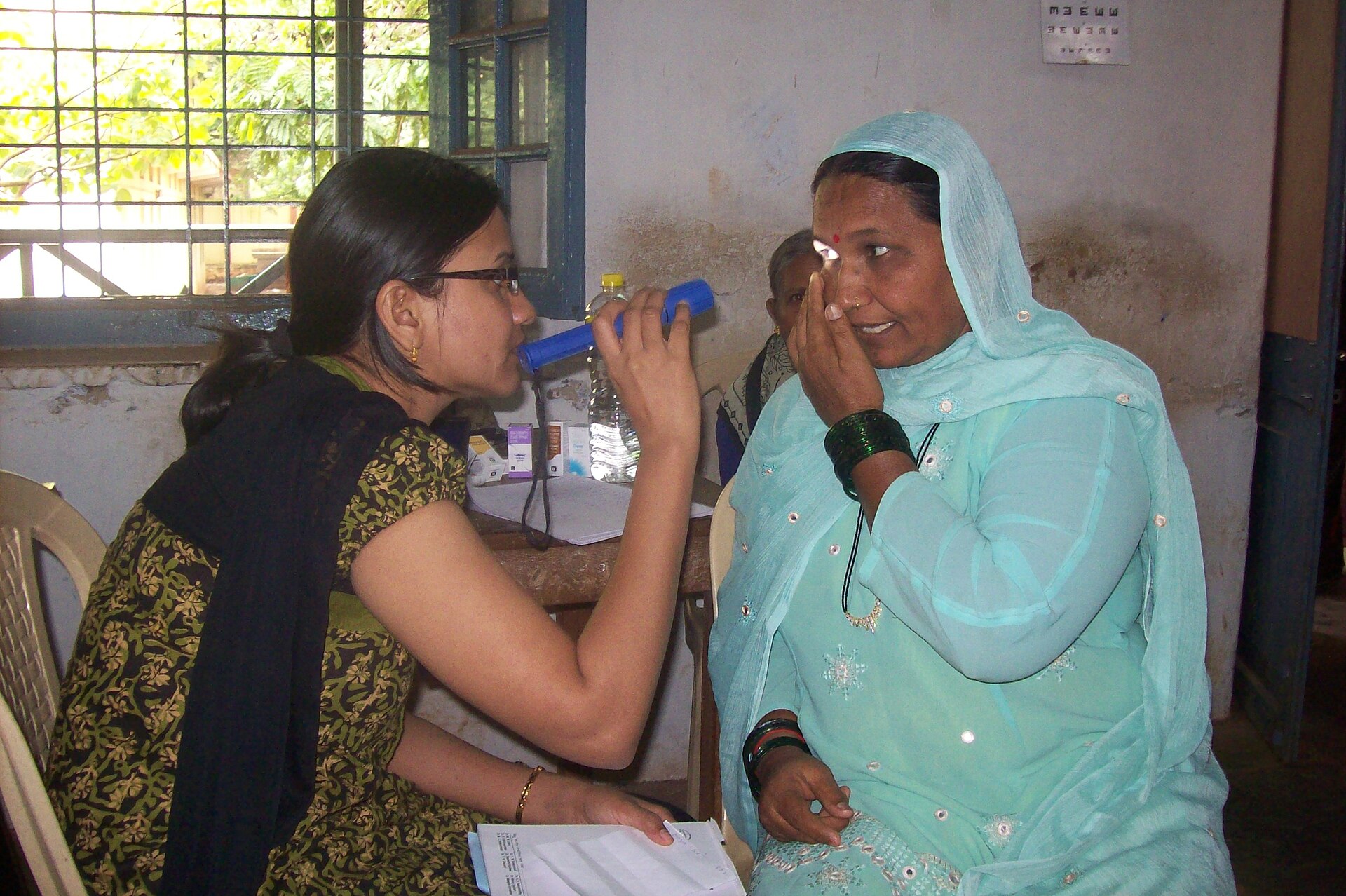
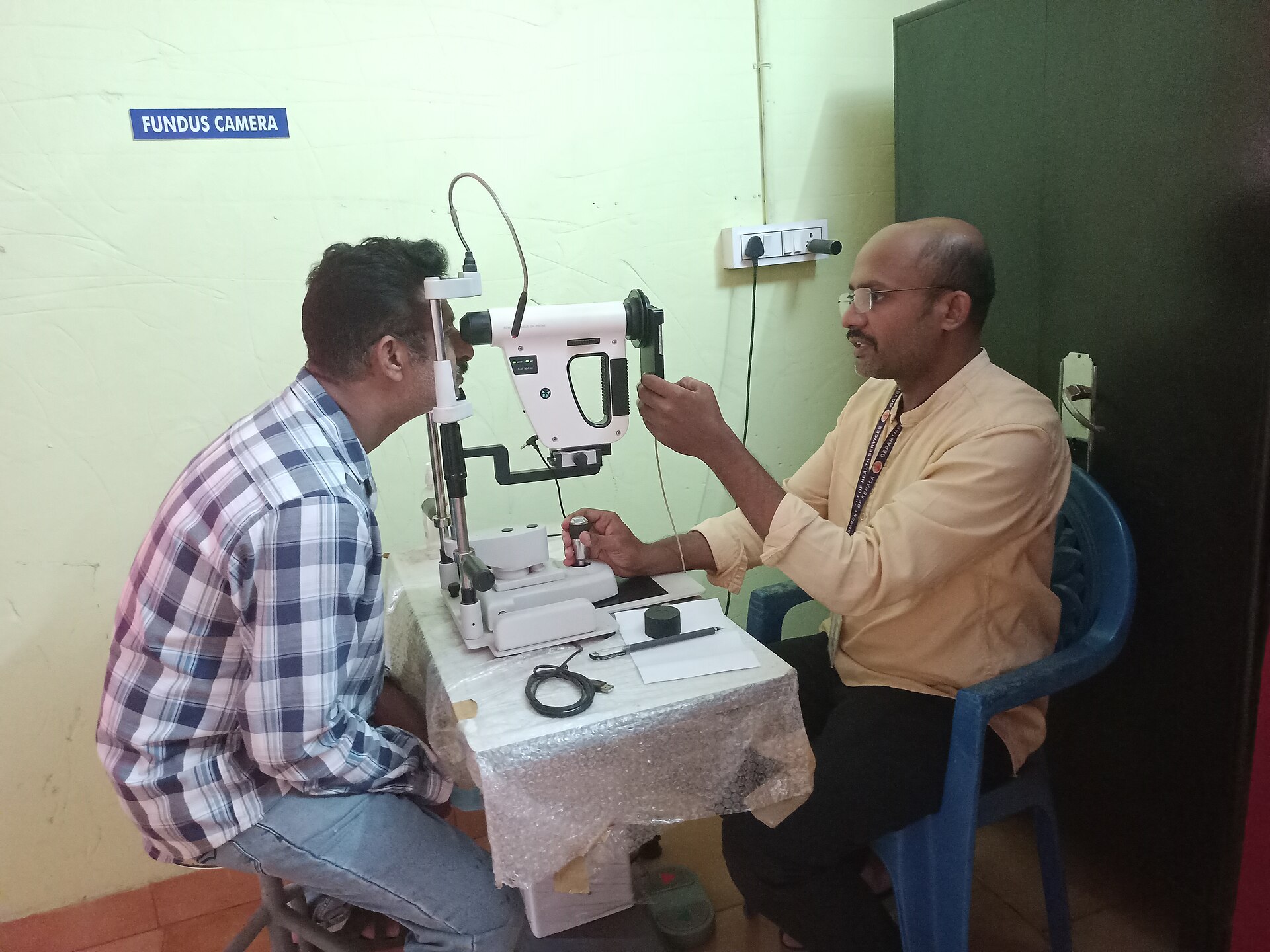
Ischemic optic neuropathy is not gradual blurriness. As described in reporting on the study by ScienceDaily and Technology Networks, the condition occurs when the optic nerve — the cable that carries visual information from the eye to the brain — receives too little blood. Its most common form, known as NAION, can arrive without warning: blurring, dimming, or a missing area in the field of vision, usually in one eye. The damage is often permanent. Reporting on the study notes that roughly one-third of affected patients experience some recovery, generally within the first six months, while residual vision problems frequently remain.
That permanence is the reason a rare event earns a headline. A side effect you can stop is one thing; a sudden change in your sight that may not reverse is another, even at three or four cases per ten thousand. According to the study reporting, cases were more common among men and among people in the older portion of the study population, particularly those ages 50 to 65.
Association Is Not a Verdict
Here is the part that should travel with the headline wherever it goes: the researchers found an association, not proof of causation. The study is observational, built from health records, and people who start GLP-1 therapy differ from people who do not in ways — weight, blood sugar control, blood pressure, sleep apnea, diabetes severity — that themselves affect the optic nerve’s blood supply. Type 2 diabetes on its own raises the risk of eye complications. Untangling how much of this signal belongs to the medicines, and how much belongs to the conditions they treat, is work a database study can start but not finish.
That caution is not a technicality; it is the difference between a safety signal and a scare. The Rutgers researchers themselves frame their work the first way. Their stated concern is awareness: as GLP-1 use expands beyond diabetes into weight management, the population taking these drugs is getting larger and more varied, and medication-safety monitoring has to keep pace with that growth.
The Scale of the GLP-1 Era
The context that makes this study land is the sheer reach of these medicines. GLP-1s can reduce cardiovascular and kidney disease risks alongside their effects on blood sugar and weight — benefits established well enough that the drugs have reshaped diabetes and obesity care in less than a decade. KFF data cited in coverage of the study found that two million people enrolled in Medicare Part D alone took Ozempic in 2024, compared with fewer than 150,000 in 2019. One programme, one drug, five years: that is the growth curve researchers are now trying to safety-check in real time.
None of that makes the Rutgers finding a reason to stop a medication on your own — a point worth stating plainly, because the most dangerous response to a rare-risk headline is a common one: quietly quitting a treatment that is protecting your heart and kidneys. The researchers’ advice runs the other way. Know the symptom. Sudden vision loss, dimming or a new blind area in one eye is an emergency worth urgent, same-day medical attention, whatever medication list you are on. And if you are starting a GLP-1, or already take one, a two-minute conversation with your prescriber about eye history and warning signs is now a well-supported thing to ask for.
The Bottom Line
The honest summary is unglamorous, which is usually a good sign in health news. A large, careful study has found a small increase in a rare, serious eye condition among people taking the defining drugs of the decade. The risk to any one patient remains low. The case for awareness — among prescribers writing millions of new prescriptions, and among patients who should know which symptom means “call today, not next month” — is strong. Rare does not mean irrelevant when the medicine cabinet is this big. It means proportionate: eyes open, in every sense, and no panic required.