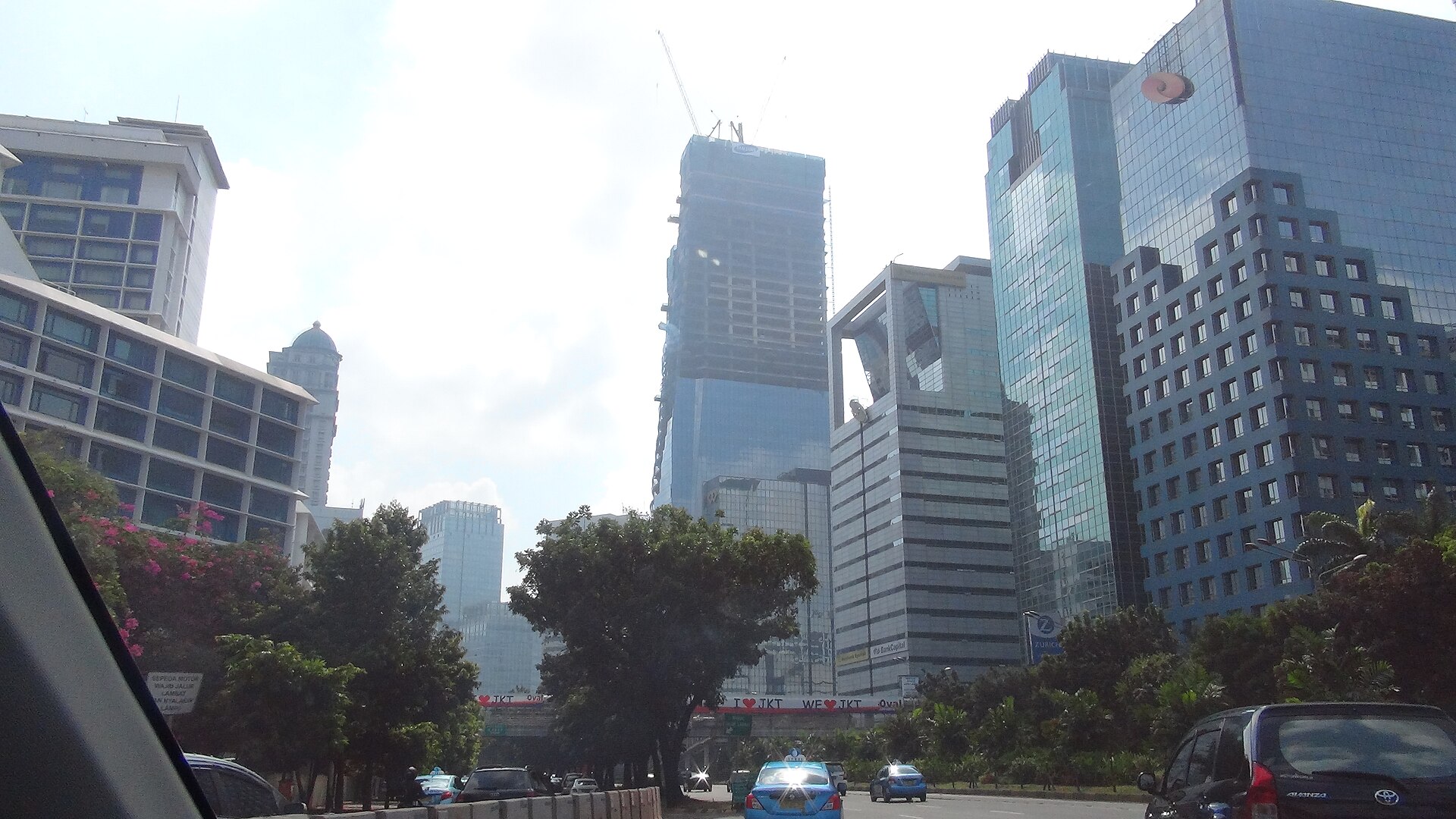

JAKARTA
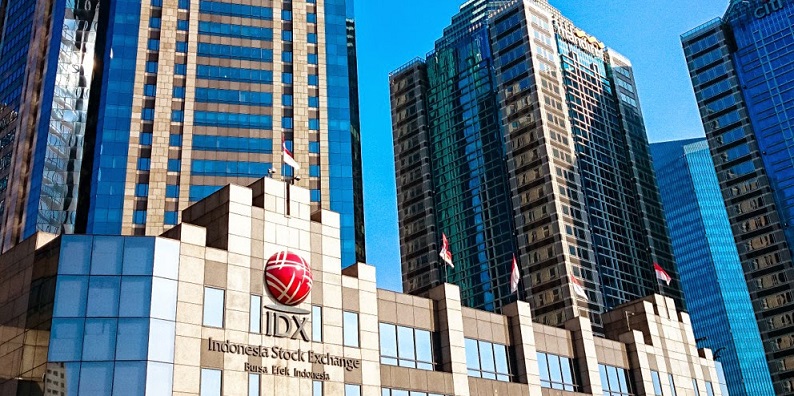
Some days a stock market falls. On Friday in Jakarta, Indonesia’s stocks fell out of the category the rest of the world had filed them under for 37 years. Reuters reported that the Jakarta Composite Index closed down 11.6 percent at 5,185.10, its biggest one-day fall since January 1998, in the depths of the Asian financial crisis, and a six-year low for the benchmark. The selloff wiped about $65 billion off the value of Indonesian shares in a single session, Reuters reported, and it was set off not by an earnings miss or a political crisis but by an index provider: MSCI, whose indexes steer trillions of dollars of global fund money, threatened on Thursday to throw Indonesia out of its emerging-market indexes altogether.
The traders who lived it will not forget their Friday soon. The index opened down about 8 percent, Reuters reported, a drop steep enough to trigger a 30-minute trading halt almost immediately. When trading resumed, the selling did not slow; it deepened. By the close, the benchmark had lost roughly 14 percent for the week and about 40 percent for the year, leaving Indonesian stocks among the worst performers in the world in 2026. This was not a bad day inside a good year. It was the worst day of a bad year, by a distance that reached back almost three decades.
Nothing Was Spared
The losses ran through the bluest chips in the market. The country’s four largest banks fell between 8.5 percent and 14 percent, Reuters reported. Telkom Indonesia, the state-linked telecom giant, dropped 11.7 percent. Astra International, the sprawling conglomerate that is often the first Indonesian stock a foreign fund buys, fell 9.6 percent. Toll-road operator Jasa Marga lost 14.8 percent. The heaviest damage sat in basic materials, energy, financials and infrastructure — which is to say, in the sectors that together are most of what the Jakarta market is. When the selling is that broad, it is not a verdict on individual companies. It is a verdict on the market itself, and on Friday the market understood that perfectly well.
Worse Than Frontier
To understand why an announcement from an index company could do this, you have to understand the ladder MSCI maintains. At the top sit developed markets. Below them, emerging markets — the home since 1989 of Indonesia, whose stocks sit in funds held by pension savers on every continent. Below emerging sits frontier, the smaller, riskier tier. And off the ladder almost entirely is standalone: a category for markets MSCI tracks on their own, inside no major index family at all. The Wall Street Journal reported that a standalone Indonesia would join a small group that includes Argentina, Lebanon, Ukraine and Zimbabwe, and would be the only Asia-Pacific market in it. Bloomberg reported that no Asian market currently carries the designation.
That is what made Thursday’s announcement such a shock. In January, MSCI had warned it might downgrade Indonesia to frontier status, and even that threat sparked a rout that erased nearly $80 billion, Reuters reported. This time MSCI skipped a rung. It said, in effect, that frontier would be too generous — that the problems investors describe in Jakarta are deeper than a smaller label would capture. Indonesia’s weight in MSCI’s emerging-market index had already shriveled from 1.16 percent at the start of 2026 to 0.4 percent by the end of September, so in one sense Friday was the market pricing in an exit that had been happening in slow motion all year. But a formal expulsion is different from a shrink. Funds that track the index do not get a vote; when a country leaves, they sell.
What MSCI Says Is Broken
MSCI’s case, as Reuters reported it, came from the investors who use its indexes, and it is not about Indonesia’s economy, which remains Southeast Asia’s largest. It is about whether the market can be trusted. MSCI cited opaque shareholding structures that make it hard to know who really owns Indonesian companies, shareholdings concentrated in very few hands, suspected coordinated trading that distorts prices, and regulatory enforcement too weak to convince outsiders any of it is being fixed. If investors cannot judge a stock’s true free float — the shares actually available to trade — they cannot trust its price, and if they cannot trust prices, an index built on those prices is a fiction.
MSCI said market participants had told it that “sufficient progress has not been observed consistently across the Indonesian equity market,” and that a frontier reclassification “would not properly recognise the depth of the market problems.” In the meantime, its freeze stays in force: MSCI will not raise Indonesia’s Foreign Inclusion Factors or share counts, will not add Indonesian companies to its investable market index, and will not move Indonesian stocks up into larger size segments. Jakarta is, for now, locked out of every door that leads toward more foreign money.
The Money That Could Leave
The arithmetic of exile is what turned a classification fight into a crash. UBS estimates that standalone status would force about $4 billion in passive outflows, as index-tracking funds mechanically sell, with up to $15 billion more in active selling from managers who benchmark against the indexes, Reuters reported. Goldman Sachs had previously estimated withdrawals of up to $13 billion. And the exit is not hypothetical: foreign investors have already net sold about $4.7 billion of Indonesian stocks during 2026, Reuters reported, before MSCI said a word about standalone. One Jakarta analyst quoted by Reuters, Rully Arya Wisnubroto of Mirae Asset Sekuritas, said the proposal “goes well beyond what we had considered our worst-case scenario.” When the worst case gets revised downward in public, prices follow it down.
The Rupiah, and a Central Bank Corner
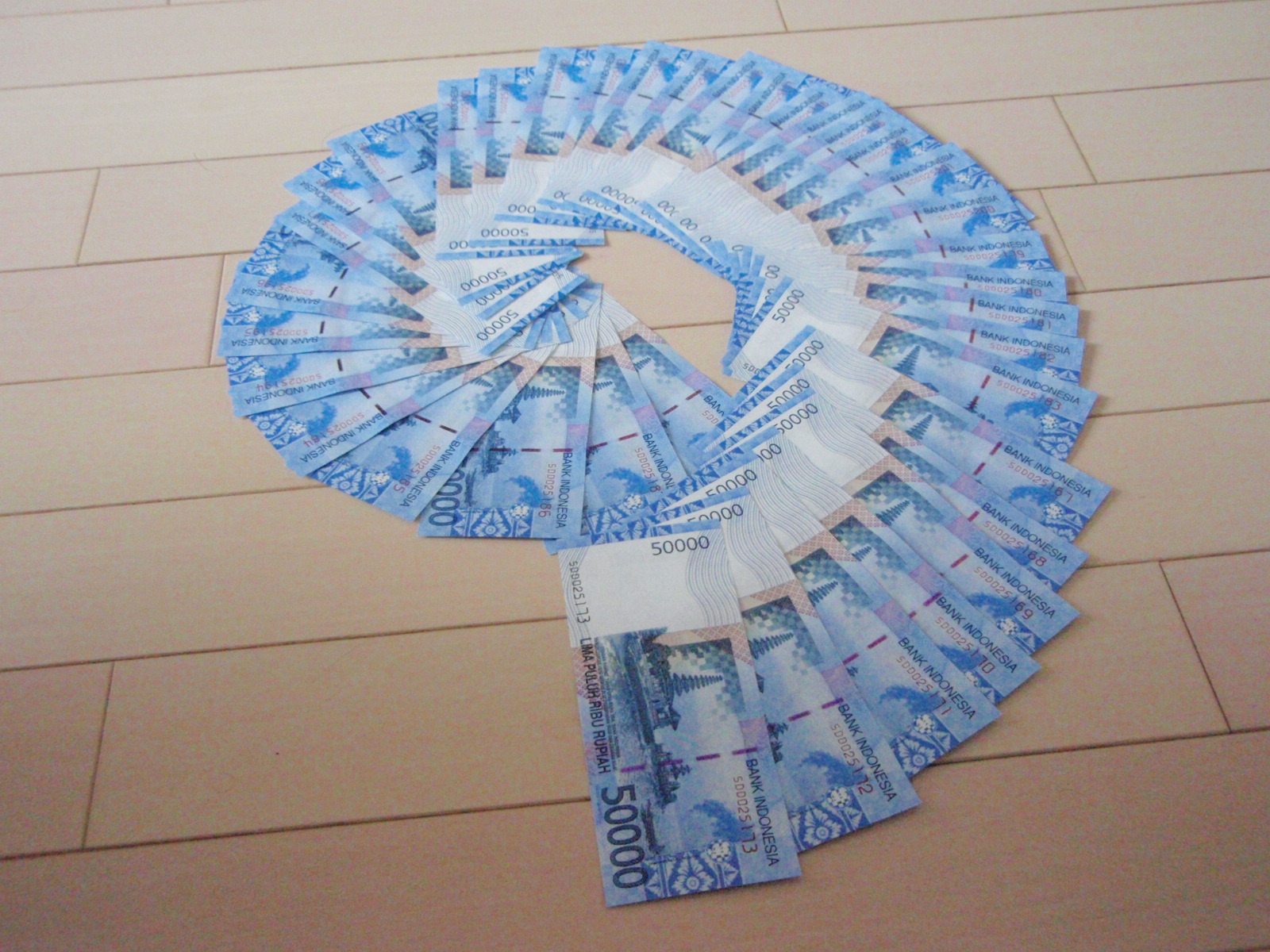
The selling did not stop at stocks. The rupiah fell as much as 0.8 percent on Friday to 18,070 per U.S. dollar, Reuters reported, within sight of its lifetime low of 18,190 and cementing its place as Asia’s worst-performing major currency this year. A falling currency and a falling stock market feed each other: every foreign investor who sells shares converts the proceeds out of rupiah, pushing the currency down, which gives the next investor one more reason to leave. Analysts told Reuters that the pressure could push Bank Indonesia toward raising interest rates at its meeting on Tuesday, October 20 — a meeting where rates had been expected to stay on hold. Defending a currency with higher rates is a classic emerging-market play, and it is also an admission that the pressure is real.
Jakarta Pushes Back
Indonesian officials have not been idle, and they want that on the record. The reforms Jakarta has announced include requiring disclosure of shareholders owning more than 1 percent of a company, fuller disclosure of investor types, reporting of high-concentration shareholdings, and a roadmap to lift the minimum free float to 15 percent so that more of each company genuinely trades. On Friday, the financial regulator said the exchange and regulators had fined three listed firms as part of the reform drive — Barito Renewables Energy and Dian Swastatika Sentosa were fined $27.8 million each, and Petrindo Jaya was fined $5.6 million, Reuters reported. Senior economic minister Airlangga Hartarto, meanwhile, questioned why MSCI had not raised the standalone idea at a meeting with Indonesian officials in Bangkok this week, Reuters reported — a complaint that tells you how completely Thursday’s announcement blindsided Jakarta.
Not a Regional Panic
The clearest evidence that Friday was about Indonesia, and only Indonesia, is what happened everywhere else. South Korea’s KOSPI rose about 3 percent and Japan’s Nikkei gained about 1.5 percent, Reuters reported, both rebounding from Thursday’s plunge. Asian markets were recovering; Jakarta was being singled out. That contrast mattered on a day when U.S. markets were closing out their own bruising week — our report on the Nasdaq’s worst week in months has the American side of Friday’s close, and our earlier coverage of the Asian selloff that hit Seoul and Tokyo shows how different a regional panic looks from what happened in Jakarta. Friday night’s full rundown is in the nightly news wrap-up.
A Long Clock, Ticking Loudly
Nothing about Friday is final, and that cuts both ways. MSCI is taking feedback until April 30, 2027, and expects to announce a final decision on or before June 30, 2027. But the index provider also said it expects to proceed unless the consultation produces evidence of material improvement — which puts the burden squarely on Jakarta to prove, over the next eight months, that its reforms change how the market actually works, not just how its rulebook reads. Indonesia has been an emerging market since 1989, through a financial crisis, a democratic transition and a commodity boom. It now has until next spring to convince the world’s referee that it still belongs on the ladder at all. Follow the story in our latest news coverage.