
RIYADH SATURDAY, OCTOBER 10, 2026
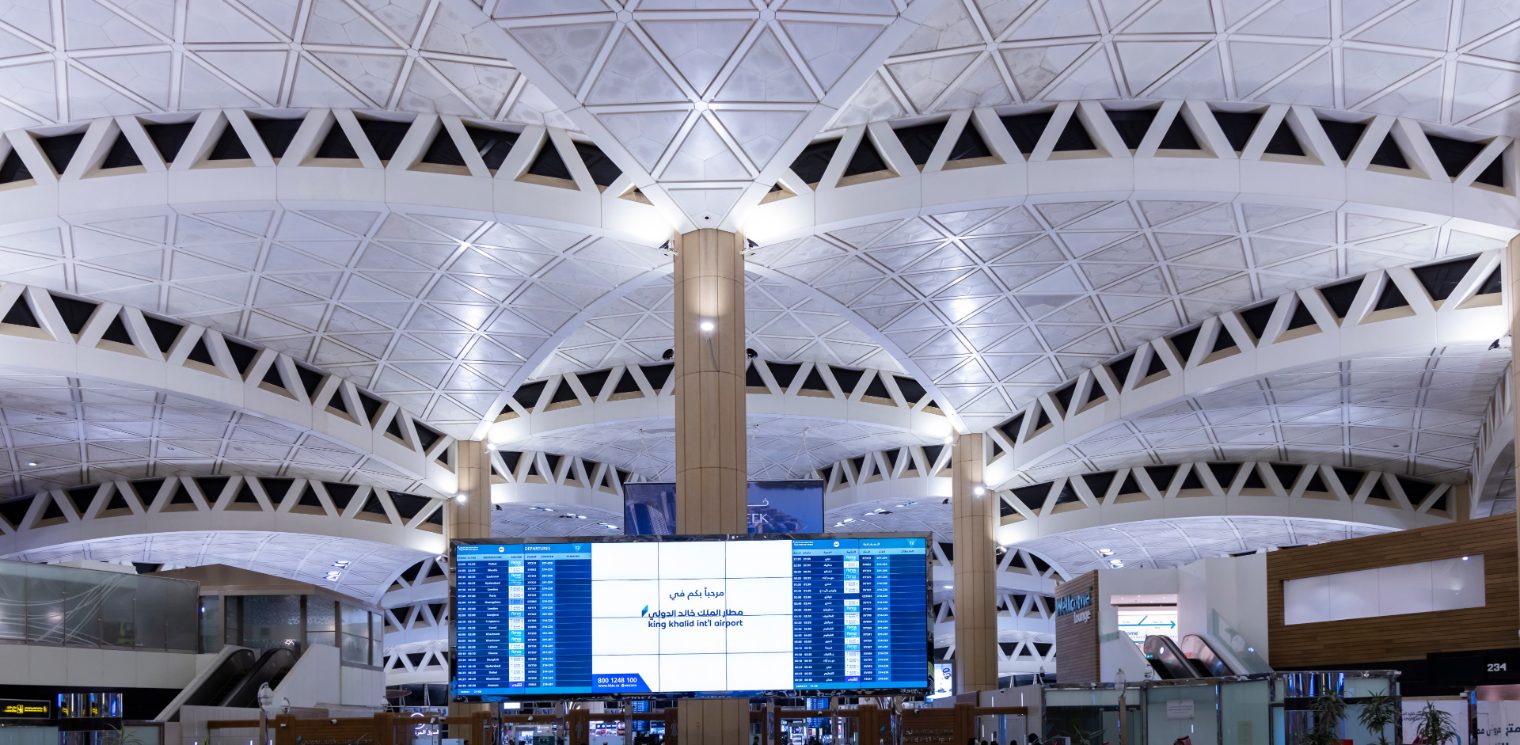
On the fourth day of the Houthi air campaign against Saudi Arabia, King Khalid International Airport is officially open — but for much of the world’s airlines, Riyadh remains a no-go zone. Europe’s aviation safety agency widened its guidance on Friday to recommend avoiding Saudi airspace entirely, a day after Houthi strikes on the airport killed three people, and the Saudi-led coalition answered with overnight airstrikes on the Houthi-held Yemeni capital of Sanaa.
02 Open, but empty: the day-four flight board
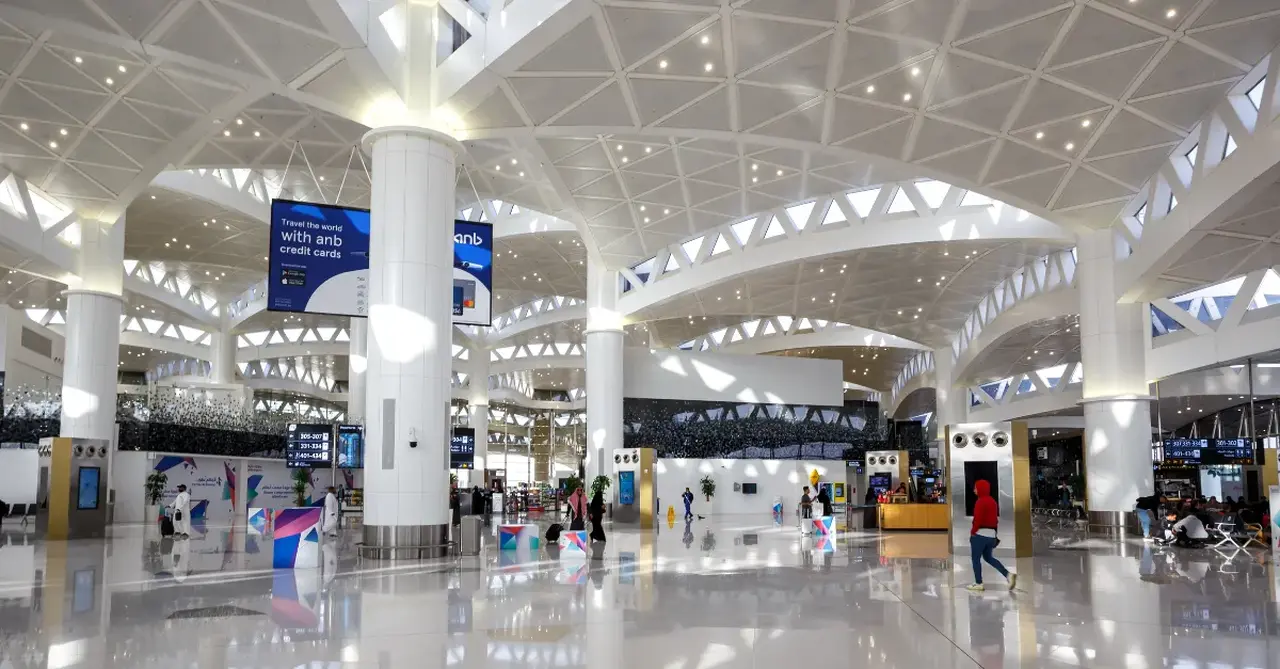
The picture on the ground Friday was a study in contradiction. Saudi Arabia’s General Authority of Civil Aviation said air traffic at King Khalid International Airport was ’back to normal,’ and flightradar24 data showed flights gradually resuming, according to Reuters. But the departure boards told a different story: by 1305 GMT on Friday, 131 flights to and from Riyadh had been cancelled, according to Flightradar24 data reported by DevDiscourse — on top of hundreds of cancellations the day before.
The airline-by-airline list keeps growing. flydubai has cancelled its Riyadh flights through October 10 and its Abha flights through October 11. Germany’s Lufthansa Group has suspended its Riyadh services through October 16 — the longest shutdown announced so far. Air India, Air India Express and Akasa cancelled their Riyadh flights through October 10 after an Air India flight turned back to Delhi on Thursday. Etihad cancelled six flights on Friday and two more on Saturday, and Pakistan International Airlines suspended its Saudi operations, according to Reuters and DevDiscourse.
In other words: the airport says it is back to normal, while the world’s carriers are making their own risk calculations — and their answer, one after another, has been to stay away.
03 EASA: avoid Saudi Arabia entirely
The starkest of those calculations came from Europe’s aviation safety regulator. EASA widened its guidance for the region on Friday, and the new language is about as blunt as aviation guidance gets: ’We now recommend avoiding operations in Saudi Arabia entirely, including the use of Saudi airports as en route alternates,’ the agency said, citing the recurrent missile and drone attacks and the risk of misidentification of civil aircraft, according to Reuters-credited reporting by DevDiscourse. It is the kind of advisory that does not just disrupt schedules — it tells airlines to route around an entire country.
The warning lands with particular weight because it is not a precaution against something hypothetical. Recurrent attacks are exactly what the kingdom has endured this week: the Wall Street Journal reports that Thursday’s airport strikes were at least the fifth Houthi airport strike since early October. When the misidentification risk EASA cites is playing out over one of the world’s busiest oil hubs, insurers and dispatchers take notice.
For the carriers still flying, the advisory raises the question of how long ’avoid entirely’ holds. Lufthansa’s suspension through October 16 suggests at least one major carrier does not expect the risk picture to clear next week. Previously’s reporting on Thursday’s strikes has the full casualty and damage account.
04 The coalition struck back overnight
The Saudi-led coalition did not leave Thursday’s strikes unanswered. Overnight from Thursday into Friday, coalition aircraft hit Houthi targets in Sanaa, the Yemeni capital the movement has held since 2014, according to Reuters reporting that cites Houthi officials and affiliated media. The coalition said its strikes destroyed three missile launch platforms — the launchers that feed the attacks Saudi cities have been absorbing this week.
Those launch platforms were busy. Thursday’s attack on King Khalid International Airport — two waves that struck airport facilities and set a parked Saudia jet ablaze — was the deadliest attack in Saudi Arabia since the Saudi-led offensive began last weekend, Reuters reported. Three Saudi nationals were killed, including the Saudia pilot Capt. Hamoud Ali Alkalthami, and several people of various nationalities were wounded. Earlier in the week, strikes on airports in Riyadh and Abha killed three more people and injured 36, according to the Saudi aviation authority, with the casualty figures corroborated by Reuters.
Retaliation was expected; the question is whether it deters or provokes. The Houthi movement has absorbed years of airstrikes and kept firing — its leader warned Saudi Arabia to prepare for a ’long conflict’ this week, in CNN’s reporting — and a single night of strikes on launch platforms has never been enough to close out an arsenal that, by the Journal’s count, has already hit airports at least five times this month.
05 A hundred-dollar backdrop
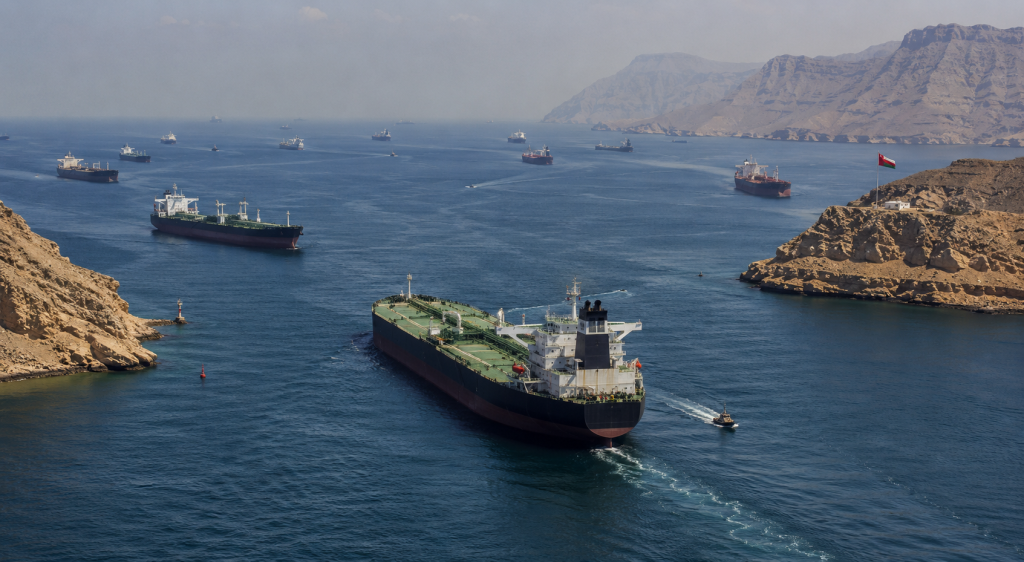
The air war is playing out against a hundred-dollar backdrop. Brent crude held above $100 a barrel on Friday, with U.S. benchmark WTI trading around $91 to $92, according to Reuters — and that was before Europe’s aviation body told airlines to avoid the kingdom entirely. The market’s nerves are not abstract: a major meeting of the world’s top oil executives is due in Riyadh within days of the attacks, Reuters reported, and the guest list is now walking into a capital under periodic missile fire.
The Houthis have made energy infrastructure an explicit part of the campaign, warning civilians to stay away from oil facilities and warning airlines to avoid Saudi airspace ’for the last time,’ in the movement’s framing as reported by the Associated Press via wcia.com — language the Journal describes as a declared blockade against the world’s top oil exporter. Saudi Arabia has partially resumed pumping through its East-West pipeline after drone damage in September, the Journal reported, but the corridor the oil travels is exactly what the Houthis are trying to close.
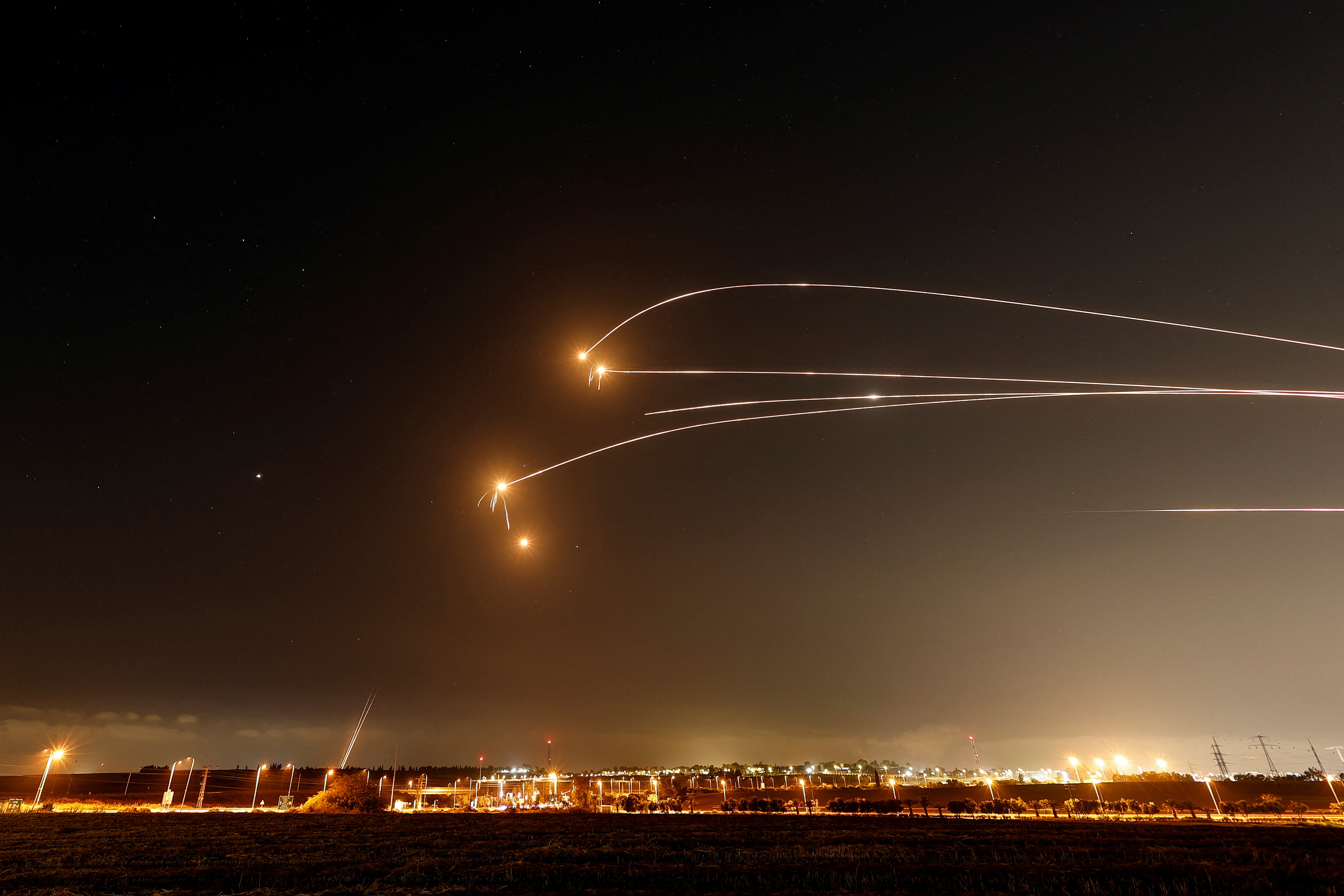
For the oil chiefs heading to Riyadh, the arithmetic is now personal as well as financial. A conference built on long-term energy security is being held in a city where the airport’s air-defense batteries are a working part of the skyline.
06 What to watch next
As of early Saturday morning, no new Houthi strike had been confirmed overnight Friday into Saturday — the first quiet stretch since the campaign’s latest wave began. But ’quiet’ is relative: Houthi military spokesman Yahya Saree claimed Thursday that missiles had struck both Riyadh and Najran airports, and the Associated Press reported that it could not independently verify those claims. Claims and wreckage are not the same thing, and the record of the week argues for waiting for the wreckage.
Diplomatically, the week ends where it started: at the United Nations. UN Special Envoy for Yemen Hans Grundberg was scheduled to brief the Security Council on Friday, per jbiznews — a briefing that now takes place against retaliatory airstrikes on Sanaa, an aviation body warning carriers away from Saudi Arabia, and an oil market pricing in disruption. What to watch from here is simple: whether the carriers extend their suspensions past this weekend, whether the oil executives still show up in Riyadh, and whether the quiet overnight holds. Follow Previously’s ongoing coverage as the campaign enters its second week.
Saudi-led coalition airstrikes hit Houthi targets in Sanaa overnight Thursday→Friday; coalition said it destroyed 3 missile launch platforms (Reuters). Thursday: 3 killed incl. Saudia pilot Capt. Hamoud Ali Alkalthami, several wounded, Saudia jet destroyed on the tarmac; Oct 6–7: 3 killed, 36 injured at Riyadh and Abha airports (GACA, corroborated by Reuters).
Sources · 6 sources
- Reuters — “Houthi strikes on Riyadh airport killed three Saudis as war escalates” Reuters · Oct 9, 2026
- The Wall Street Journal — “Houthis Bombard Saudi Air Links in Effort to Cut Kingdom Off From Rest of World” WSJ · Oct 10, 2026
- DevDiscourse — “EU Aviation Body Widens Saudi Airspace Warning After Houthi Strikes” DevDiscourse · Oct 9, 2026
- AP via wcia.com — “Explosions are heard in the Saudi capital as Riyadh airport is reported closed” AP · Oct 9, 2026
- dominicagazette — “Saudi Arabia Reopens Riyadh Airport After Houthi Attack Kills Three” dominicagazette · Oct 9, 2026
- CNN — “How a series of miscalculations restarted Saudi Arabia’s war in Yemen” (analysis) CNN · Oct 10, 2026





