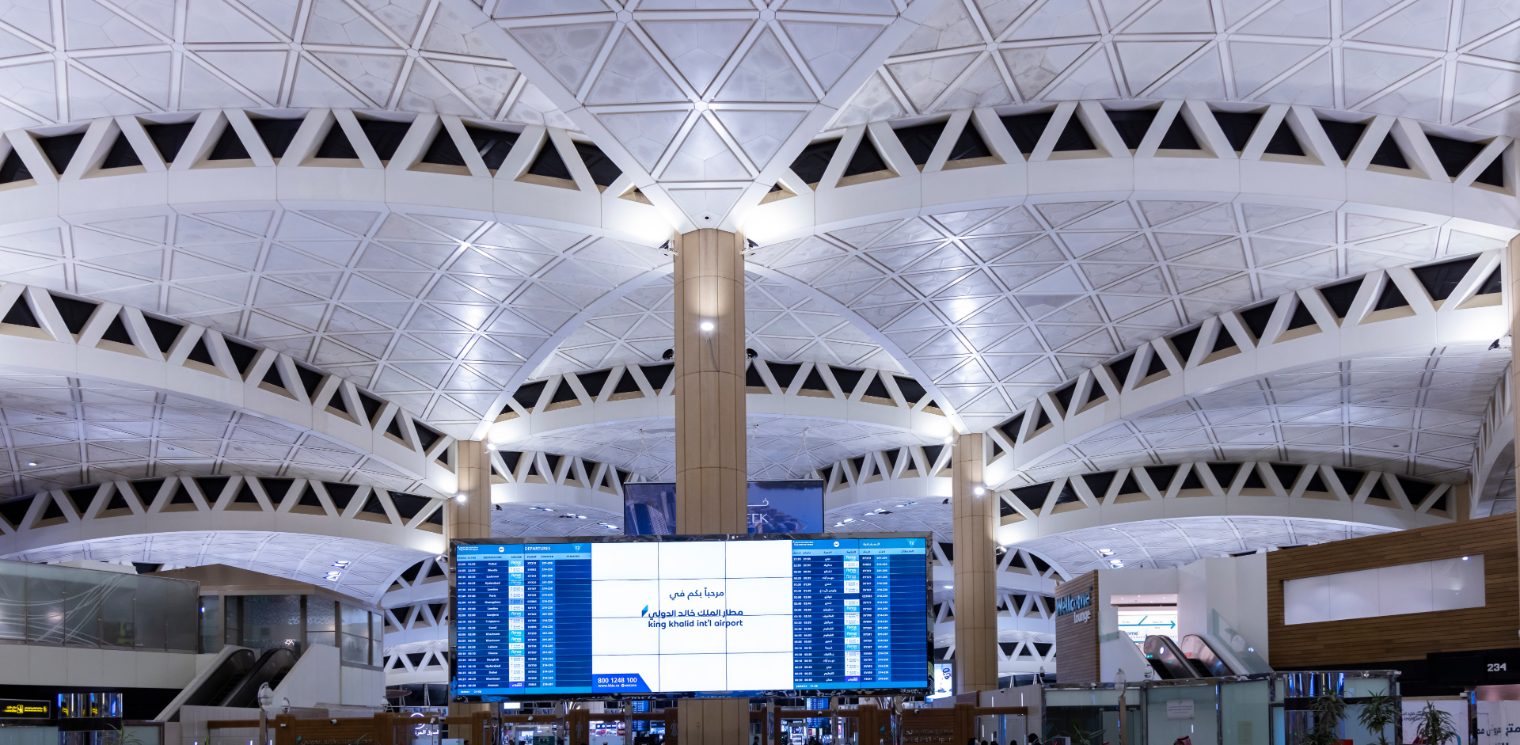
THURSDAY, OCTOBER 8, 2026 — The war is arriving in Riyadh by missile. Yemen’s Houthi group said Thursday it had fired a ballistic missile at King Khalid International Airport in the Saudi capital — its second claimed strike on the airport this week, and the latest in a flurry of attacks that has already killed three people and forced airlines to reroute. Saudi authorities had not confirmed the latest claim as of Thursday morning, and claims by the warring parties have been impossible to independently verify. But the markets didn’t wait for verification: oil surged nearly 5% as traders priced in a conflict that is now targeting the heart of the world’s biggest oil exporter.
Here’s what we know, carefully separated into what’s been claimed and what’s been confirmed.
What the Houthis claimed Thursday
The Houthi military spokesman, Yahya Saree, said in a statement posted on X that the group’s forces had successfully targeted King Khalid International Airport with a ballistic missile, claiming the missile “accurately struck its target and disrupted airport operations.” Reuters reported the claim Thursday morning, noting there was no immediate confirmation from Saudi Arabia of the latest attack or the extent of any disruption to airport operations.
This is the group’s second claimed missile strike on Riyadh’s airport in two days. The Houthis had already taken responsibility for a midweek attack on the same airport, and for attacks on Abha International Airport, King Khalid Air Base in Khamis Mushait, and military bases in Najran and Asir, according to regional reporting. A distinction matters here: the Saudi-led coalition confirmed intercepting a ballistic missile north of Riyadh in the earlier wave, while several additional Houthi claims about strikes on Saudi facilities remain unverified.
What Saudi Arabia confirmed: three dead, 36 wounded
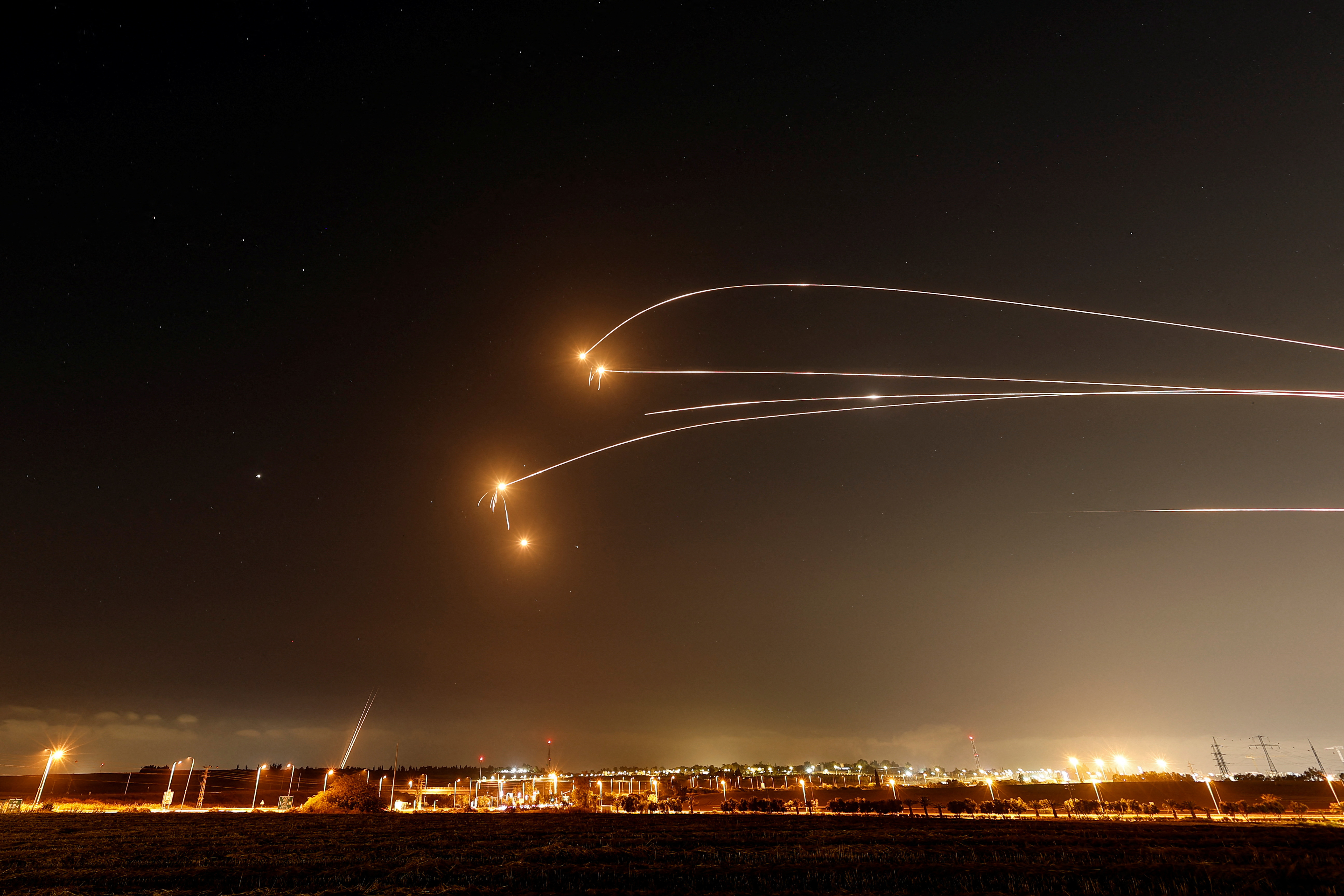
The confirmed toll from this week’s airport attacks is already grim. Saudi Arabia’s General Authority of Civil Aviation said Wednesday that on Tuesday and Wednesday, Abha International Airport and King Khalid International Airport “were subjected to attacks targeting their facilities” — without naming who was behind them. Three people were killed: an Egyptian and an Algerian national at Abha, and a Sudanese national at Riyadh, with 36 people wounded across the two attacks. The attack on Abha on Tuesday killed two female residents and wounded 28 others, CNN reported.
The Saudi-led coalition, which backs Yemen’s government, responded directly. Spokesman Maj. Gen. Turki al-Maliki said Saudi forces had destroyed the ballistic missile launcher used in the Riyadh attack, and warned that preparations were underway for “another imminent attack” — a warning that now reads like a preview of Thursday’s claim. The coalition said it struck more than 80 Houthi military sites across several Yemeni governorates in retaliation, including mountain-based ballistic missile facilities, command-and-control centers and communications systems. The United Arab Emirates condemned the airport attacks as a “flagrant violation” of Saudi sovereignty.
The strikes didn’t stop at Saudi territory. Houthi fighters also fired ballistic missiles at Aden International Airport in Yemen — the seat of the internationally recognized government and a key transit hub. Two missiles landed near the runway shortly before a Yemenia Airways flight from Cairo was due to land, forcing the plane to divert to Jeddah, Yemen’s transport ministry said Wednesday.
Why it’s happening: “Dawn of Yemen”
The airport strikes are the Houthis’ answer to a ground war that is turning against them — or at least, that the Saudi-backed side says is turning. Saudi-backed Yemeni government forces are pressing ahead with Operation “Dawn of Yemen,” a major offensive aimed at rolling back recent Houthi gains, including pushing against Houthi positions around the Bab al-Mandeb Strait and the Red Sea coast with coalition air support.
That strait is the quiet center of this whole crisis. Last month the Houthis seized effective control of the Bab al-Mandeb — the chokepoint between the Red Sea and the Gulf of Aden that funnels a huge share of the world’s oil trade — after claiming key Yemeni positions along the Red Sea coastline. In recent days Yemeni government forces have claimed to have retaken some of those positions, though military sources from both sides told AFP there have been no major changes on the ground. The fighting, which reignited in July after a four-year ceasefire, has displaced more than 200,000 people within Yemen, the United Nations said Wednesday.
Oil and markets: pricing in the escalation
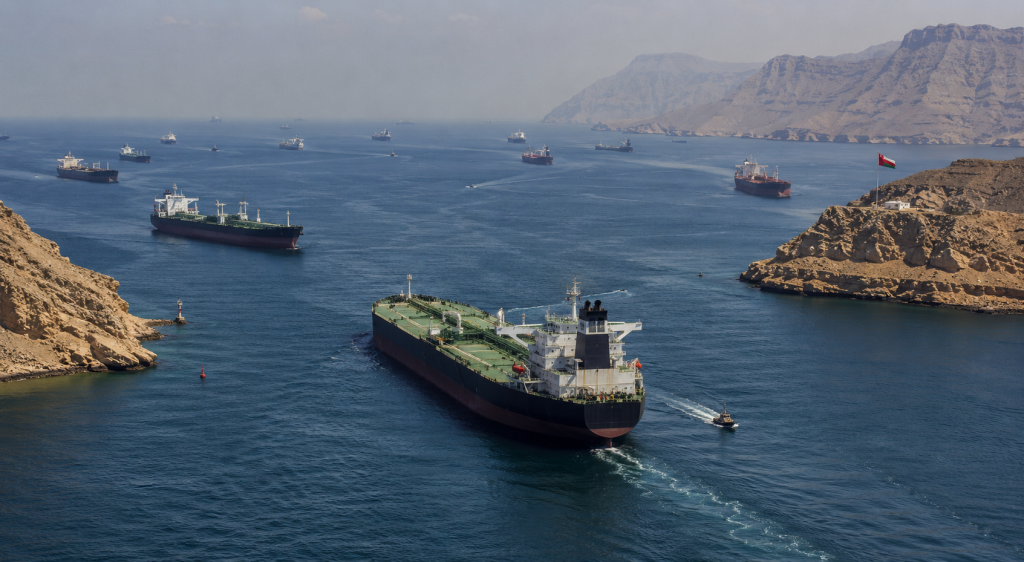
The market reaction was immediate and severe. Brent crude jumped nearly 5% toward $105 a barrel and West Texas Intermediate toward $92.60, as traders priced in the risk that the conflict could disrupt the physical flow of oil from the world’s largest exporting region. The threats to shipping are not hypothetical: the UK Maritime Trade Operations agency said Wednesday that a tanker north of Qatar was struck by multiple projectiles, causing casualties — and attacks on tankers sailing through the Strait of Hormuz hit their highest level last week of any week since the Iran war began.
The surge is layered on top of an already tight market. The U.S. Energy Information Administration raised its oil price forecasts on Tuesday, with Brent expected to average about $98 a barrel in 2026 and U.S. retail diesel above $6 a gallon in October. Flows have improved as Saudi Arabia routes crude through its East-West Pipeline to the Red Sea, bypassing the Strait of Hormuz, and Gulf oil flows (excluding Iran) recovered to more than 81% of pre-war levels in September — but attacks on airports, tankers and pipelines keep testing that recovery. “In the past, such attacks have resulted in a reduction in shipments from the Persian Gulf,” ANZ strategist Daniel Hynes said in a note Thursday, though this time producers appear willing to risk their vessels because there is no alternative way to get oil to market.
What to watch
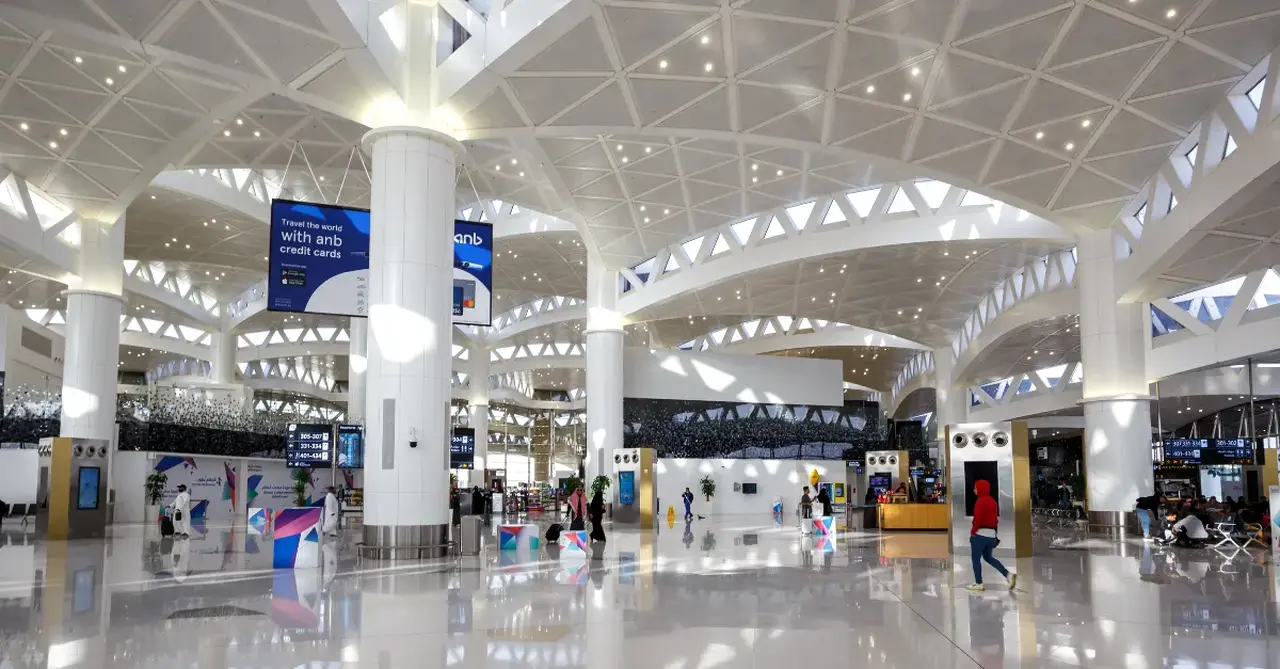
Three things will decide whether this stays a bad week or becomes a much bigger crisis. First, Saudi Arabia’s response to Thursday’s claim: the coalition has already shown it will answer with strikes on 80-plus targets, and al-Maliki’s warning of “another imminent attack” suggests Riyadh expected more. Second, Pakistan’s newly confirmed troop presence in Saudi Arabia, reported by CNN, adds another flag to a conflict that keeps expanding. Third, the oil market: with a third U.S. carrier strike group reportedly heading to the region and the White House weighing new Iran strikes before the midterms, the same crude spike hitting Thursday’s stock market could keep climbing.
The careful line, as always in this conflict: treat claims as claims until someone independent confirms them. The Houthis have a record of claiming more than they hit; Saudi Arabia has a record of downplaying what lands. What’s confirmed is grim enough — three dead at two civilian airports, 36 wounded, missiles landing near a passenger runway in Aden, and a tanker struck off Qatar. The war in Yemen has gone regional, and it’s showing up at airport departure boards and gas stations.
Related: Yemen government offensive cuts Houthi supply route, U.S. sends third carrier toward Iran, and The Atlantic’s reporting on Iran strike options.
Sources
- Reuters, "Yemen’s Houthis say they attacked Riyadh airport with ballistic missile," Oct 8 2026
- CNN, "Pakistan confirms it has troops in Saudi as conflict with Yemen’s Houthi rebels escalates," Oct 7 2026
- Gulf Business, "Three killed, 36 injured in Saudi airport attacks," Oct 7 2026
- AFP (via Berliner Tageblatt), "Saudi Arabia says three dead at airports after Houthis claim attacks," Oct 7 2026
- The Pakistan Times, "Houthis Claim New Attacks on Saudi Arabia Amid Escalating Regional Conflict," Oct 7 2026
- Reuters, "Oil rises as Middle East supply concerns persist amid shipping attacks," Oct 8 2026
- Investopedia, "Stock Market Today" live coverage (oil price data), Oct 8 2026
- Reuters, "US EIA hikes oil price forecasts again as Iran war drains global stockpile," Oct 6 2026