
NEW YORK
By the time the final group took the stage at Terminal 5 on Friday night, the point of the evening had already been made several times over — in Spanish, in Portuguese, in Korean and in English. KOOM Live, the flagship concert of KOOM Week, closed out the weeklong New York celebration of Korean culture, business and entrepreneurship on October 16 with a lineup that treated the diversity of modern K-pop not as a theme to announce but as a bill to prove: a Latin American boy group built by a Korean entertainment giant, a five-piece calling its sound “Nu-Kpop,” a girl-group member reinvented as a soloist, a former boy-group idol making his American solo debut, and a rookie act covering BTS and ATEEZ.
KOOM Week, presented by the nonprofit United Korean Founders (UKF) — an organization connecting Korean and Korean-American founders, investors and business leaders across New York, Silicon Valley and Seoul — ran October 12 through 18 across Manhattan in its second annual New York edition. The week mixed K-beauty pop-ups, food and startup showcases at KOOM Haus in Flatiron’s Iron 23 with a daytime conference, KOOM Stage, held at Terminal 5 earlier on Friday: 42 sessions across six tracks, from AI and technology to fundraising and founder stories. Then the conference room turned into a concert hall.
A room set up like a K-pop show
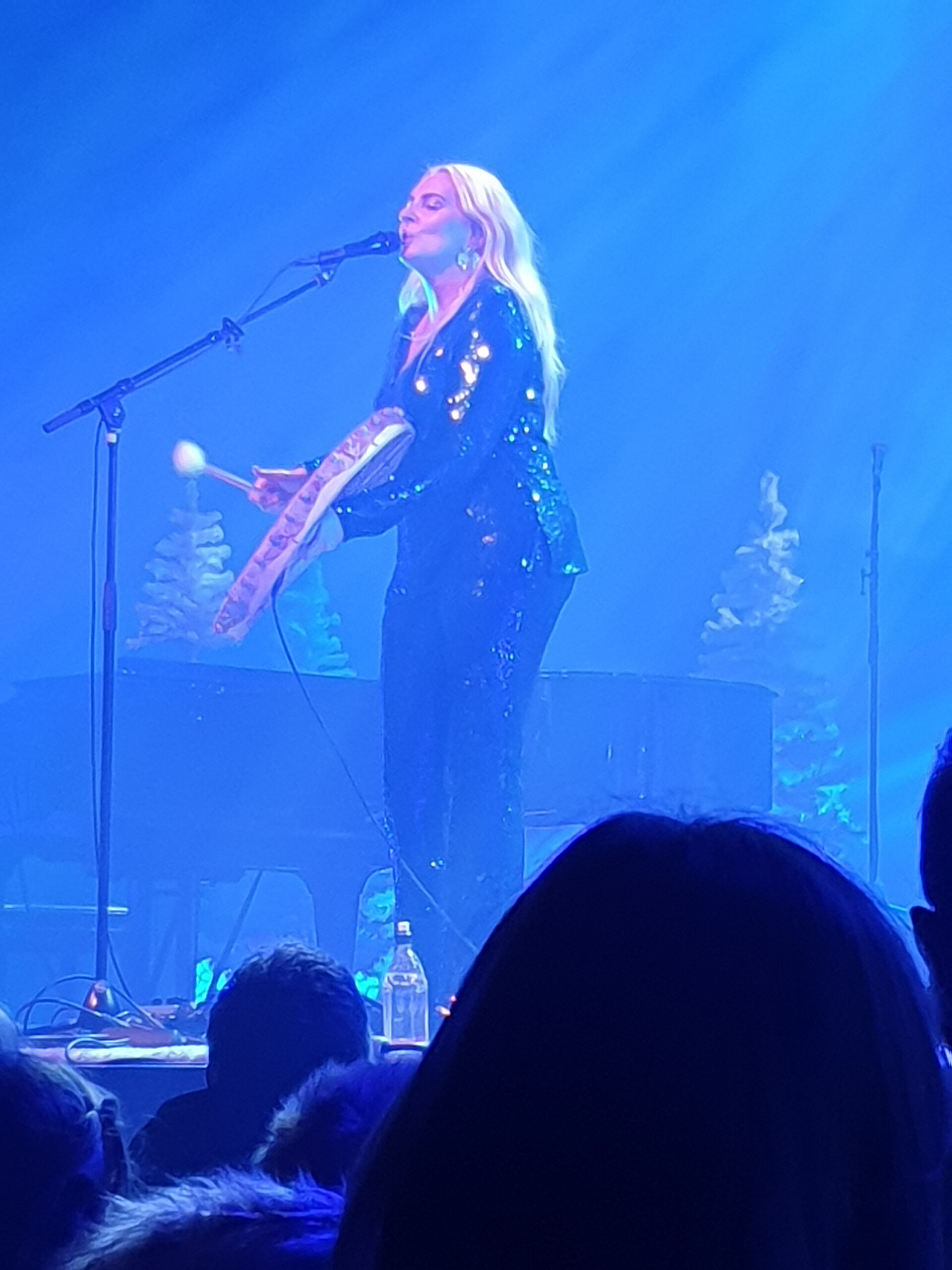
BroadwayWorld’s on-the-ground report describes a venue that understood the assignment from the door. Every attendee was handed a light-up wand in place of the traditional K-pop lightstick, and all three levels of Terminal 5 were packed, flashing with lights. Soloist Joo Won Shin opened the night with a full-band rock performance before the hosts introduced the first act, 1VERSE. Performing as their three currently active members — Kenny, Nathan and Aito — the group played several of their own songs and two covers chosen to detonate a K-pop crowd: BTS’s “IDOL” and ATEEZ’s “Guerilla.”
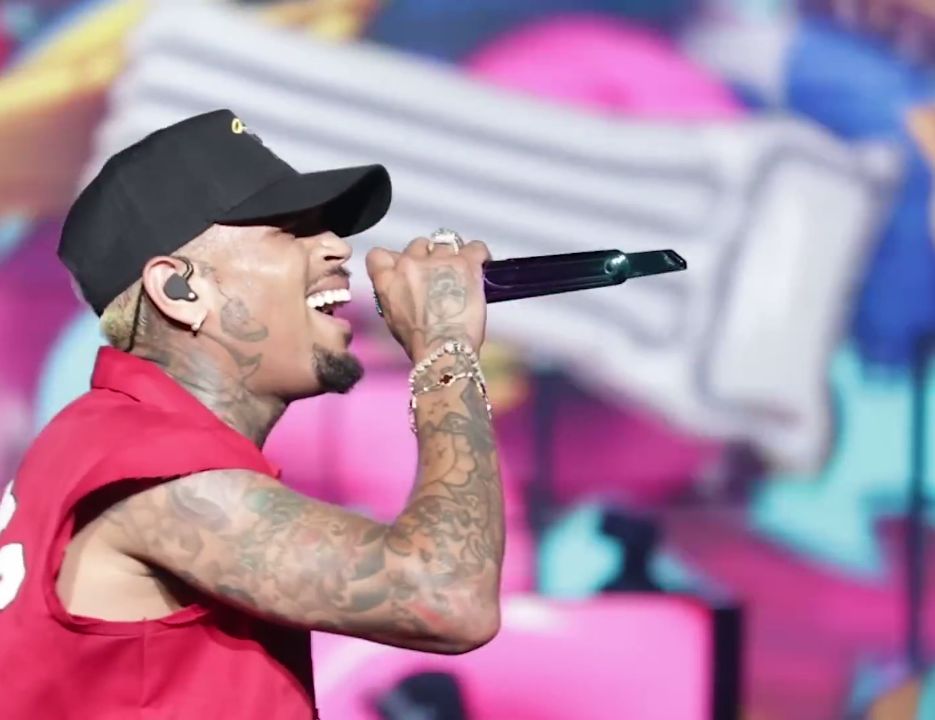
Next came XngHan&Xoul — Seunghan, formerly of RIIZE, now performing as a solo artist backed by two rotating dancers known as Xoul. He told the crowd it was his first-ever performance in the United States, and played his Japanese single “HIGH BEAM” alongside his first two Korean title tracks, “Waste No Time” and “Glow,” to chants of his name from fans known as Mate.
WAYF BOYS bring “Nu-Kpop” to New York
The third act, WAYF BOYS, arrived in New York barely two months after debuting. The five-member group, which calls its hip-hop-leaning style “Nu-Kpop,” debuted on August 7 with “WAYF BOYS DO” and followed it on August 28 with “SWAG.” At KOOM Live they performed both songs plus their latest single, “A4M,” and — in the night’s most quietly revealing moment — each member stepped up for an a cappella mini-solo. The group had gone viral for a TikTok cover of Michael Jackson’s “Human Nature,” yet, as BroadwayWorld’s reviewer noted, their released music rarely shows off those vocals; the a cappella turns argued that it should.
The New York trip doubled as a fan event. The night before the concert, members Anderson, Andrew, Samuel and Ryan took over Leon’s Bagels in Manhattan’s NoMad neighborhood, serving bagels and coffee to 50 fans who had won access through a free raffle and handing out signed cards. Fifth member Junmyeong missed the pop-up — his bandmates promised to bring him Takis back to Korea — but he was back on stage at Terminal 5, to the crowd’s obvious delight. For a group two months into its career, a first U.S. performance anchoring a festival bill is a fast start by any measure.
Dayoung, solo and in command
Dayoung’s set was the evening’s study in reinvention. A member of the girl group WJSN, she debuted as a soloist in 2025 with the single album gonna love me, right?, led by the English-language title track “body” — a song she has said she developed in Los Angeles after initially struggling to get her solo debut approved, and which earned her a first music-show win a decade into her career. She followed it in April with the single album What’s a girl to do, and in August released “FLIRTY,” a collaboration single with Jay Park — her first collaborative release — through Starship Entertainment.
At Terminal 5 she performed “What’s a girl to do” and “FLIRTY” — Jay Park, her collaborator, was not at the show — and worked the room between songs, reading fans’ signs and joking with one fan whose sign asked her to marry them, apologizing for her English while, by all accounts, communicating beautifully. She closed with a cover of Justin Bieber and Nicki Minaj’s “Beauty and a Beat” that had the whole room jumping and singing along. It was a soloist’s set in the full sense: her own material, her own banter, her own choice of a crowd-pleasing cover to finish.
SANTOS BRAVOS close the night
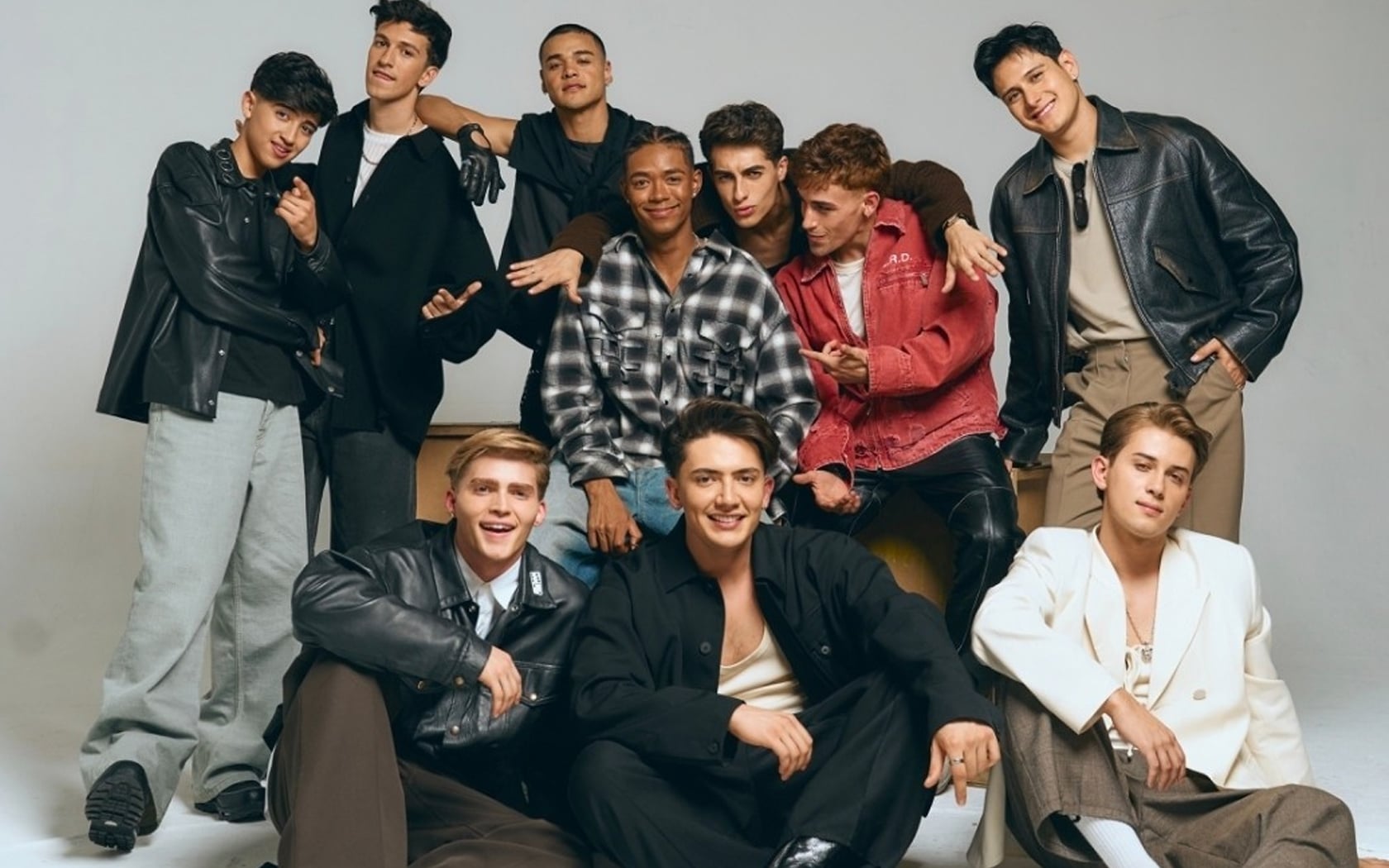
The concert had no announced headliner, but BroadwayWorld’s report leaves little doubt about who the room had come for. SANTOS BRAVOS — the five-member Latin American boy group under HYBE Latin America — took the stage to the night’s biggest eruption. The group, formed through HYBE’s 2025 audition series and debuted last October with “0%,” consists of Drew Venegas, the group’s Mexican American leader; Alejandro Aramburú from Peru; Gabi Bermúdez from Puerto Rico; Kauê Penna from Brazil; and Kenneth Lavíll from Mexico. Their music leans heavily on Spanish lyrics, with Portuguese in the mix, and the Terminal 5 audience sang along with every word.
Their set drew on their first EP, Dual, released March 13 on HYBE Latin America: the high-energy “0%,” “KAWASAKI” and “VELOCIDADE,” then a slowdown for the more emotional “FE.” The group has moved quickly since debut — a first EP, performances on Korean music shows during an April promotional trip to Seoul, a debut appearance at KCON LA in August, and two wins at September’s Premios Juventud, where they took Favorite Group or Duo of the Year and New Generation – Male Artist. In Seoul in April, member Gabi acknowledged the weight of the experiment: “We’re the first Latin pop group coming from HYBE — that’s a lot of weight to carry.” Leader Drew put the ambition plainly: the group wants to be known not only in Latin America but all over the world.
What the night argued
KOOM Live’s success, as a concert, was in the sequencing. A Korean rock soloist opened; a multinational rookie group covered the genre’s biggest acts; a soloist making his U.S. debut followed; a two-month-old group sang a cappella; a WJSN member performed as an independent solo voice; and a Latin American group trained in the K-pop system closed the show singing in Spanish to a New York crowd that knew the words. None of those acts is a novelty version of the others. Together they describe where the K-pop industry actually is in 2026: a production system and a performance language that now travel, attach to local cultures, and come back changed. KOOM Week was built to celebrate Korean culture, business and entrepreneurship at once, and its closing concert made the entrepreneurial case in the most direct way available — by putting the product, in all its variety, on one stage.