
Downtown Las Vegas has spent decades being the place people visit, work a shift, and leave. On Thursday morning, the city, the state, and one of the country's biggest homebuilders put shovels in the ground on a plan to change that math: The Foundry, a new gated community of more than 1,000 townhomes and single-family homes, priced from the $300,000s, rising on about 70 acres where the Cashman Center and the Grant Sawyer Building stood.
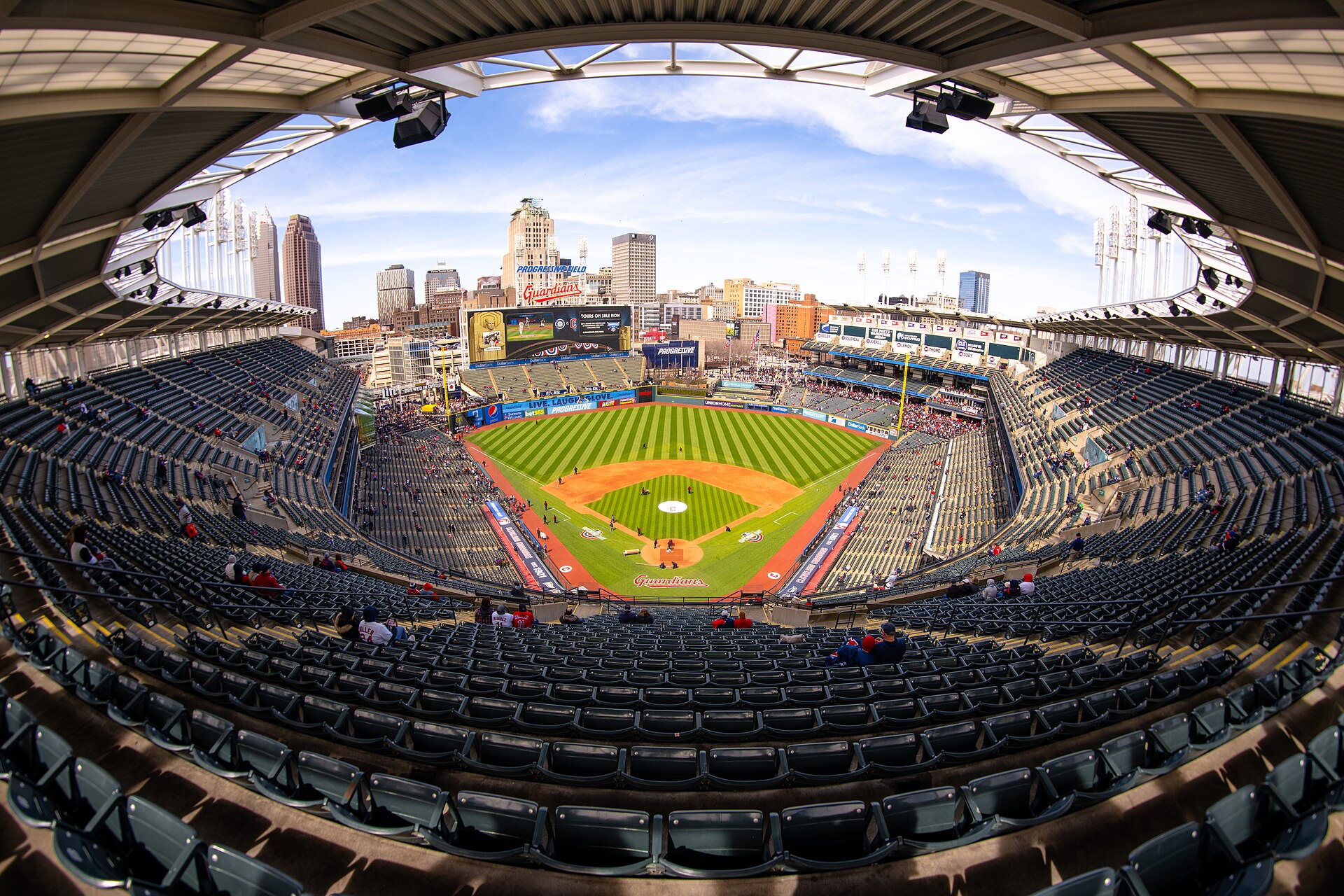
The timing gives the story a certain poetry. Just this week, Previously covered one last night at Cashman, the final game at the old ballpark that anchored this corner of downtown for generations of Las Vegas families. Thursday's groundbreaking is the other half of that story — the end of one civic era on this land, and the start of a bet that downtown's next era is residential.
What Is Being Built
The Foundry covers two neighboring properties near Las Vegas Boulevard and East Washington Avenue: the site of the former Grant Sawyer state office building and the Cashman Center complex across the way. Together they give Lennar roughly 70 contiguous acres — a rare thing in a built-out downtown — on which to lay out a full neighborhood rather than a single subdivision dropped into a gap.
The plan calls for more than 1,000 homes in a mix of townhomes and single-family detached houses, inside a gated community. The headline number, though, is the price point: homes planned from the $300,000s. In a valley where the typical resale price has spent years out of reach for the bartenders, dealers, teachers, and first responders who keep the city running, a new-build community downtown starting in the $300,000s is aimed squarely at first-time buyers and young families — the buyers most often told to look at the far edges of the valley, or to keep renting.
Thursday's event was a ceremonial groundbreaking, and the timeline is honest about that: vertical construction — actual homes going up — is expected to begin in October 2027. Site work, demolition, and infrastructure come first. Anyone driving past Cashman this fall should expect fences and earthmovers long before they see framing.
The Deal Behind It
The Foundry is a public-private partnership among the City of Las Vegas, the State of Nevada, and Lennar, and the state's side of the deal is a big part of why it works. The Grant Sawyer Building had become an expensive problem: an aging state office building in need of major investment. The state instead relocated its employees, and Gov. Joe Lombardo said that move saved the state $207 million while freeing the land for housing — in his framing, putting state property to better use, saving taxpayer dollars, and expanding housing opportunities for Nevada families at the same time.
Las Vegas Mayor Shelley Berkley, who joined Lombardo and Lennar executives at the ceremony, called the day a special moment in the city's history and pointed to the same goal: more Southern Nevadans able to buy a home of their own, in a new neighborhood with amenities to match. City Councilwoman Shondra Summers-Armstrong, whose Ward 5 includes the site, was also on hand, along with Lennar's regional and Las Vegas division leadership.
That alignment — state land, city support, a national builder's machine — is what it takes to get attainable housing built at this scale in a city center. Land downtown is rarely cheap and rarely assembled. Here, the two biggest landowners on the block were the public itself.
Why It Matters for Downtown
Readers who follow this site know downtown is having a moment. This week alone, the neighborhood has seen entertainment openings and announcements up and down the corridor — our coverage of Luke Combs' Category 10 preparing to open on the Flamingo and the Flamingo and Koval changes ahead of race season tells part of that story. What downtown has historically lacked is not visitors. It is neighbors.
A thousand-plus households change a downtown in ways a casino opening cannot. Residents buy groceries on ordinary Tuesdays. They enroll kids in the schools nearby, fill the parks on Saturday mornings, and give the small businesses along Washington Avenue and the Arts District a customer base that does not depend on conventions or fight weekends. They also stabilize everything around them: occupied homes are the most reliable form of neighborhood investment there is.
There are fair questions to ask, and Thursday's ceremony did not answer all of them. A gated design in a historic, walkable part of the city will draw scrutiny about how the community connects to the streets around it. The $300,000s starting point will be watched closely as pricing firms up — attainable has a way of drifting. And 2027 is a long runway; construction costs and interest rates will have their say before the first family gets keys.
But the direction is right, and it is rare. Big American downtowns mostly add luxury towers and hotel rooms. Las Vegas just broke ground on a thousand homes for the people who pour the drinks, teach the classes, staff the hospitals, and grew up here — on land the public already owned, a short walk from the oldest streets in the city. Cashman's lights went dark this week. The idea now is that a neighborhood's lights come on in their place.