
SOUTHFIELD, MICH.
Final debates are supposed to clarify a race. Wednesday night in Michigan, the final Senate debate clarified mostly how deep the distrust runs between the two men asking to replace retiring Senator Gary Peters — as Democrat Abdul El-Sayed and Republican Mike Rogers spent the evening questioning each other’s loyalty, extremism and fitness, in a race the Associated Press says could decide control of the U.S. Senate.
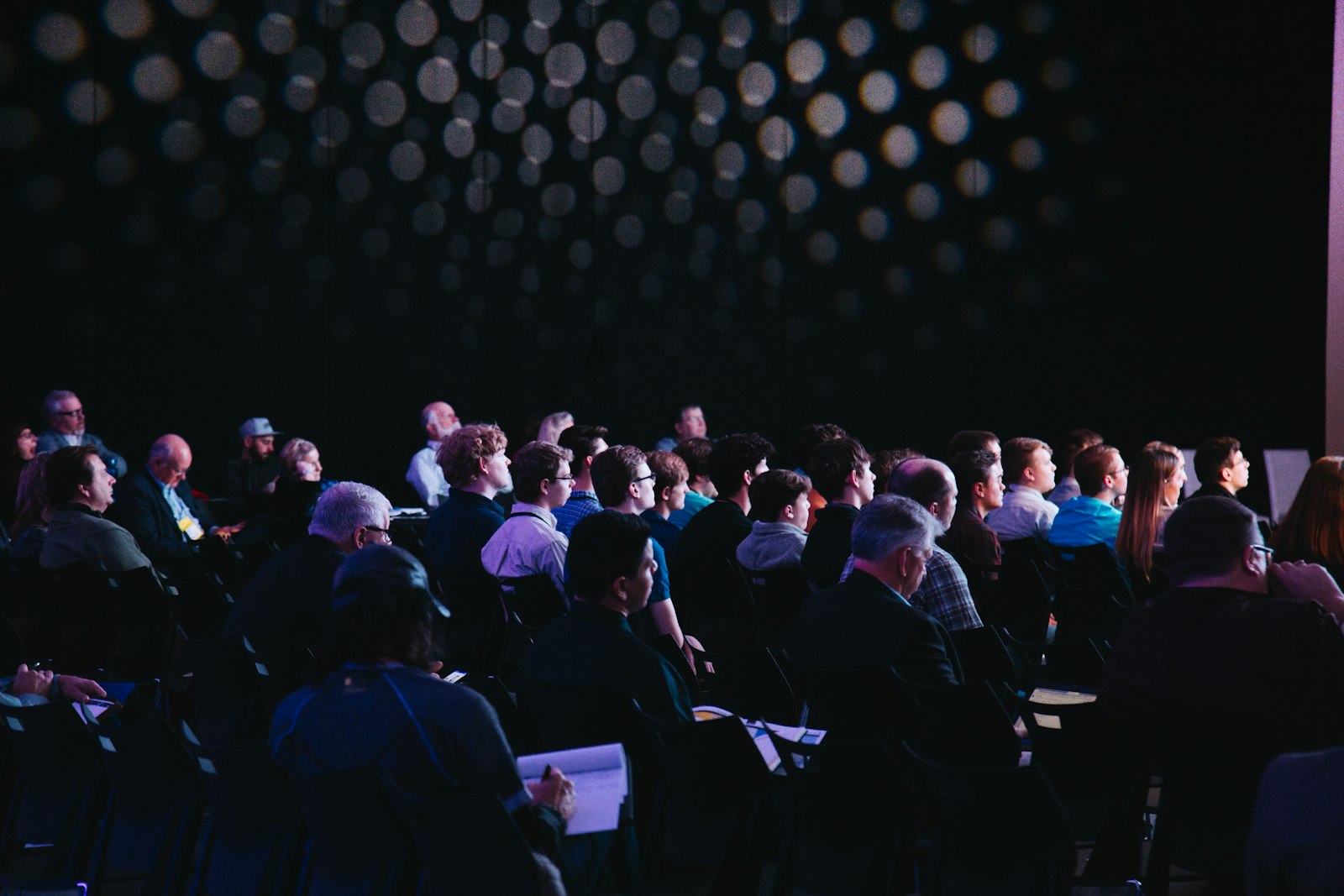
The debate, the second and final meeting between the candidates, was held Wednesday, October 21, at the WXYZ Channel 7 studios in Southfield and moderated by Chuck Stokes with Carolyn Clifford and Alicia Smith, according to the Detroit Free Press. El-Sayed, a former Wayne County and Detroit health director, would be the first Muslim U.S. senator if elected. Rogers is a former congressman and retired FBI agent. The Associated Press reported that El-Sayed worked throughout the night to tie Rogers to President Donald Trump, while Rogers pressed his central argument that El-Sayed is too extreme for Michigan.
The sharpest exchange came when Rogers returned to an allegation he has raised before: a 2012 open letter, and a claimed connection to the Muslim Brotherhood. According to the New York Post and the Associated Press, Rogers asked El-Sayed directly, “Are you for America, or are you for these terrorist groups overseas?” and called him “a risk to our national security.” El-Sayed answered that questioning his commitment to the Constitution was “shameful” — “really quite shameful” — and told Rogers the attack was “beneath you.”
That exchange is likely to define the debate’s afterlife, and both campaigns know it. For Rogers, the line is the sharpest version of his closing argument: that El-Sayed’s past words and associations are fair game in a post-October-7 political era and disqualifying for a senator who would vote on national security. For El-Sayed, the moment is evidence of exactly what he has campaigned against — the suggestion that a Muslim American’s loyalty is perpetually on trial. Either way, it was not the language of two candidates looking for undecided voters in the middle. It was the language of a race being fought, hard, at the edges.
El-Sayed’s counterattack ran through Trump. He called Rogers a “sock puppet” for the president who stands “hip-to-hip” with him, and mocked the frequency of the alignment with a “MAGA bingo” jab, according to the debate coverage. Rogers shot back that if anyone was playing bingo, the card should count how many times El-Sayed mentioned Trump. On Iran, the clash turned substantive: El-Sayed argued, according to the USA Today live blog of the debate, that President Barack Obama had contained Iran through diplomacy, that Trump ripped up that deal and then went to war, and that Rogers “cheer-led this war.”
Money followed the foreign policy. El-Sayed pointed to New York Times reporting that AIPAC is set to send up to $9 million to Great Lakes Conservatives Fund, a pro-Rogers group, according to the USA Today live blog; the group has announced a $4.6 million media buy. Rogers’ side of that ledger — that outside support reflects the stakes national groups see in the seat — went mostly unspoken on stage, but the number itself tells the story of this race: an open seat, a plausible path to a Senate majority running through it, and outside money arriving at a scale that dwarfs what either candidate can raise alone.
The candidates also clashed over the SAVE Act and voter ID, with El-Sayed likening the proposed election overhaul to “voter suppression,” according to the USA Today live blog. That fight, like the Iran fight, maps neatly onto the national parties’ closing messages — which is precisely the point both men were making about each other. Rogers says El-Sayed is a national progressive project in Michigan clothing. El-Sayed says Rogers is a national MAGA project with a Michigan address. Wednesday night, each man spent an hour trying to prove the other’s version of that sentence.
What happens next is a four-day sprint neither campaign can afford to lose. With the Associated Press reporting that the race could decide control of the Senate, both parties are treating Michigan as a top-tier battleground in the closing stretch: former President Obama rallies for Democrats in Detroit on Saturday, and President Trump campaigns in Michigan on Sunday, according to the Associated Press and the Detroit Free Press. For El-Sayed, the closing argument is the one he made on stage Wednesday — that Rogers is inseparable from Trump. For Rogers, it is the mirror image — that El-Sayed is too extreme and too risky for a state that prizes itself on moderation. Wednesday’s debate gave both men their sharpest sound bites of the fall; the weekend rallies will test which version Michigan voters carry into the final week before November 3.
Context matters here: the first debate, held October 8 on WOOD-TV in Grand Rapids, devolved into insults, according to the Detroit Free Press and the Associated Press, so Wednesday’s edge was not a departure — it was the rematch playing to form. The closing weekend now brings the heavy artillery to Michigan: former President Obama rallies in Detroit on Saturday, and Trump campaigns in Michigan on Sunday, according to the Associated Press and the Free Press. Our news desk will cover both visits. Election Day is November 3, and if Wednesday night was any indication, Michigan’s Senate race will arrive there the way it spent the fall — loud, personal, and aimed squarely at the other man’s loyalty. Voters can follow the final stretch in Previously’s News section.