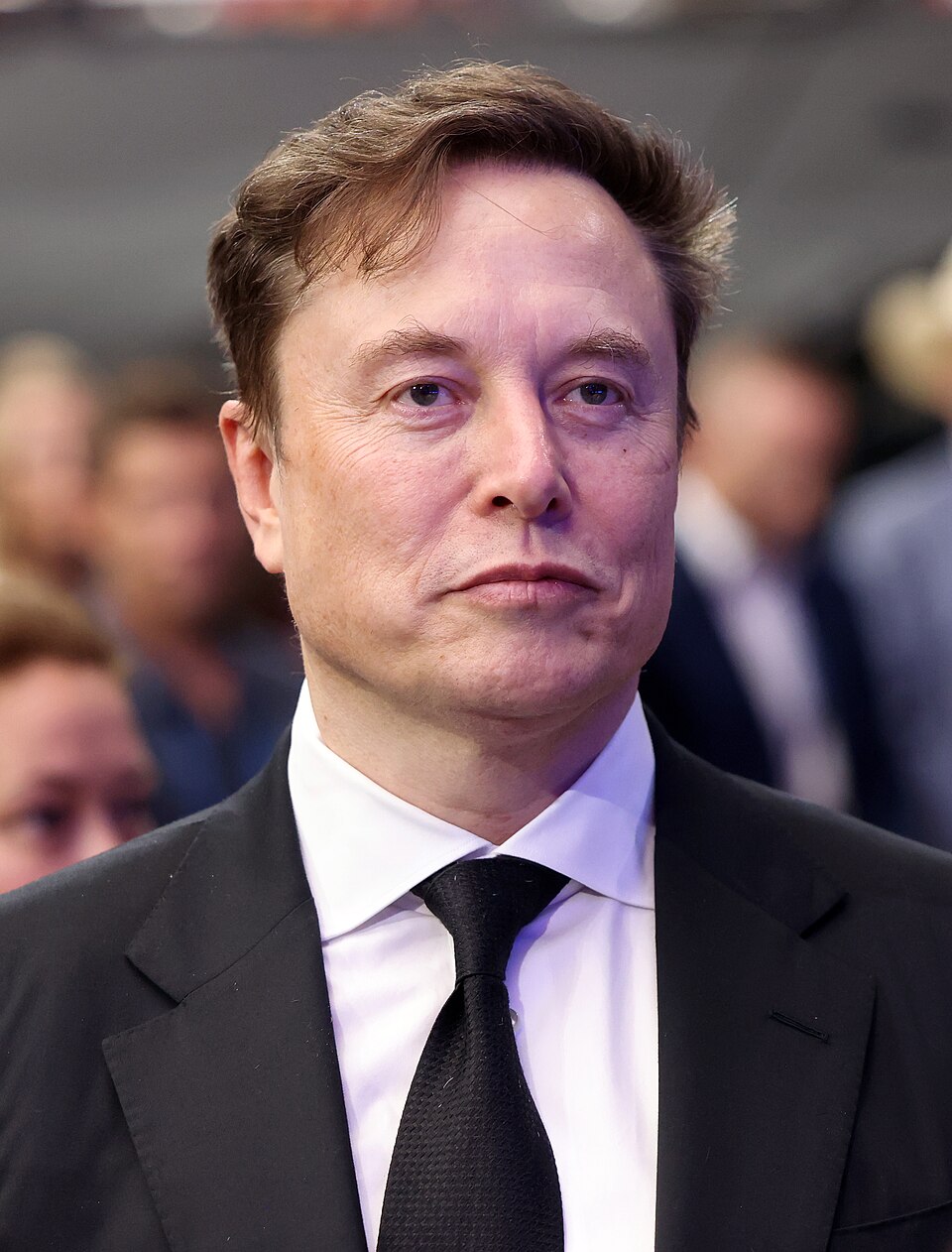
NEW YORK — Elon Musk is a trillionaire again. His net worth jumped roughly $65 billion on Monday, October 5, to about $1.04 trillion on the Bloomberg Billionaires Index, putting him back over the trillion-dollar line after about three months below it. The driver was a two-front rally: SpaceX shares rose around 7.6 to 8 percent to $171.09 on bullish analyst commentary, and Tesla climbed about 2 percent to $378.73 after Friday’s third-quarter delivery numbers came in ahead of estimates.
Sixty-five billion dollars. In one day. To put that in perspective, that single-day gain is more than the entire market value of most companies in the S&P 500. It is also, fittingly, the kind of number that makes the whole exercise feel slightly absurd — Musk’s fortune now swings by the GDP of a small country on an ordinary Monday. This is what happens when more than 98% of your net worth sits in two companies: your wealth is not a portfolio, it is a weather system.
The two engines
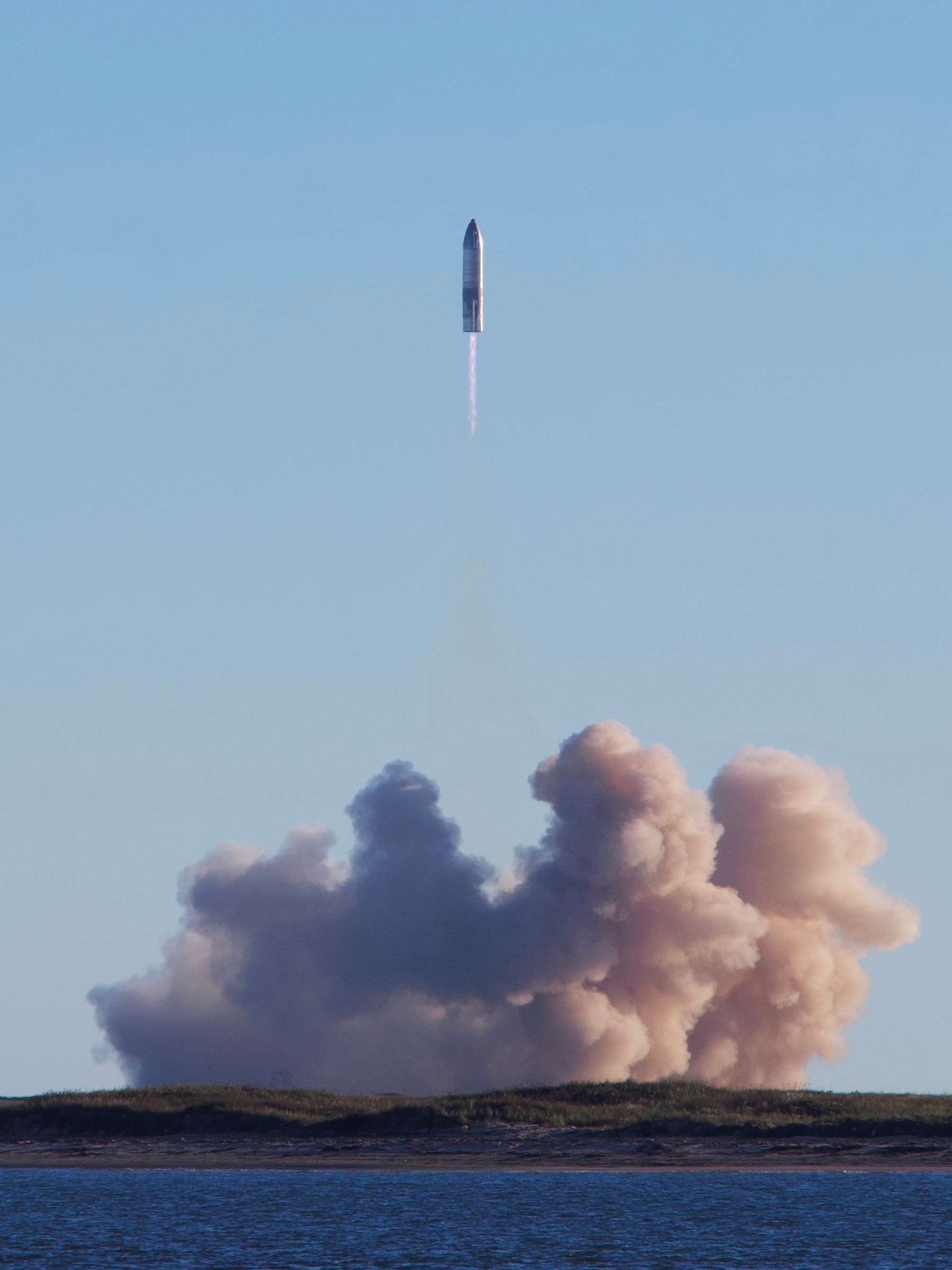
SpaceX did the heavy lifting. The company’s shares are up about 13% in October and have rebounded 58% from an August low, per Hindu BusinessLine, and Monday’s pop came on bullish analyst comments — notably Morgan Stanley calling SpaceX one of the cheapest ways to play “the strong optionality” of the space and intelligence sector. SpaceX now sits roughly 30% above its $135 IPO price, and it is the larger of Musk’s two fortunes by a wide margin: the space company is the anchor of the trillion.
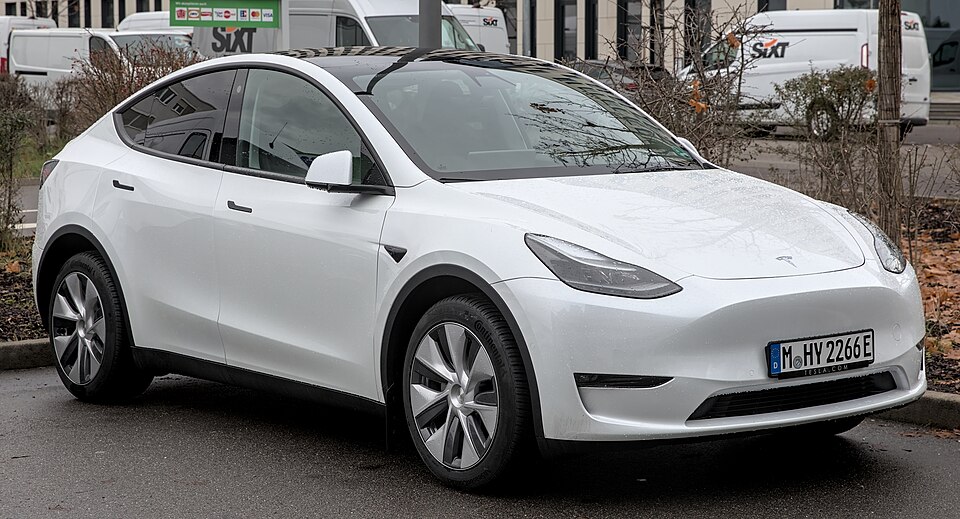
Tesla’s contribution was quieter but real. Shares rose about 2% Monday to $378.73 after Q3 deliveries topped estimates on Friday, per Investopedia. Tesla is up 6.7% in October — but the longer view is less flattering: the stock is still down roughly 15% for the year. That is the split-screen reality of Musk’s empire right now. SpaceX is the rocket, literally and figuratively. Tesla is the company still proving it deserves its half of the story.
And it really is a two-stock fortune. Musk’s Tesla and SpaceX stakes make up more than 98% of his net worth, per Hindu BusinessLine. There is no diversification here, no safety net of bonds and index funds. When both companies rally on the same day, the Bloomberg Billionaires Index has to find room for another digit. When they slump — as they did through the summer, when Musk lost the trillionaire title — hundreds of billions evaporate just as fast.
The arc: June to October
Musk first became the world’s first trillionaire in June 2026, after SpaceX’s record IPO sent his space stake into the stratosphere. Then came the slump: SpaceX shares fell from their post-IPO highs through July and August — hitting a low in August that the stock has since rebounded 58% from — and Musk slipped back below the trillion-dollar line. He has now spent roughly three months under it.
Which raises the question nobody in finance wants to ask out loud: what does “trillionaire” even mean when the title comes and goes with the market close? Musk has now crossed the trillion-dollar threshold, fallen below it, and crossed it again — all within about four months. The number is real in the sense that the shares are real. But a fortune this concentrated is less a measure of wealth than a measure of momentum. The title will keep flickering until one of the two companies either grows into it permanently or the market decides it was a summer fling.
The number behind the number
It is worth pausing on that 98% figure, because it is the whole story in one statistic. Musk’s Tesla and SpaceX stakes make up more than 98% of his net worth, per Hindu BusinessLine. Most billionaires at this altitude are diversified beyond recognition — trusts, funds, property empires. Musk is the opposite: two companies, both volatile, both priced on the future. The $65 billion Monday is the upside of that concentration. The three months below the trillion-dollar line were the downside. There is no version of this fortune that is boring, and that is by design.
Zoom out and the two engines are telling different stories about 2026. SpaceX has rebounded 58% from its August low and sits 30% above its $135 IPO price — the market has decided the record IPO was, if anything, a discount. Tesla is up 6.7% in October but still down about 15% for the year — a company clawing back, not cruising. The trillion, right now, is being carried by rockets. Whether it stays above the line probably depends on whether the cars can catch up.
The honest read: Monday was a genuinely good day for both companies — an analyst upgrade cycle for SpaceX, a deliveries beat for Tesla — and the market priced it in. Whether it holds is a different question, and one that will be answered by rockets and delivery trucks, not by billionaire-index arithmetic.
More on the markets: Wall Street has been on its own record run — our coverage of Tuesday’s Nasdaq record run and the S&P 500 and Nasdaq records at midday. Musk’s Monday was the loudest single datapoint in a loud week.
Sources
- Elon Musk Is a Trillionaire Again Thanks to Recent Tesla, SpaceX Rally
Investopedia — Oct 6 2026 - Elon Musk’s fortune hits $1.04 trillion, boosted by SpaceX and Tesla
Hindu BusinessLine — Oct 6 2026