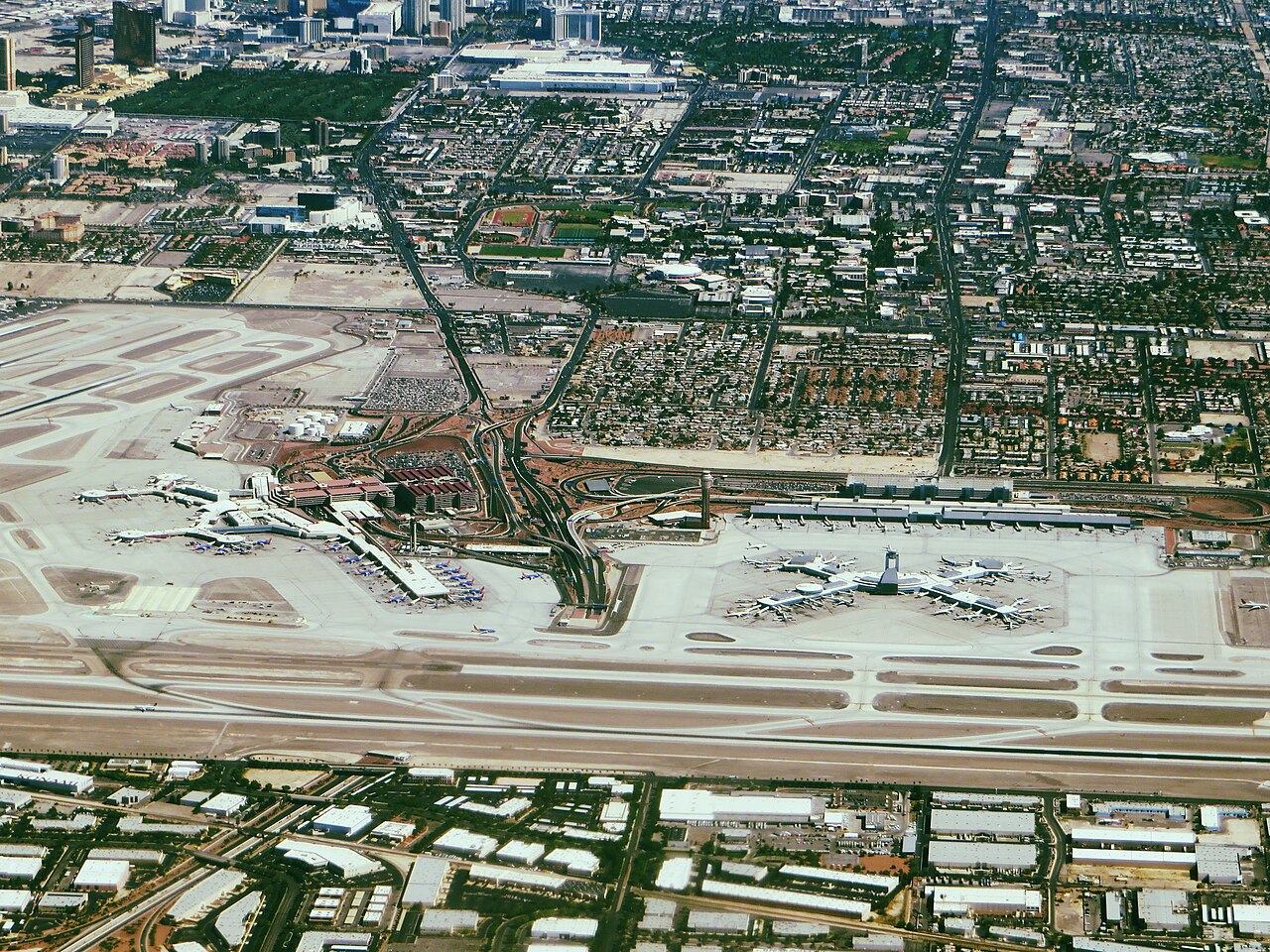
Nevada’s Public Records Task Force has a deadline of October 31 to tell lawmakers what it thinks about the state’s public-records system. On Monday, with that deadline days away, the task force spent hours debating something more basic: how to tell them. Members of the task force spent Monday, October 19, debating how to report their recommendations to lawmakers, with little agreement, according to the Las Vegas Review-Journal, which listed the meeting among the day’s top Nevada stories. The panel met starting at 9 a.m. PT, with venues at the Legislative Building, Room 2149, in Carson City and the Nevada Legislature Hearing Rooms at 7120 Amigo Street in Las Vegas, according to the task force agenda.
It is an unglamorous argument with real consequences, because the report is the whole product. The task force was created to study how Nevada handles requests for public records — what is exempt, what it costs, how long it takes and how disputes get resolved — and to deliver written findings and recommendations on or before October 31, 2026. If the ten members cannot agree on how those recommendations should be presented, the disagreement itself becomes part of what lawmakers receive. Monday’s session, as the Review-Journal described it, produced hours of debate on the reporting question and little agreement, and Previously is not reporting that any recommendation was adopted — none has been established.
A panel built to balance two sides of the counter
The task force was created by Assembly Bill 128 of the 2025 Legislature, and its structure is deliberately split down the middle: five members from local governments and five transparency advocates, ten in total, according to the text of AB128. The appointments are spread across Nevada’s power centers — three plus three plus one plus one plus two, appointed by the Senate Majority Leader, the Assembly Speaker, the minority leaders and the Governor, per the AB128 amendment text. The chair is elected from among the transparency advocates and the vice chair from among the government members, and members serve without compensation, according to AB128.
That design tells you what the Legislature expected: friction, managed on purpose. Public-records disputes in Nevada tend to pit the people asking for records — journalists, watchdogs, residents, businesses — against the agencies that hold them and worry about cost, workload and privacy. Putting five people from each side of that counter in one room, with leadership split between the camps, was a way to force a single report out of both perspectives. Monday’s argument over how to report recommendations is, in that light, less a surprise than the design working as built — the two sides were always going to disagree first about substance, and it appears they are also disagreeing about form.
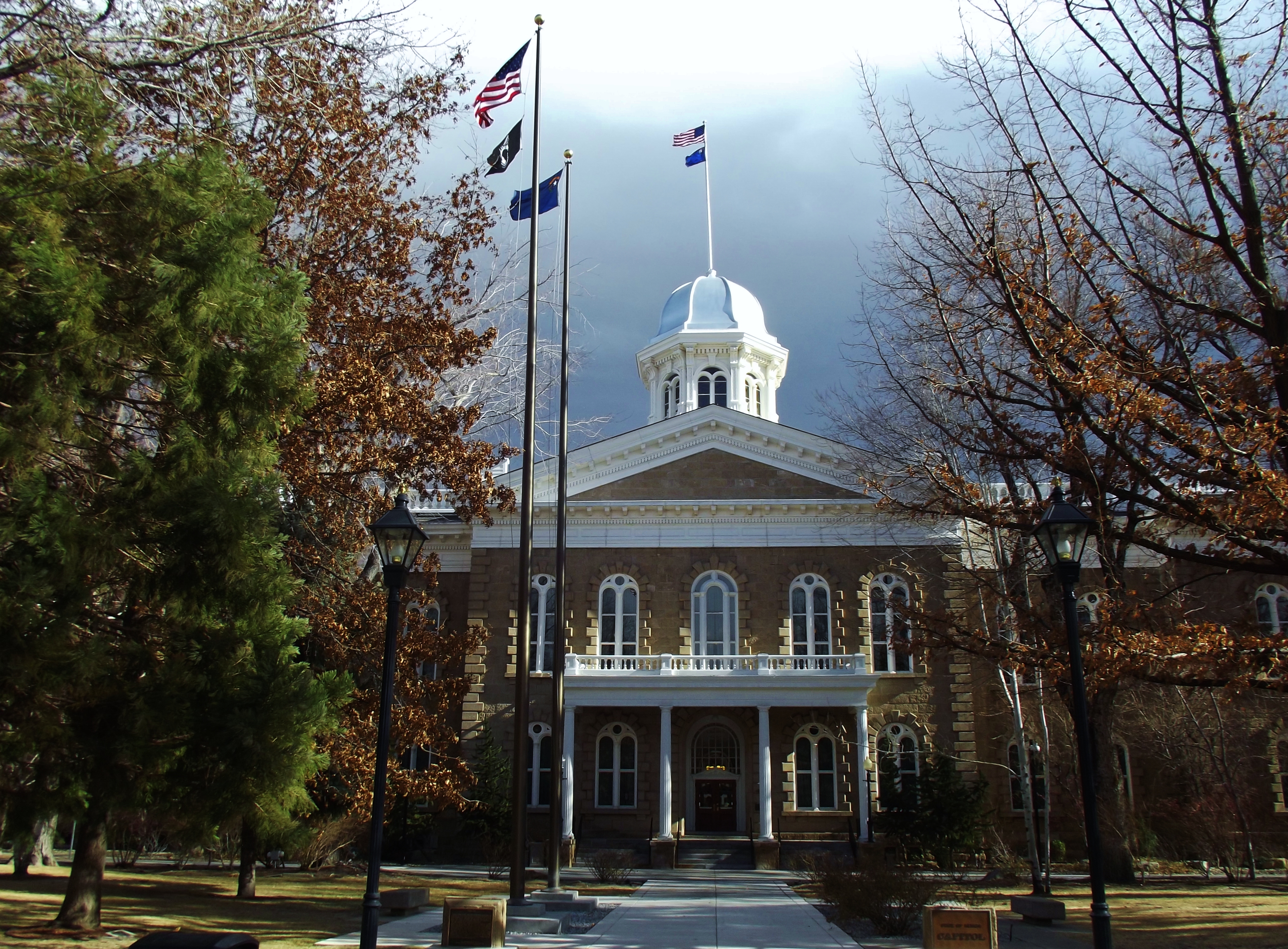
What the task force was charged with studying
The assignment, under AB128, is broad: review public-records exemptions, fees, delays, privacy protections and dispute-resolution methods across the 2025–2026 interim, meet at least four times, and deliver a written report with findings and recommendations on or before October 31, 2026, to the Joint Interim Standing Committee on Government Affairs and to the Assembly and Senate Government Affairs committees, according to the bill text. Those committees are where any eventual legislation would begin, which is why the format fight matters — a report’s structure helps decide which of its ideas arrive as actionable proposals and which arrive as background reading.
The topics on the table have been visible since the fall. A preliminary draft discussed on September 29 covered public-record fees, personal information, bulk datasets, automated requests and proposed restrictions on commercial or AI-related reuse of records, according to task force materials. Those topics are preliminary draft material — discussed, not endorsed — and they map neatly onto the live tensions in records law right now: what agencies may charge, how personal information in public files should be protected, how governments should handle requests for entire datasets rather than single documents, what to do about automated, high-volume requesting, and whether records obtained from the public should be restricted when the requester intends commercial or AI-related reuse. Monday’s debate, per the Review-Journal, was not about settling those questions in public; it was about how the panel’s answers should be packaged for the Legislature.
Why “how to report it” is a real fight
To an outside reader, spending hours on report format can sound like stalling. Inside a split panel, it is usually the opposite: format is where compromise either happens or visibly fails. A single joint report with shared recommendations says the five government members and five transparency advocates found common ground. Separate or dueling presentations say they did not, and invite lawmakers to pick a side rather than weigh a consensus. With the October 31 deadline set by AB128 now days away, Monday’s lack of agreement, as the Review-Journal reported it, leaves the task force with very little runway to resolve both the presentation question and anything still open beneath it.
The stakes are not abstract for Nevadans who use the records system — which, in a state where county and state agencies hold everything from body-camera footage to contract files, is a lot of people. Fees determine whether a request is affordable. Delays determine whether records arrive while they still matter. Exemptions and privacy rules determine what can be released at all, and dispute-resolution methods determine what a requester can do when an agency says no. The task force’s report will not change any of that by itself; it goes to interim and standing committees as findings and recommendations. But it is the document the 2027 Legislature will start from, which is why ten unpaid members arguing for hours about how to write it down is, in its own procedural way, the story. Clark County voters are already at the polls this week — see Previously’s coverage of early voting opening in Clark County — and the records debate is a reminder of how much of Nevada’s government runs on interim committees and reports most residents never see.
What to watch now is the calendar. The report is due on or before October 31, 2026, to the Joint Interim Standing Committee on Government Affairs and the Assembly and Senate Government Affairs committees, according to AB128. Whether it arrives as one voice or several, and which of the preliminary topics — fees, personal information, bulk data, automated requests, commercial and AI-related reuse — survive into final recommendations, will be knowable when the document lands. Previously will report what the task force actually recommends when it files, not before. More Nevada coverage is on the Previously news front.
Sources: Las Vegas Review-Journal (reviewjournal.com — Monday meeting and reporting debate, October 19, 2026); Assembly Bill 128 (2025) text via the Nevada Legislature archive (membership, charge and October 31, 2026 report deadline); Public Records Task Force agenda and materials (Monday venues and September 29 preliminary draft topics).
Sources · 4 sources
- Las Vegas Review-Journal — Monday task force meeting and reporting debate, October 19, 2026
- Assembly Bill 128 (2025), Nevada Legislature archive — creation, membership, appointments, charge and report deadline
- Public Records Task Force agenda — Monday, October 19, 2026 meeting time and venues (Carson City and Las Vegas)
- Public Records Task Force materials — September 29 preliminary draft topics