
The Short Version
- Question 7 returns to the ballot on Nov. 3 for its required second approval after passing in 2024 with 73.2%. Nevada's constitution requires citizen-initiated amendments to win twice, in back-to-back even-year elections — a loss now wipes out the 2024 result entirely.
- A Sept. 22–26 Noble Predictive Insights poll showed 65% support among registered voters and 67% among likely voters — but Nevada's second-vote history is brutal: 14 of 17 citizen amendments since 1980 lost support the second time around.
- The measure would require photo ID for in-person voting (driver's license, passport, military, tribal ID, and others) and the last four digits of a driver's license or Social Security number for mail ballots, with implementation in the 2028 cycle.
- A companion bill, AB 499, cleared the Senate 16–5 and pairs voter ID requirements with expanded mail-ballot drop box access, also aimed at the 2028 cycle.
LAS VEGAS
Here's a Nevada civics riddle: what happens when 73.2% of voters say yes and the answer is still maybe? Question 7, the voter ID measure, won in a landslide in 2024 — and it's back on the ballot anyway. Nevada requires citizen-initiated constitutional amendments to pass twice, in two consecutive even-year elections, which means the Nov. 3 vote isn't a rerun. It's the second half of the game. Lose, and the 2024 win never happened.
For Las Vegas, this one is decided at home. The overwhelming majority of Nevada's voters live in Clark County — this is a statewide measure, but the votes that will make or break it are ours. And with just over three weeks to go, the yes side is facing a problem that has nothing to do with ideology: Nevada's history of second votes is a graveyard of comfortable leads.
Why it has to win twice
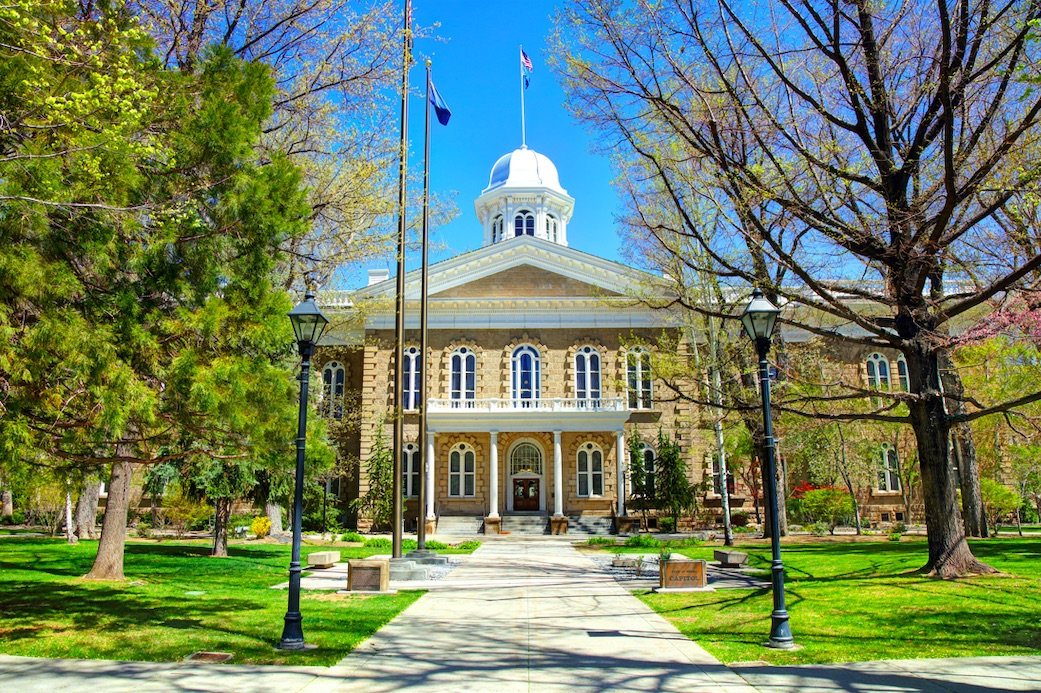
Nevada built a two-key lock into its constitution. A citizen initiative that amends the constitution needs approval from voters in two consecutive even-numbered election years — not one. Question 7 cleared the first lock on Nov. 5, 2024, winning 73%-27%. The second lock is Nov. 3, 2026. If voters approve again, it goes into the constitution and takes effect in the 2028 cycle. If it fails, the 2024 result is erased — as if it never happened.
There is no do-over. Supporters would have to start from zero: gather signatures, qualify for the ballot, and win twice more. That's years of work and millions of dollars, gone. And as one Nevada outlet noted, the Legislature isn't a reliable backstop — when Gov. Joe Lombardo pushed a voter ID bill in the 2023 session, it never even got a hearing in Carson City.
What the measure actually does
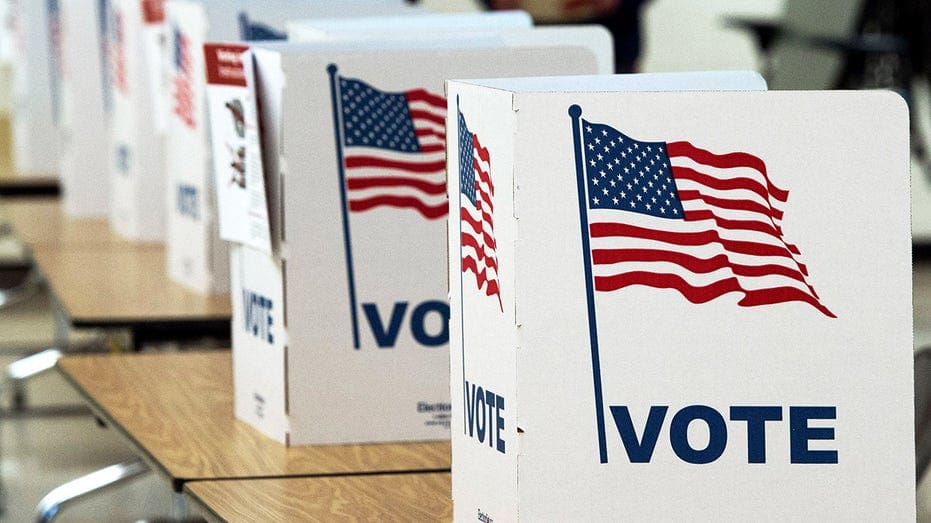
Strip away the politics and the mechanics are straightforward. Voting in person: show a photo ID. Acceptable forms include a Nevada driver's license, a state or federal government ID card, a government employee photo ID, a U.S. passport, a U.S. military card, a student photo ID from a Nevada public college, a tribal photo ID, or a Nevada concealed firearms permit — anything current, or expired no more than four years. Voters 70 and older can use an ID expired any length of time.
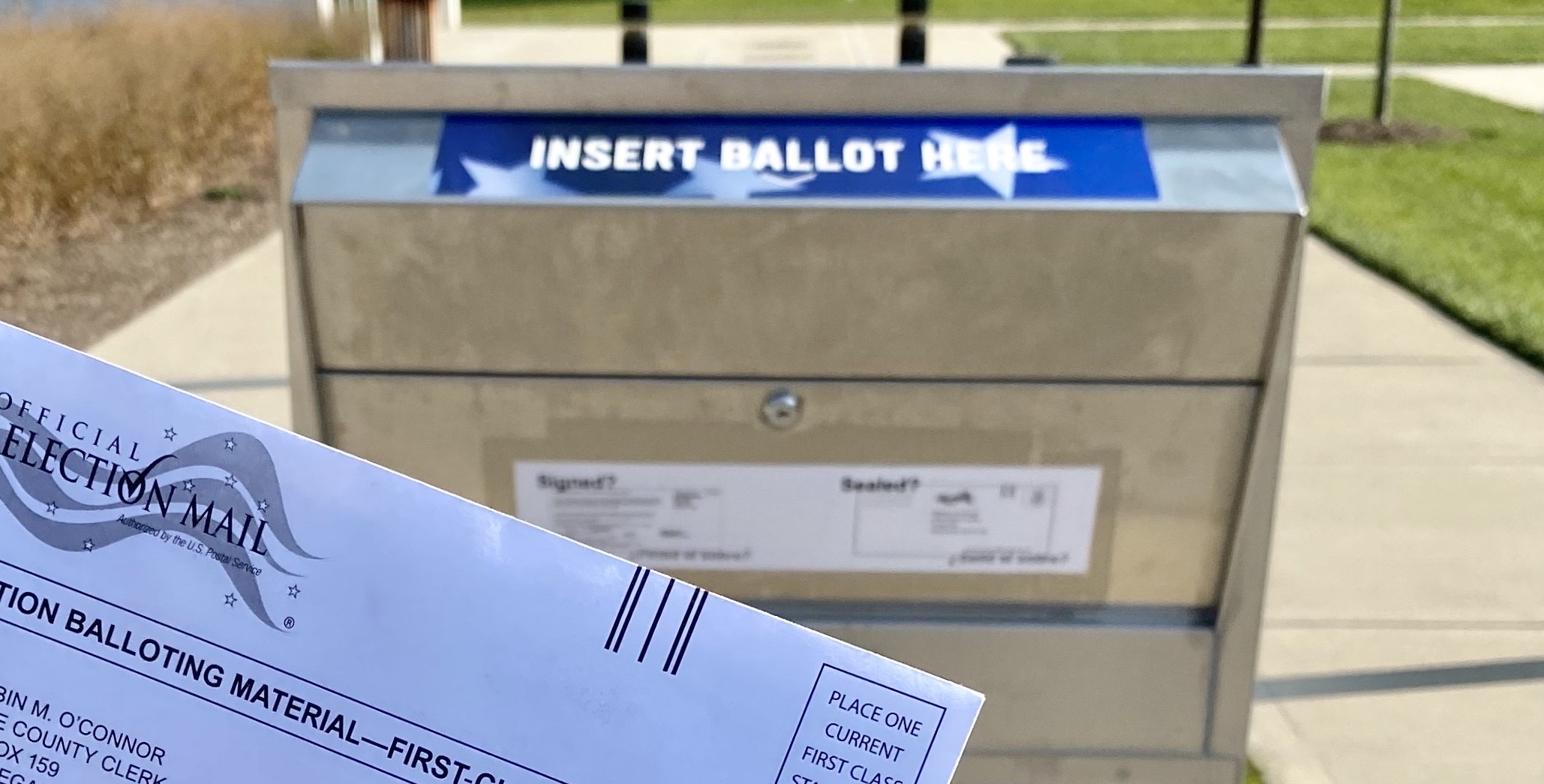
Voting by mail: no photocopy required. You'd write the last four digits of your Nevada driver's license — or your Social Security number if you don't have a license — on the ballot envelope. Voters with neither get a number from the county clerk when they register. Right now, Nevada is one of 14 states that doesn't require ID at the polls at all; voting mostly works on signature matching against the signature on file.
The requirements wouldn't take effect until the 2028 election cycle, which is the part that gives election officials time to educate voters, upgrade systems, and run outreach.
The polls look good. The history doesn't.
A Noble Predictive Insights poll conducted Sept. 22–26 found 65% support among registered voters and 67% among likely voters. That's a comfortable margin — about eight points below the 2024 result, but still double-digit positive territory.
Now the part that should worry the yes campaign. Since 1980, 17 citizen amendments have come back to Nevada voters for a second vote. Fourteen of them lost support the second time, with an average drop of nearly nine points. The precedents are ugly: the 2016 energy choice measure passed with 72.4% — almost exactly where Question 7 started — and fell to 33% two years later. Ranked-choice voting passed with 53% in 2022 and failed with 47% in 2024.
The reasons are familiar to anyone who's watched Nevada elections. Some voters assume the job's done. The opposition gets organized — this time the "no" side has the Nevada Voter Freedom Alliance running a real campaign. And ballot questions sit near the end of a long ballot, where a lot of voters simply stop filling in bubbles. The second-vote slide isn't a theory; it's the track record.

The parallel track in Carson City
While the ballot measure grinds toward Nov. 3, the Legislature has been running its own voter ID track. Assembly Bill 499 — introduced by Assembly Speaker Steve Yeager, a Democrat from Las Vegas — cleared the Senate on a 16–5 vote, a rare bipartisan split on election policy in a divided state.
The bill pairs GOP-backed voter ID requirements for in-person and mail voting with Democratic priorities: expanded access to mail-ballot drop boxes and an implementation delay to the 2028 cycle designed to protect voter access. After the Senate vote it heads back to the Assembly for concurrence on amendments, then to Gov. Lombardo's desk, where he has ten days to sign or veto. Lombardo has long pushed voter ID laws and praised the compromise as a model for the state.
The two tracks are deliberately complementary. AB 499 is the legislative version of what Question 7 would write into the constitution — but a statute can be changed by a future legislature. A constitutional amendment can't. That's why the yes side needs the second vote, not just the bill.
The argument, both sides
The campaigns supporting the measure — Repair The Vote and the Nevada Voter ID Coalition — argue the case on trust: voters need faith that the person casting a ballot is who they say they are, and ID requirements are how every other consequential transaction works. Their pitch is that the details are gentler than they sound: expired IDs still count, mail voters don't need a photocopy, and there's a backup number for people without a license or Social Security number.
The opposition — led by the Nevada Voter Freedom Alliance, with groups like Battle Born Progress — argues voter ID laws disproportionately burden voters of color, low-income voters, and the elderly, and complicate a system that already works through signature verification and ballot tracking. Emily Persaud-Zamora, executive director of Silver State Voices, has said the measure would dramatically change the voting system and complicate voting for communities that already face barriers. Campaign finance filings through March 31 show the yes side outraising and outspending the no side by wide margins — about $71,000 raised and $87,000 spent by supporters, against $7,600 in spending by the opposition.

What to watch from here
Three weeks out, the campaign dynamic is simple. The yes side has the poll lead, the money, a bipartisan legislature moving in the same direction, and the memory of a 73.2% landslide. The no side has history, organization, and the structural advantage that comes with being near the bottom of the ballot.
For Las Vegas voters, the practical part is uncomplicated: when your ballot arrives or you head to early voting, go all the way to the end. Question 7 is down there, and whatever you think of voter ID, this is the election that decides it — not the one two years ago. That's the whole point of the two-lock system: Nevada doesn't count a win until it's won twice.
Sources · 4 sources
- Las Vegas Review-Journal — Question 7 voter ID measure up to Nevada voters
- Ballotpedia — Nevada Question 7, Require Voter Identification Initiative (2026)
- Nevada News and Views — 73% of Nevadans already said yes to voter ID — but it could still die
- Asian Journal — Nevada Senate passes voter ID bill in historic bipartisan compromise
More from the newsroom: today's Vegas roundup





