
SAN FRANCISCO
The strangest corporate-espionage case in Silicon Valley went before a federal judge on Monday, as prosecutors argued that an OpenAI engineer charged with planting a hidden recording device in an executive conference room should stay behind bars — in part because, they say, his wife and young son left the country on a one-way ticket 36 hours after his arrest.
Abdulrahman Alfozan, 35, a Saudi national who has worked as an engineer at OpenAI since July 2025, was arrested on October 9 and charged with using or endeavoring to use a device to intercept oral communications, according to a press release from the U.S. Department of Justice. The charge carries a maximum penalty of five years in prison and a $250,000 fine. A detention hearing was scheduled for Monday, October 19, before U.S. Magistrate Judge Alex G. Tse in San Francisco. It is worth saying plainly at the top: Alfozan is charged, not convicted, and everything that follows is what prosecutors allege.
A Device Hidden in Toilet Paper
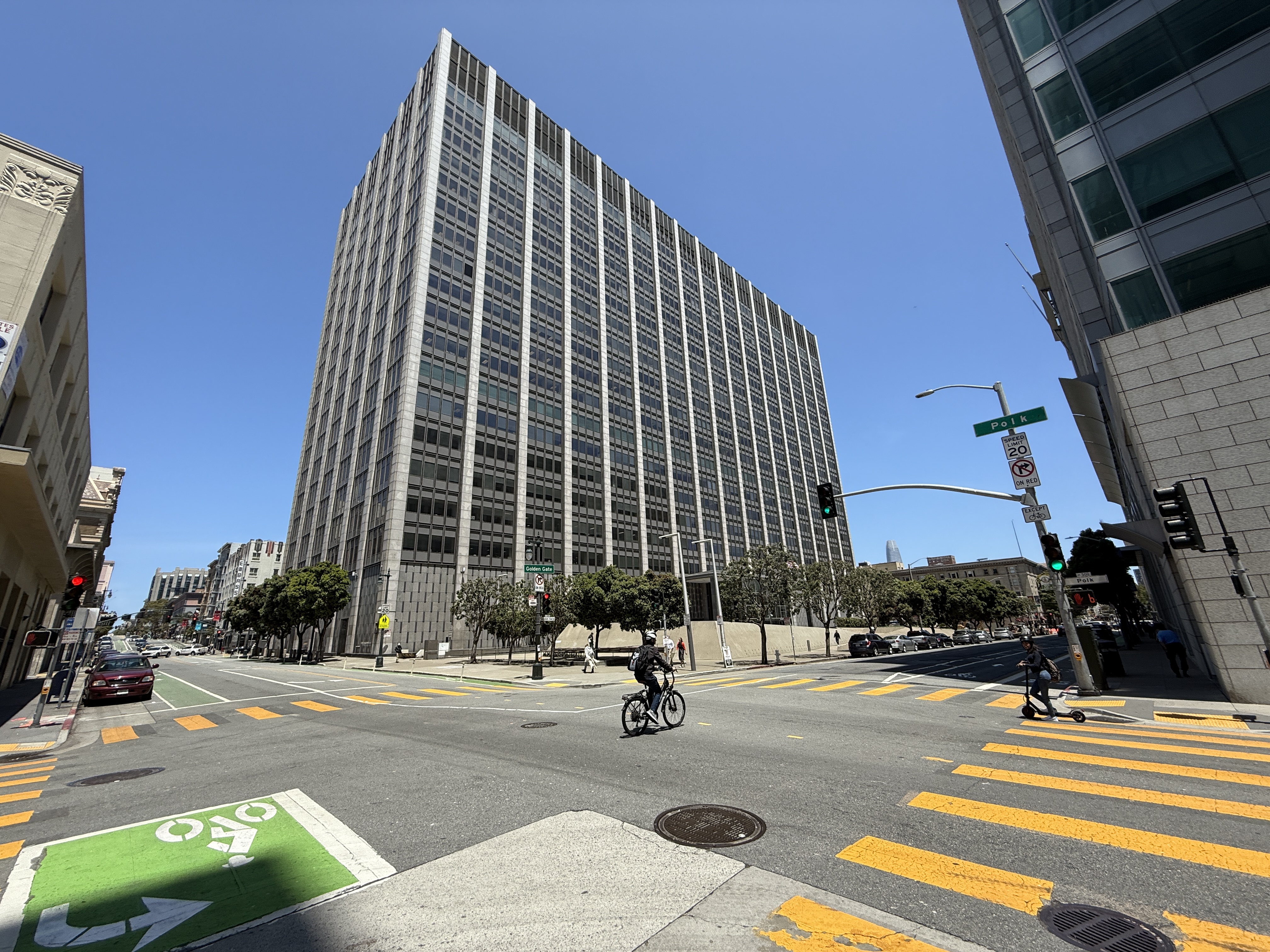
The underlying allegations read like something a thriller writer would be told to tone down. According to the Department of Justice, OpenAI personnel discovered a recording device on September 30 that had been inserted into a USB port on the back of a television in an executive conference room at the company’s San Francisco offices. The device, the DOJ says, was concealed in toilet paper and had been installed on or about September 28. Its contents were encrypted.
That room was not a break room. Per the DOJ, it was used for highly confidential discussions covering the company’s research, its product plans and its engagements with government — about as sensitive a set of conversations as exists anywhere in the technology industry right now. CNN, which has also reported the case, has described the discovery as the trigger for a federal investigation that led to Alfozan’s arrest a little over a week later.
FBI Director Kash Patel, in a statement carried in the DOJ release, said Alfozan allegedly sought to “secretly capture sensitive communications about the company’s super intelligence technology.” OpenAI, for its part, has drawn a careful line around what it believes did and did not happen: the company has said it has no indications that Alfozan accessed or exfiltrated model weights, source code or customer data. In other words, whatever the device in the conference room heard, OpenAI says the crown jewels themselves were not taken.
The New Filing: A One-Way Ticket Out
What moved the story on Monday was not the bugging allegation itself but a federal filing, unsealed Sunday evening and reported by the New York Post, laying out the government’s argument for why Alfozan should be detained while the case proceeds. According to the Post’s account of the filing, prosecutors say Alfozan was in regular contact with a member of the Saudi royal family. They also say a Saudi military official bought a one-way, business-class ticket for Alfozan’s wife, Lujain Alassaf, and the couple’s young son — and that the two left the United States 36 hours after Alfozan’s October 9 arrest.
Prosecutors say Alfozan himself had a one-way ticket booked for October 12, flying from San Francisco to Riyadh via Istanbul. He never took it, according to the filing, because he had been arrested three days earlier. Taken together, the government argues, the tickets and the timing amount to a flight risk: a defendant whose family has already departed and who had his own one-way itinerary to the same destination.
Here is the line this newsroom is going to hold carefully, because it matters: none of the reporting in this case — not the DOJ release, not CNN, not the Post — establishes that the Saudi government directed, ordered or even knew about the alleged bugging. Contact with a member of the royal family and a ticket purchased by a military official are facts prosecutors have put in a filing; what they mean is precisely what a court will have to sort out. Plenty of espionage stories eventually turn out to be exactly what they first appear to be, and plenty turn out to be something smaller and sadder. The filing is an argument, not a verdict.
What a Detention Hearing Actually Decides
Monday’s hearing before Judge Tse was not about guilt. Detention hearings answer a narrower pair of questions: is the defendant a flight risk, and is he a danger to the community? Prosecutors lean on the family’s departure and the unused one-way ticket; a defense lawyer’s counterargument practically writes itself — that a man who intended to flee would not still have been in San Francisco to be arrested, and that family travel after a spouse’s very public arrest can have innocent explanations too. The judge can order detention, release on conditions, or some combination involving surrender of travel documents and monitoring.
Either way, the case now sits at the center of the AI industry’s most uncomfortable conversation: how the labs racing to build the most powerful technology on earth protect the rooms where they talk about it. OpenAI is hardly the only company thinking about this — our news desk has covered the security anxiety spreading through the sector all year, and today’s other big tech stories, from Tenstorrent’s $1.5 billion raise to Anthropic’s public benefit fund, show an industry whose decisions now carry geopolitical weight whether it wants them to or not.
What happens next is procedural: a detention ruling, then the slow machinery of a federal prosecution — discovery, motions, and eventually either a plea or a trial, in a case where the actual contents of an encrypted device may end up mattering as much as the fact that it was there at all. Previously will follow the docket as it moves. For more coverage, see our latest news and the day’s developments across sports and games.